Exploring the Success Factors: Intrauterine Insemination vs In Vitro Fertilization
When it comes to fertility treatments, there are several options available for couples struggling to conceive. Intrauterine insemination (IUI) and in vitro fertilization (IVF) are two of the most commonly used fertility treatments. Both procedures involve the use of assisted reproductive technology (ART) to help couples conceive, but they differ in their methods and success rates. In this blog post, we will explore the success factors of IUI and IVF and help you understand which treatment may be the best option for you and your partner.
What is Intrauterine Insemination (IUI)?
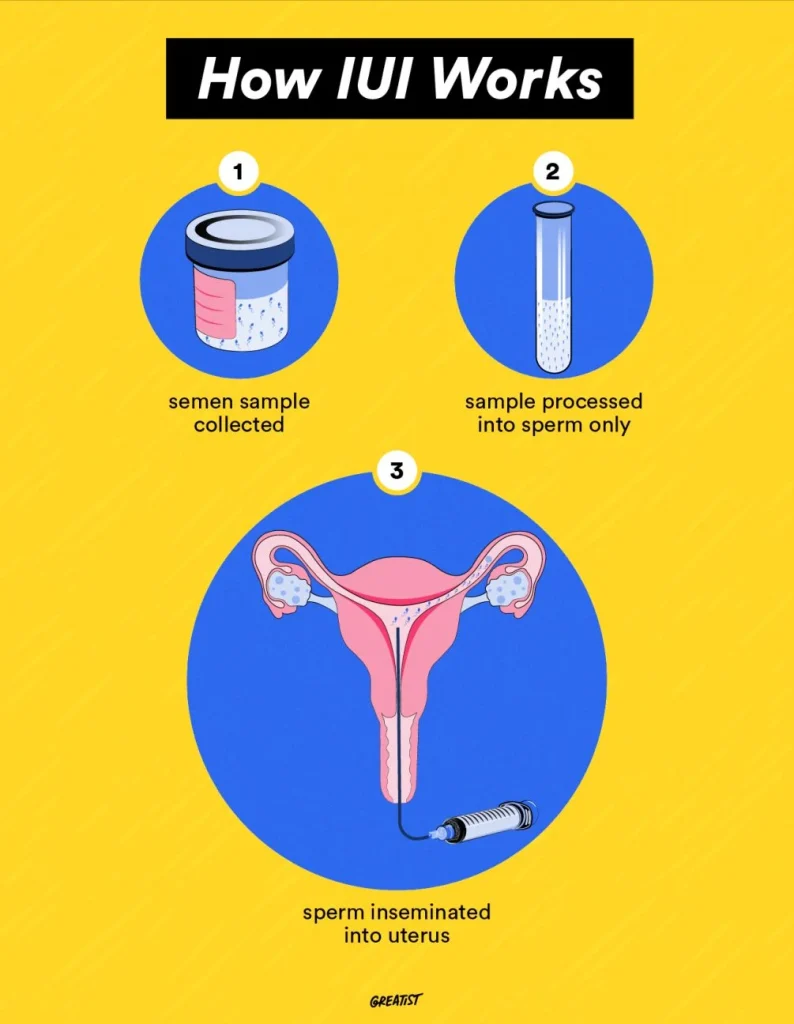
Intrauterine insemination, also known as artificial insemination, is a fertility treatment that involves placing washed and prepared sperm directly into a woman’s uterus during ovulation. This procedure is typically used for couples with unexplained infertility, mild male factor infertility, or cervical factor infertility. It can also be used for same-sex couples or single women who want to conceive using donor sperm.
The Success Factors of IUI
The success of IUI depends on several factors, including the quality of the sperm, the woman’s age, and the cause of infertility. One of the main success factors of IUI is the timing of the procedure. It is crucial to perform IUI during the woman’s fertile window, which is usually within 24-36 hours after the luteinizing hormone (LH) surge. The use of fertility drugs to stimulate ovulation can also increase the chances of success for IUI.
Another significant factor that affects the success of IUI is the quality of the sperm. The sperm used for IUI should be washed and prepared in a laboratory to remove any dead or abnormal sperm. This process helps ensure that only the healthiest and most motile sperm are used for the procedure, increasing the chances of fertilization.
The age of the woman undergoing IUI is also a crucial factor in its success. Women under the age of 35 have a higher success rate of around 10-20% per cycle, while women over the age of 35 have a success rate of 5-10% per cycle. It is essential to note that the success rates for IUI decrease with age, and women over the age of 40 may have a lower chance of success.
Exploring the Success Factors: Intrauterine Insemination vs In Vitro Fertilization
What is In Vitro Fertilization (IVF)?
In vitro fertilization is a more complex fertility treatment that involves retrieving eggs from the woman’s ovaries, fertilizing them with sperm in a laboratory, and transferring the resulting embryo(s) into the woman’s uterus. This procedure is typically used for couples with severe male factor infertility, tubal factor infertility, or unexplained infertility. It is also an option for women who have had difficulty conceiving through other fertility treatments.
The Success Factors of IVF
The success of IVF depends on several factors, including the woman’s age, egg and sperm quality, and the number of embryos transferred. One of the most significant success factors of IVF is the age of the woman. Women under the age of 35 have a higher success rate of around 40-50%, while women over the age of 40 have a success rate of around 10-20%. This is because the quality of a woman’s eggs decreases with age, making it more challenging to achieve pregnancy through IVF.
The quality of the eggs and sperm used in IVF also plays a significant role in its success. The woman’s eggs are retrieved and fertilized in a laboratory, and the resulting embryos are evaluated for their quality. High-quality embryos have a higher chance of implanting and leading to a successful pregnancy. Similarly, the sperm used in IVF should also be of good quality to increase the chances of fertilization.
The number of embryos transferred during IVF also affects its success rates. While transferring more embryos may increase the chances of pregnancy, it also increases the risk of multiple pregnancies. Therefore, the number of embryos transferred is a delicate balance, and it is crucial to discuss with your doctor to determine the best course of action for you and your partner.
Which Treatment is Right for You?
When it comes to deciding between IUI and IVF, there is no one-size-fits-all solution. Each couple’s situation is unique, and the best treatment option will depend on various factors, including the cause of infertility, age, and previous fertility treatments. It is essential to consult with your doctor to discuss the best course of action for you and your partner.
In summary, both IUI and IVF are effective fertility treatments, but their success rates and factors differ. IUI is a less invasive and more affordable option, but its success rates may be lower compared to IVF. On the other hand, IVF is a more complex and expensive procedure, but it has higher success rates, especially for women over the age of 35. Ultimately, the success of either treatment will depend on individual factors, and it is crucial to have open communication with your doctor to determine the best treatment option for you.