Tag: natural remedies

  • Fertility Medications vs Supplements: Which is the Right Choice for You?

    Blog post:

    Fertility issues can be a major obstacle for couples trying to conceive. Fortunately, there are a variety of options available to help improve fertility and increase the chances of getting pregnant. Two common methods are fertility medications and supplements. While both aim to support reproductive health, they differ in their approach and effectiveness. In this blog post, we will explore the differences between fertility medications and supplements and help you determine which one is the right choice for you.

    Fertility Medications:

    Fertility medications, also known as fertility drugs, are prescribed by doctors to help stimulate ovulation in women or improve sperm production in men. These medications work by altering hormone levels and regulating the reproductive cycle. The most commonly used fertility drugs for women include clomiphene citrate, letrozole, and gonadotropins, while men are often prescribed clomiphene citrate or human chorionic gonadotropin (hCG).

    One of the main advantages of fertility medications is their high success rate. When used correctly and under the supervision of a doctor, fertility drugs can significantly increase the chances of getting pregnant. However, it is important to note that these medications can also come with some potential side effects, such as headaches, mood swings, and hot flashes. Additionally, fertility medications can be quite expensive, as they often require multiple cycles of treatment.

    Supplements:

    On the other hand, supplements are a more natural approach to improving fertility. These are typically vitamins, minerals, and herbal extracts that aim to support reproductive health by providing necessary nutrients and antioxidants. Some of the most commonly used supplements for fertility include folic acid, vitamin D, and CoQ10.
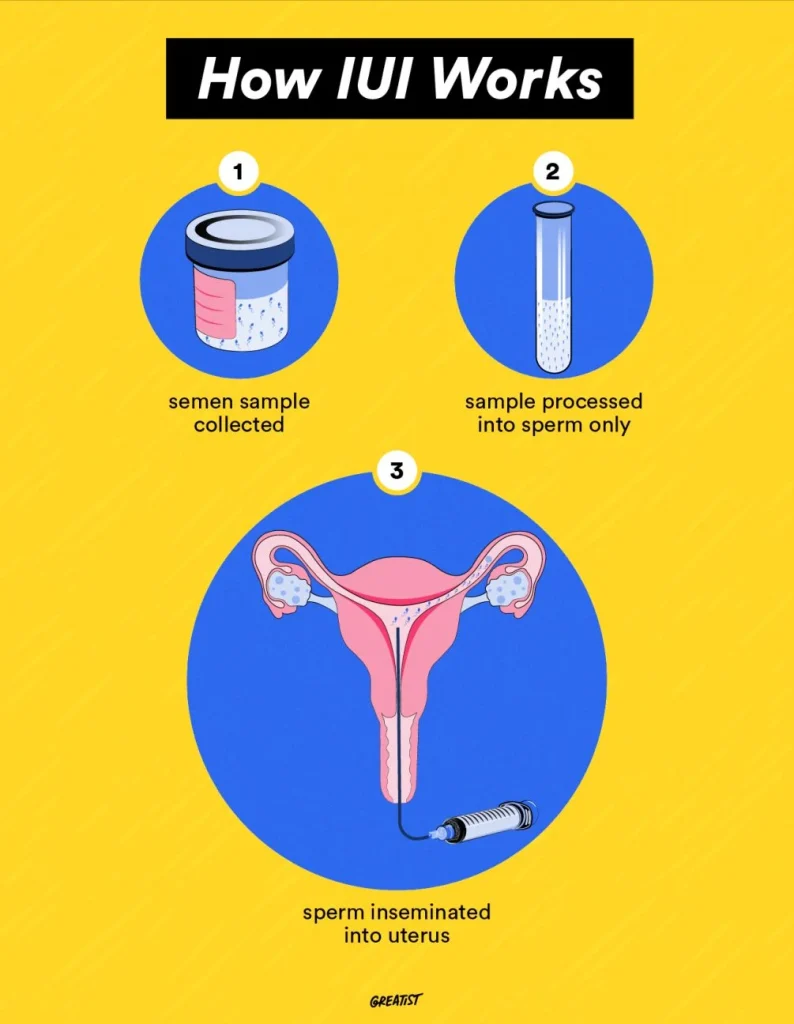
    illustration explaining the steps of intrauterine insemination (IUI) process on a bright yellow background

    Fertility Medications vs Supplements: Which is the Right Choice for You?

    Unlike fertility medications, supplements do not require a prescription and can be easily purchased over-the-counter. They also tend to be more affordable, making them a more accessible option for couples struggling with fertility issues. Additionally, supplements usually have fewer side effects compared to medications. However, it is important to note that supplements may take longer to show results and may not be as effective for severe cases of infertility.

    Which is the Right Choice for You?

    When it comes to choosing between fertility medications and supplements, there is no one-size-fits-all answer. The best option depends on individual factors, such as the cause of infertility, medical history, and personal preferences.

    Fertility medications are usually recommended for cases of ovulation disorders or hormonal imbalances, while supplements may be more beneficial for couples with unexplained infertility or those looking for a more natural approach. It is always important to consult with a doctor before starting any fertility treatment, as they can provide personalized recommendations based on your specific situation.

    In some cases, a combination of both fertility medications and supplements may be the best approach. For example, supplements can be used to support the body during fertility medication treatments and help reduce side effects. It is crucial to discuss this option with your doctor to ensure safe and effective use of both methods.

    In conclusion, fertility medications and supplements each have their own advantages and limitations. While medications may offer a higher success rate, they can also come with potential side effects and higher costs. Supplements may be a more accessible and natural option, but may take longer to show results. Ultimately, the best choice for you will depend on your individual needs and preferences. It is always important to consult with a doctor and carefully weigh the pros and cons before deciding on a fertility treatment plan.

    Summary:

    Fertility medications and supplements are two common methods used to improve fertility and increase the chances of getting pregnant. While medications work by altering hormone levels and regulating the reproductive cycle, supplements provide necessary nutrients and antioxidants to support reproductive health. The best option for each individual will depend on factors such as the cause of infertility, medical history, and personal preferences. It is important to consult with a doctor before starting any fertility treatment and carefully consider the pros and cons of each option.
  • Fertility Supplements for Women: Balancing Hormones and Boosting Fertility

    Blog Post: Fertility Supplements for Women: Balancing Hormones and Boosting Fertility

    Are you struggling to conceive? Do you feel like your hormones are out of balance? If you’re a woman trying to start a family, you may have heard about fertility supplements and their potential benefits. In this blog post, we will explore the world of fertility supplements for women and how they can help balance hormones and boost fertility.

    Fertility is a complex process that involves various hormones, organs, and systems in the body. Any imbalance or disruption in this delicate process can affect a woman’s ability to conceive. Many factors can contribute to hormonal imbalances, such as stress, diet, lifestyle, and medical conditions. Fortunately, there are natural ways to support and regulate hormonal health, and fertility supplements are one of them.

    Fertility supplements are natural products that contain vitamins, minerals, herbs, and other nutrients that are believed to enhance fertility in women. These supplements work by supporting the body’s natural processes and promoting hormonal balance. Let’s take a closer look at some of the most popular fertility supplements for women and how they can help you on your journey to motherhood.

    1. Vitex (Chasteberry)

    Vitex, also known as Chasteberry, is a herb that has been used for centuries to promote hormonal balance and fertility in women. It works by stimulating the production of luteinizing hormone (LH) and inhibiting the release of follicle-stimulating hormone (FSH), which can help regulate ovulation. Vitex is also believed to support the production of progesterone, an essential hormone for maintaining a healthy pregnancy.

    2. Maca Root

    Maca root is a plant native to Peru that has been used for centuries as a natural remedy for fertility. It is rich in vitamins, minerals, and antioxidants, and is believed to have a positive effect on hormonal balance. Maca root is also known for its ability to improve libido and sexual function in both men and women, making it a popular supplement for couples trying to conceive.

    3. Coenzyme Q10 (CoQ10)

    Coenzyme Q10, or CoQ10, is a powerful antioxidant that plays a crucial role in energy production and cell growth. It is naturally produced in the body, but its levels decline with age. CoQ10 supplements have been shown to improve egg quality and ovarian function in women, making it a popular supplement for women over 35 who are trying to conceive.

    4. Omega-3 Fatty Acids

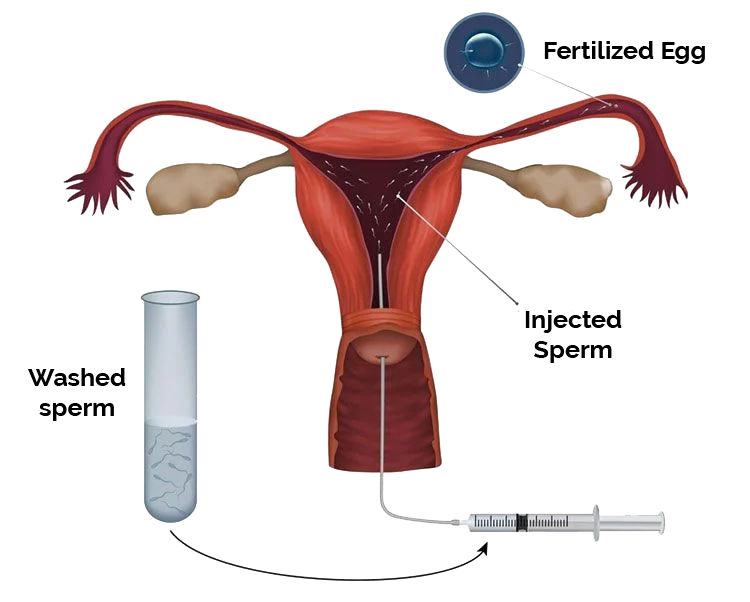
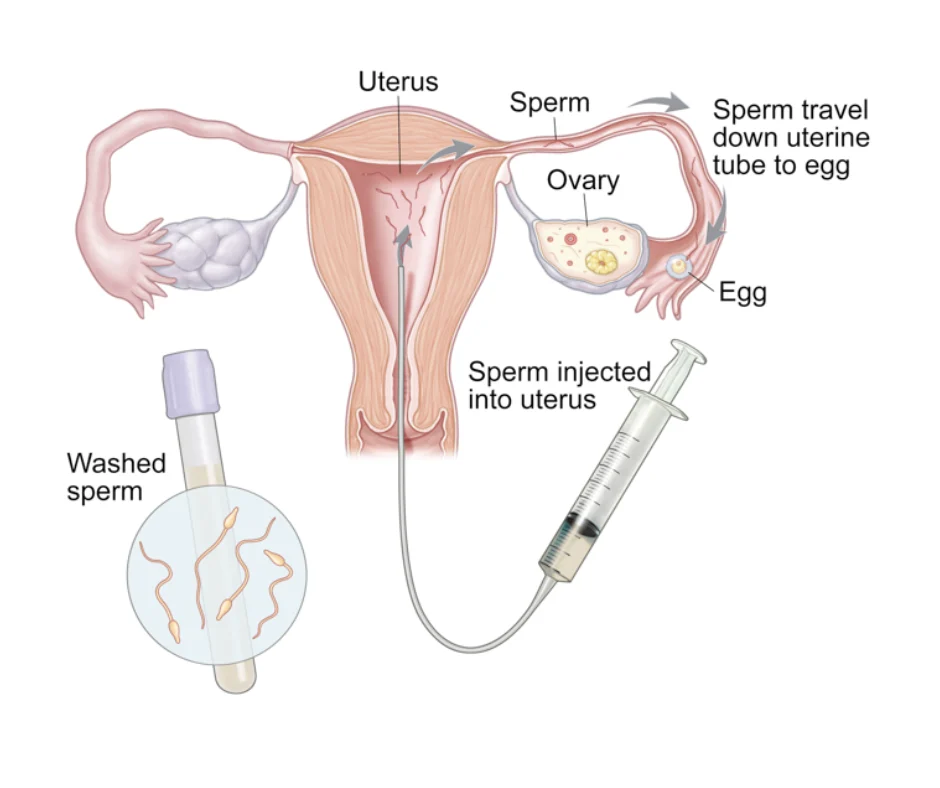
    diagram illustrating intrauterine insemination process, showing sperm injection into the uterus and egg fertilization pathway

    Fertility Supplements for Women: Balancing Hormones and Boosting Fertility

    Omega-3 fatty acids are essential fats that play a vital role in reproductive health. They are necessary for hormone production, ovulation, and embryo development. Studies have shown that omega-3 fatty acids can improve fertility in women with polycystic ovary syndrome (PCOS) and endometriosis, two conditions that can affect fertility.

    5. Iron

    Iron is an essential mineral that is vital for healthy blood and oxygen transport in the body. Iron deficiency has been linked to irregular ovulation, which can affect a woman’s ability to conceive. Taking an iron supplement can help increase iron levels in the body and improve fertility.

    6. Vitamin D

    Vitamin D is an essential nutrient that plays a crucial role in the body’s reproductive function. Studies have shown that vitamin D deficiency is associated with infertility and pregnancy complications. Supplementing with vitamin D can help improve ovulation and increase the chances of conception.

    7. Folic Acid

    Folic acid, also known as folate, is a B vitamin that is essential for fetal development. It is recommended for pregnant women to prevent birth defects, but it is also beneficial for women trying to conceive. Folic acid helps regulate ovulation and can improve the chances of a successful pregnancy.

    While fertility supplements can be beneficial, it’s essential to note that they are not a magic solution. They should be used in conjunction with a healthy diet, regular exercise, and stress management techniques. It’s also crucial to consult with your doctor before starting any new supplements, especially if you’re taking any medication or have underlying medical conditions.

    In conclusion, fertility supplements can be a helpful tool for women trying to balance hormones and boost fertility. Vitex, Maca root, CoQ10, omega-3 fatty acids, iron, vitamin D, and folic acid are some of the most popular supplements for women trying to conceive. However, it’s crucial to remember that everyone’s body is different, and what works for one person may not work for another. Be patient, stay positive, and consult with your doctor for personalized recommendations.

    Summary:

    Fertility can be a complex process, and hormonal imbalances can affect a woman’s ability to conceive. Fertility supplements for women are natural products that contain vitamins, minerals, and herbs that can support the body’s natural processes and promote hormonal balance. Some popular fertility supplements include Vitex, Maca root, CoQ10, omega-3 fatty acids, iron, vitamin D, and folic acid. It’s essential to note that these supplements should be used in conjunction with a healthy lifestyle and under the guidance of a doctor.

  • The Debate Continues: Fertility Medications vs Supplements for Treating Infertility

    The topic of fertility and infertility is one that is surrounded by a lot of questions, opinions, and debates. One of the ongoing debates in the medical world is whether fertility medications or supplements are more effective in treating infertility. While both options have their own benefits and risks, it is important to understand the differences and potential outcomes of each before making a decision.

    In this blog post, we will dive into the debate between fertility medications and supplements, discussing their effectiveness, potential side effects, and other important factors to consider.

    Fertility Medications
    Fertility medications, also known as assisted reproductive technology (ART), are often the first line of treatment for couples struggling with fertility issues. These medications work by stimulating the ovaries to produce more eggs, increasing the chances of pregnancy.

    Some of the most commonly used fertility medications include Clomiphene citrate, Gonadotropins, and Metformin. These medications can be administered orally, through injections, or a combination of both.

    The effectiveness of fertility medications largely depends on the underlying cause of infertility. For example, Clomiphene citrate is effective in treating women with ovulation problems, while Gonadotropins are used for women with polycystic ovary syndrome (PCOS) or unexplained infertility. However, these medications do not work for everyone and may not be suitable for certain underlying conditions.

    One of the major concerns with fertility medications is the risk of multiple pregnancies. Since these medications stimulate the ovaries to produce more eggs, there is a higher chance of conceiving twins, triplets, or even more. While some couples may see this as a blessing, multiple pregnancies carry a higher risk of complications for both the mother and babies.

    Another potential side effect of fertility medications is the risk of ovarian hyperstimulation syndrome (OHSS). This condition occurs when the ovaries become too stimulated, causing them to swell and become painful. OHSS is more likely to occur when using Gonadotropins and can lead to serious complications such as fluid buildup in the abdomen, blood clots, and kidney failure.

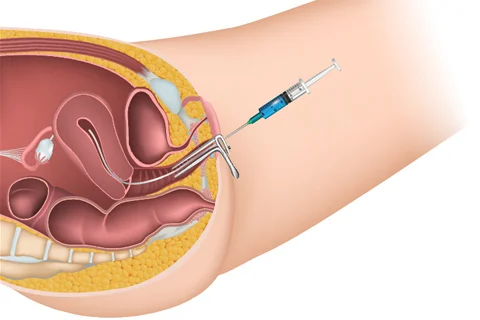
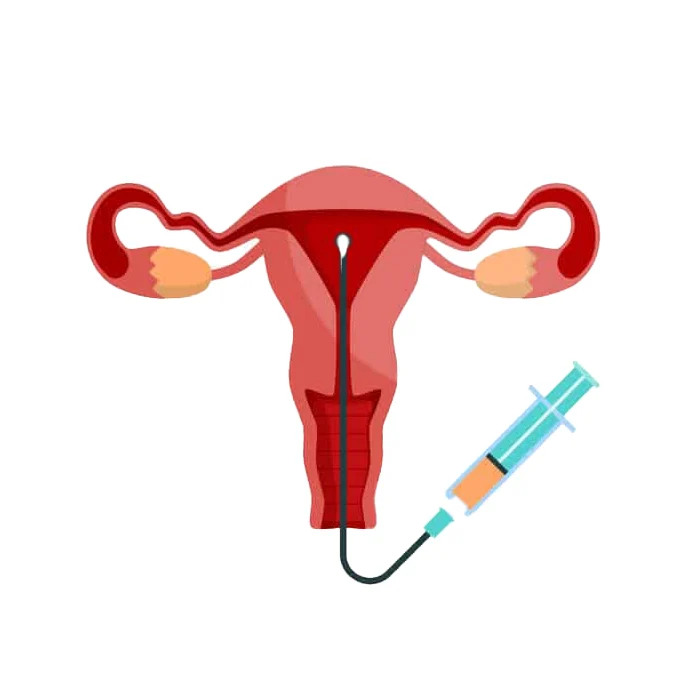
    illustration of a uterus with a syringe for intrauterine insemination (IUI) procedure

    The Debate Continues: Fertility Medications vs Supplements for Treating Infertility

    Supplements
    On the other hand, supplements are a more natural and holistic approach to treating infertility. These are usually a combination of vitamins, minerals, and herbs that aim to improve overall reproductive health and increase fertility.

    Some of the most commonly used supplements for treating infertility include Coenzyme Q10, Vitamin D, and Omega-3 fatty acids. These supplements work by improving egg quality, regulating hormone levels, and reducing inflammation in the reproductive organs.

    The effectiveness of supplements in treating infertility is not as well-studied as fertility medications. However, there is some evidence to suggest that certain supplements can improve fertility in both men and women. For example, a study found that Coenzyme Q10 improved egg quality and pregnancy rates in women undergoing IVF treatment.

    One of the major benefits of supplements is that they have fewer side effects compared to fertility medications. Since they are made from natural ingredients, the risk of adverse reactions is minimal. However, it is important to note that some supplements may interact with other medications, so it is always recommended to consult with a healthcare provider before starting any new supplement regimen.

    The Debate Continues
    Both fertility medications and supplements have their own pros and cons, making it difficult to determine which one is better for treating infertility. Some factors that may influence the decision between the two include the underlying cause of infertility, personal preferences, and the advice of a healthcare provider.

    It is also worth mentioning that fertility medications and supplements are not mutually exclusive. In some cases, a combination of both may be recommended for better results. For example, a woman with PCOS may be prescribed Gonadotropins along with supplements like Inositol to help regulate hormone levels.

    In the end, the debate between fertility medications and supplements will continue as there is no one-size-fits-all solution for treating infertility. It is important for couples to educate themselves on the options available and work closely with their healthcare provider to find the best treatment plan for their individual needs.

    Summary:
    The debate between fertility medications and supplements for treating infertility continues to divide opinions in the medical world. While fertility medications are often the first line of treatment, they come with potential risks such as multiple pregnancies and ovarian hyperstimulation syndrome. On the other hand, supplements offer a more natural approach with fewer side effects, but their effectiveness is still being studied. Ultimately, the decision between the two depends on factors such as the underlying cause of infertility and personal preferences, and in some cases, a combination of both may be recommended.

  • Natural Remedies vs Traditional Medications: A Fertility Battle

    Blog Post:

    Fertility is a complex and deeply personal journey for many individuals and couples. When faced with challenges in conceiving a child, the options for treatment can seem overwhelming. On one hand, there are traditional medications, often prescribed by doctors, promising to increase fertility and aid in conception. On the other hand, there are natural remedies, often recommended by alternative medicine practitioners, claiming to have similar effects without the potential side effects of medications. In this battle between natural remedies and traditional medications, which is the better option for fertility?

    Traditional medications, such as fertility drugs, have been a go-to treatment for those struggling with fertility issues for decades. These drugs work by stimulating the ovaries to produce more eggs, thereby increasing the chances of conception. Some of the commonly prescribed fertility drugs include Clomid, Letrozole, and Gonadotropins. These medications have been proven to be effective in increasing fertility rates, with success rates ranging from 20-60% depending on the specific drug and individual case.

    However, traditional medications also come with potential side effects. Many women who have taken fertility drugs report experiencing mood swings, hot flashes, headaches, and bloating. In some cases, these medications can also increase the risk of multiple pregnancies, which can carry its own set of risks for both the mother and the babies. Additionally, fertility drugs can be expensive, with one cycle of treatment costing anywhere from a few hundred to several thousand dollars.

    On the other hand, natural remedies for fertility often involve dietary changes, herbal supplements, and other holistic approaches. These remedies are based on the belief that the body has the ability to heal itself if given the right tools and environment. Some of the commonly recommended natural remedies for fertility include eating a nutrient-rich diet, incorporating fertility-boosting herbs and supplements like maca and vitex, and reducing stress levels through techniques like yoga and meditation.

    diagram of the female reproductive system with an IUI syringe and test tube for artificial insemination

    Natural Remedies vs Traditional Medications: A Fertility Battle

    One of the biggest advantages of natural remedies is that they have little to no side effects compared to traditional medications. This is because they work with the body’s natural processes instead of artificially stimulating them. Additionally, natural remedies tend to be more affordable, making them a more accessible option for those on a budget. However, the effectiveness of natural remedies is still a topic of debate. While some studies have shown positive results, others have found no significant difference in fertility rates between those who use natural remedies and those who do not.

    It’s important to note that natural remedies and traditional medications do not have to be mutually exclusive. In fact, many fertility specialists now recommend a combination of both approaches for the best results. For example, women undergoing in vitro fertilization (IVF) may be prescribed fertility drugs to stimulate egg production, while also incorporating natural remedies to support their overall health and well-being.

    Ultimately, the decision of whether to use natural remedies or traditional medications for fertility is a personal one. It’s essential to consult with a trusted healthcare professional to discuss the best options for your specific case. Some factors to consider when making this decision include your personal health history, any underlying conditions that may affect fertility, and your budget.

    In the end, the most important thing is to focus on overall health and well-being, rather than just trying to conceive. This includes maintaining a healthy diet, managing stress levels, and seeking support from loved ones. Whether you choose to use natural remedies, traditional medications, or a combination of both, remember that fertility is a journey, and it’s essential to take care of your physical and emotional health throughout the process.

    Summary:

    Fertility is a complex issue, and the options for treatment can be overwhelming. Traditional medications, such as fertility drugs, have been used for decades to increase fertility rates, but they also come with potential side effects and high costs. On the other hand, natural remedies, including dietary changes and herbal supplements, have little to no side effects and are more affordable. However, their effectiveness is still a topic of debate. The best approach may be a combination of both natural remedies and traditional medications, and it’s important to consult with a healthcare professional to determine the best course of treatment for individual cases. Ultimately, the focus should be on overall health and well-being, rather than just trying to conceive.

  • Boosting Fertility Naturally: The Power of Supplements

    Blog Post Title: Boosting Fertility Naturally: The Power of Supplements

    Summary:

    Infertility affects approximately 10-15% of couples worldwide, making it a common and distressing issue for many. While there are various medical treatments available, they can be expensive and come with their own set of risks and side effects. As a result, many couples are turning to natural and holistic methods to boost their fertility. One such method is through the use of supplements. In this blog post, we will explore the power of supplements in boosting fertility and which ones are most effective.

    Firstly, it’s important to understand that our bodies require certain nutrients to function properly, and this includes our reproductive systems. When we are lacking in these nutrients, it can lead to hormonal imbalances, which can negatively impact our fertility. This is where supplements come in. They can provide our bodies with the necessary nutrients to support healthy reproductive function.

    One of the most well-known supplements for boosting fertility is folic acid. This B vitamin is crucial for fetal development and can help prevent birth defects. It is recommended that women who are trying to conceive take 400-800 mcg of folic acid daily. Another important nutrient is iron, which helps with the production of healthy eggs and sperm. Iron deficiency has been linked to ovulatory infertility, so it’s important to ensure you are getting enough through either diet or supplementation.

    Illustration of the IUI process, showing a syringe and catheter in the reproductive system.

    Boosting Fertility Naturally: The Power of Supplements

    In addition to folic acid and iron, there are several other supplements that have shown promising results in boosting fertility. These include Coenzyme Q10, which helps with egg quality and quantity, and melatonin, which has been found to improve sperm quality and motility. Omega-3 fatty acids, commonly found in fish oil supplements, have also been linked to improved fertility in both men and women.

    Another important aspect of fertility is hormonal balance. Certain supplements can help regulate hormones and improve fertility. For women, chasteberry, also known as Vitex, has been found to help regulate the menstrual cycle and improve ovulation. Similarly, maca root has been traditionally used to boost fertility in both men and women by balancing hormones and enhancing libido.

    When it comes to male fertility, there are also supplements that can make a difference. Zinc is a crucial nutrient for sperm production and has been found to improve sperm count and motility. Selenium, another mineral, can also improve sperm quality and increase the chances of conception. Additionally, antioxidants such as vitamin C, vitamin E, and glutathione can help protect sperm from oxidative damage and improve overall sperm health.

    It’s important to note that while supplements can be beneficial in boosting fertility, they should not be seen as a magic solution. It’s important to consult with a healthcare professional before starting any new supplements, especially if you have any pre-existing medical conditions or are taking any medications. Additionally, supplements should not be used as a replacement for a healthy diet and lifestyle. A well-balanced diet, regular exercise, and stress management are all important factors in promoting fertility.

    In conclusion, supplements can be a powerful and natural way to boost fertility. By providing our bodies with the necessary nutrients, we can support healthy reproductive function and increase our chances of conception. However, it’s important to remember that every person is unique and what works for one may not work for another. It’s always best to consult with a healthcare professional and do your own research before starting any new supplements.

  • Fertility Nutrition and Herbs: Exploring Natural Remedies for Boosting Fertility

    Blog Post:

    Fertility is a topic that is often discussed among couples who are trying to conceive. While there are many factors that can affect fertility, such as age and underlying health conditions, nutrition and herbs have been found to play a significant role in boosting fertility. In this blog post, we will explore the importance of fertility nutrition and herbs, and how they can be used as natural remedies to improve fertility.

    Fertility Nutrition:

    Proper nutrition is essential for overall health and well-being, and the same goes for fertility. A well-balanced diet that includes a variety of fruits, vegetables, whole grains, lean proteins, and healthy fats is crucial for both men and women who are trying to conceive. This is because certain nutrients can help regulate hormones, improve egg and sperm quality, and support a healthy reproductive system.

    One of the key nutrients for fertility is folate, also known as vitamin B9. Folate is essential for the development of the fetal neural tube and can help prevent birth defects. It is found in leafy greens, legumes, fortified cereals, and citrus fruits. Another important nutrient is iron, which can help improve ovulation and sperm quality. Good sources of iron include red meat, poultry, seafood, beans, and spinach.

    Omega-3 fatty acids are also beneficial for fertility. These healthy fats can help regulate hormones, improve blood flow to the reproductive organs, and reduce inflammation. Good sources of omega-3s include fatty fish, flaxseeds, chia seeds, and walnuts. Additionally, antioxidants, such as vitamins C and E, can help protect eggs and sperm from damage caused by free radicals. These can be found in fruits, vegetables, nuts, and seeds.

    In contrast, certain foods and habits can negatively impact fertility. These include processed foods, trans fats, excessive caffeine and alcohol consumption, and smoking. It is best to limit or avoid these foods and habits when trying to conceive.

    illustration of intrauterine insemination procedure with a syringe and catheter in the uterus.

    Fertility Nutrition and Herbs: Exploring Natural Remedies for Boosting Fertility

    Fertility Herbs:

    Herbal remedies have been used for centuries to promote fertility and improve reproductive health. While more research is needed, many of these herbs have been found to have beneficial effects on fertility.

    One popular herb for boosting fertility is red raspberry leaf. This herb is known for its ability to strengthen the uterine lining, regulate menstrual cycles, and improve overall reproductive health. It can be taken as a tea or in capsule form.

    Another widely used herb is maca root. This herb is native to Peru and has been traditionally used to enhance fertility and libido. Maca root is rich in vitamins and minerals, which can help balance hormones and improve egg and sperm quality.

    Saw palmetto is another herb that has been found to have positive effects on fertility. This herb is known for its ability to improve prostate health in men, but it can also help regulate hormones and improve sperm quality. It can be taken as a supplement or used in herbal teas.

    Other herbs that may benefit fertility include chasteberry, evening primrose oil, and ginseng. However, it is essential to consult with a healthcare professional before incorporating any herbal remedies into your fertility journey, as some herbs may interact with medications or have side effects.

    Summary:

    Fertility nutrition and herbs can play a significant role in improving fertility for both men and women. A well-balanced diet that includes key nutrients such as folate, iron, omega-3 fatty acids, and antioxidants can help regulate hormones, improve egg and sperm quality, and support a healthy reproductive system. Additionally, herbal remedies such as red raspberry leaf, maca root, and saw palmetto have been found to have positive effects on fertility. However, it is important to consult with a healthcare professional before using any herbal remedies to ensure safety and effectiveness.

  • The Benefits of Fertility Massage for Women with Polycystic Ovary Syndrome (PCOS)

    Polycystic Ovary Syndrome (PCOS) is a hormonal disorder that affects around 1 in 10 women of childbearing age. It is characterized by irregular menstrual cycles, excess androgen production, and the formation of cysts on the ovaries. PCOS can have a significant impact on a woman’s reproductive health and fertility, making it difficult to conceive. While there is no cure for PCOS, there are various treatments available to manage symptoms and improve fertility. One of these treatments is fertility massage, a holistic approach that has shown promising results for women with PCOS. In this blog post, we will explore the benefits of fertility massage for women with PCOS and how it can help in their journey towards motherhood.

    What is Fertility Massage?
    Fertility massage is a specialized form of massage therapy that focuses on the reproductive organs and the surrounding areas. It combines techniques from various massage modalities, such as deep tissue massage, acupressure, and reflexology, to help improve blood flow, release tension, and promote relaxation in the reproductive organs. Fertility massage is a non-invasive and natural approach to improving reproductive health and fertility.

    How does PCOS affect fertility?
    PCOS can have a significant impact on a woman’s fertility due to the hormonal imbalances and other symptoms associated with the condition. The most common symptoms of PCOS include irregular menstrual cycles, excess androgen production, and the formation of cysts on the ovaries. These factors can lead to difficulties in ovulation, making it challenging to conceive. Furthermore, PCOS can also increase the risk of complications during pregnancy, such as gestational diabetes, preeclampsia, and preterm birth.

    How can fertility massage help women with PCOS?
    1. Regulates menstrual cycles
    Fertility massage can help regulate menstrual cycles in women with PCOS. By targeting the reproductive organs, fertility massage can improve blood flow to the ovaries and uterus, promoting hormonal balance and regular ovulation. Regular fertility massage sessions have been shown to help women with PCOS have more regular menstrual cycles, making it easier to track ovulation and increase the chances of conception.

    2. Reduces stress and anxiety
    Stress and anxiety can have a detrimental effect on reproductive health and fertility. Women with PCOS often experience higher levels of stress due to the challenges they face in trying to conceive. Fertility massage can help alleviate stress and anxiety by promoting relaxation and reducing tension in the body. The massage techniques used in fertility massage can also stimulate the release of endorphins, the “feel-good” hormones, which can help improve mood and reduce stress levels.

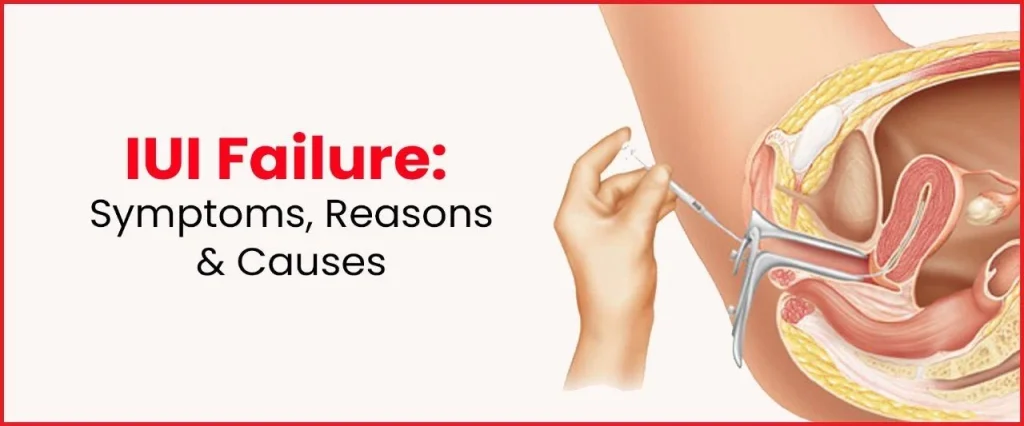
    illustration of IUI procedure with text on symptoms, reasons, and causes of IUI failure

    The Benefits of Fertility Massage for Women with Polycystic Ovary Syndrome (PCOS)

    3. Improves ovarian function
    PCOS can lead to the formation of cysts on the ovaries, which can affect ovarian function and ovulation. Fertility massage can help break up these cysts and improve blood flow to the ovaries, promoting better ovarian function. This can increase the chances of ovulation and improve fertility in women with PCOS.

    4. Balances hormones
    Hormonal imbalances are a hallmark of PCOS, and they can have a significant impact on fertility. Fertility massage can help balance hormones by stimulating the endocrine system and promoting the release of hormones that regulate the menstrual cycle and ovulation. This can help restore hormonal balance in women with PCOS and improve their chances of conceiving.

    5. Promotes relaxation and self-care
    Trying to conceive can be a stressful and overwhelming experience, especially for women with PCOS. Fertility massage provides a safe and nurturing space for women to relax and focus on their reproductive health. It also encourages self-care, which is essential for managing PCOS symptoms and promoting overall well-being.

    In conclusion, fertility massage can be a beneficial treatment for women with PCOS who are trying to conceive. It can help regulate menstrual cycles, reduce stress and anxiety, improve ovarian function, balance hormones, and promote relaxation and self-care. However, it is crucial to note that fertility massage should not be used as a standalone treatment for PCOS. It should be incorporated as part of a holistic approach to managing the condition, along with proper nutrition, exercise, and other recommended treatments.

    In summary, fertility massage is a specialized form of massage therapy that focuses on the reproductive organs and surrounding areas. It can help women with PCOS in various ways, such as regulating menstrual cycles, reducing stress and anxiety, improving ovarian function, balancing hormones, and promoting relaxation and self-care. However, it should be used as part of a holistic approach to managing PCOS and improving fertility.

  • Fertility Massage for Men: How It Can Improve Sperm Quality and Count

    Summary:

    Fertility massage for men is a holistic and natural approach to improving sperm quality and count. This therapeutic technique has been used for centuries to help men enhance their fertility and increase their chances of conception. Fertility massage focuses on the reproductive organs and other key areas of the body to promote hormonal balance, improve blood circulation, and reduce stress and tension. In this blog post, we will explore the benefits of fertility massage for men, how it works, and some tips for incorporating it into your fertility journey.

    Firstly, let us understand the importance of sperm quality and count in the fertility process. Sperm health plays a crucial role in fertility, as it determines the ability of sperm to fertilize an egg and the overall success of pregnancy. Factors such as age, diet, and lifestyle can impact sperm health, leading to low sperm count and poor quality. This is where fertility massage can help.

    Fertility massage works by stimulating the reproductive organs and improving blood flow to the pelvic area. It also helps to release tension and increase the production of hormones that are essential for sperm production. Fertility massage also aids in the removal of toxins and waste products, which can interfere with sperm health. By promoting relaxation and reducing stress, fertility massage can also improve the overall well-being of men, which is crucial for optimal sperm health.

    illustration explaining the steps of intrauterine insemination (IUI) process on a bright yellow background

    Fertility Massage for Men: How It Can Improve Sperm Quality and Count

    One of the main benefits of fertility massage for men is its ability to increase sperm count. Studies have shown that regular fertility massage can significantly improve sperm count and motility. This is because the massage techniques target the testicles and prostate, which are responsible for sperm production and ejaculation. By increasing blood flow and stimulation to these areas, fertility massage can help to produce healthier and more abundant sperm.

    In addition to increasing sperm count, fertility massage can also improve sperm quality. The massage techniques help to break up any blockages or adhesions in the reproductive organs, allowing for better sperm movement and function. Fertility massage also helps to balance hormones, which is crucial for optimal sperm production and quality. By improving the overall health of the reproductive organs, fertility massage can lead to healthier, stronger, and more viable sperm.

    Aside from the physical benefits, fertility massage can also have a positive impact on emotional well-being. Infertility can be a stressful and emotional journey for couples, and fertility massage can provide a much-needed sense of relaxation and relief. By releasing tension and promoting relaxation, fertility massage can help couples to cope with the emotional toll of trying to conceive. This can also have a positive impact on the overall success of conception, as stress and anxiety can affect sperm health and fertility.

    So, how can you incorporate fertility massage into your fertility journey? It is important to consult with a certified fertility massage therapist who has experience in working with male clients. They will be able to assess your specific needs and create a personalized treatment plan. Fertility massage sessions can range from 30 minutes to an hour, and it is recommended to have regular sessions for optimal results. Additionally, it is essential to maintain a healthy diet and lifestyle to support the benefits of fertility massage on sperm health.

    In conclusion, fertility massage for men is a safe, natural, and effective way to improve sperm quality and count. It works by targeting the reproductive organs and promoting relaxation and hormone balance. Fertility massage can increase sperm count, improve sperm quality, and support emotional well-being, making it a valuable tool in the fertility journey. With regular sessions and a healthy lifestyle, fertility massage can help men increase their chances of conception and achieve their dream of starting a family.

  • Fertility Massage and Acupuncture: A Dynamic Duo for Conception

    Fertility issues can be a major source of stress and heartache for many couples who are trying to conceive. With modern medicine offering various treatments and procedures, it can be overwhelming to decide which path to take. However, there are natural and holistic approaches that have been gaining popularity in recent years, particularly when used together – fertility massage and acupuncture. These two practices, when combined, create a powerful and effective method for increasing fertility and aiding in conception.

    Fertility massage is a specialized massage technique that focuses on the abdomen, pelvic, and sacral areas. It is designed to increase blood flow and circulation to the reproductive organs, as well as to help break up any adhesions or blockages that may be hindering fertility. This type of massage also works to balance the hormones and relax the body, which is essential for conception. The massage is gentle and non-invasive, making it a safe option for couples who are trying to conceive.

    On the other hand, acupuncture is an ancient Chinese medicine practice that involves the insertion of thin needles into specific points on the body to stimulate the flow of energy or “qi.” It is believed that by clearing any blockages or imbalances in the body’s energy, acupuncture can help improve overall health and well-being. In terms of fertility, acupuncture has been shown to regulate the menstrual cycle, improve egg quality, and increase blood flow to the reproductive organs.

    When used together, fertility massage and acupuncture create a powerful duo that can significantly increase the chances of conception. Here’s how:

    1. Improves Blood Flow and Circulation:

    The abdomen, pelvic, and sacral areas are crucial for reproductive health and fertility. However, due to various factors such as stress, lack of exercise, and sedentary lifestyles, blood flow and circulation to these areas can be restricted. This can lead to a build-up of toxins and stagnant energy, which can affect fertility. Fertility massage and acupuncture work to increase blood flow and circulation to these areas, helping to remove any blockages and bring fresh, oxygenated blood to the reproductive organs.

    2. Balances Hormones:

    Hormonal imbalances can be a significant factor in fertility issues, and both fertility massage and acupuncture can help address this. Fertility massage focuses on the endocrine system, which is responsible for producing hormones that regulate the reproductive cycle. By stimulating the endocrine glands, fertility massage can help balance hormones and improve fertility. Acupuncture, on the other hand, works on the body’s energy flow, which can also help regulate hormones and promote overall balance and well-being.

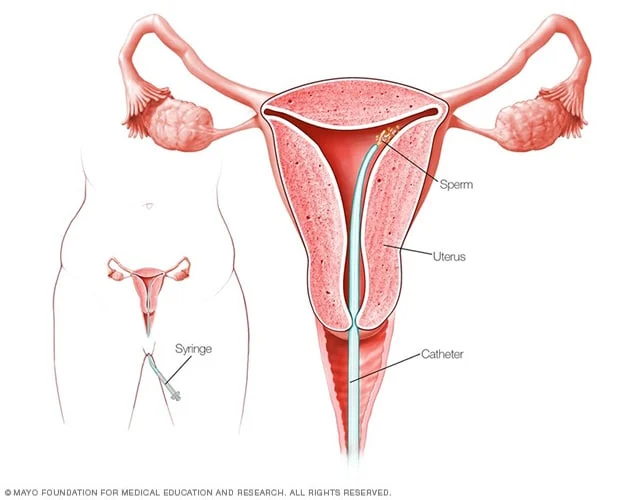
    diagram illustrating intrauterine insemination (IUI) procedure with uterus, sperm, and catheter labeled

    Fertility Massage and Acupuncture: A Dynamic Duo for Conception

    3. Reduces Stress and Promotes Relaxation:

    Stress is one of the most common factors that can affect fertility. The body’s stress response can interfere with hormone production and disrupt the menstrual cycle, leading to fertility issues. Fertility massage and acupuncture both work to reduce stress and promote relaxation, which is crucial for conception. Massage helps to release tension and promote feelings of calm, while acupuncture can stimulate the body’s natural relaxation response.

    4. Aids in Egg Quality and Ovulation:

    For conception to occur, a healthy egg must be released during ovulation. Fertility massage and acupuncture can both help with this process. Massage can help improve the quality of the eggs by increasing blood flow and providing essential nutrients to the reproductive organs. Acupuncture, on the other hand, can help regulate the menstrual cycle and promote regular ovulation.

    5. Supports Male Fertility:

    Fertility issues are often thought of as being solely a female problem, but men can also experience fertility problems. Fertility massage and acupuncture can also benefit male fertility by increasing blood flow to the testicles and improving sperm quality.

    In addition to these benefits, fertility massage and acupuncture also provide a safe and natural alternative to more invasive fertility treatments. They can be used as a stand-alone treatment or in conjunction with other fertility treatments, such as IVF, to increase success rates.

    In conclusion, fertility massage and acupuncture are a dynamic duo that can significantly increase the chances of conception for couples struggling with fertility issues. By improving blood flow and circulation, balancing hormones, reducing stress, and supporting overall reproductive health, these natural and holistic practices provide a gentle and effective approach to aiding in conception.

  • Natural Remedies for Male and Female Factor Infertility: Separating Fact from Fiction

    Natural Remedies for Male and Female Factor Infertility: Separating Fact from Fiction

    Infertility is a condition that affects millions of couples worldwide. According to the World Health Organization, one in every four couples in developing countries experiences infertility problems. In the United States alone, around 10% to 15% of couples struggle with infertility. While there are various causes of infertility, male and female factor infertility are the most common.

    Male factor infertility refers to infertility problems caused by issues with the male reproductive system, such as low sperm count, abnormal sperm shape, or difficulty with ejaculation. On the other hand, female factor infertility is caused by problems with the female reproductive system, including hormonal imbalances, ovulation disorders, and blocked fallopian tubes.

    The struggle to conceive can be emotionally and financially draining for couples, leading them to search for alternative treatments such as natural remedies. However, with so much information available on the internet, it can be challenging to separate fact from fiction when it comes to natural remedies for male and female factor infertility. In this blog post, we will examine some of the most popular natural remedies for infertility and determine their effectiveness based on scientific evidence.

    1. Acupuncture

    Acupuncture is a traditional Chinese medicine practice that involves inserting thin needles into specific points on the body to improve energy flow. It is believed that acupuncture can help treat infertility by increasing blood flow to the reproductive organs and balancing hormones.

    Studies have shown mixed results when it comes to acupuncture and infertility. Some studies have found a positive association between acupuncture and improved fertility, while others have found no significant difference compared to a placebo treatment. However, acupuncture is generally considered safe and may be worth trying as a complementary therapy for infertility.

    2. Herbal Supplements

    Herbal supplements have been used for centuries to treat various health conditions, including infertility. Some of the most commonly used herbs for infertility include chasteberry, maca root, and ginseng. These herbs are believed to help regulate hormones and improve reproductive health.

    While there is some evidence that these herbs may have positive effects on fertility, more research is needed to determine their effectiveness. It is also important to note that herbal supplements can interact with prescription medications, so it is crucial to consult with a healthcare professional before taking them.

    3. Yoga

    Yoga is a mind-body practice that combines physical postures, breathing techniques, and meditation. It has been shown to have numerous health benefits, including reducing stress, improving flexibility and strength, and promoting overall well-being. Some studies have also suggested that yoga may improve fertility by reducing stress and balancing hormones.

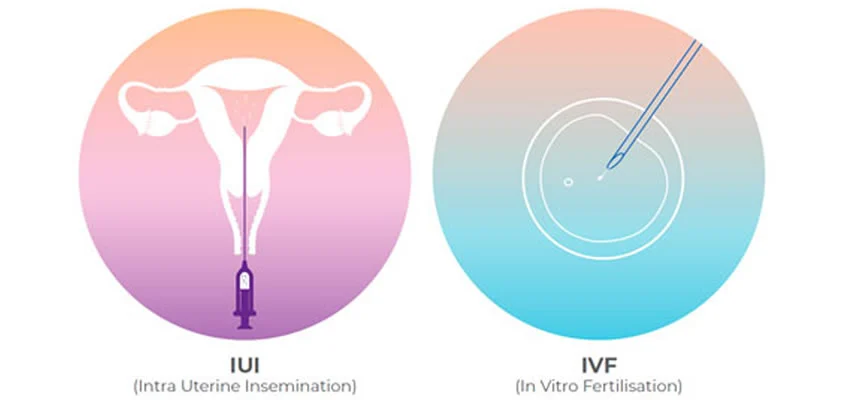
    comparison of IUI and IVF procedures illustrated with simple graphics and labels

    Natural Remedies for Male and Female Factor Infertility: Separating Fact from Fiction

    However, the evidence on the effectiveness of yoga for infertility is limited, and more research is needed. Nevertheless, incorporating yoga into your daily routine can have a positive impact on your physical and mental health, which may indirectly improve your chances of conceiving.

    4. Nutrition and Diet

    The foods we eat can have a significant impact on our overall health, including our reproductive health. Some studies have shown that a diet rich in antioxidants, healthy fats, and plant-based proteins may improve fertility. Antioxidants, in particular, have been found to improve sperm quality and protect eggs from damage.

    It is essential to maintain a healthy and balanced diet to support overall reproductive health. However, there is no specific diet that has been proven to be effective in treating infertility. Consult with a registered dietitian to develop a personalized nutrition plan that can help improve your fertility.

    5. Stress Management

    Stress is a common factor in infertility, and it can affect both male and female fertility. High levels of stress can disrupt hormone levels, affect sperm production, and disrupt the menstrual cycle. Therefore, finding ways to manage stress can have a positive impact on fertility.

    Some effective stress management techniques include meditation, deep breathing, and exercise. It is also crucial to seek support from your partner, friends, or a therapist to help cope with the emotional toll of infertility.

    Separating Fact from Fiction

    While some natural remedies may have a positive impact on fertility, it is crucial to understand that they are not a miracle cure and may not work for everyone. It is essential to discuss any natural remedies with your healthcare provider before trying them, as some may interfere with fertility treatments or have potential side effects.

    It is also essential to keep in mind that natural remedies should not be used as a replacement for medical treatment. If you are struggling with infertility, it is crucial to seek guidance from a fertility specialist who can provide evidence-based treatments tailored to your specific needs.

    In conclusion, infertility is a complex issue, and there is no one-size-fits-all solution. While natural remedies may have some benefits, it is essential to approach them with caution and consult with a healthcare professional. Remember to take care of your overall health, both physically and mentally, and seek professional help if you are struggling to conceive.

    Summary:

    Infertility is a common condition that affects many couples worldwide, and male and female factor infertility are the most common causes. While there are various natural remedies for infertility, it is crucial to separate fact from fiction and consult with a healthcare professional before trying them. Some of the most popular natural remedies for infertility include acupuncture, herbal supplements, yoga, nutrition and diet, and stress management techniques. However, more research is needed to determine their effectiveness, and they should not be used as a replacement for medical treatment.