The topic of fertility and infertility is one that is surrounded by a lot of questions, opinions, and debates. One of the ongoing debates in the medical world is whether fertility medications or supplements are more effective in treating infertility. While both options have their own benefits and risks, it is important to understand the differences and potential outcomes of each before making a decision.
In this blog post, we will dive into the debate between fertility medications and supplements, discussing their effectiveness, potential side effects, and other important factors to consider.
Fertility Medications
Fertility medications, also known as assisted reproductive technology (ART), are often the first line of treatment for couples struggling with fertility issues. These medications work by stimulating the ovaries to produce more eggs, increasing the chances of pregnancy.
Some of the most commonly used fertility medications include Clomiphene citrate, Gonadotropins, and Metformin. These medications can be administered orally, through injections, or a combination of both.
The effectiveness of fertility medications largely depends on the underlying cause of infertility. For example, Clomiphene citrate is effective in treating women with ovulation problems, while Gonadotropins are used for women with polycystic ovary syndrome (PCOS) or unexplained infertility. However, these medications do not work for everyone and may not be suitable for certain underlying conditions.
One of the major concerns with fertility medications is the risk of multiple pregnancies. Since these medications stimulate the ovaries to produce more eggs, there is a higher chance of conceiving twins, triplets, or even more. While some couples may see this as a blessing, multiple pregnancies carry a higher risk of complications for both the mother and babies.
Another potential side effect of fertility medications is the risk of ovarian hyperstimulation syndrome (OHSS). This condition occurs when the ovaries become too stimulated, causing them to swell and become painful. OHSS is more likely to occur when using Gonadotropins and can lead to serious complications such as fluid buildup in the abdomen, blood clots, and kidney failure.
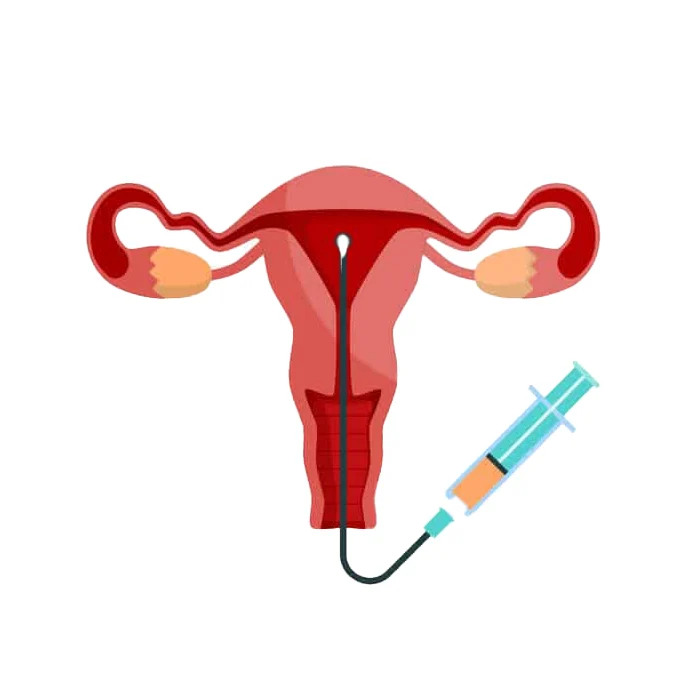
The Debate Continues: Fertility Medications vs Supplements for Treating Infertility
Supplements
On the other hand, supplements are a more natural and holistic approach to treating infertility. These are usually a combination of vitamins, minerals, and herbs that aim to improve overall reproductive health and increase fertility.
Some of the most commonly used supplements for treating infertility include Coenzyme Q10, Vitamin D, and Omega-3 fatty acids. These supplements work by improving egg quality, regulating hormone levels, and reducing inflammation in the reproductive organs.
The effectiveness of supplements in treating infertility is not as well-studied as fertility medications. However, there is some evidence to suggest that certain supplements can improve fertility in both men and women. For example, a study found that Coenzyme Q10 improved egg quality and pregnancy rates in women undergoing IVF treatment.
One of the major benefits of supplements is that they have fewer side effects compared to fertility medications. Since they are made from natural ingredients, the risk of adverse reactions is minimal. However, it is important to note that some supplements may interact with other medications, so it is always recommended to consult with a healthcare provider before starting any new supplement regimen.
The Debate Continues
Both fertility medications and supplements have their own pros and cons, making it difficult to determine which one is better for treating infertility. Some factors that may influence the decision between the two include the underlying cause of infertility, personal preferences, and the advice of a healthcare provider.
It is also worth mentioning that fertility medications and supplements are not mutually exclusive. In some cases, a combination of both may be recommended for better results. For example, a woman with PCOS may be prescribed Gonadotropins along with supplements like Inositol to help regulate hormone levels.
In the end, the debate between fertility medications and supplements will continue as there is no one-size-fits-all solution for treating infertility. It is important for couples to educate themselves on the options available and work closely with their healthcare provider to find the best treatment plan for their individual needs.
Summary:
The debate between fertility medications and supplements for treating infertility continues to divide opinions in the medical world. While fertility medications are often the first line of treatment, they come with potential risks such as multiple pregnancies and ovarian hyperstimulation syndrome. On the other hand, supplements offer a more natural approach with fewer side effects, but their effectiveness is still being studied. Ultimately, the decision between the two depends on factors such as the underlying cause of infertility and personal preferences, and in some cases, a combination of both may be recommended.