Blog post:
Fertility issues can be a major obstacle for couples trying to conceive. Fortunately, there are a variety of options available to help improve fertility and increase the chances of getting pregnant. Two common methods are fertility medications and supplements. While both aim to support reproductive health, they differ in their approach and effectiveness. In this blog post, we will explore the differences between fertility medications and supplements and help you determine which one is the right choice for you.
Fertility Medications:
Fertility medications, also known as fertility drugs, are prescribed by doctors to help stimulate ovulation in women or improve sperm production in men. These medications work by altering hormone levels and regulating the reproductive cycle. The most commonly used fertility drugs for women include clomiphene citrate, letrozole, and gonadotropins, while men are often prescribed clomiphene citrate or human chorionic gonadotropin (hCG).
One of the main advantages of fertility medications is their high success rate. When used correctly and under the supervision of a doctor, fertility drugs can significantly increase the chances of getting pregnant. However, it is important to note that these medications can also come with some potential side effects, such as headaches, mood swings, and hot flashes. Additionally, fertility medications can be quite expensive, as they often require multiple cycles of treatment.
Supplements:
On the other hand, supplements are a more natural approach to improving fertility. These are typically vitamins, minerals, and herbal extracts that aim to support reproductive health by providing necessary nutrients and antioxidants. Some of the most commonly used supplements for fertility include folic acid, vitamin D, and CoQ10.
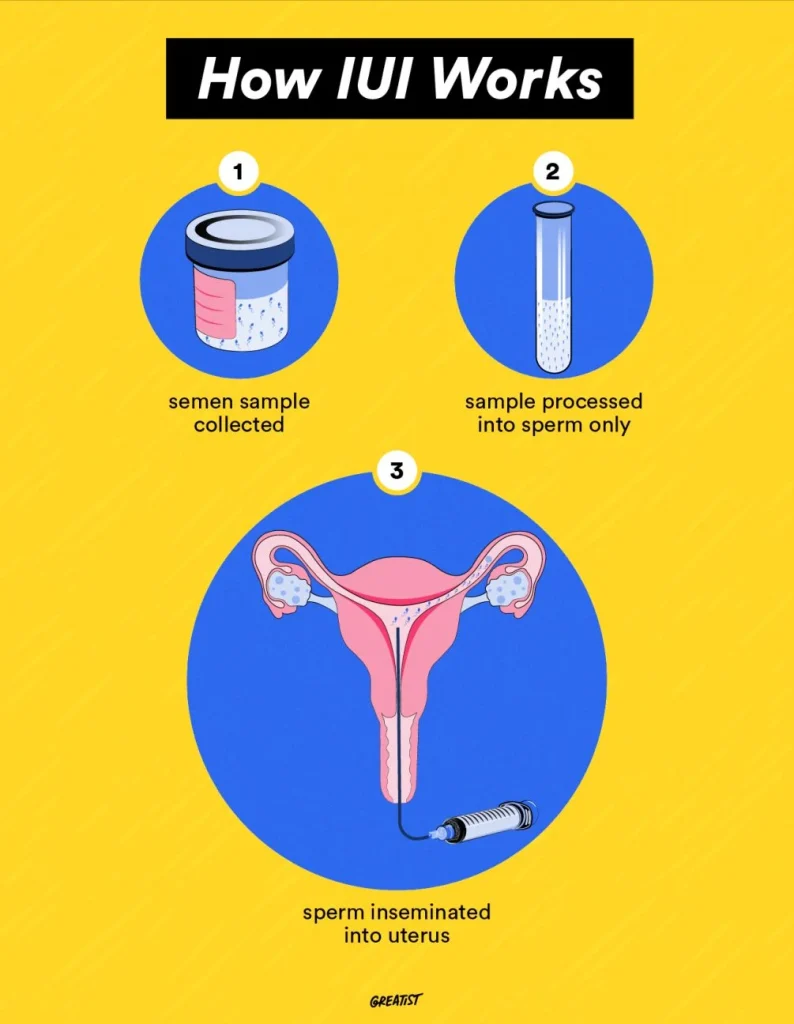
Fertility Medications vs Supplements: Which is the Right Choice for You?
Unlike fertility medications, supplements do not require a prescription and can be easily purchased over-the-counter. They also tend to be more affordable, making them a more accessible option for couples struggling with fertility issues. Additionally, supplements usually have fewer side effects compared to medications. However, it is important to note that supplements may take longer to show results and may not be as effective for severe cases of infertility.
Which is the Right Choice for You?
When it comes to choosing between fertility medications and supplements, there is no one-size-fits-all answer. The best option depends on individual factors, such as the cause of infertility, medical history, and personal preferences.
Fertility medications are usually recommended for cases of ovulation disorders or hormonal imbalances, while supplements may be more beneficial for couples with unexplained infertility or those looking for a more natural approach. It is always important to consult with a doctor before starting any fertility treatment, as they can provide personalized recommendations based on your specific situation.
In some cases, a combination of both fertility medications and supplements may be the best approach. For example, supplements can be used to support the body during fertility medication treatments and help reduce side effects. It is crucial to discuss this option with your doctor to ensure safe and effective use of both methods.
In conclusion, fertility medications and supplements each have their own advantages and limitations. While medications may offer a higher success rate, they can also come with potential side effects and higher costs. Supplements may be a more accessible and natural option, but may take longer to show results. Ultimately, the best choice for you will depend on your individual needs and preferences. It is always important to consult with a doctor and carefully weigh the pros and cons before deciding on a fertility treatment plan.
Summary:
Fertility medications and supplements are two common methods used to improve fertility and increase the chances of getting pregnant. While medications work by altering hormone levels and regulating the reproductive cycle, supplements provide necessary nutrients and antioxidants to support reproductive health. The best option for each individual will depend on factors such as the cause of infertility, medical history, and personal preferences. It is important to consult with a doctor before starting any fertility treatment and carefully consider the pros and cons of each option.