Tag: Male Factor Infertility

  • The Cost of Infertility: Why Fertility Testing is Important for Both Men and Women

    Summary:

    Infertility affects millions of couples around the world, causing emotional, physical and financial strain. While it is often assumed that fertility issues lie solely with women, the truth is that both men and women can experience fertility problems. Fertility testing is an important step for couples struggling to conceive as it can provide valuable information about potential causes and help guide treatment options. In this blog post, we will delve into the cost of infertility, the importance of fertility testing for both men and women, and the potential benefits it can offer.

    The Cost of Infertility:

    Infertility treatments can be expensive, and the cost can vary depending on the type of treatment and the location. In the United States, the average cost of in vitro fertilization (IVF) can range from $12,000 to $15,000 per cycle, with multiple cycles often required for success. This can put a significant financial strain on couples who may already be dealing with the emotional burden of infertility. In addition, many insurance plans do not cover fertility treatments, making it an out-of-pocket expense for many couples.

    The Importance of Fertility Testing:

    Fertility testing is the first step in determining the cause of infertility. It involves a series of tests for both men and women to assess their reproductive health. For women, this may include blood tests to check hormone levels, ultrasound scans to examine the ovaries and uterus, and a hysterosalpingogram (HSG) to check for any blockages in the fallopian tubes. For men, the most common test is a semen analysis to evaluate sperm count, motility, and morphology.

    By undergoing fertility testing, couples can gain a better understanding of any underlying issues that may be preventing them from conceiving. This information can then guide treatment options and increase the chances of a successful pregnancy. For example, if a woman has low ovarian reserve, she may be advised to pursue IVF rather than trying other methods that may not be as effective.

    Potential Benefits of Fertility Testing:
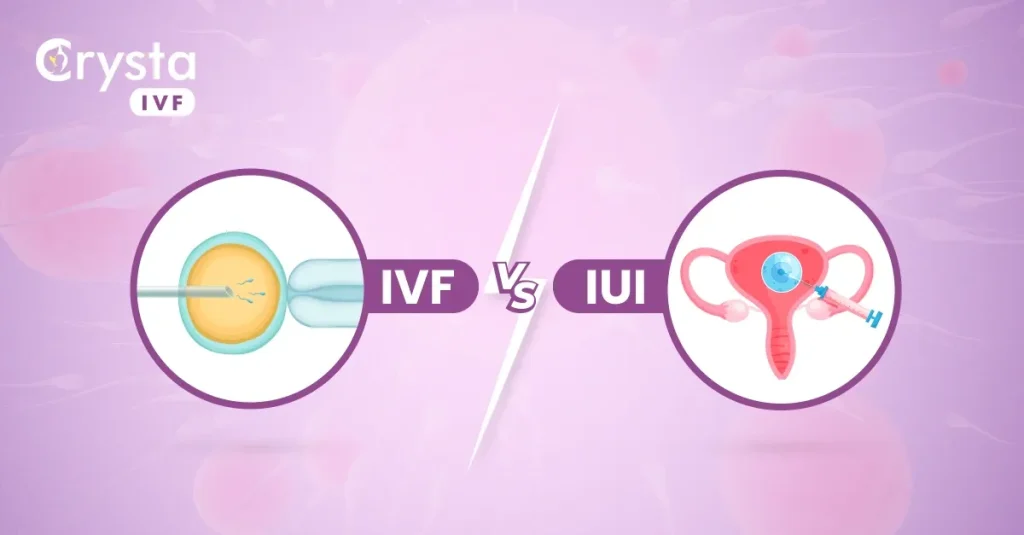
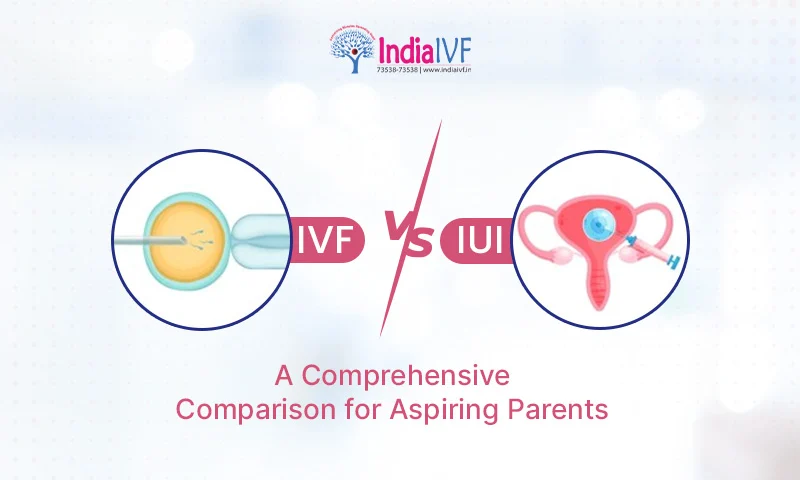
    Comparison of IVF and IUI procedures with illustrations of each method.

    The Cost of Infertility: Why Fertility Testing is Important for Both Men and Women

    Aside from providing valuable information for treatment, fertility testing can also offer other benefits for couples, including peace of mind. Many couples may feel anxious and uncertain about the cause of their infertility, and fertility testing can help provide clarity and a sense of control over the situation. It can also help identify any potential health issues that may need to be addressed, such as endometriosis or a hormonal imbalance.

    In addition, fertility testing can also help prevent unnecessary treatments. Without proper testing, couples may pursue treatments that are not suitable for their specific situation, leading to disappointment and wasted time and money. With fertility testing, couples can ensure that they are pursuing the most effective and appropriate treatment for their individual needs.

    Fertility Testing for Men:

    While women often bear the brunt of fertility testing and treatment, it is essential to remember that men also play a crucial role in conception. Male factor infertility accounts for around 40% of fertility issues, and yet many men do not undergo fertility testing. This can be due to a lack of awareness or stigma surrounding male fertility, but it is crucial for both partners to be tested to get a complete picture of their reproductive health.

    Fertility Testing for Women:

    Women also face unique challenges when it comes to fertility testing. One of the main obstacles is the aging of the ovaries and the decline in fertility that comes with it. As women age, their ovarian reserve decreases, making it more difficult to conceive. Therefore, it is important for women to undergo fertility testing earlier rather than later to identify any potential issues and explore treatment options.

    In addition, women may also face societal pressures and expectations when it comes to fertility. This can lead to feelings of shame or failure if they are unable to conceive. However, fertility testing can help remove the stigma surrounding infertility and provide reassurance that it is a medical condition that can be addressed.

    In conclusion, the cost of infertility can be high, both financially and emotionally. Fertility testing is an essential step for couples struggling to conceive, as it can provide valuable information, guide treatment options, and offer peace of mind. Both men and women should undergo fertility testing to get a complete picture of their reproductive health and increase their chances of a successful pregnancy. By breaking the silence and stigma surrounding infertility, we can help couples on their journey towards parenthood.
  • Understanding the Process: Intrauterine Insemination vs Donor Insemination

    Understanding the Process: Intrauterine Insemination vs Donor Insemination

    In today’s world, fertility treatments have become more accessible and advanced, providing hope for couples struggling to conceive. Two common options for assisted reproduction are intrauterine insemination (IUI) and donor insemination (DI). While both methods involve placing sperm into the female reproductive system, they have significant differences in terms of process, success rates, and costs. In this blog post, we will discuss the nuances of IUI and DI to help you understand which option may be best for you.

    Intrauterine Insemination (IUI):

    IUI, also known as artificial insemination, is a fertility treatment that involves placing washed and concentrated sperm directly into the uterus. This procedure is typically done around the time of ovulation to increase the chances of fertilization. Before the IUI, the semen sample is carefully prepared in a laboratory to remove the seminal fluid and concentrate the sperm, making it easier for them to reach the egg. The procedure itself is relatively simple and painless, and it usually takes only a few minutes to complete.

    IUI is usually recommended for couples with male factor infertility, including low sperm count or motility, or for those with unexplained infertility. It is also a viable option for same-sex couples and single women who want to conceive. Compared to other fertility treatments, IUI is less invasive and less expensive, making it a popular choice for many couples.

    Donor Insemination (DI):

    DI, on the other hand, involves using donated sperm from a sperm bank or a known donor to inseminate the female partner. This method is commonly used by same-sex female couples and single women, as well as heterosexual couples with male infertility issues. The process of DI is similar to IUI, where the sperm is washed and prepared in a laboratory before being inserted into the uterus.

    One of the significant differences between IUI and DI is the source of the sperm. With IUI, the sperm is usually from the male partner, while DI involves using donor sperm. Donor sperm is carefully screened and tested for any genetic or infectious diseases to ensure the safety of the recipient and potential child. This screening process can also be tailored to the recipient’s preferences, such as physical characteristics and education level of the donor.

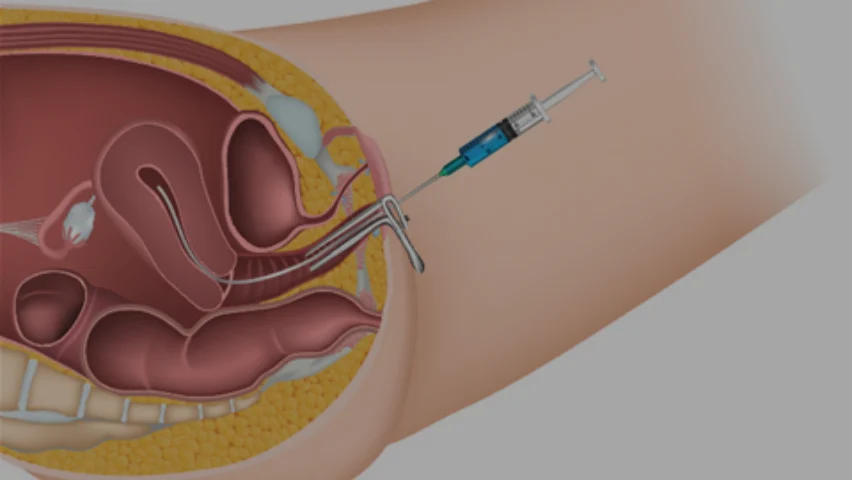
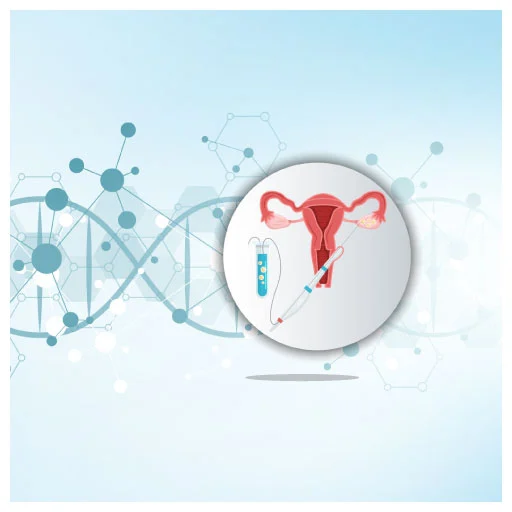
    Illustration of IUI procedure with uterus and syringe against a DNA background.

    Understanding the Process: Intrauterine Insemination vs Donor Insemination

    Success Rates:

    When it comes to success rates, IUI and DI have slightly different outcomes. The success of IUI depends on various factors, including the age and health of the woman, the quality of the sperm, and the timing of the procedure. On average, the success rates for IUI range from 10-20% per cycle, and it may take several cycles to achieve a pregnancy.

    On the other hand, DI has a higher success rate, with a 20-30% chance of pregnancy per cycle. This is because the sperm used in DI has been carefully screened and selected, making it more viable for fertilization. However, the success rates for both IUI and DI may vary depending on individual circumstances.

    Costs:

    Cost is another significant factor to consider when choosing between IUI and DI. IUI is generally less expensive than DI, as it involves using the male partner’s sperm. However, the cost may increase if medications or additional procedures are needed to stimulate ovulation. DI, on the other hand, can be more expensive due to the cost of donor sperm and the screening process. It is essential to discuss the costs with your healthcare provider and insurance coverage to determine which option is more feasible for your situation.

    Conclusion:

    In conclusion, both IUI and DI are viable options for couples and individuals struggling with infertility. IUI is a less invasive and less expensive option, but it may have lower success rates and is mainly used for male factor infertility. DI, on the other hand, has higher success rates and is commonly used by same-sex couples and single women, but it can be more expensive. It is crucial to consult with a fertility specialist to determine which option is best for you based on your specific situation.

    In summary, IUI and DI are two commonly used fertility treatments that involve placing sperm into the female reproductive system. While IUI uses the male partner’s sperm, DI involves using donor sperm. Both methods have different success rates and costs, and the choice between the two depends on individual circumstances. Consulting with a fertility specialist can help determine the best option for you.

  • Intrauterine Insemination vs Low-Tech IVF: The Role of Male Fertility

    Intrauterine Insemination vs Low-Tech IVF: The Role of Male Fertility

    When it comes to treating infertility, there are various options available for couples to consider. Two common methods are Intrauterine Insemination (IUI) and Low-Tech In Vitro Fertilization (IVF). Both of these procedures involve introducing sperm into the female reproductive tract in hopes of achieving pregnancy. However, there are significant differences in the techniques and success rates of these procedures, especially when it comes to the role of male fertility. In this blog post, we will explore the differences between IUI and Low-Tech IVF and the impact of male fertility on these procedures.

    Intrauterine Insemination (IUI) is a relatively simple and non-invasive procedure that involves placing washed and concentrated sperm directly into the uterus around the time of ovulation. This method is often used for couples who have unexplained infertility, mild male factor infertility, or issues with cervical mucus. The goal of IUI is to increase the chances of sperm reaching and fertilizing the egg by bypassing any potential barriers in the reproductive tract.

    On the other hand, Low-Tech IVF involves a more complex process of stimulating the ovaries to produce multiple eggs, retrieving the eggs, and fertilizing them with sperm in a laboratory setting. The embryos are then transferred back into the uterus for potential implantation. This method is typically recommended for couples who have more severe infertility issues, such as blocked fallopian tubes or advanced maternal age. Unlike IUI, Low-Tech IVF requires more monitoring and medical intervention, making it a more invasive and expensive option.

    Comparison of IVF and IUI procedures with illustrations of each method.

    Intrauterine Insemination vs Low-Tech IVF: The Role of Male Fertility

    One of the main differences between IUI and Low-Tech IVF is the role of male fertility. In IUI, the success of the procedure heavily relies on the quality and quantity of the male partner’s sperm. If the sperm is not viable, the chances of pregnancy are significantly reduced. Therefore, a thorough evaluation of the male partner’s fertility is crucial before undergoing IUI. This may include a semen analysis to assess sperm count, motility, and morphology.

    In contrast, Low-Tech IVF is a more effective option for couples with male factor infertility. Since the eggs and sperm are intentionally brought together in a controlled laboratory environment, the quality and quantity of the sperm have less of an impact on the success of the procedure. This is because the sperm is selected and directly injected into the egg, increasing the chances of fertilization. However, this does not mean that male fertility is not a factor in Low-Tech IVF. A semen analysis is still recommended to ensure the best possible outcome.

    Another important factor to consider is the success rates of these procedures. According to the American Society for Reproductive Medicine, the success rate for IUI is around 10-15% per cycle, while Low-Tech IVF has a success rate of 25-30% per cycle. These success rates can vary depending on individual factors such as age, overall health, and fertility issues. However, it is clear that Low-Tech IVF has a higher success rate compared to IUI, making it a preferred option for couples with more severe infertility issues.

    In addition to the role of male fertility, there are other factors to consider when deciding between IUI and Low-Tech IVF. These include the cost, invasiveness, and emotional toll of the procedures. IUI is a less expensive and less invasive option compared to Low-Tech IVF, which may require multiple rounds of treatment and more medical intervention. Additionally, going through fertility treatments can be emotionally taxing for couples, and it is important to choose the option that feels right for both partners.

    In conclusion, both Intrauterine Insemination (IUI) and Low-Tech In Vitro Fertilization (IVF) are viable options for couples struggling with infertility. However, the role of male fertility differs in these procedures, with IUI relying heavily on the quality and quantity of sperm and Low-Tech IVF being a more effective option for couples with male factor infertility. It is important for couples to consult with a fertility specialist and consider all factors before deciding on the best treatment option for their unique situation.

  • The Role of Sperm Analysis and Semen Analysis in Infertility Diagnosis

    Blog Post:

    Infertility is a common problem that affects millions of couples around the world. According to the World Health Organization, one in every four couples experiences difficulty in conceiving a child. When a couple is unable to conceive after trying for a year or more, it is considered a sign of infertility. There are many factors that can contribute to infertility, and one of the main causes is male factor infertility. In fact, male factor infertility is responsible for 40-50% of cases of infertility.

    When a couple is struggling with infertility, it is important to identify the cause in order to find the appropriate treatment. This is where sperm analysis and semen analysis play a crucial role. These tests provide valuable information about the quality and quantity of sperm, which can help diagnose male factor infertility and guide treatment options.

    What is Sperm Analysis and Semen Analysis?

    Sperm analysis, also known as a sperm count or semen analysis, is a test that evaluates the health and quality of a man’s sperm. It is a routine test used to assess male fertility and is usually one of the first tests conducted when a couple is facing infertility. On the other hand, semen analysis is a broader term that includes not only the sperm but also the seminal fluid. It examines the volume, pH, viscosity, and other characteristics of semen in addition to the sperm.

    The Role of Sperm Analysis and Semen Analysis in Infertility Diagnosis

    Sperm analysis and semen analysis play a crucial role in diagnosing male factor infertility. These tests provide important information about the quantity, quality, and function of sperm, which are essential for fertilization. Here are some of the ways in which these tests are used in the diagnosis of male factor infertility:

    1. Evaluating Sperm Count and Concentration

    The sperm count refers to the number of sperm present in one milliliter of semen. A low sperm count, also known as oligospermia, is a common cause of male infertility. Sperm analysis helps determine the sperm count and concentration, which can indicate the severity of the problem. A normal sperm count is considered to be 15 million sperm per milliliter or higher. Anything lower than that may indicate a problem with sperm production or delivery.

    Comparison of IUI and IVF, illustrating procedures and definitions for each fertility treatment.

    The Role of Sperm Analysis and Semen Analysis in Infertility Diagnosis

    2. Assessing Sperm Motility

    Sperm motility refers to the ability of sperm to move and swim towards the egg for fertilization. It is an essential factor in fertility, as sperm need to be able to reach the egg in order to fertilize it. Sperm analysis measures the percentage of sperm that are moving and their movement patterns. A low sperm motility, also known as asthenospermia, can be a sign of male infertility.

    3. Examining Sperm Morphology

    Sperm morphology refers to the size, shape, and appearance of sperm. Abnormal sperm morphology, also known as teratospermia, can be a sign of male infertility. Sperm analysis evaluates the percentage of sperm with normal morphology, as well as any structural abnormalities that may affect their ability to fertilize an egg.

    4. Detecting Infections and Other Abnormalities

    Sperm analysis and semen analysis can also detect infections and other abnormalities that may contribute to male infertility. These tests can identify the presence of sexually transmitted infections, such as chlamydia and gonorrhea, which can affect sperm quality. They can also detect the presence of white blood cells in the semen, which may indicate an infection or inflammation in the reproductive organs.

    5. Guiding Treatment Options

    Once a problem with sperm quality or quantity has been identified through sperm analysis and semen analysis, it can help guide the appropriate treatment options. Depending on the results, a doctor may recommend lifestyle changes, medication, or assisted reproductive techniques, such as intrauterine insemination (IUI) or in vitro fertilization (IVF).

    In summary, sperm analysis and semen analysis are essential tests in the diagnosis of male factor infertility. They provide valuable information about the quantity, quality, and function of sperm, which can help identify the cause of infertility and guide treatment options. If you and your partner are struggling with infertility, it is important to consult a doctor and undergo these tests to determine the best course of action.

  • The Hope of Success: Success Rates for Male and Female Factor Infertility Treatments

    The Hope of Success: Success Rates for Male and Female Factor Infertility Treatments

    Infertility is a common issue faced by many couples around the world. While there are various factors that can contribute to infertility, male and female factors are the most prevalent. Male factor infertility refers to issues with the male reproductive system that make it difficult for a couple to conceive, while female factor infertility refers to problems with the female reproductive system. With advances in medical technology, there are now various treatments available for both male and female factor infertility. However, couples facing these challenges often wonder about the success rates of these treatments. In this blog post, we will explore the hope of success for male and female factor infertility treatments.

    Male Factor Infertility Treatments

    Male factor infertility accounts for approximately 40% of all infertility cases. The most common cause of male infertility is a low sperm count, which can be caused by a variety of factors such as hormonal imbalances, genetic disorders, and lifestyle choices. The good news is that there are multiple treatments available for male factor infertility, and the success rates have significantly improved in recent years.

    One of the most common treatments for male factor infertility is intrauterine insemination (IUI). During this procedure, the male partner’s sperm is washed and then inserted directly into the female partner’s uterus. The success rates for IUI vary depending on the underlying cause of male infertility, but it has been reported to have a success rate of 10-20% per cycle.

    Another treatment option for male factor infertility is in vitro fertilization (IVF). This process involves combining the male partner’s sperm with the female partner’s egg in a lab setting and then transferring the resulting embryo into the woman’s uterus. IVF has a higher success rate than IUI, with a reported success rate of 40-45% per cycle. However, the success rates may vary depending on the woman’s age, the quality of the sperm, and other factors.

    Male factor infertility can also be treated with intracytoplasmic sperm injection (ICSI). This procedure involves injecting a single sperm directly into the egg, which is then transferred into the woman’s uterus. ICSI has a higher success rate compared to IUI and IVF, with a reported success rate of 60-65% per cycle.

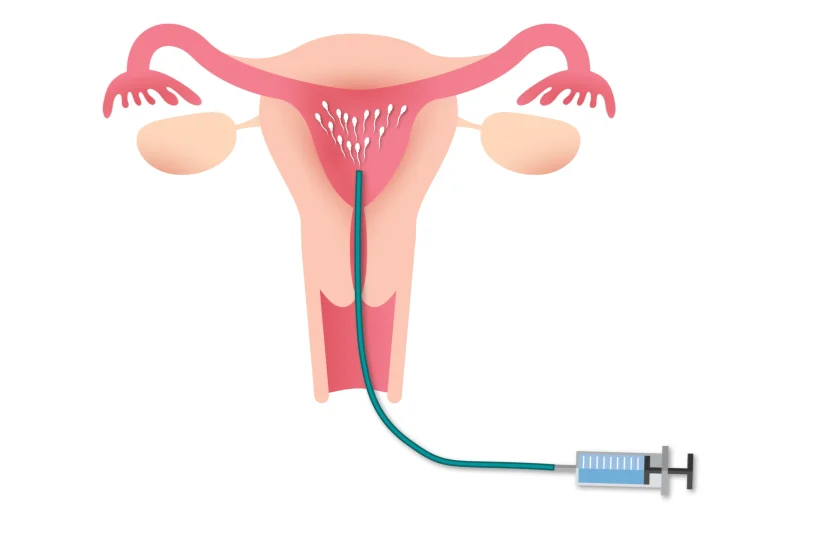
    diagram of a uterus with a syringe for intrauterine insemination procedure

    The Hope of Success: Success Rates for Male and Female Factor Infertility Treatments

    Female Factor Infertility Treatments

    Female factor infertility can be caused by a variety of factors, including hormonal imbalances, ovulation disorders, and structural issues with the reproductive organs. The success rates for female factor infertility treatments also vary depending on the specific cause of infertility.

    One of the most common treatments for female factor infertility is ovulation induction. This involves taking medication to stimulate the ovaries to produce more eggs. The success rates for this treatment vary, but it has been reported to have a success rate of 20-60% per cycle, depending on the woman’s age and the underlying cause of infertility.

    Another treatment option for female factor infertility is intrauterine insemination (IUI). As mentioned earlier, this involves placing the male partner’s sperm directly into the woman’s uterus. The success rates for IUI in cases of female factor infertility are slightly higher than in cases of male factor infertility, with a reported success rate of 15-20% per cycle.

    In vitro fertilization (IVF) is also a popular treatment for female factor infertility. The success rates for IVF vary depending on the woman’s age, the quality of her eggs, and other factors. Generally, IVF has a success rate of 40-45% per cycle, but this can increase with the use of techniques such as preimplantation genetic testing (PGT).

    In conclusion, both male and female factor infertility can be successfully treated with various medical interventions. While the success rates may vary, the advancements in technology have significantly increased the chances of success for couples struggling with infertility. It is important to consult with a fertility specialist to determine the best treatment plan based on individual circumstances.

    Summary:

    Infertility is a common issue faced by many couples, with male and female factors being the most prevalent causes. Fortunately, there are various treatments available for both male and female factor infertility, and the success rates have significantly improved in recent years. For male factor infertility, treatments such as IUI, IVF, and ICSI have reported success rates of 10-20%, 40-45%, and 60-65% per cycle, respectively. Female factor infertility can be treated with ovulation induction, IUI, and IVF, with success rates ranging from 20-60%, 15-20%, and 40-45% per cycle, respectively. With the advancements in technology, there is hope for success for couples struggling with infertility.

  • The Financial Burden of Male and Female Factor Infertility: Tips for Managing the Costs

    Blog Post Title: The Financial Burden of Male and Female Factor Infertility: Tips for Managing the Costs

    Summary:

    Infertility affects millions of couples around the world, with male and female factor infertility being two of the main causes. While dealing with the emotional and physical toll of infertility can be challenging, the financial burden can also be overwhelming. From expensive fertility treatments to additional medical expenses, the costs associated with infertility can quickly add up. In this blog post, we will explore the financial strain that male and female factor infertility can have on couples and provide tips for managing the costs.

    Understanding the Financial Impact of Infertility:

    Many couples are unaware of the financial impact that infertility can have until they start seeking treatment. According to a study by the American Society for Reproductive Medicine, the average cost for one in vitro fertilization (IVF) cycle can be upwards of $12,000. This does not include additional treatments such as intrauterine insemination (IUI) or fertility medications, which can cost thousands of dollars as well. For couples who require multiple treatment cycles, the costs can quickly become astronomical.

    The Costs of Male and Female Factor Infertility:

    When it comes to infertility, both men and women can be affected. Female factor infertility refers to any medical condition that affects a woman’s ability to conceive, such as polycystic ovary syndrome (PCOS) or endometriosis. On the other hand, male factor infertility is caused by issues with the man’s sperm count, quality, or ability to fertilize an egg. In both cases, the costs of diagnostic tests, treatments, and medications can be extremely high.

    Illustration of intrauterine insemination (IUI) procedure with syringe and catheter in the uterus.

    The Financial Burden of Male and Female Factor Infertility: Tips for Managing the Costs

    Tips for Managing the Costs of Male and Female Factor Infertility:

    1. Explore Your Insurance Coverage: While infertility treatments are often not covered by insurance, it is still worth checking your policy. Some insurance plans may cover certain diagnostic tests or medications, which can help reduce the overall costs. It is also worth looking into any fertility clinics that offer financing options or payment plans.

    2. Consider Alternative Treatment Methods: While IVF may be the most well-known fertility treatment, there are other options available that may be more affordable. For example, IUI is a less expensive treatment that can be effective for certain fertility issues. It is important to discuss all of your options with your doctor and consider what is best for your individual situation.

    3. Look into Clinical Trials: Participating in a clinical trial for new fertility treatments can be a way to receive treatment at a reduced cost or even for free. It is important to thoroughly research any clinical trials and discuss them with your doctor before making a decision.

    4. Take Care of Your Health: Both male and female fertility can be affected by lifestyle factors such as diet, exercise, and stress. By making healthy lifestyle choices, you can potentially improve your fertility and reduce the need for expensive treatments.

    5. Seek Emotional Support: Dealing with the financial burden of infertility can take a toll on your emotional well-being. It is important to seek support from loved ones or join a support group to help cope with the stress and anxiety that comes with infertility.

    In conclusion, male and female factor infertility can have a significant financial impact on couples. However, by being proactive and exploring different options, it is possible to manage the costs and still have a chance at starting a family. Remember to take care of your physical and emotional health, and don’t be afraid to seek support during this difficult time.

  • Male Factor Infertility and Genetics: The Connection and Treatment Considerations

    Blog Post Title: Male Factor Infertility and Genetics: The Connection and Treatment Considerations

    Summary:

    Infertility is a common issue that affects many couples worldwide, with about 1 in 8 couples struggling to conceive. While infertility can be caused by various factors, one of the most overlooked causes is male factor infertility. In fact, about one-third of infertility cases are due to male factor issues. In recent years, there has been growing evidence that genetics play a significant role in male factor infertility.

    In this blog post, we will explore the connection between male factor infertility and genetics, including the latest research and treatment considerations.

    Genetic Causes of Male Factor Infertility:

    Male factor infertility can be caused by a variety of genetic factors, including chromosomal abnormalities, single gene mutations, and epigenetic changes. These genetic issues can affect sperm production, sperm motility, and the overall quality of sperm.

    Chromosomal abnormalities, such as Klinefelter syndrome, where a male has an extra X chromosome, can result in low sperm count and poor sperm quality. Similarly, single gene mutations, such as cystic fibrosis gene mutations, can also impact sperm production and function.

    Epigenetic changes, which are alterations in gene expression without changing the DNA sequence, can also contribute to male factor infertility. These changes can be caused by environmental factors, lifestyle habits, and age.

    Impact of Genetics on Fertility Treatments:

    The impact of genetics on male factor infertility is not limited to the ability to conceive naturally. It can also affect the success of fertility treatments, such as in vitro fertilization (IVF) and intrauterine insemination (IUI). Studies have shown that men with genetic issues related to infertility have lower success rates with these treatments compared to men without genetic issues.

    IVF vs IUI comparison graphic highlighting reproductive methods for aspiring parents.

    Male Factor Infertility and Genetics: The Connection and Treatment Considerations

    Furthermore, genetic testing is becoming an essential part of fertility treatments, especially for couples struggling with male factor infertility. Testing for genetic issues can help identify the root cause of infertility and guide treatment decisions.

    Treatment Considerations for Male Factor Infertility:

    The treatment approach for male factor infertility will vary depending on the underlying genetic issue. For chromosomal abnormalities, assisted reproductive techniques like intracytoplasmic sperm injection (ICSI) can be used to fertilize the egg directly with a single sperm. This can increase the chances of fertilization and pregnancy.

    In cases of single gene mutations, genetic testing can help identify the specific mutation and guide treatment options. In some cases, donor sperm or adoption may be considered as alternative options.

    For epigenetic changes, making lifestyle changes, such as quitting smoking, reducing alcohol consumption, and maintaining a healthy weight, can help improve sperm quality and fertility.

    Future Directions:

    As research in this area continues to advance, there is hope for new treatment options for male factor infertility. One promising area is gene therapy, which involves correcting or replacing faulty genes to restore fertility. While still in its early stages, studies have shown promising results in animal models, and clinical trials are underway.

    Another area of interest is epigenetic modifications. Researchers are exploring the use of drugs that can modify epigenetic markers to improve sperm quality and increase fertility.

    Conclusion:

    Male factor infertility is a complex issue that is often overlooked, despite its prevalence and impact on couples trying to conceive. The connection between male factor infertility and genetics is becoming increasingly evident, and genetic testing is becoming an essential tool in the diagnosis and treatment of this condition. As research continues to advance, we can hope for more effective and targeted treatments for male factor infertility.

    SEO metadata:

  • Fertility Medications: Understanding the Options for Male and Female Factor Infertility

    Blog Post:

    Fertility Medications: Understanding the Options for Male and Female Factor Infertility

    Infertility affects millions of couples worldwide, with approximately 1 in 8 couples struggling to conceive. While infertility can be caused by a variety of factors, one of the most common causes is male and female factor infertility. In these cases, fertility medications can be a helpful tool in helping couples achieve their dream of parenthood. In this blog post, we will dive into the different types of fertility medications available for both men and women, their uses, and potential side effects.

    Fertility Medications for Women

    1. Clomiphene Citrate (Clomid)

    Clomiphene Citrate, commonly known as Clomid, is a medication used to treat ovulation disorders in women. It works by stimulating the ovaries to release an egg, increasing the chances of conception. This medication is taken orally and is usually the first line of treatment for women with ovulation issues. It is also often used in combination with other fertility treatments such as intrauterine insemination (IUI) or in vitro fertilization (IVF).

    2. Gonadotropins

    Gonadotropins are injectable medications that contain follicle-stimulating hormone (FSH) and luteinizing hormone (LH). These hormones play a crucial role in the development of eggs in the ovaries. Gonadotropins are often used in women who do not respond well to Clomid or have other fertility issues such as polycystic ovary syndrome (PCOS). These medications require close monitoring and can increase the risk of multiple pregnancies.

    3. Metformin

    Metformin is a medication commonly used to treat type 2 diabetes, but it can also be beneficial for women with PCOS. PCOS is a condition that affects a woman’s hormone levels, leading to irregular periods and ovulation issues. Metformin can help regulate hormone levels and improve ovulation in women with PCOS, increasing their chances of conception.

    4. Letrozole

    Letrozole is another medication used to treat ovulation disorders in women. It works by inhibiting estrogen production, leading to an increase in FSH and LH levels, which can help stimulate ovulation. This medication is often used in women who do not respond well to Clomid or have other fertility issues.

    Fertility Medications for Men

    Comparison of IVF and IUI procedures with illustrations of each method.

    Fertility Medications: Understanding the Options for Male and Female Factor Infertility

    1. Human Chorionic Gonadotropin (HCG)

    Human Chorionic Gonadotropin (HCG) is a hormone that is naturally produced in the body. In men, it can help stimulate the testicles to produce testosterone and increase sperm production. HCG is often used in combination with other medications to treat male factor infertility.

    2. Clomiphene Citrate (Clomid)

    While Clomid is primarily used in women, it can also be beneficial for men with low testosterone levels and sperm count. By stimulating the production of testosterone, it can help improve sperm count and motility, increasing the chances of conception.

    3. Anastrozole

    Anastrozole is a medication used to treat breast cancer, but it can also be helpful in treating male factor infertility. It works by inhibiting estrogen production, leading to an increase in testosterone levels, which can improve sperm production.

    4. Bromocriptine

    Bromocriptine is a medication used to treat high levels of prolactin in the body. High levels of prolactin can interfere with the production of testosterone, leading to male factor infertility. By lowering prolactin levels, Bromocriptine can help improve sperm production and increase the chances of conception.

    Side Effects of Fertility Medications

    As with any medication, fertility medications can have potential side effects. Some common side effects of fertility medications for women include hot flashes, mood swings, bloating, and headaches. In some cases, these medications can also increase the risk of multiple pregnancies. For men, side effects may include acne, breast enlargement, and mood changes.

    It is essential to discuss potential side effects with your doctor and monitor your body’s response to the medication closely. If you experience severe side effects, it is essential to contact your doctor immediately.

    In conclusion, fertility medications can be a valuable tool in helping couples struggling with male and female factor infertility to achieve their dream of parenthood. From stimulating ovulation in women to increasing sperm production in men, these medications have been proven to be effective in helping couples conceive. However, it is crucial to work closely with a fertility specialist and monitor your body’s response to these medications to achieve the best possible outcome.

    Summary:

    Infertility affects millions of couples worldwide, and one of the most common causes is male and female factor infertility. In these cases, fertility medications can be a helpful tool in helping couples achieve their dream of parenthood. For women, medications like Clomid, Gonadotropins, Metformin, and Letrozole can help stimulate ovulation. In men, HCG, Clomid, Anastrozole, and Bromocriptine can improve sperm production. It is essential to discuss potential side effects with a fertility specialist and closely monitor the body’s response to these medications.

  • The Role of Age in Male and Female Factor Infertility: How It Affects Treatment

    Blog Post: The Role of Age in Male and Female Factor Infertility: How It Affects Treatment

    Infertility is a common issue faced by many couples around the world. It is defined as the inability to conceive a child after a year of regular and unprotected intercourse. While infertility can be caused by various factors, age plays a significant role in both male and female fertility. As we age, our reproductive system also ages and undergoes changes that can affect our fertility. In this blog post, we will delve into the role of age in male and female factor infertility and how it affects treatment options.

    Female Factor Infertility and Age

    Women are born with a finite number of eggs in their ovaries, and as they age, their egg reserve decreases. This means that as women get older, their chances of getting pregnant decrease, and the risk of infertility increases. In fact, a woman’s fertility starts to decline in her early 30s and significantly decreases after the age of 35. This is because the quality of eggs also decreases with age, making it more difficult for fertilization and implantation to occur.

    Moreover, as women age, they are also at a higher risk of developing medical conditions that can affect their fertility, such as endometriosis, uterine fibroids, and polycystic ovary syndrome (PCOS). These conditions can interfere with the release of eggs and the implantation of fertilized eggs, making it challenging to conceive.

    Treatment Options for Female Factor Infertility Due to Age

    The most common treatment option for female factor infertility due to age is assisted reproductive technology (ART). This includes techniques such as in vitro fertilization (IVF), where eggs are retrieved and fertilized in a laboratory before being implanted into the uterus. However, as women get older, the success rates of ART also decrease due to the quality and quantity of eggs. This means that older women may need multiple rounds of IVF to achieve a successful pregnancy, which can be physically, emotionally, and financially taxing.

    Another treatment option for women with age-related infertility is donor eggs. This involves using eggs from a younger, fertile donor to be fertilized with the partner’s sperm and implanted into the woman’s uterus. While this can increase the chances of pregnancy, it may also come with ethical and emotional considerations for both the woman and her partner.

    Male Factor Infertility and Age

    While women are often solely blamed for infertility, male factor infertility also plays a significant role. As men age, their sperm quality and quantity also decline. This can lead to difficulty in fertilization and increasing the risk of miscarriage. In fact, studies have shown that men over the age of 40 are at a higher risk of fathering children with genetic abnormalities.

    diagram of a uterus with a syringe for intrauterine insemination procedure

    The Role of Age in Male and Female Factor Infertility: How It Affects Treatment

    Moreover, as men age, they are also at a higher risk of developing medical conditions that can affect their fertility, such as erectile dysfunction, hormonal imbalances, and prostate issues. These conditions can interfere with the production and release of healthy sperm, making it difficult to conceive.

    Treatment Options for Male Factor Infertility Due to Age

    The most common treatment option for male factor infertility is intrauterine insemination (IUI). This involves placing washed and concentrated sperm directly into the woman’s uterus during ovulation. However, as men get older, their sperm quality may not be sufficient for IUI to be successful. In such cases, IVF with intracytoplasmic sperm injection (ICSI) may be recommended. ICSI involves injecting a single sperm directly into an egg to increase the chances of fertilization.

    Another treatment option for male factor infertility is sperm donation. This involves using sperm from a donor to fertilize the woman’s eggs. While this can increase the chances of pregnancy, it may also come with emotional considerations for both the man and his partner.

    The Importance of Seeking Help Early

    As we can see, age plays a significant role in both male and female factor infertility. As we age, our fertility decreases, and the risks of medical conditions that can affect fertility increase. Therefore, it is crucial for couples to seek help early if they are struggling to conceive. This can increase their chances of success and reduce the need for more invasive and costly treatment options.

    Moreover, seeking help early can also help couples address any underlying medical conditions that may be affecting their fertility. This can improve their overall health and well-being, making it easier to conceive and have a healthy pregnancy.

    In conclusion, age is a crucial factor in both male and female factor infertility. As we age, our fertility decreases, and the risks of medical conditions that can affect fertility increase. Therefore, it is essential for couples to seek help early and explore their treatment options to increase their chances of success.

    Summary:

    Infertility is a common issue faced by many couples, and age plays a significant role in both male and female factor infertility. As women age, their egg reserve decreases, and the quality of eggs also declines, making it more difficult to conceive. Treatment options for female factor infertility due to age include assisted reproductive technology and donor eggs. On the other hand, as men age, their sperm quality and quantity also decline, leading to difficulty in fertilization. Treatment options for male factor infertility include intrauterine insemination, IVF with ICSI, and sperm donation. It is crucial for couples to seek help early to increase their chances of success and address any underlying medical conditions that may be affecting their fertility.

  • From Surrogacy to Adoption: Alternative Paths to Parenthood for Couples Facing Male and Female Factor Infertility

    SUMMARY:

    Infertility is a heartbreaking and challenging reality for many couples. For those facing both male and female factor infertility, the journey to parenthood can seem even more daunting. Thankfully, there are alternative paths to parenthood that can help couples build their families, including surrogacy and adoption. In this blog post, we will explore the process and benefits of both surrogacy and adoption for couples facing male and female factor infertility.

    First, we will dive into the world of surrogacy, where a woman carries and gives birth to a child for another individual or couple. Surrogacy can be a viable option for couples facing male factor infertility, where the male partner may have low sperm count or quality. With surrogacy, couples have the opportunity to be genetically related to their child, as the surrogate’s eggs can be fertilized by the male partner’s sperm. This can provide a sense of biological connection for the parents that may be missing in other forms of alternative parenthood. Additionally, surrogacy allows for the intended parents to have a more hands-on experience during the pregnancy, as they can attend doctor’s appointments and be involved in the pregnancy journey. However, surrogacy can also come with a high price tag and legal complexities, so it is important for couples to fully understand the process and have proper legal representation before pursuing this option.

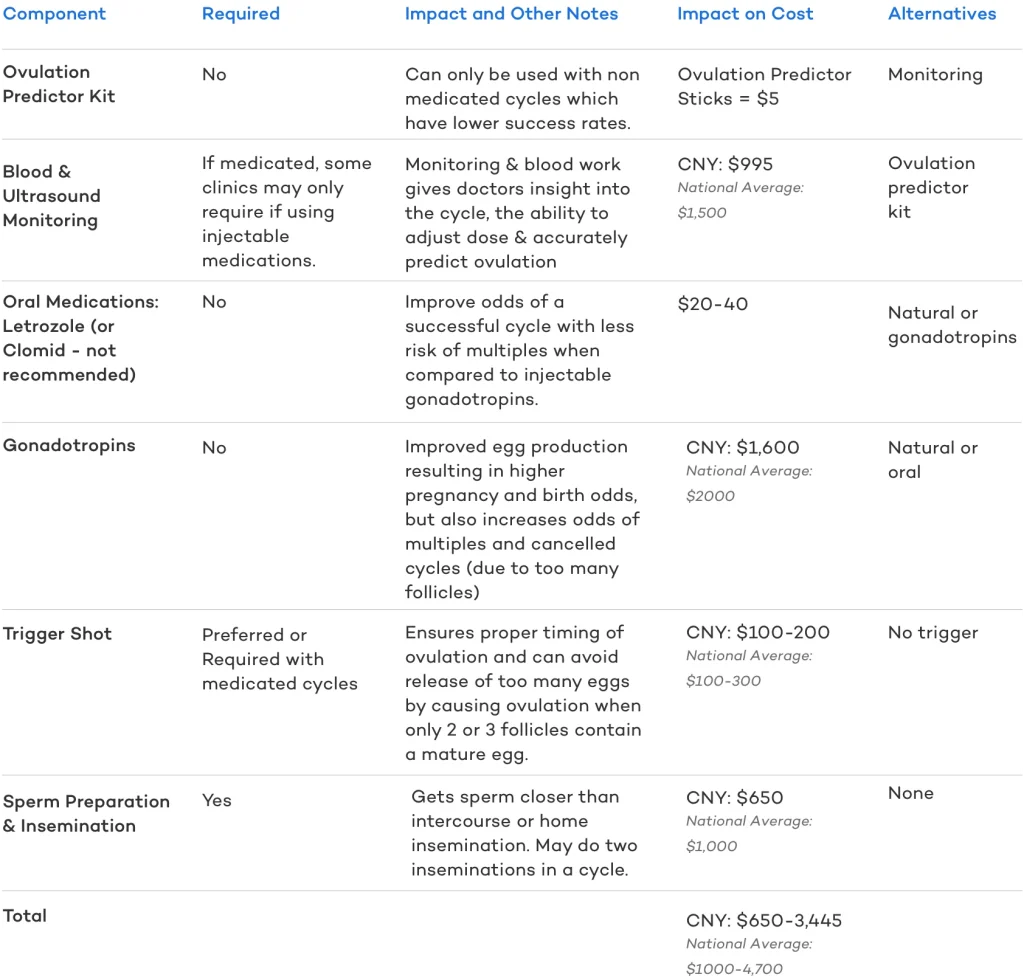
    Cost breakdown for IUI components, including requirements, impacts, and alternatives.

    From Surrogacy to Adoption: Alternative Paths to Parenthood for Couples Facing Male and Female Factor Infertility

    Next, we will discuss adoption as an alternative path to parenthood for couples facing male and female factor infertility. Adoption offers couples the opportunity to provide a loving home to a child in need and build a family through love, rather than biology. For couples facing both male and female factor infertility, adoption can be a wonderful option, as it does not require the use of sperm or eggs. This can also provide a sense of relief and release from the pressure and disappointment of unsuccessful fertility treatments. Adoption can also be a more affordable option compared to surrogacy, with many organizations offering financial assistance and grants to help offset costs. However, the adoption process can also be lengthy and emotionally taxing, as couples must navigate through background checks, home studies, and waiting periods. It is important for couples to have a strong support system and prepare themselves for the challenges and joys of adoption.

    Additionally, there are different types of adoption to consider, such as domestic adoption, international adoption, and foster-to-adopt. Domestic adoption involves adopting a child from within the same country, while international adoption involves adopting a child from another country. Foster-to-adopt involves caring for a child in the foster care system with the ultimate goal of adopting them. Each type of adoption comes with its own unique challenges and benefits, and it is important for couples to research and determine which option is the best fit for their family.

    It is also important for couples to consider the emotional impact of both surrogacy and adoption. The journey to parenthood through these alternative paths can bring up feelings of grief, loss, and uncertainty. It is essential for couples to seek counseling and support throughout the process to navigate these emotions and come out stronger as a family. Additionally, it is important for couples to have honest and open communication with each other about their desires and concerns, as well as with the surrogate or birth parents involved in the process.

    In conclusion, while facing male and female factor infertility can be a difficult and heartbreaking experience, there are alternative paths to parenthood that can help couples build their families. Surrogacy and adoption offer unique opportunities for couples to become parents and create loving and fulfilling homes for children in need. It is important for couples to thoroughly research and understand the processes and potential challenges of both options, as well as seek emotional support throughout the journey. Ultimately, the end result of parenthood through surrogacy or adoption is a beautiful and rewarding experience for couples facing male and female factor infertility.