Tag: emotional journey

  • Fertility Medications: What You Need to Know Before Starting Treatment

    Fertility Medications: What You Need to Know Before Starting Treatment

    Struggling with fertility can be a difficult and emotional journey for many couples. Fortunately, advances in modern medicine have provided various fertility treatments such as medication to help couples achieve their dream of starting a family. Fertility medications can be a helpful tool in assisting with conception, but it is important to have a thorough understanding of these medications before starting treatment. In this blog post, we will discuss the basics of fertility medications, their purpose, types, and potential side effects, as well as important things to consider before beginning treatment.

    Understanding Fertility Medications:
    Fertility medications are drugs that are used to help regulate the reproductive hormones in both men and women. These medications work by stimulating the ovaries to produce more eggs or by regulating the menstrual cycle. They can also be used to improve sperm production in men. Fertility medications are often used in conjunction with other fertility treatments such as intrauterine insemination (IUI) or in vitro fertilization (IVF) to increase the chances of successful conception.

    Types of Fertility Medications:
    There are various types of fertility medications available, and the type prescribed will depend on the individual’s specific fertility issues. Some common types include:

    1. Clomiphene citrate (Clomid): This is a commonly used oral medication that is used to stimulate ovulation in women with irregular or absent menstrual cycles. It works by blocking estrogen receptors in the brain, causing it to produce more follicle-stimulating hormone (FSH) and luteinizing hormone (LH), which are necessary for ovulation.

    2. Gonadotropins: These are injectable medications that contain FSH and LH and are used to stimulate the ovaries directly. They are often prescribed for women who do not respond to clomiphene citrate or have other fertility issues such as polycystic ovary syndrome (PCOS).

    3. Metformin: This medication is commonly used to treat type 2 diabetes, but it can also be prescribed to women with PCOS to regulate their menstrual cycles and improve ovulation.

    4. Human chorionic gonadotropin (hCG): This hormone is used to trigger ovulation in women who have been undergoing fertility treatments such as IUI or IVF.

    5. Aromatase inhibitors: These medications are typically used to treat breast cancer but can also be prescribed to women with PCOS to stimulate ovulation.
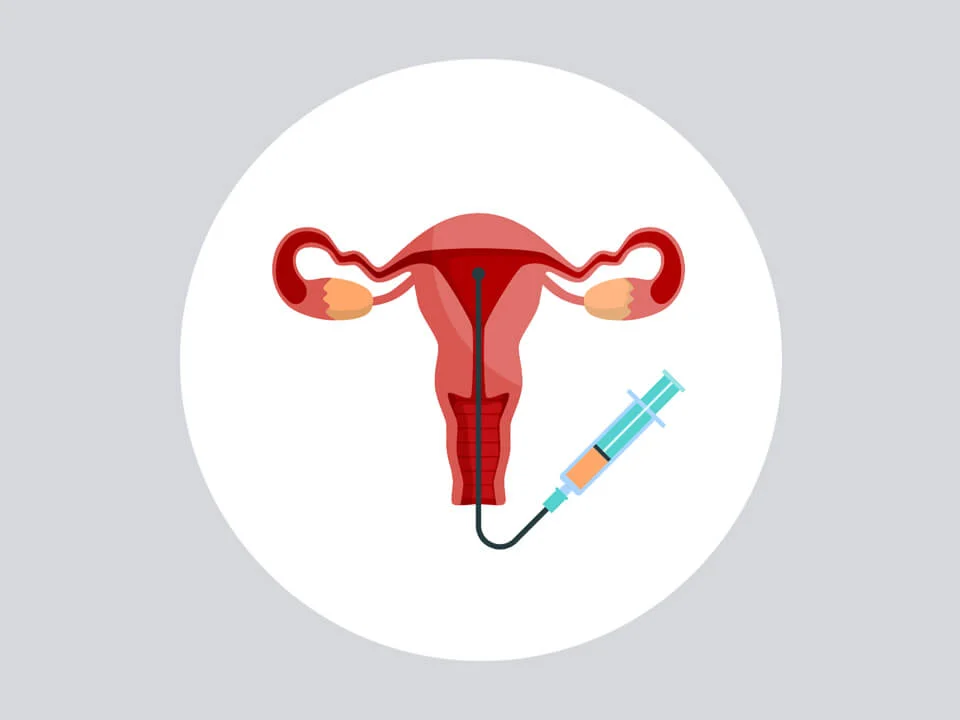
    Illustration of a uterus with a syringe, representing intrauterine insemination (IUI) procedure.

    Fertility Medications: What You Need to Know Before Starting Treatment

    Potential Side Effects:
    Like any medication, fertility drugs can have side effects. The most common side effects include hot flashes, mood swings, weight gain, bloating, breast tenderness, and headaches. In rare cases, fertility medications can also increase the risk of ovarian hyperstimulation syndrome (OHSS), a condition where the ovaries become enlarged and painful. It is important to discuss potential side effects with your doctor and monitor your body’s response to the medication closely.

    Things to Consider Before Starting Treatment:
    Before beginning fertility medication, there are a few important things to consider:

    1. Consult with a fertility specialist: It is crucial to seek the guidance of a qualified fertility specialist before starting any medication. They will be able to evaluate your individual situation and recommend the most suitable treatment plan for you.

    2. Understand the risks and benefits: It is essential to have a thorough understanding of the potential risks and benefits of fertility medication. This will help you make an informed decision and prepare for any potential side effects.

    3. Discuss financial implications: Fertility treatments can be expensive, and it is important to discuss the financial implications with your doctor upfront. They may be able to provide information about insurance coverage or other financial assistance programs.

    4. Be prepared for emotional ups and downs: The process of fertility treatment can be emotionally challenging, and it is important to prepare yourself for the ups and downs. It is also helpful to have a strong support system in place, whether it be your partner, family, or friends.

    5. Follow instructions carefully: Fertility medications need to be taken at specific times and in specific dosages. It is crucial to follow your doctor’s instructions carefully to ensure the best possible results.

    In conclusion, fertility medications can be a valuable tool in helping couples achieve their dream of starting a family. However, it is important to have a thorough understanding of these medications, their purpose, types, potential side effects, and things to consider before starting treatment. Always consult with a fertility specialist and follow instructions carefully to increase the chances of a successful outcome. Remember to prioritize self-care and seek support from loved ones during this emotional journey.

    Summary:
    Fertility medications are drugs that are used to help regulate reproductive hormones in men and women. They can be used in conjunction with other fertility treatments to increase the chances of successful conception. There are various types of fertility medications, and potential side effects should be discussed with a doctor. Before starting treatment, it is important to consult with a fertility specialist, understand the risks and benefits, discuss financial implications, prepare for emotional ups and downs, and follow instructions carefully.
  • Navigating the Emotional Journey: Intrauterine Insemination vs Donor Insemination

    Navigating the Emotional Journey: Intrauterine Insemination vs Donor Insemination

    Deciding to start a family is a big step in any couple’s life, but for those who are struggling with infertility, it can be an emotional rollercoaster. There are many options available for couples who are unable to conceive naturally, including intrauterine insemination (IUI) and donor insemination (DI). Both procedures have their own unique emotional journey and it’s important for couples to understand the differences between the two and how to navigate the emotional challenges that may arise.

    Intrauterine Insemination (IUI)

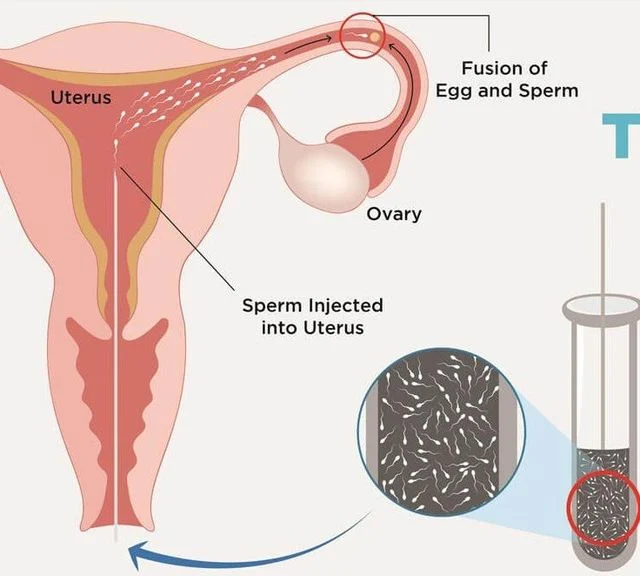
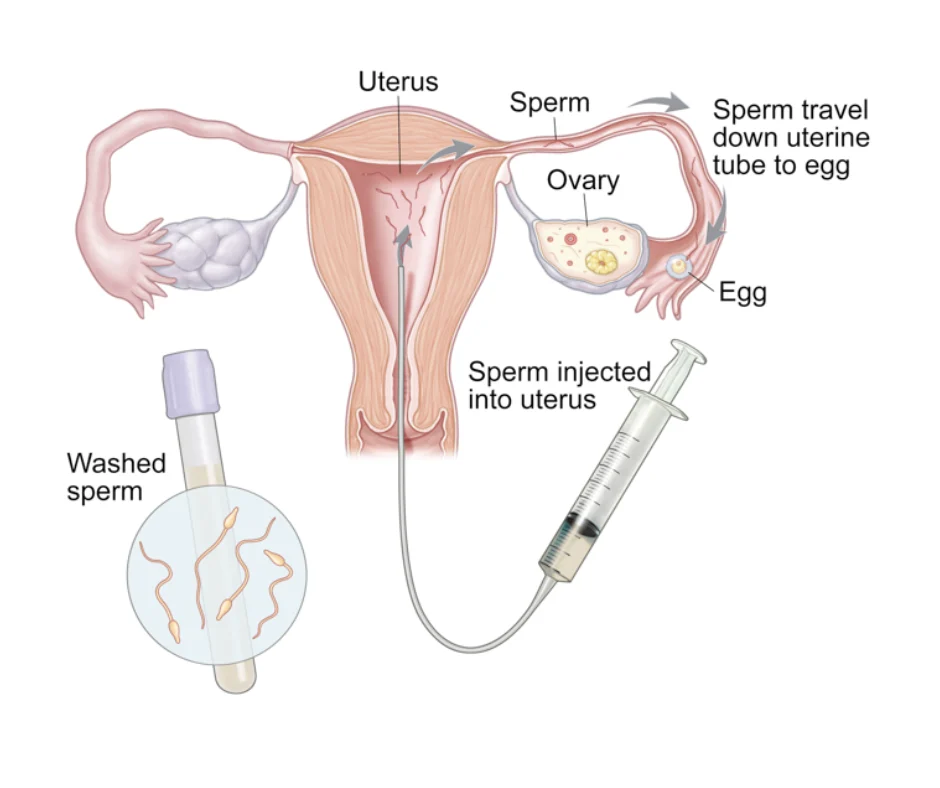
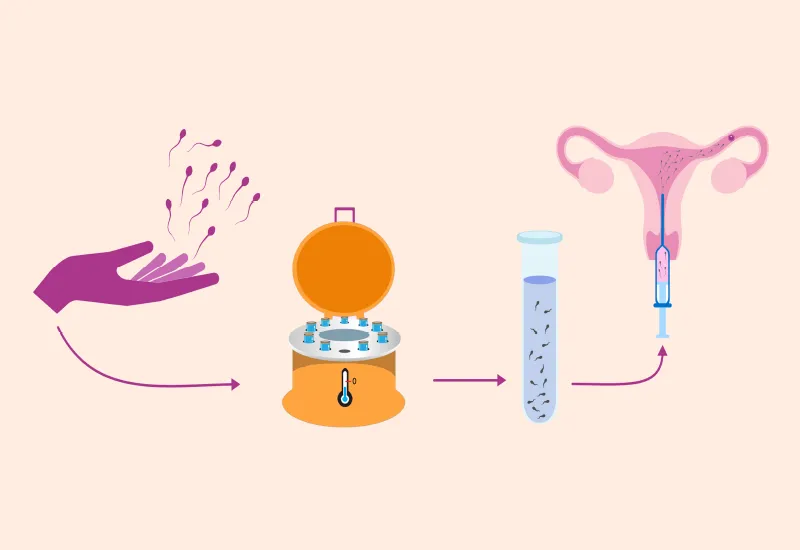
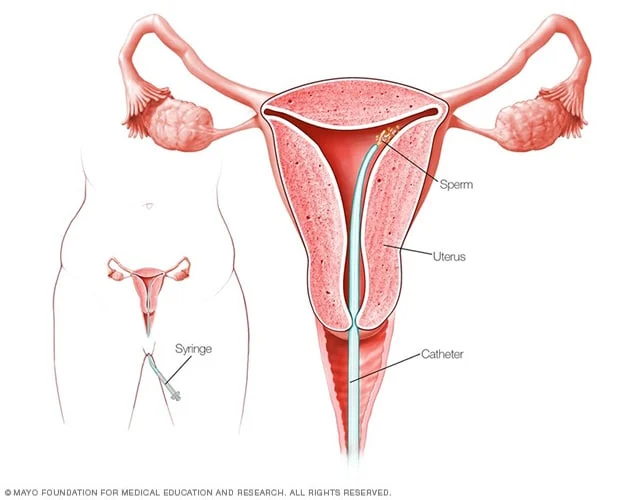
    IUI is a fertility treatment that involves inserting washed and concentrated sperm directly into a woman’s uterus, bypassing the cervix. This procedure is typically used for couples who are experiencing issues with sperm quality, cervical hostility, or unexplained infertility. The process is relatively simple and can be done in a doctor’s office without any anesthesia.

    The Emotional Journey of IUI

    For couples undergoing IUI, the emotional journey can be filled with hope, anticipation, and anxiety. Many couples experience a mix of emotions leading up to and during the procedure. There may be feelings of excitement and optimism as they start the process, but also fear and anxiety about the success of the procedure.

    The first step in navigating the emotional journey of IUI is to have open and honest communication with your partner. It’s important to discuss your feelings and concerns with each other and seek support from friends, family, or a therapist if needed. It’s also important to manage expectations and understand that IUI may not be successful on the first try.

    During the procedure, some women may experience discomfort or cramping, which can add to the emotional toll. After the procedure, there is a two-week wait before finding out if the IUI was successful. This waiting period can be emotionally taxing, with couples feeling a mix of hope, fear, and anxiety. It’s important to find healthy ways to cope with these emotions, such as exercising, practicing relaxation techniques, or talking to a therapist.

    If the IUI is unsuccessful, it’s natural for couples to feel disappointed and even devastated. It’s important to remember that success rates for IUI vary and it may take multiple attempts before achieving a pregnancy. It’s also important to take care of your emotional well-being and seek support from your partner and loved ones.

    diagram illustrating intrauterine insemination (IUI) procedure with uterus, sperm, and catheter labeled

    Navigating the Emotional Journey: Intrauterine Insemination vs Donor Insemination

    Donor Insemination (DI)

    DI is a fertility treatment that involves using donor sperm to fertilize a woman’s egg. This procedure is typically used for same-sex female couples, single women, or heterosexual couples with male infertility.

    The Emotional Journey of DI

    For couples undergoing DI, the emotional journey can be complex and challenging. There may be feelings of loss and grief for the partner who is unable to provide sperm, as well as for the couple as a whole. It’s important for couples to talk openly about these feelings and seek support from each other and loved ones.

    There may also be feelings of uncertainty and anxiety about using a donor and the impact it may have on the child’s identity and family dynamic. It’s important for couples to discuss these concerns and seek counseling if needed to help navigate these emotions.

    Another challenge with DI is the selection of a donor. Couples may struggle with finding the right donor and may experience doubts and fears about the process. It’s important for couples to communicate openly and honestly about their preferences and concerns and seek support from a fertility specialist or therapist.

    After the procedure, there may be feelings of hope and excitement, but also fear and anxiety as the couple waits to find out if the DI was successful. It’s important for couples to find healthy ways to cope with these emotions and support each other through the process.

    Summary

    Deciding between IUI and DI can be a difficult decision for couples struggling with infertility. Both procedures have their own unique emotional journey and it’s important for couples to understand and prepare for the challenges that may arise. Having open and honest communication, seeking support from loved ones and professionals, and finding healthy ways to cope with emotions are key in navigating the emotional journey of IUI and DI.

  • The Emotional Journey of Male and Female Factor Infertility Treatments: Personal Stories

    The Emotional Journey of Male and Female Factor Infertility Treatments: Personal Stories

    Infertility is a difficult and often heartbreaking journey for many couples. While there are various factors that can contribute to infertility, male and female factor infertility are two of the most common causes. The emotional toll of undergoing treatments for these types of infertility can be overwhelming for both partners, and it is important to understand the personal experiences and emotional journey of those going through these treatments.

    Male Factor Infertility Treatments: Personal Stories

    Male factor infertility refers to any issues with sperm quality, quantity, or delivery that can contribute to a couple’s inability to conceive. One of the most common treatments for male factor infertility is intrauterine insemination (IUI), where sperm is injected directly into the uterus during ovulation. This procedure can be physically and emotionally draining for both partners.

    John and Sarah* had been trying to conceive for over a year before seeking medical help. After numerous tests, they were told that John had a low sperm count and IUI was their best option for conceiving. Sarah recalls feeling a mix of emotions when they received this news. “I was relieved to finally have an answer, but also devastated that it was something we couldn’t fix on our own,” she says.

    The couple underwent multiple rounds of IUI, with each one bringing a rollercoaster of emotions. “The anticipation and hope leading up to the procedure were always high, but the disappointment and heartbreak when it didn’t work were devastating,” John shares.

    Male factor infertility treatments can also have a strain on a couple’s relationship. John and Sarah found that they often disagreed on how to handle their emotions and the treatment process. “I would get frustrated with Sarah when she would want to talk about it all the time, and she would get frustrated with me for not wanting to talk about it at all,” John admits.

    After several failed attempts, the couple decided to take a break from treatments and focus on their relationship. “It was the best decision we could have made. We needed to reconnect and support each other before diving back into the emotional rollercoaster of treatments,” Sarah says.

    Female Factor Infertility Treatments: Personal Stories

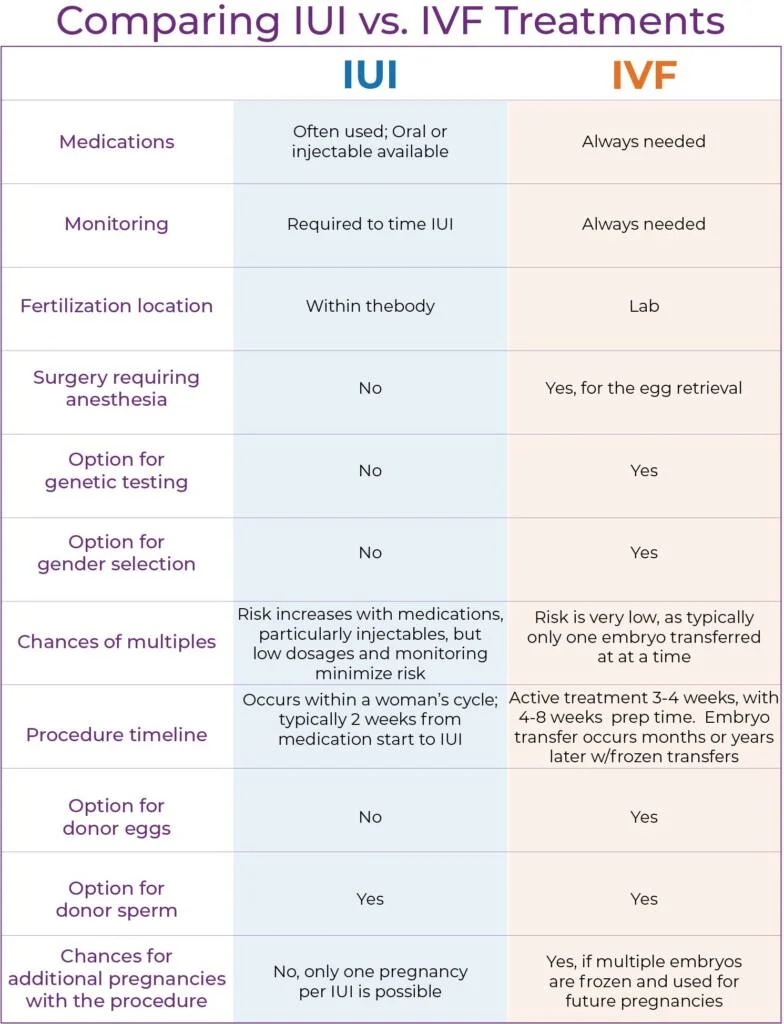
    Comparison chart of IUI and IVF treatments, detailing medications, monitoring, procedures, and success rates.

    The Emotional Journey of Male and Female Factor Infertility Treatments: Personal Stories

    Female factor infertility can be caused by a range of issues, such as hormonal imbalances, blocked fallopian tubes, or conditions like endometriosis. Treatments for female factor infertility can include medications, surgeries, or assisted reproductive technologies (ART) like in vitro fertilization (IVF).

    Melissa and James* had been trying to conceive for three years before seeking help. After various tests, Melissa was diagnosed with endometriosis, and the couple was told that IVF was their best option for conceiving. Melissa shares that the emotional journey of IVF was overwhelming and intense. “There were so many ups and downs, and I felt like my body was constantly being poked and prodded,” she says.

    The couple underwent three rounds of IVF, with each one bringing a mix of hope and disappointment. “Every time we would get our hopes up, only to be crushed when it didn’t work,” James says. The couple also faced the financial strain of IVF, as it can be a costly treatment option.

    For Melissa, the emotional toll of IVF was also felt in her relationship with her body. “I felt like my body was failing me, and it was hard to not blame myself for our struggles,” she admits. The couple also faced the added pressure and expectations from family and friends, making their journey even more emotionally challenging.

    Despite the difficulties, Melissa and James were fortunate to have a successful IVF cycle and are now proud parents of a baby boy. “The journey was tough, but it was all worth it in the end,” they say.

    The Importance of Support During Infertility Treatments

    Both male and female factor infertility treatments can be emotionally taxing for couples. Having a strong support system can make a significant difference in the journey. Whether it’s seeking support from family and friends, joining a support group, or seeking professional counseling, having someone to lean on can provide much-needed emotional support and guidance.

    It is also essential for couples to communicate openly and be there for each other during this challenging time. “We had to learn how to support each other in our own ways, and it made our relationship stronger in the end,” John says.

    In conclusion, the emotional journey of male and female factor infertility treatments can be a rollercoaster of hope, disappointment, and strain on relationships. It is crucial for couples to have a strong support system and to communicate openly with each other during this difficult time. While the journey may be tough, the end result of starting a family is worth all the emotional challenges and struggles.

    SEO Metadata:

  • The Emotional Rollercoaster of Choosing Between Fresh and Frozen Donor Sperm

    Choosing to use donor sperm is often a tough decision for individuals or couples struggling with infertility. And once the decision has been made, another dilemma arises: should the sperm be fresh or frozen? This may seem like a simple choice, but it can actually be an emotional rollercoaster for those going through the process. In this blog post, we will explore the ups and downs of choosing between fresh and frozen donor sperm, and how it can impact the emotional journey of those seeking fertility treatment.

    The first step in using donor sperm is usually selecting a donor. This can be an overwhelming process as there are many factors to consider, such as physical characteristics, medical history, and personal values. But once a donor has been chosen, the decision between fresh and frozen sperm comes into play. Fresh sperm is usually obtained through a sperm bank or a known donor, while frozen sperm is typically purchased from a sperm bank. Let’s take a look at the emotional journey of choosing between these two options.

    The Excitement of Fresh Sperm:
    For many, the idea of using fresh sperm can be exciting. The thought of having a child with a donor who is known and potentially involved in the child’s life can bring a sense of comfort and connection. It may also feel more “natural” to use fresh sperm, as it mimics the traditional way of conceiving a child. However, this excitement can quickly turn into disappointment if the fresh sperm is not of good quality or if the donor is unable to produce a sample on the day of insemination. This can lead to delays in the fertility treatment process and can be emotionally draining for those involved.

    The Convenience of Frozen Sperm:
    On the other hand, using frozen sperm can offer a sense of convenience. The sperm is readily available and can be shipped to the fertility clinic at any time. This eliminates the need to coordinate with a donor and reduces the risk of last-minute cancellations or complications. Frozen sperm is also typically screened and quarantined, reducing the risk of potential health concerns. However, for some individuals or couples, the idea of using sperm from an unknown donor can be unsettling. There may be a fear of not being able to connect with the child or a worry about potential genetic issues.

    The Financial Burden:
    Another aspect to consider when choosing between fresh and frozen donor sperm is the financial burden. Fresh sperm is usually more expensive, as it involves compensating the donor for their time and effort. This can add up quickly, especially if multiple attempts are needed. On the other hand, frozen sperm is typically more affordable, with the costs being related to purchasing and shipping. However, the overall cost of fertility treatment using donor sperm can still be a significant financial burden, and this can add to the emotional stress of the process.

    A person administering an injection into their abdomen with a yellow pen-like device.

    The Emotional Rollercoaster of Choosing Between Fresh and Frozen Donor Sperm

    Dealing with Expectations:
    No matter which option is chosen, there are expectations involved. For those using fresh sperm, there may be an expectation of a more personal connection with the donor and a sense of comfort knowing that the sperm is “fresh.” On the other hand, those using frozen sperm may have expectations of a smoother and more convenient process. These expectations can sometimes lead to disappointment or feelings of guilt if the outcome does not meet them. It is essential to manage these expectations and understand that fertility treatment can be a complex and unpredictable journey.

    The Impact on Relationships:
    The decision between fresh and frozen sperm can also have an impact on relationships. For couples, the process of choosing donor sperm and the emotional ups and downs that come with it can put a strain on the relationship. Disagreements or differences in opinion may arise, and it is crucial to communicate and support each other through this process. For individuals, the decision may also affect relationships with family and friends, as they may not understand or agree with the choice being made.

    The Waiting Game:
    One of the most challenging aspects of fertility treatment is the waiting game. No matter which type of sperm is chosen, there will be a wait for the results. This can be a time filled with anxiety, fear, and hope. Each day can feel like a rollercoaster of emotions, and it can be challenging to stay positive. The waiting game can also be prolonged if multiple attempts are needed, adding to the emotional toll.

    In conclusion, the decision between fresh and frozen donor sperm is not an easy one. It involves weighing different factors and considering the emotional impact of each option. It is essential to remember that there is no right or wrong choice, and the most important thing is to choose what feels right for you and your journey to parenthood. Whether you choose fresh or frozen sperm, it is crucial to have a support system in place and to take care of your emotional well-being throughout the process.

    In summary, choosing between fresh and frozen donor sperm can be an emotional rollercoaster for individuals and couples going through fertility treatment. The excitement of fresh sperm can quickly turn into disappointment, while the convenience of frozen sperm can come with its own set of worries. The financial burden, expectations, and impact on relationships are all factors to consider, and the waiting game can be emotionally taxing. It is crucial to manage expectations, communicate with loved ones, and prioritize self-care during this emotional journey towards parenthood.

  • The Emotional Rollercoaster: Egg Retrieval vs Egg Sharing

    Title: The Emotional Rollercoaster: Egg Retrieval vs Egg Sharing

    Egg retrieval and egg sharing are two different methods for obtaining eggs for fertility treatment. Both options have their own unique emotional journey, which can be compared to a rollercoaster ride. This blog post will delve into the emotional aspects of both egg retrieval and egg sharing, and how they can impact individuals and couples going through the process.

    Egg Retrieval: The Ups and Downs

    Egg retrieval is the process of retrieving eggs from a woman’s ovaries for use in assisted reproductive technology (ART) treatments such as in vitro fertilization (IVF). This process involves a series of hormone injections to stimulate the ovaries and produce multiple eggs. The eggs are then retrieved through a minor surgical procedure.

    For women undergoing egg retrieval, the emotional journey can be filled with ups and downs. The excitement of starting the process and the hope for a successful outcome can bring a sense of optimism and positivity. However, as the hormone injections begin and the body starts to react, many women experience a rollercoaster of emotions.

    The physical side effects of the hormone injections, such as bloating, mood swings, and fatigue, can take a toll on a woman’s emotional well-being. The constant monitoring and appointments can also add stress and anxiety to the mix. And as the retrieval date gets closer, the anticipation and fear of the unknown can be overwhelming.

    On the day of the egg retrieval, the emotions are at an all-time high. There is a sense of relief and accomplishment for completing the process, but also a fear of the outcome. Will the eggs be of good quality? Will they fertilize successfully? All of these unknowns can lead to a rollercoaster of emotions, from hope and excitement to worry and fear.

    Egg Sharing: The Joys and Challenges

    Egg sharing is a form of egg donation where a woman undergoing IVF shares her eggs with another woman or couple who are struggling with infertility. This process involves the same hormone injections and retrieval procedure as egg retrieval, but the eggs are donated rather than used for the donor’s own treatment.

    For women who choose to share their eggs, the emotional journey can be a mix of joy and challenges. The thought of helping another couple achieve their dream of having a child can bring a sense of fulfillment and happiness. However, the process of preparing for and undergoing egg retrieval can also be emotionally taxing.

    Diagram illustrating the IUI process, showing sperm injection into the uterus and egg fertilization.

    The Emotional Rollercoaster: Egg Retrieval vs Egg Sharing

    The hormone injections and side effects are the same as egg retrieval, but there is an added layer of emotional complexity. Women who choose to share their eggs may experience conflicting emotions, such as feeling proud of their decision to help others but also feeling a sense of loss and grief for the eggs they are giving away.

    The day of the egg retrieval can also be a mix of emotions. There is a sense of satisfaction in knowing that the eggs will be used to help someone else, but there may also be a sense of sadness and longing for the eggs that were once a part of the donor’s body.

    The Impact on Relationships

    Both egg retrieval and egg sharing can have a significant impact on relationships. For couples undergoing fertility treatment together, the emotional journey can strengthen their bond as they navigate the highs and lows together. However, the stress and strain of the process can also take a toll on the relationship.

    For individuals going through the process alone, the emotional journey can be even more challenging. The physical and emotional toll of the process can be overwhelming, and the lack of a support system can make it even more difficult.

    For those in a supportive and understanding partnership, the emotional journey can bring them closer together. However, for others, the emotional stress of egg retrieval or egg sharing can strain the relationship and even lead to conflicts and misunderstandings.

    The Aftermath: Coping with the Results

    After the egg retrieval or egg sharing process, the emotional journey is far from over. There is still the waiting period to find out if the eggs were of good quality and if they successfully fertilized. This waiting period can bring about a range of emotions, from hope and excitement to disappointment and sadness.

    If the results are positive and the eggs were of good quality and fertilized successfully, there is a sense of relief and joy. However, if the results are not what was hoped for, the emotional impact can be devastating. The individual or couple may feel a sense of failure, disappointment, and grief. This can be especially difficult for those who have been through multiple cycles of egg retrieval or egg sharing.

    Summary:

    Egg retrieval and egg sharing are two different methods for obtaining eggs for fertility treatment. Both options involve a rollercoaster of emotions, from excitement and hope to stress and anxiety. The physical and emotional toll of the hormone injections and the waiting period for results can also impact relationships. Whether the outcome is positive or not, the emotional journey of egg retrieval and egg sharing can be a challenging and emotional experience.

  • Egg Retrieval vs Egg Sharing: A Surrogate’s Story

    Egg Retrieval vs Egg Sharing: A Surrogate’s Story

    As a surrogate, one of the biggest decisions you will have to make is whether to undergo egg retrieval or egg sharing. Both options have their own set of pros and cons, and it’s important to understand them fully before making a decision. In this blog post, we will share the story of a surrogate who has experienced both egg retrieval and egg sharing, and provide insights on the process, emotions, and considerations involved in each.

    First, let’s define egg retrieval and egg sharing. Egg retrieval is the process of retrieving eggs from the intended mother or an egg donor and fertilizing them with the intended father’s sperm in a laboratory. The resulting embryos are then transferred into the surrogate’s uterus for implantation and pregnancy. On the other hand, egg sharing involves the surrogate sharing her own eggs with the intended parents, in addition to carrying the pregnancy.

    Our surrogate, Sarah, initially chose egg retrieval for her first surrogacy journey. She had always dreamed of helping a family in need and felt that egg retrieval was the best option for her. She underwent the necessary medical and psychological screenings and was matched with a couple who had been struggling with infertility for years. Sarah was excited to be able to provide them with the chance to have a baby of their own.

    The process of egg retrieval was not easy for Sarah. She had to undergo several hormonal injections to stimulate her ovaries and produce multiple eggs. These injections were accompanied by side effects such as bloating, mood swings, and fatigue. However, Sarah found comfort in the fact that she was doing this for a greater purpose and kept her eyes on the end goal.

    Once the eggs were retrieved, Sarah had to go through a brief medical procedure to have them removed. The procedure itself was quick and painless, but Sarah experienced some discomfort and cramping afterward. The eggs were then fertilized with the intended father’s sperm and the resulting embryos were transferred into Sarah’s uterus. Unfortunately, the first transfer was not successful, and Sarah had to undergo a second transfer before finally becoming pregnant.

    illustration of IUI procedure with text on symptoms, reasons, and causes of IUI failure

    Egg Retrieval vs Egg Sharing: A Surrogate's Story

    On the other hand, Sarah’s second surrogacy journey involved egg sharing. This time, she was matched with a couple who wanted to use their own eggs but were unable to do so due to medical reasons. Sarah was hesitant at first, as she had to share her own eggs and may potentially have a biological connection to the baby. However, she was reassured by the couple’s genuine desire to have a baby and their emotional connection to the child.

    The process of egg sharing was similar to egg retrieval in terms of the medical procedures and side effects. However, Sarah also had to go through the emotional process of preparing to potentially be a biological mother to the child she was carrying. She found herself feeling more attached to the pregnancy and the baby, which made it both a challenging and rewarding experience.

    In the end, both egg retrieval and egg sharing journeys resulted in successful pregnancies for Sarah. However, the emotional journey and considerations involved were vastly different. With egg retrieval, Sarah felt like she was simply a vessel carrying the intended parents’ biological child. With egg sharing, she felt a deeper emotional connection to the baby and the intended parents, as she was also contributing genetically to the child’s creation.

    When asked about her advice for other surrogates considering egg retrieval vs egg sharing, Sarah emphasized the importance of fully understanding the process and being prepared for the emotional journey. She also stressed the importance of communicating openly and honestly with the intended parents about expectations and boundaries.

    In conclusion, egg retrieval and egg sharing are two different paths that a surrogate can take in their surrogacy journey. Each has its own challenges and rewards, and it’s important for a surrogate to carefully consider their options and communicate openly with the intended parents before making a decision. Ultimately, the most important thing is to provide a loving and supportive environment for the intended parents and the baby, regardless of the method of conception.

    Summary:

    In this blog post, we shared the story of a surrogate who has experienced both egg retrieval and egg sharing. We defined these two options and discussed the process, emotions, and considerations involved in each. Egg retrieval involves retrieving eggs from the intended mother or an egg donor and fertilizing them with the intended father’s sperm, while egg sharing involves the surrogate sharing her own eggs with the intended parents. Our surrogate, Sarah, initially chose egg retrieval for her first surrogacy journey and then underwent egg sharing for her second journey. She shared her experiences and advice for other surrogates considering these options. Ultimately, the most important thing for a surrogate is to provide a loving and supportive environment for the intended parents and the baby, regardless of the method of conception.

  • Exploring the Emotional Journey: Donor Insemination vs Partner Insemination

    Exploring the Emotional Journey: Donor Insemination vs Partner Insemination

    Deciding to start a family is a big step for any couple, and for same-sex couples, the process can be even more complex. When it comes to starting a family through assisted reproduction, there are two main options: donor insemination and partner insemination. Both methods have their own set of emotional challenges and experiences, and it’s important for couples to understand and explore these emotional journeys in order to make the best decision for their growing family.

    What is donor insemination?

    Donor insemination, also known as artificial insemination, is a process in which sperm from a known or anonymous donor is used to fertilize an egg. This method is commonly used by same-sex female couples who wish to have biological children. The sperm is usually obtained through a sperm bank, where donors have gone through extensive medical and genetic screening. The process involves the donor’s sperm being inserted into the uterus of the partner who will carry the pregnancy.

    The Emotional Journey of Donor Insemination

    Donor insemination can be a rollercoaster of emotions for many couples. The decision to use donor sperm can bring up feelings of loss and grief for the partner who will not be genetically linked to the child. It can also be emotionally challenging for the partner carrying the pregnancy, as they may feel pressure to have a successful pregnancy in order to make their partner’s dream of having a biological child come true.

    Another common emotional hurdle is the process of choosing a donor. Couples may struggle with the decision of using a known or anonymous donor, and the process of selecting a donor can bring up a range of emotions. The non-biological partner may feel left out of this decision-making process, while the partner carrying the pregnancy may feel anxious about the genetic traits and characteristics of the donor.

    During the pregnancy, the non-biological partner may also experience feelings of detachment or disconnection from the pregnancy and the baby, which can be a difficult emotional experience. It’s important for both partners to communicate openly and support each other throughout this process.

    What is partner insemination?

    Partner insemination, also known as at-home insemination, is a process in which the sperm of one partner is used to fertilize the egg of the other partner. This method is commonly used by same-sex male couples or couples where one partner has fertility issues. The process involves collecting sperm from the donor partner and inserting it into the uterus of the partner who will carry the pregnancy.

    diagram illustrating intrauterine insemination process, showing sperm injection into the uterus and egg fertilization pathway

    Exploring the Emotional Journey: Donor Insemination vs Partner Insemination

    The Emotional Journey of Partner Insemination

    Partner insemination also comes with its own set of emotional challenges. For same-sex male couples, the decision of who will carry the pregnancy can be difficult, as one partner may feel more connected to the idea of carrying a child. This can lead to feelings of guilt or resentment if the other partner is not able or willing to carry the pregnancy.

    Another emotional hurdle is the process of collecting and using the sperm from the donor partner. This can bring up feelings of pressure and responsibility for the donor partner, as they may feel the weight of being the sole provider of genetic material for their child. It’s important for couples to communicate openly and address any fears or concerns about this aspect of the process.

    During the pregnancy, the non-biological partner may also experience feelings of disconnection from the pregnancy and the baby. This can be a challenging emotional experience, as they may feel like they have less of a role in the pregnancy and the baby’s life. It’s important for both partners to support each other and find ways to connect with the pregnancy and the baby.

    The Decision: Donor Insemination vs Partner Insemination

    Choosing between donor insemination and partner insemination is a highly personal decision that should not be taken lightly. Both methods come with their own emotional journeys, and it’s important for couples to explore and understand these experiences in order to make the best decision for their growing family.

    Some couples may prefer donor insemination as it allows both partners to have a biological connection to the child. However, the emotional challenges of this method may be too much for some couples to handle. On the other hand, partner insemination can provide a strong emotional bond between the partners, but it may not be an option for all couples.

    It’s important for couples to have open and honest conversations about their feelings and concerns regarding both methods. Seeking guidance from a therapist or counselor can also be beneficial in navigating the emotional journey of assisted reproduction.

    In the end, the most important thing is for couples to support each other and make a decision that feels right for them and their family.

    Summary:

    Deciding to start a family through assisted reproduction is a big step for any couple, and for same-sex couples, the process can be even more complex. Donor insemination and partner insemination are the two main options for starting a family, each with its own set of emotional challenges and experiences. Donor insemination involves using sperm from a donor to fertilize an egg, while partner insemination involves using the sperm of one partner to fertilize the egg of the other partner. Both methods can be emotionally challenging and it’s important for couples to have open and honest conversations and seek support in order to make the best decision for their growing family.

  • The Emotional Journey: Artificial Insemination vs Natural Conception

    The Emotional Journey: Artificial Insemination vs Natural Conception

    When it comes to starting a family, there are many different paths that couples can take. Some may opt for natural conception, while others may choose artificial insemination as their method of conceiving a child. Both options have their own set of benefits and challenges, but one factor that often gets overlooked is the emotional journey that couples go through during the process. In this blog post, we will explore the emotional journey of artificial insemination versus natural conception and how it can impact individuals and relationships.

    Artificial Insemination: The Process and Emotional Impact

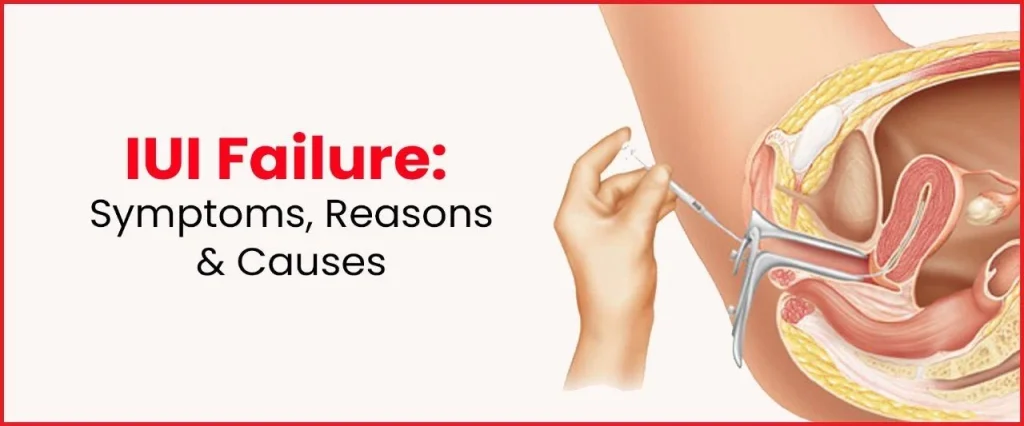
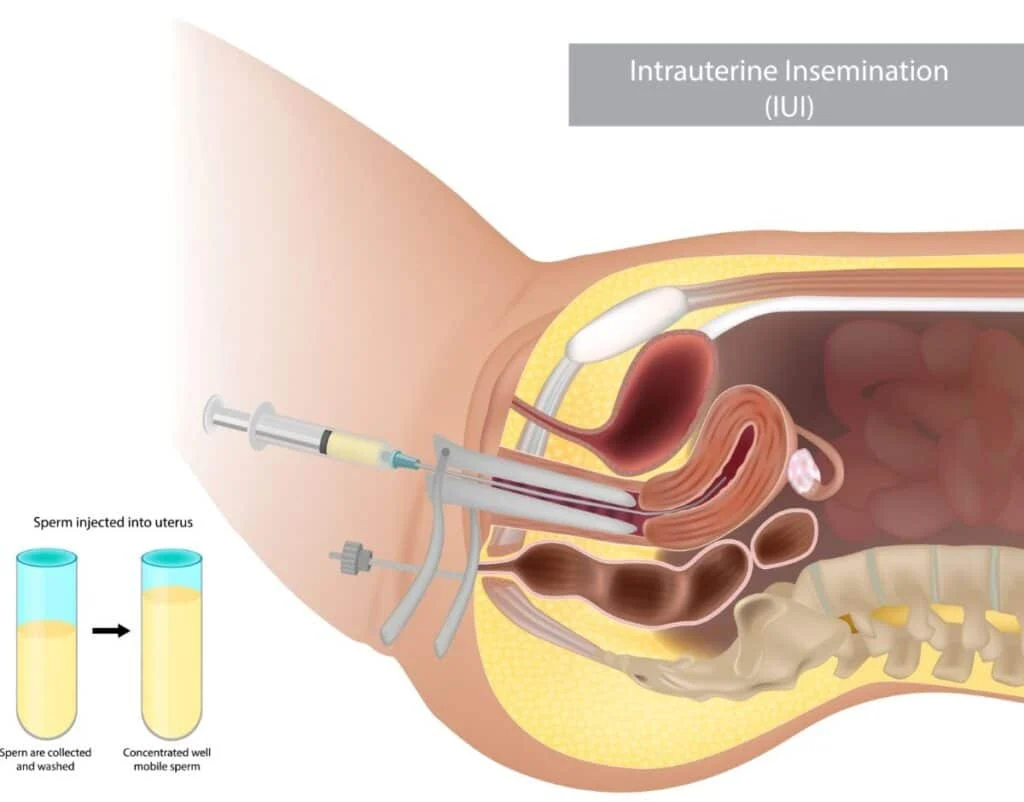
    Artificial insemination, also known as intrauterine insemination (IUI), is a method of assisted reproductive technology (ART) where sperm is inserted directly into a woman’s uterus in order to fertilize an egg. This can be done with the partner’s sperm or with donor sperm. The process typically involves a series of hormone injections and ultrasounds to monitor ovulation and the growth of follicles. Once the timing is right, the sperm is inserted through a catheter into the uterus.

    For many couples, the decision to pursue artificial insemination is not an easy one. It may be due to fertility issues or same-sex couples looking to start a family. Whatever the reason, the process can be emotionally taxing. The initial excitement and hope for a successful pregnancy can quickly turn into anxiety and stress as the couple goes through the various steps of the procedure. There may be a constant fear of the unknown, such as whether the sperm will successfully fertilize the egg and if the pregnancy will be viable.

    Moreover, the process of artificial insemination can also take a toll on a couple’s relationship. The constant appointments and injections can be physically and mentally draining, leaving little time and energy for intimacy and emotional connection. Couples may also experience feelings of inadequacy or guilt, especially if one partner is unable to produce viable sperm or if the procedure is unsuccessful.

    Natural Conception: The Journey and Emotional Impact

    On the other hand, natural conception involves the traditional method of trying to conceive through sexual intercourse. This process may seem more straightforward and less invasive, but it also comes with its own set of emotional challenges.

    For couples who are trying to conceive naturally, there is often a sense of pressure and urgency to get pregnant. This can lead to feelings of frustration and disappointment when it doesn’t happen as quickly as expected. Women may also experience guilt or shame if they have fertility issues, and men may feel a sense of inadequacy if they are unable to impregnate their partner.

    In addition, the emotional journey of natural conception can also be affected by outside factors such as age and societal expectations. As women age, their fertility declines, which can create added stress and anxiety for couples trying to conceive. Society also puts pressure on couples to have children, which can lead to feelings of inadequacy or failure if they are unable to do so.

    The Impact on Relationships

    doctor discussing treatment with a patient in a medical office, featuring an ultrasound machine in the background

    The Emotional Journey: Artificial Insemination vs Natural Conception

    Both artificial insemination and natural conception can have a significant impact on a couple’s relationship. The stress and emotional rollercoaster of trying to conceive can strain even the strongest of relationships. Communication is key during this time, as couples may experience a range of emotions and may not always be on the same page.

    It’s important for couples to be open and honest with each other, to share their fears and concerns, and to support each other through the process. Seeking counseling or joining support groups can also be beneficial for couples going through this journey together.

    The Emotional Journey of Pregnancy

    Once a couple has successfully conceived, the emotional journey is far from over. Pregnancy is a time filled with a rollercoaster of emotions, from excitement and joy to fear and anxiety. For couples who have gone through artificial insemination, there may be feelings of relief and happiness that the procedure was successful. However, there may also be a sense of detachment or guilt for not conceiving naturally.

    For couples who have conceived naturally, there may be a sense of pride and accomplishment, but also a lingering fear of miscarriage or complications. Furthermore, the hormonal changes that occur during pregnancy can also take a toll on a woman’s emotions, leading to mood swings and heightened sensitivity.

    The Journey to Parenthood

    The emotional journey of artificial insemination or natural conception does not end with pregnancy. For both methods, there are still challenges and emotions to navigate as the couple prepares for parenthood. The physical and emotional changes that occur during pregnancy can be overwhelming, and there may be fears and concerns about becoming a parent. For couples who have struggled with infertility, there may also be a sense of anxiety and pressure to be the perfect parent and make up for lost time.

    However, despite the emotional ups and downs, the journey to parenthood can also bring a sense of fulfillment, love, and joy. It’s important for couples to take care of their emotional well-being during this time, to lean on each other for support, and to seek help if needed.

    In conclusion, the emotional journey of artificial insemination and natural conception can be a rollercoaster of emotions for couples. Both methods come with their own set of challenges and can put a strain on relationships. However, with open communication and support, couples can navigate through this journey together and come out stronger on the other side.

    Summary:

    Starting a family can be a challenging and emotional journey, especially when couples are faced with the decision of whether to pursue artificial insemination or natural conception. Both methods have their own set of benefits and challenges, but the emotional impact of each cannot be overlooked. The process of artificial insemination can be physically and mentally draining, and can also strain relationships. On the other hand, natural conception can come with a sense of pressure and societal expectations, leading to feelings of guilt and frustration. The emotional journey continues throughout pregnancy and into parenthood, but with open communication and support, couples can navigate through these challenges and come out stronger on the other side.

  • IVF for Same-Sex Couples: The Ultimate Guide

    Blog Post Title: IVF for Same-Sex Couples: The Ultimate Guide

    Introduction:
    In recent years, advancements in reproductive technology have made it possible for same-sex couples to have children through in vitro fertilization (IVF). This has opened up a world of possibilities for LGBTQ+ couples who wish to start a family. However, navigating the world of IVF can be overwhelming, especially for those who are new to the process. In this blog post, we will provide a comprehensive guide to IVF for same-sex couples, covering everything from the basics of IVF to the legal and ethical considerations to keep in mind.

    Understanding IVF:
    IVF is a type of assisted reproductive technology (ART) that involves fertilizing an egg with sperm outside the body before transferring the embryo to the uterus. The process typically involves several steps, including ovarian stimulation, egg retrieval, fertilization, and embryo transfer. While IVF was initially developed to help heterosexual couples struggling with infertility, it has since become a popular option for same-sex couples to conceive.

    Finding a Clinic:
    The first step in the IVF process for same-sex couples is finding a reputable fertility clinic. It is crucial to choose a clinic that has experience working with LGBTQ+ couples and a supportive and inclusive environment. You can ask for recommendations from your doctor, friends, or LGBTQ+ support groups. Additionally, it is essential to research the clinic’s success rates and any specific services they offer for same-sex couples.

    Choosing a Donor:
    One of the significant decisions that same-sex couples will need to make when undergoing IVF is choosing a donor. Depending on the couple’s preferences, they can opt for a known donor, such as a friend or family member, or an anonymous donor through a sperm bank. It is crucial to consider factors such as physical characteristics, medical history, and the donor’s willingness to have contact with the child in the future. Some clinics also offer the option of using a donor egg, which can be fertilized with one partner’s sperm or a donor’s sperm.

    Legal Considerations:
    When it comes to IVF for same-sex couples, there are several legal considerations to keep in mind. The laws and regulations surrounding IVF can vary from state to state and country to country. It is crucial to consult with a lawyer who specializes in reproductive law to ensure that your rights as parents are protected. In some cases, a second-parent adoption may be necessary to establish legal parenthood for the non-biological parent.

    Diagram illustrating intrauterine insemination (IUI) procedure with sperm injection into the uterus.

    IVF for Same-Sex Couples: The Ultimate Guide

    Ethical Considerations:
    While IVF has opened up possibilities for same-sex couples to have children, it is essential to consider the ethical implications of the process. Some may argue that IVF goes against natural conception and may have religious or moral objections to the process. However, it is crucial to remember that every couple has the right to make their own reproductive choices.

    The Emotional Journey:
    Undergoing IVF can be an emotional rollercoaster for many same-sex couples. The process can be physically and emotionally demanding, and it is essential to have a strong support system in place. Many clinics offer counseling services to help couples navigate the emotional challenges of IVF. It is also crucial to communicate openly with your partner and seek out support from friends or LGBTQ+ support groups.

    Costs and Insurance Coverage:
    IVF can be a costly process, and it is essential to consider the financial implications before embarking on the journey. The costs can vary depending on the clinic, the type of treatment, and any additional services required. It is crucial to research the costs and insurance coverage options beforehand and create a budget plan. Some insurance companies may offer coverage for fertility treatments, so it is essential to inquire about your policy’s specifics.

    Alternative Options:
    While IVF may be the most common option for same-sex couples looking to conceive, there are alternative options available. For male-male couples, surrogacy may be an option, where a surrogate carries the embryo to term. Adoption is also a popular option for same-sex couples looking to start a family.

    Conclusion:
    IVF has opened up a world of possibilities for same-sex couples who wish to have children. However, navigating the process can be challenging, and it is essential to have a thorough understanding of the basics, legal and ethical considerations, and alternative options. With the right support and resources, IVF can be a successful and rewarding journey for same-sex couples.

    Summary:
    In this blog post, we discussed IVF for same-sex couples, covering everything from the basics of the process to legal and ethical considerations. We first explained what IVF is and how it works and then discussed the importance of finding a reputable clinic and choosing a donor. We also highlighted the legal and ethical considerations to keep in mind, such as consulting with a reproductive lawyer and considering the emotional journey. Additionally, we touched upon the costs and insurance coverage of IVF and alternative options available for same-sex couples. With this comprehensive guide, we hope to provide valuable information and resources for same-sex couples considering IVF as a way to start a family.

  • Navigating the Emotional Journey of Fertility: Advice from Those Who Have Been There

    Fertility is a deeply personal and emotional journey for many individuals and couples. The desire to have a child and build a family can be all-consuming, and the challenges of fertility can be overwhelming. For those on this journey, it can feel like a rollercoaster of emotions, from hope and excitement to disappointment and despair. It’s a journey that can often be isolating and difficult to navigate alone.

    In this blog post, we will explore the emotional journey of fertility and offer advice from individuals who have been through it. These individuals have shared their experiences and wisdom to provide support and guidance for others on this journey. We hope that their stories and advice will help those struggling with fertility to feel less alone and more empowered to navigate their own emotional journey.

    The Overwhelming Desire to Have a Child

    For many people, the desire to have a child is an overwhelming and all-consuming feeling. It’s a natural instinct to want to build a family and pass on your genes and legacy. However, when faced with fertility challenges, this desire can become a source of great pain and frustration.

    One woman, who wishes to remain anonymous, shared her experience of this overwhelming desire, saying, “I always knew I wanted to be a mother, but when my husband and I started trying to conceive, it became an all-consuming desire. Every month, when my period arrived, it felt like a punch in the gut. I couldn’t understand why it wasn’t happening for us.”

    The emotional toll of this desire can be immense, and it’s essential to acknowledge and validate these feelings. It’s okay to feel frustrated, sad, and even angry about your fertility struggles. It’s a natural and valid response to a challenging situation.

    Advice from Those Who Have Been There

    So how can you cope with this overwhelming desire and the emotions that come with it? Those who have been through this journey have shared their advice and insights on how to navigate these difficult emotions.

    1. Find a Support System

    One of the most important pieces of advice from those who have been through fertility challenges is to find a support system. This can include your partner, family, friends, or even online support groups. Having people who understand and can empathize with your struggles can be incredibly comforting and validating.

    One woman, who struggled with infertility, shared her experience of finding support, saying, “It was so helpful to connect with other women who were going through similar struggles. We could share our experiences, offer each other support, and remind each other that we were not alone in this journey.”

    2. Take Care of Your Mental and Emotional Health

    illustration of the IUI process, showing sperm collection, preparation, and insertion into the uterus

    Navigating the Emotional Journey of Fertility: Advice from Those Who Have Been There

    The emotional toll of fertility challenges can be immense, and it’s crucial to prioritize your mental and emotional health. This can include therapy, self-care practices, and finding healthy coping mechanisms.

    One woman, who went through multiple rounds of fertility treatments, shared her experience, saying, “It was so important for me to take care of my mental health during this journey. I went to therapy, practiced mindfulness, and found healthy ways to cope with the stress and disappointment. It made a significant difference in my overall well-being.”

    3. Educate Yourself and Advocate for Yourself

    Another crucial piece of advice from those who have been through fertility challenges is to educate yourself about your options and advocate for yourself. It’s essential to be knowledgeable about the various fertility treatments and to ask questions and advocate for your needs during appointments.

    One woman, who went through IVF, shared her experience, saying, “I did a lot of research and asked a lot of questions during my fertility treatments. I wanted to make sure I understood all of my options and felt confident in the decisions I was making. It gave me a sense of control in a situation that often felt out of my control.”

    4. Be Kind to Yourself

    Fertility challenges can take a toll on your self-esteem and self-worth, but it’s crucial to be kind to yourself during this journey. Remind yourself that you are doing the best you can, and it’s not your fault if things don’t go as planned.

    One woman, who went through multiple miscarriages, shared her experience, saying, “It was challenging not to blame myself for my body’s inability to carry a pregnancy. But I had to remind myself that it wasn’t my fault and that I was doing everything I could. Being kind to myself was a crucial part of my emotional healing.”

    5. Remember That You Are Not Defined by Your Fertility

    Lastly, it’s essential to remember that your worth and identity are not defined by your ability to have a child. You are so much more than your fertility struggles, and it’s crucial to hold onto that perspective.

    One woman, who eventually chose to pursue other paths to parenthood, shared her experience, saying, “It took me a while to let go of the idea that I had to give birth to a child to be a mother. But once I did, I felt a sense of freedom and relief. I realized that my worth and identity were not tied to my fertility, and that allowed me to explore other paths to parenthood.”

    Summary:

    The emotional journey of fertility can be a rollercoaster of emotions, from hope and excitement to disappointment and despair. It’s a journey that can be isolating and challenging to navigate alone. However, there are ways to cope with and manage these emotions. The advice from those who have been through fertility challenges includes finding a support system, taking care of your mental and emotional health, educating yourself and advocating for yourself, being kind to yourself, and remembering that you are not defined by your fertility. By following this advice, those on the journey of fertility can feel less alone and more empowered to navigate their own emotional journey.