Fertility Medications: What You Need to Know Before Starting Treatment
Struggling with fertility can be a difficult and emotional journey for many couples. Fortunately, advances in modern medicine have provided various fertility treatments such as medication to help couples achieve their dream of starting a family. Fertility medications can be a helpful tool in assisting with conception, but it is important to have a thorough understanding of these medications before starting treatment. In this blog post, we will discuss the basics of fertility medications, their purpose, types, and potential side effects, as well as important things to consider before beginning treatment.
Understanding Fertility Medications:
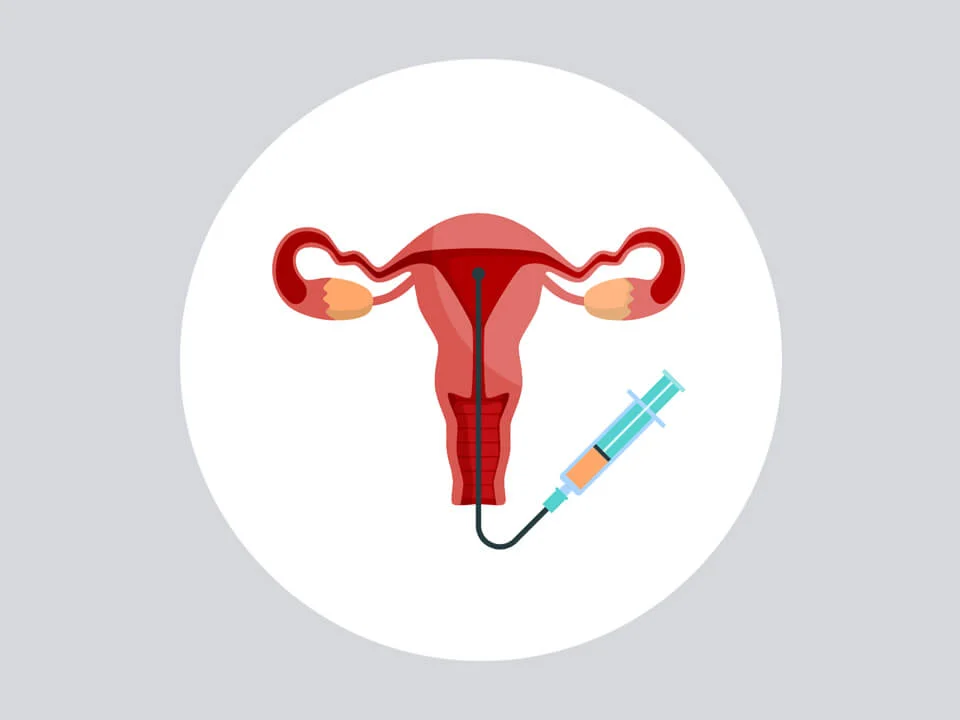
Fertility medications are drugs that are used to help regulate the reproductive hormones in both men and women. These medications work by stimulating the ovaries to produce more eggs or by regulating the menstrual cycle. They can also be used to improve sperm production in men. Fertility medications are often used in conjunction with other fertility treatments such as intrauterine insemination (IUI) or in vitro fertilization (IVF) to increase the chances of successful conception.
Types of Fertility Medications:
There are various types of fertility medications available, and the type prescribed will depend on the individual’s specific fertility issues. Some common types include:
1. Clomiphene citrate (Clomid): This is a commonly used oral medication that is used to stimulate ovulation in women with irregular or absent menstrual cycles. It works by blocking estrogen receptors in the brain, causing it to produce more follicle-stimulating hormone (FSH) and luteinizing hormone (LH), which are necessary for ovulation.
2. Gonadotropins: These are injectable medications that contain FSH and LH and are used to stimulate the ovaries directly. They are often prescribed for women who do not respond to clomiphene citrate or have other fertility issues such as polycystic ovary syndrome (PCOS).
3. Metformin: This medication is commonly used to treat type 2 diabetes, but it can also be prescribed to women with PCOS to regulate their menstrual cycles and improve ovulation.
4. Human chorionic gonadotropin (hCG): This hormone is used to trigger ovulation in women who have been undergoing fertility treatments such as IUI or IVF.
5. Aromatase inhibitors: These medications are typically used to treat breast cancer but can also be prescribed to women with PCOS to stimulate ovulation.
Fertility Medications: What You Need to Know Before Starting Treatment
Potential Side Effects:
Like any medication, fertility drugs can have side effects. The most common side effects include hot flashes, mood swings, weight gain, bloating, breast tenderness, and headaches. In rare cases, fertility medications can also increase the risk of ovarian hyperstimulation syndrome (OHSS), a condition where the ovaries become enlarged and painful. It is important to discuss potential side effects with your doctor and monitor your body’s response to the medication closely.
Things to Consider Before Starting Treatment:
Before beginning fertility medication, there are a few important things to consider:
1. Consult with a fertility specialist: It is crucial to seek the guidance of a qualified fertility specialist before starting any medication. They will be able to evaluate your individual situation and recommend the most suitable treatment plan for you.
2. Understand the risks and benefits: It is essential to have a thorough understanding of the potential risks and benefits of fertility medication. This will help you make an informed decision and prepare for any potential side effects.
3. Discuss financial implications: Fertility treatments can be expensive, and it is important to discuss the financial implications with your doctor upfront. They may be able to provide information about insurance coverage or other financial assistance programs.
4. Be prepared for emotional ups and downs: The process of fertility treatment can be emotionally challenging, and it is important to prepare yourself for the ups and downs. It is also helpful to have a strong support system in place, whether it be your partner, family, or friends.
5. Follow instructions carefully: Fertility medications need to be taken at specific times and in specific dosages. It is crucial to follow your doctor’s instructions carefully to ensure the best possible results.
In conclusion, fertility medications can be a valuable tool in helping couples achieve their dream of starting a family. However, it is important to have a thorough understanding of these medications, their purpose, types, potential side effects, and things to consider before starting treatment. Always consult with a fertility specialist and follow instructions carefully to increase the chances of a successful outcome. Remember to prioritize self-care and seek support from loved ones during this emotional journey.
Summary:
Fertility medications are drugs that are used to help regulate reproductive hormones in men and women. They can be used in conjunction with other fertility treatments to increase the chances of successful conception. There are various types of fertility medications, and potential side effects should be discussed with a doctor. Before starting treatment, it is important to consult with a fertility specialist, understand the risks and benefits, discuss financial implications, prepare for emotional ups and downs, and follow instructions carefully.
Leave a Reply