Blog Post:
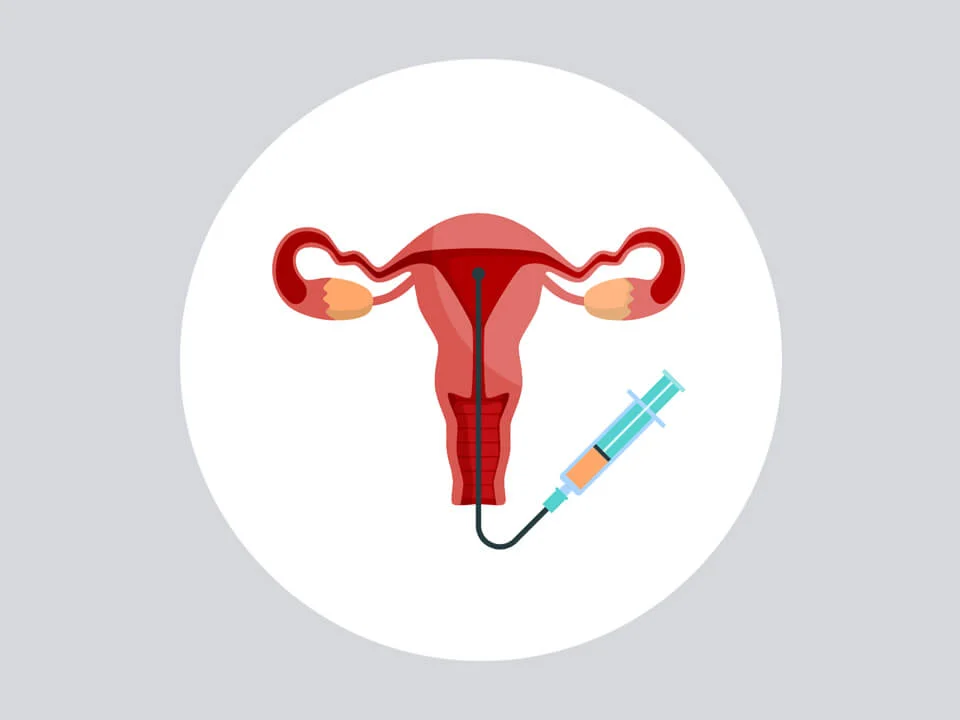
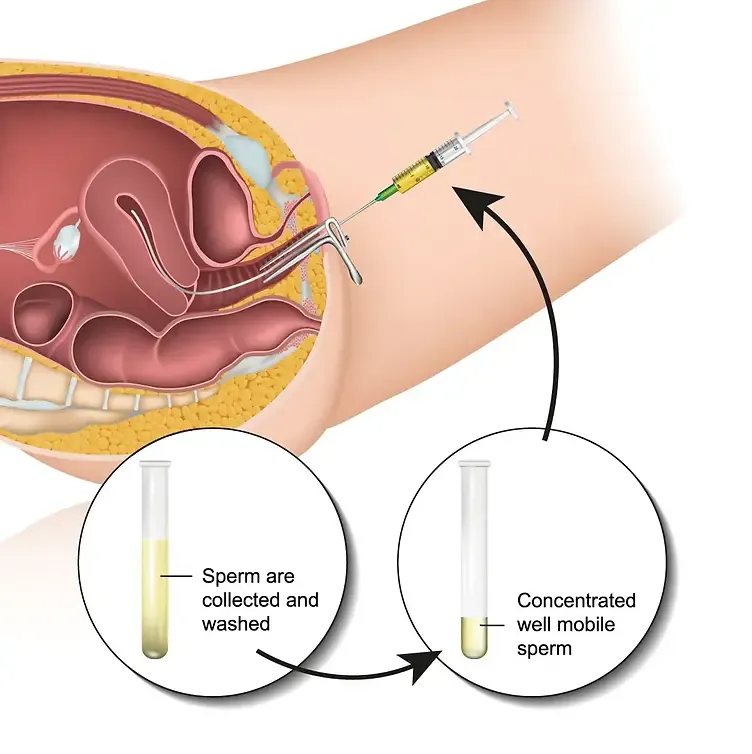
DIY insemination, also known as at-home insemination, is a method of conception that involves using a sperm donor to fertilize an egg without medical assistance. This process has become increasingly popular among individuals and couples who are looking to start a family on their own terms, without the involvement of a traditional fertility clinic. While DIY insemination can be a viable option for many, it is important to understand the legalities involved in order to ensure a safe and secure process for all parties involved.
Legal Considerations for Sperm Donors:
The first and most important aspect to consider in DIY insemination is the legal implications for sperm donors. In most countries, the person who provides the sperm is legally recognized as the father of the child, unless proven otherwise. This means that without proper legal documentation, a sperm donor may have legal rights and responsibilities towards the child, such as financial support and custody. It is crucial for sperm donors to understand and protect their legal rights before agreeing to donate sperm.
One way to protect the rights of sperm donors is through a written agreement between all parties involved. This agreement should clearly outline the intention of the donor to have no legal rights or responsibilities towards the child. It should also address any potential legal implications, such as parental rights and financial obligations. It is recommended to seek legal advice when drafting such an agreement to ensure that it is legally binding and enforceable.
Legal Considerations for Recipients:
On the other hand, recipients of the sperm also have legal considerations to take into account. In many countries, the law recognizes the person who gives birth to the child as the legal mother, regardless of who the genetic mother is. This means that if a woman uses a sperm donor to conceive, her partner or spouse may not have any legal rights or responsibilities towards the child. In the event of separation or divorce, this could lead to a complicated custody battle for the non-biological parent.
To avoid such circumstances, it is important for recipients to take legal steps to establish their partner’s legal rights as a parent to the child. This can be done through a legal agreement or by obtaining a second-parent adoption, which allows the non-biological parent to become a legal parent of the child. It is crucial to consult with a lawyer to ensure that all legal requirements are met and that the rights of both parents are protected.

The Legalities of DIY Insemination: Ensuring a Safe and Secure Process for All Parties Involved
Risks of DIY Insemination:
Aside from the legal considerations, there are also potential risks involved in DIY insemination that both donors and recipients should be aware of. These risks include the potential for sexually transmitted infections (STIs) and the potential for the donor to have a genetic condition that could be passed on to the child. In a traditional fertility clinic, donors are thoroughly screened for these risks, but in DIY insemination, this responsibility falls on the individuals involved.
To reduce these risks, it is important for both parties to undergo STI testing and receive genetic counseling before proceeding with insemination. This not only ensures the health and safety of all parties involved, but also protects the well-being of the potential child.
Legal Implications for the Child:
The legal implications of DIY insemination also extend to the child. In many countries, children conceived through DIY insemination may not have access to important information about their biological origin, such as the identity of the donor. This could lead to complex emotional and psychological issues for the child, as they may have questions about their identity and medical history.
To address these concerns, it is recommended for donors to be open to the possibility of future contact with the child. This could mean providing identifying information or agreeing to meet the child once they reach a certain age. Recipients should also consider the potential impact on the child and be open to discussing the child’s origins and answering any questions they may have.
Summary:
DIY insemination can be a viable option for individuals and couples looking to start a family, but it is important to understand the legalities involved. Sperm donors should protect their legal rights through a written agreement, while recipients should take legal steps to establish their partner’s rights as a parent. Both parties should also be aware of the potential risks involved and take necessary precautions to protect the health and well-being of all parties involved. Furthermore, the legal implications for the child should also be considered, and open communication and transparency between all parties can help address any potential issues.
In conclusion, DIY insemination can be a safe and secure process for all parties involved if proper legal considerations are taken into account. It is important to consult with legal professionals and have open communication between all parties to ensure a smooth and legally sound process.