Tag: Parenthood

  • The Surrogacy vs Adoption Dilemma: What to Consider

    The decision to start a family is one that many couples and individuals face at some point in their lives. For some, the journey to parenthood may not be as straightforward as they had hoped. In these cases, surrogacy and adoption are two options that many consider. However, there are many factors to consider when choosing between these two paths to parenthood. In this blog post, we will explore the surrogacy vs. adoption dilemma and discuss what factors one should consider when making this decision.

    Firstly, let’s define surrogacy and adoption. Surrogacy is the process in which a woman carries and gives birth to a child for another individual or couple. There are two types of surrogacy: traditional and gestational. Traditional surrogacy involves the surrogate mother using her own egg, making her genetically related to the child. In contrast, gestational surrogacy involves using an egg from the intended mother or a donor, making the surrogate genetically unrelated to the child. Adoption, on the other hand, is the legal process of becoming the parent of a child who is not biologically related to you.

    One of the main factors to consider when deciding between surrogacy and adoption is the cost. Surrogacy can be a costly process, with the average cost ranging from $90,000 to $130,000. This includes the cost of medical procedures, legal fees, and compensation for the surrogate. In contrast, adoption costs can vary greatly depending on the type of adoption, but on average, it can range from $30,000 to $50,000. Additionally, many adoption agencies offer financial assistance and tax credits to help ease the financial burden. It’s important to consider your budget and financial resources when deciding between surrogacy and adoption.

    Another factor to consider is the emotional aspect of each option. Surrogacy involves a deeply personal and intimate relationship between the surrogate and the intended parents. It requires a great deal of trust and communication, as well as navigating the legal and emotional complexities of the process. Adoption, on the other hand, can also be an emotional journey, as it involves welcoming a child into your family who may have had a difficult past. It’s essential to be prepared for the emotional challenges that come with both surrogacy and adoption.
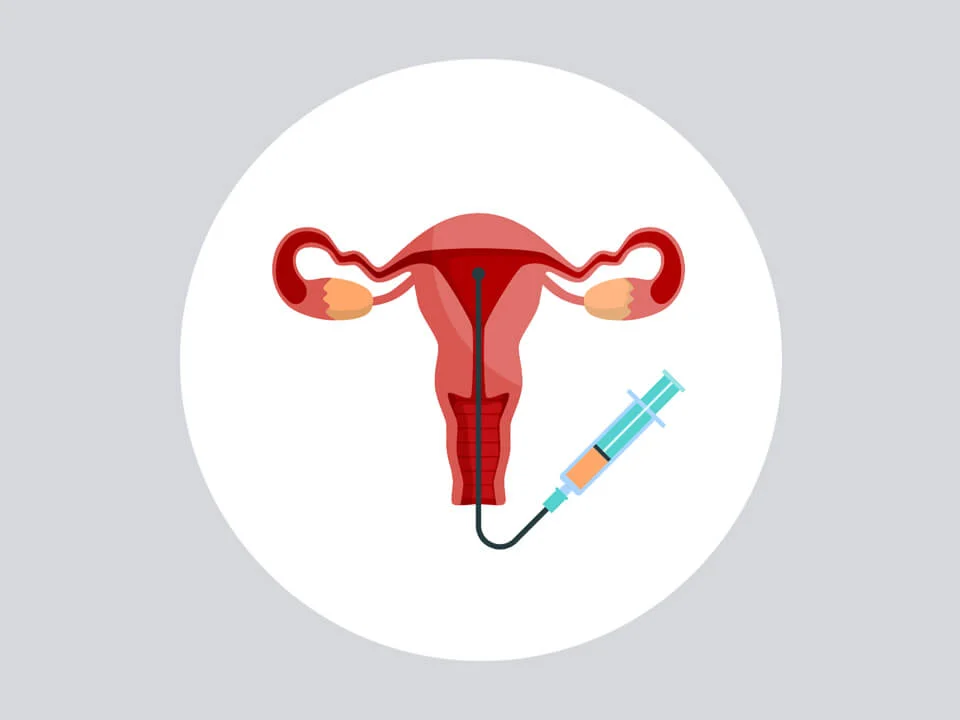
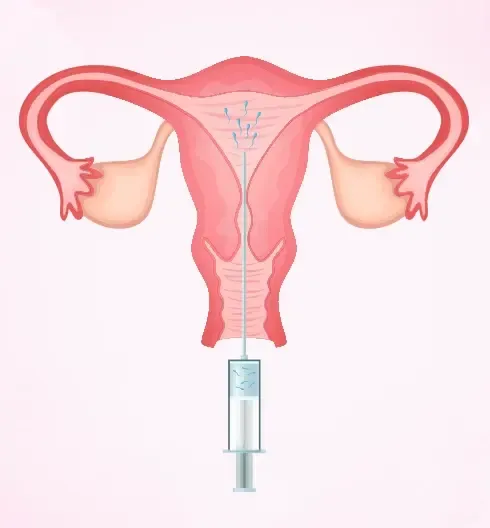
    Illustration of a uterus with a syringe, representing intrauterine insemination (IUI) procedure.

    The Surrogacy vs Adoption Dilemma: What to Consider

    The legal aspect is another crucial factor to consider. Surrogacy laws vary from state to state, and some states do not allow surrogacy at all. It’s essential to do thorough research and consult with a lawyer to ensure that you are following all legal requirements. Adoption also involves a legal process, and it’s important to work with a reputable agency or lawyer to ensure that all legal requirements are met. This can be a lengthy and complicated process, so it’s crucial to be well-informed and prepared.

    One of the most significant differences between surrogacy and adoption is the genetic connection to the child. Surrogacy allows for a biological connection to the child, while adoption does not. For some, this may be a significant factor, and it’s important to consider what is most important to you when it comes to parenthood.

    It’s also essential to consider the time frame for each option. Surrogacy can take a significant amount of time, as it involves finding and establishing a relationship with a surrogate, undergoing medical procedures, and navigating the legal process. Adoption can also take time, as it involves finding an agency, completing the necessary paperwork and home studies, and waiting for a match with a child. It’s crucial to be realistic about the time frame for both options and consider how it may fit into your life.

    One factor that is often overlooked is the impact on the child. With surrogacy, the child may have questions about their genetic background and may have a relationship with the surrogate. In contrast, with adoption, the child may have questions about their biological family and their past. It’s essential to be prepared to support and guide your child through these questions and emotions, regardless of which option you choose.

    In summary, there are many factors to consider when deciding between surrogacy and adoption. It’s crucial to think about your financial resources, emotional readiness, and legal considerations. Additionally, the genetic connection to the child, time frame, and impact on the child should also be taken into account. Ultimately, the decision will be different for every individual or couple, and it’s essential to carefully consider all aspects before making a choice.

  • Surrogacy vs Adoption: A LGBTQ+ Perspective

    Surrogacy vs Adoption: A LGBTQ+ Perspective

    The journey towards parenthood for LGBTQ+ couples and individuals has traditionally been a challenging one, with limited options available. However, with advancements in reproductive technology and changing societal attitudes, the doors to parenthood have opened wider for the LGBTQ+ community. One of the most important decisions that LGBTQ+ individuals and couples face when considering starting a family is whether to pursue surrogacy or adoption. Both options have their own unique benefits and challenges, and it can be a difficult decision to make. In this blog post, we will explore surrogacy and adoption from a LGBTQ+ perspective, discussing the pros and cons of each option and providing guidance for those considering both routes to parenthood.

    Surrogacy:

    Surrogacy is the process of using a surrogate mother to carry and give birth to a child for someone else. This can be done through traditional surrogacy, where the surrogate’s own eggs are used, or through gestational surrogacy, where the eggs of the intended parent(s) or a donor are used. Surrogacy offers LGBTQ+ individuals and couples the opportunity to have a biological connection to their child, which can be a significant factor for many. It also allows for more control over the process, as the intended parent(s) can select a surrogate who aligns with their values and wishes.

    However, surrogacy can also be a costly and complex process. Finding a suitable surrogate can be challenging, and there are often legal and emotional complexities involved. In addition, surrogacy is not yet legally recognized in all countries, which can create additional hurdles for LGBTQ+ individuals and couples. For example, in some countries, same-sex couples may not be allowed to enter into a surrogacy agreement, or the child may not be recognized as a legal member of the family. It is important for those considering surrogacy to thoroughly research the laws and regulations in their country or state before making a decision.

    Adoption:

    Adoption is the legal process of permanently transferring parental rights and responsibilities from one person or couple to another. It offers LGBTQ+ individuals and couples the opportunity to provide a loving and stable home to a child in need. Adoption can also be a more affordable option compared to surrogacy, as there are often grants and financial assistance available for those looking to adopt.

    A person administering an injection into their abdomen with a yellow pen-like device.

    Surrogacy vs Adoption: A LGBTQ+ Perspective

    One of the main challenges for LGBTQ+ individuals and couples when it comes to adoption is the potential for discrimination. While same-sex couples are legally allowed to adopt in many countries, there are still some agencies and individuals who may have biased attitudes towards LGBTQ+ individuals and couples. This can lead to longer waiting times and a more difficult adoption process. It is important for LGBTQ+ individuals and couples to research and choose adoption agencies that are LGBTQ+ friendly and have a track record of successful adoptions for LGBTQ+ families.

    The Pros and Cons of Surrogacy and Adoption:

    Both surrogacy and adoption have their own unique benefits and challenges, and the decision ultimately depends on the individual circumstances of the intended parent(s). Surrogacy allows for a biological connection to the child and more control over the process, but it can also be costly and legally complex. Adoption offers the opportunity to provide a loving home to a child in need, but it can also come with challenges such as potential discrimination and longer waiting times.

    For LGBTQ+ individuals and couples, it is important to consider all factors and do thorough research before deciding on a route to parenthood. It may also be helpful to seek guidance from other LGBTQ+ families who have gone through either surrogacy or adoption to gain a better understanding of the process and any potential challenges.

    In the end, the most important thing is for the child to be loved and cared for, regardless of whether they are biologically related to their parents. Both surrogacy and adoption can provide loving and stable homes for children, and the decision should ultimately be based on what is best for the child and the intended parent(s).

    Summary:

    The journey towards parenthood for LGBTQ+ individuals and couples has become more accessible with advancements in reproductive technology and changing societal attitudes. When considering starting a family, surrogacy and adoption are two options available, each with their own benefits and challenges. Surrogacy allows for a biological connection to the child, but can be costly and legally complex. Adoption offers the opportunity to provide a loving home to a child in need, but may come with potential challenges such as discrimination. The most important factor is for the child to be loved and cared for, and the decision should be based on what is best for the child and the intended parent(s).

  • The Surrogacy vs Adoption Debate: Who’s Right?

    The decision to start a family is one of the biggest and most life-altering choices a person can make. For some, the journey to parenthood is straightforward and natural. But for others, it can be a more complicated and emotional process. This is where the debate between surrogacy and adoption comes into play. While both options offer the opportunity to become parents, they have their own unique set of pros and cons that can leave people wondering, “Who’s right?”

    In this blog post, we will delve into the surrogacy vs adoption debate and explore the various arguments and perspectives surrounding these two methods of building a family. We will also discuss the ethical considerations and societal attitudes towards each option, as well as the emotional impact on both the intended parents and the child.

    Surrogacy: A Modern Solution to Infertility

    Surrogacy is a method of assisted reproduction where a woman, known as the surrogate, carries a child for another individual or couple, known as the intended parents. There are two types of surrogacy: traditional and gestational. In traditional surrogacy, the surrogate’s egg is fertilized with the intended father’s sperm, while in gestational surrogacy, the embryo is created using the intended parents’ genetic material or donated gametes.

    One of the main reasons why people opt for surrogacy is because they are unable to conceive naturally. This can be due to various reasons such as infertility, medical conditions, or same-sex couples. Surrogacy provides a solution for these individuals to have a biological child and experience the joys of parenthood.

    Another advantage of surrogacy is that the intended parents have a greater control over the pregnancy and birth process. They can be involved in every step, from selecting the surrogate to being present at the birth of their child. This level of involvement may provide a sense of security and satisfaction for the intended parents, as they are able to witness the development of their child from the very beginning.

    However, surrogacy also comes with its own set of challenges. One of the most significant concerns is the financial aspect. Surrogacy is an expensive process, with the cost ranging from $90,000 to $130,000 on average. This high cost can make it inaccessible for many people, especially those from lower socioeconomic backgrounds.

    Another issue that is often raised is the potential exploitation of the surrogate. Critics argue that the surrogate is being paid to carry a child and that this can lead to a commodification of both the woman and the child. There have been cases where the surrogate was forced to terminate the pregnancy or give up the child due to contractual obligations. This raises questions about the ethical implications of surrogacy and whether it is right to treat a woman’s body as a means for someone else’s reproductive needs.

    Adoption: A Selfless Act of Love

    Adoption, on the other hand, is the legal process of permanently transferring parental rights and responsibilities from the biological parents to the adoptive parents. It is often seen as a selfless act of love, where individuals or couples choose to give a child a loving and stable home.

    One of the most significant advantages of adoption is that it provides a solution for children who are in need of a permanent home. There are millions of children worldwide who are waiting to be adopted, and by choosing to adopt, individuals can make a significant impact on a child’s life.

    Adoption also offers a more affordable option compared to surrogacy. The cost of adoption can range from $0 to $50,000, with many agencies offering financial assistance and subsidies for families with lower incomes.

    Additionally, adoption allows individuals to choose from a wide range of children, including infants, older children, and even children with special needs. This flexibility allows individuals to find a child that they feel is the best fit for their family.

    Comparison of IUI and IVF with illustrations of each procedure.

    The Surrogacy vs Adoption Debate: Who's Right?

    However, the adoption process can be lengthy and emotionally taxing for the individuals involved. Adoptive parents must go through extensive screening and training, and there is always the risk of the biological parents changing their minds and wanting their child back. There are also concerns about the adoptive child’s emotional well-being and whether they will feel a sense of belonging in their new family.

    The Debate: Ethics and Attitudes

    The surrogacy vs adoption debate often boils down to ethics and societal attitudes. Both methods involve bringing a child into the world, but the circumstances and motivations behind each are different.

    One of the main arguments against surrogacy is that it promotes a “designer baby” mentality, where people can choose the characteristics of their child. This can further perpetuate the idea that certain traits or characteristics are more desirable than others, leading to discrimination and inequality.

    Adoption, on the other hand, is often seen as a more ethical and selfless choice. By giving a child a home, adoptive parents are providing a loving and stable environment for a child in need. However, there is also the concern that adoption can reinforce the idea of the “savior complex,” where adoptive parents may feel superior to the child and their birth parents.

    Societal attitudes towards surrogacy and adoption also play a role in the debate. Surrogacy is still a relatively new concept, and many people are not familiar with the process and its implications. This lack of understanding can lead to misconceptions and negative attitudes towards surrogacy. Adoption, on the other hand, has been around for centuries and is generally viewed more positively. However, there is still a stigma attached to adoption, and many adoptive families face discrimination and judgment.

    The Emotional Impact on All Parties Involved

    The surrogacy vs adoption debate also has a significant emotional impact on all parties involved. For intended parents, the journey can be filled with hope, anxiety, and uncertainty. The fear of not being able to have a child biologically can take a toll on their mental and emotional well-being. Similarly, adoptive parents may experience a range of emotions, from joy and excitement to grief and loss, as they navigate the complexities of the adoption process.

    The surrogate and the birth parents also go through their own emotional journey. For the surrogate, carrying a child for nine months and then giving them away can be a challenging experience. They may struggle with conflicting emotions of attachment and detachment. Birth parents, on the other hand, may experience feelings of guilt and grief as they give up their child for adoption.

    Ultimately, both surrogacy and adoption involve bringing a child into the world and creating a family. Each has its own unique set of challenges and benefits, and there is no right or wrong answer to the debate. It ultimately comes down to what is best for the individuals involved and their personal circumstances.

    In Conclusion

    The surrogacy vs adoption debate is a complex one with no clear winner. While surrogacy offers a way for individuals to have a biological child, adoption provides a loving home for children in need. Both options have their own ethical considerations and emotional impacts. It is important to have open and honest discussions about these methods of creating a family and to support and respect the choices of those involved.

    SEO metadata:

  • Challenges and Rewards of Surrogacy vs Adoption

    Blog Post:

    Surrogacy and adoption are two ways in which people can expand their families. While both options have the same end goal of having a child, the journeys and experiences involved are vastly different. Surrogacy involves a woman carrying and giving birth to a child for another individual or couple, while adoption is the legal process of becoming the parent of a child who is not biologically related to you. Both surrogacy and adoption come with their own set of challenges and rewards, and it is important for individuals or couples considering either option to carefully weigh their options and understand the implications of their choice.

    Challenges of Surrogacy:

    1. Financial Costs: Surrogacy can be an expensive process, with the cost varying depending on the type of surrogacy (traditional or gestational) and the country or state in which the surrogacy takes place. In traditional surrogacy, the surrogate mother is also the biological mother of the child, which can lead to legal and emotional complications. In gestational surrogacy, the embryo is created through in-vitro fertilization and transferred to the surrogate, which can be a costly process.

    2. Legal Complications: The laws surrounding surrogacy can be complex and vary from country to country, and even from state to state within a country. In some places, surrogacy is completely prohibited, while in others, it is heavily regulated. This can lead to legal complications and challenges for individuals or couples seeking surrogacy as a means of having a child.

    3. Emotional Challenges: Surrogacy can be an emotionally charged process for all parties involved. The surrogate mother may face difficulties when bonding with the child she is carrying, and there may be emotional challenges for the intended parents as well. The relationship between the intended parents and the surrogate can also be complicated, as boundaries and expectations need to be clearly defined and respected.

    Rewards of Surrogacy:

    1. Biological Connection: One of the major rewards of surrogacy is that the child is biologically related to at least one of the intended parents. This can be important for individuals or couples who want to have a child that is genetically related to them.

    2. Control and Involvement: Surrogacy allows intended parents to have more control and involvement in the pregnancy and birth process. They can be present for ultrasounds, doctor’s appointments, and even the birth itself, which can help them to feel more connected to the child.

    3. Fulfillment of Parenthood: For individuals or couples who are unable to conceive or carry a child on their own, surrogacy can be a way to fulfill their dream of becoming parents. It allows them to experience the joys and challenges of parenthood and create a family of their own.

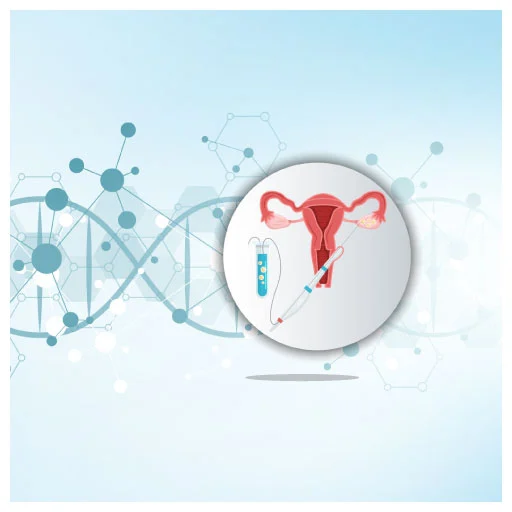
    Illustration of IUI procedure with uterus and syringe against a DNA background.

    Challenges and Rewards of Surrogacy vs Adoption

    Challenges of Adoption:

    1. Legal Complications: Similar to surrogacy, adoption also involves complex legal processes that can vary from country to country and state to state. There may be restrictions on who can adopt, and the process can be lengthy and expensive.

    2. Emotional Challenges: Adoption can be an emotionally taxing process for both the adoptive parents and the child. The child may have experienced trauma or loss, and it can take time for them to adjust to their new family. For the adoptive parents, there may be challenges in bonding with the child and navigating the complexities of an open or closed adoption.

    3. Uncertainty: Unlike surrogacy, where the child is biologically related to at least one of the intended parents, adoption involves uncertainty in terms of the child’s health, background, and potential challenges. This can be daunting for some individuals or couples, as they may not know what to expect when bringing a child into their family.

    Rewards of Adoption:

    1. Providing a Home for a Child in Need: One of the greatest rewards of adoption is providing a loving and stable home for a child who may not have had one otherwise. By adopting, individuals or couples are giving a child the opportunity to grow and thrive in a safe and supportive environment.

    2. Creating a Family: Adoption allows individuals or couples to create a family in a unique and special way. They have the opportunity to provide love, support, and guidance to a child and watch them grow and develop into their own unique person.

    3. Personal Growth: Adoption can also be a rewarding experience in terms of personal growth and learning. It teaches individuals or couples about unconditional love, patience, and resilience, and can bring a deeper understanding and appreciation for the complexities of family.

    In Summary:

    Both surrogacy and adoption have their own set of challenges and rewards. Surrogacy offers a biological connection and more control and involvement in the pregnancy and birth process, but can be expensive and emotionally challenging. Adoption provides the opportunity to give a child a loving home and create a family, but can involve legal and emotional complexities and uncertainty. Ultimately, the decision between surrogacy and adoption is a personal one that should be carefully considered based on individual circumstances and preferences.

  • The Role of the Surrogate vs Adoptive Parent

    Blog Post:

    The Role of the Surrogate vs Adoptive Parent

    When a couple or individual is unable to conceive a child on their own, they often turn to alternative methods such as surrogacy or adoption to fulfill their desire for parenthood. While both surrogacy and adoption involve bringing a child into a family, the roles of the surrogate and adoptive parent differ greatly. In this blog post, we will explore the differences between the two roles and the unique challenges and rewards that each one brings.

    Surrogacy, also known as gestational surrogacy, is when a woman carries a pregnancy for another individual or couple. This can be done through traditional surrogacy, where the surrogate uses her own egg, or gestational surrogacy, where the embryo is created using the intended parent’s sperm and egg or donated sperm and egg. The surrogate’s role is to carry and give birth to the child, but she does not have any legal or biological ties to the child. On the other hand, adoption is the legal process of transferring parental rights and responsibilities from a child’s biological parents to adoptive parents.

    One of the main differences between surrogacy and adoption is the involvement of genetics. In surrogacy, the child is genetically related to one or both of the intended parents, while in adoption, the child is not biologically related to the adoptive parents. This can have a significant impact on the parent-child relationship and the child’s sense of identity. Surrogacy can also involve a more complex legal process, as the surrogate’s rights and intentions must be carefully considered and outlined in a contract.

    Another difference is the level of involvement of the surrogate or adoptive parent in the child’s life after birth. In surrogacy, the intended parents are typically heavily involved throughout the pregnancy, attending doctor’s appointments and creating a relationship with the surrogate. However, after the child is born, the level of involvement can vary depending on the agreement between the parties involved. Some surrogates may choose to have an ongoing relationship with the child and the intended parents, while others may prefer to have no further contact.

    diagram of a uterus with a syringe for intrauterine insemination procedure

    The Role of the Surrogate vs Adoptive Parent

    In adoption, the adoptive parents are usually involved throughout the entire process, from the initial application to the finalization of the adoption. Once the adoption is finalized, the adoptive parents become the child’s legal parents, with all the rights and responsibilities that come with parenthood. In most cases, the biological parents have little to no involvement in the child’s life after the adoption is complete.

    Both surrogacy and adoption come with their own set of challenges and rewards. For surrogates, the physical and emotional toll of carrying a child for someone else can be significant. They must also navigate complex legal and emotional boundaries, as they are not the child’s legal parents. However, surrogates also have the satisfaction of helping someone else create a family and experience the joy of parenthood.

    Adoptive parents may face challenges such as navigating the adoption process, dealing with potential issues related to the child’s background and adjusting to parenthood. However, they also have the privilege of providing a child with a loving and stable home and the opportunity to create a lifelong bond with their child.

    In terms of legal rights and responsibilities, the roles of surrogates and adoptive parents also differ. In surrogacy, the intended parents are responsible for all medical expenses related to the pregnancy and childbirth, as well as paying the surrogate for her services. However, they are not considered the child’s legal parents until they go through a legal process such as adoption or a parental order. In adoption, the adoptive parents are responsible for all expenses related to the adoption, such as legal fees and adoption agency fees. Once the adoption is finalized, they have all the same legal rights and responsibilities as biological parents.

    In conclusion, while both surrogacy and adoption involve bringing a child into a family, the roles of the surrogate and adoptive parent are different. Surrogacy involves the physical act of carrying and giving birth to a child, while adoption is the legal process of becoming a child’s parent. Each role comes with its own unique challenges and rewards, but both surrogacy and adoption have the power to bring immense joy and fulfillment to those involved.

    Summary:

    Surrogacy and adoption are two methods used by individuals and couples to fulfill their desire for parenthood. While both involve bringing a child into a family, the roles of the surrogate and adoptive parent differ greatly. Surrogacy involves the physical act of carrying and giving birth to a child, while adoption is the legal process of becoming a child’s parent. The involvement of genetics, level of involvement in the child’s life, and legal rights and responsibilities also differ between the two methods. Each role comes with its own unique challenges and rewards, but both surrogacy and adoption have the power to bring immense joy and fulfillment to those involved.

  • Making the Decision: Surrogacy vs Adoption

    Blog Post: Making the Decision: Surrogacy vs Adoption

    Deciding to start a family is a major life decision, and for some couples, the journey to parenthood may not be as straightforward as they had hoped. For those struggling with fertility issues or unable to conceive naturally, the options of surrogacy and adoption can offer hope and a chance to fulfill their dream of becoming parents. However, choosing between surrogacy and adoption can be a difficult and confusing decision. In this blog post, we will explore the pros and cons of both surrogacy and adoption, and provide some guidance on how to make the best decision for your family.

    Surrogacy: What is it?

    Surrogacy is a process in which a woman carries a baby for another person or couple, also known as the intended parents. There are two types of surrogacy: traditional and gestational. In traditional surrogacy, the surrogate mother is also the biological mother of the child, as her egg is fertilized by the intended father’s sperm. In gestational surrogacy, the surrogate mother carries the child but is not biologically related to the baby. Instead, the embryo is created through in vitro fertilization (IVF) using the intended parents’ sperm and egg or a donor’s sperm or egg.

    Pros of Surrogacy

    One of the main advantages of surrogacy is that the intended parents can have a biological connection to the child. This can be particularly important for couples who are unable to conceive naturally or for same-sex couples who want to have a child with both of their DNA. Surrogacy also allows the intended parents to have control over the pregnancy and prenatal care, which can be reassuring for some couples. Additionally, surrogacy can be a faster process compared to adoption, as there is no lengthy waiting period.

    Cons of Surrogacy

    The biggest downside of surrogacy is the cost. Surrogacy can be a very expensive process, with estimated costs ranging from $90,000 to $130,000 in the United States. This high cost is due to the legal and medical expenses, as well as compensation for the surrogate mother. Another potential con of surrogacy is the emotional and legal complexities involved. The relationship between the surrogate mother and the intended parents can be complicated, and there have been cases where the surrogate mother has changed her mind and decided to keep the baby. This can lead to legal battles and emotional turmoil for all parties involved.

    Adoption: What is it?

    Adoption is the legal process of becoming the parent of a child who is not biologically related to you. There are different types of adoption, including domestic adoption, international adoption, and foster care adoption. In domestic adoption, the child is born in the same country as the adoptive parents, while in international adoption, the child is born in a different country. Foster care adoption involves adopting a child who is in the foster care system.

    Illustration of a uterus with a syringe indicating an intrauterine insemination procedure.

    Making the Decision: Surrogacy vs Adoption

    Pros of Adoption

    One of the biggest advantages of adoption is the potential to provide a loving home for a child in need. By adopting a child, you are giving them a chance to have a stable and loving family. Adoption can also be a more affordable option compared to surrogacy, with costs ranging from $0 to $50,000, depending on the type of adoption. Additionally, the adoption process is highly regulated, and there are strict laws in place to protect the rights of the child, the birth parents, and the adoptive parents.

    Cons of Adoption

    The main disadvantage of adoption is the uncertainty and waiting period involved. Depending on the type of adoption, the process can take anywhere from a few months to several years. This can be emotionally draining for couples who are eager to start a family. Another potential con is the lack of a biological connection to the child, which can be important to some couples. Additionally, the adoptive parents may face challenges in bonding with the child, especially if the child has been in the foster care system for a long time.

    Making the Decision: Surrogacy vs Adoption

    When it comes to deciding between surrogacy and adoption, there is no right or wrong answer. It ultimately comes down to your personal preferences, financial situation, and what you feel is best for your family. It is important to carefully consider all the factors involved, including the cost, legal complexities, and emotional implications.

    It may also be helpful to seek guidance from a fertility specialist or adoption agency to fully understand the process and what to expect. Additionally, it is important to have open and honest communication with your partner throughout the decision-making process.

    In the end, both surrogacy and adoption offer the opportunity to create a loving family and fulfill the dream of parenthood. Whichever path you choose, it is a decision that should be made with careful consideration and the utmost love and dedication to your future child.

    Summary:

    Deciding between surrogacy and adoption can be a difficult decision for couples struggling with fertility issues. Surrogacy involves a woman carrying a baby for the intended parents, while adoption is the legal process of becoming a parent to a child who is not biologically related. Surrogacy offers the advantage of a biological connection to the child, while adoption allows couples to provide a loving home to a child in need. However, surrogacy is a costly and complex process, while adoption can involve a lengthy waiting period and lack of a biological connection. The decision ultimately depends on personal preferences and what is best for the family. Seeking guidance from a specialist and open communication with your partner can help in making the decision.

  • The Pros and Cons of Surrogacy vs Adoption

    Blog Post:

    Surrogacy and adoption are two ways for individuals or couples to start or expand their family. Both options have their own unique benefits and challenges, and it is important to carefully consider all factors before making a decision. In this blog post, we will explore the pros and cons of surrogacy and adoption, to help you make an informed decision.

    Surrogacy is a process where a woman carries a child for another person or couple, usually through in vitro fertilization (IVF) or artificial insemination. The surrogate mother is not genetically related to the child, and the intended parents are the legal parents from the moment of conception. On the other hand, adoption is the legal process of becoming a parent to a child who is not biologically related to you. This can be through domestic or international adoption, and the adoptive parents become the legal parents of the child.

    Pros of Surrogacy:

    1. Biological Connection: One of the biggest advantages of surrogacy is that the intended parents can have a biological connection to the child. This can be especially important for couples who are unable to conceive naturally or have fertility issues. Surrogacy allows them to have a child who is genetically related to them.

    2. Control and Involvement: Surrogacy also gives the intended parents more control and involvement in the pregnancy and birth process. They can choose the surrogate mother and be involved in every step of the pregnancy, from prenatal care to the birth of the child. This can be a very special and meaningful experience for the intended parents.

    3. Gestational Surrogacy: With gestational surrogacy, the surrogate mother is not genetically related to the child, which means there is no risk of her changing her mind and wanting to keep the baby. This gives the intended parents more security and peace of mind.

    4. Avoids Adoption Process: Surrogacy can be a quicker and less complicated process compared to adoption. With adoption, there are many legal and bureaucratic steps involved, and it can take a long time to finalize the adoption. Surrogacy, on the other hand, can be a more straightforward process, especially with gestational surrogacy.

    Cons of Surrogacy:

    1. High Cost: Surrogacy can be a very expensive process, as it involves medical procedures, legal fees, and compensation for the surrogate mother. The cost can vary depending on the country and the type of surrogacy, but it is generally a significant financial investment.

    2. Emotional Challenges: Surrogacy can also bring about emotional challenges for all parties involved. The intended parents may struggle with feelings of guilt or helplessness, as they are not physically carrying the child. The surrogate mother may also experience emotional attachment to the baby, which can be difficult when it is time to give the baby to the intended parents.

    test tube with sperm in blue liquid, promoting IUI success rate and factors influencing fertility.

    The Pros and Cons of Surrogacy vs Adoption

    3. Legal Complications: Surrogacy can also come with legal complications, especially if it is done in a country where surrogacy is not regulated. There have been cases where the intended parents were unable to bring the baby back to their home country, resulting in a long and costly legal battle.

    Pros of Adoption:

    1. Gives a Child a Loving Home: Adoption provides a child with a loving and stable home. There are millions of children around the world who are in need of a home, and by adopting, you are giving a child a chance at a better life.

    2. Less Expensive: Adoption can be a more affordable option compared to surrogacy. There are often adoption subsidies and financial assistance available for families who want to adopt, making it more accessible for those who may not have the financial means for surrogacy.

    3. Emotional Connection: With adoption, there is the opportunity to form a strong emotional connection with the child. Many adoptive parents find this to be a fulfilling and rewarding experience, as they watch the child grow and thrive in their care.

    4. Variety of Options: There are various types of adoption, such as domestic, international, and foster care adoption, allowing families to choose the option that best suits their needs and preferences.

    Cons of Adoption:

    1. Lengthy Process: Adoption can be a lengthy process, often taking several years to complete. This can be a challenging and frustrating experience for families who are eager to start or expand their family.

    2. Potential for Attachment Issues: Adopted children may struggle with attachment issues, especially if they have experienced trauma or multiple placements. This can make the bonding process more difficult for both the child and the adoptive parents.

    3. Uncertainty of Medical History: With adoption, there is often limited information about the child’s medical history and genetic background. This can make it challenging for adoptive parents to manage any potential health issues that may arise.

    4. Legal Challenges: Adoption can also come with legal challenges, especially in cases where the biological parents contest the adoption or there are complications with the birth parents’ rights.

    In summary, both surrogacy and adoption have their own set of pros and cons. Surrogacy allows for a biological connection and more control over the pregnancy, but it can be a costly and emotionally challenging process. Adoption provides a loving home for a child in need, but it can be a lengthy and uncertain process. Ultimately, the decision between surrogacy and adoption should be based on what is best for the intended parents and the child.

  • Egg Donation and Egg Freezing: A Step Towards Parenthood

    Blog Post: Egg Donation and Egg Freezing: A Step Towards Parenthood

    Parenthood is a dream for many individuals and couples, but for some, the journey to becoming a parent may not be as straightforward. Whether due to fertility issues, medical conditions, or personal circumstances, some may require alternative methods to conceive a child. In recent years, egg donation and egg freezing have emerged as viable options for those looking to start a family. These procedures have opened up new possibilities for individuals and couples who may have previously thought parenthood was out of reach. In this blog post, we will explore the concept of egg donation and egg freezing, their benefits and challenges, and how they can be a step towards parenthood.

    What is Egg Donation?

    Egg donation involves the process of retrieving a woman’s eggs and fertilizing them with sperm in a laboratory setting. The resulting embryo is then transferred to the uterus of the intended mother or a gestational carrier. The donor eggs can also be frozen and stored for future use. This procedure is typically used by women who are unable to produce viable eggs, either due to age, medical conditions, or other reasons.

    Benefits of Egg Donation

    Egg donation offers numerous benefits to individuals and couples struggling with infertility. One of the most significant advantages is that it allows women who are unable to produce viable eggs to experience pregnancy and childbirth. It also provides the opportunity for same-sex couples and single individuals to have a biological child. The use of donor eggs also eliminates the risk of passing on genetic conditions or diseases to the child. Additionally, the eggs can be fertilized with the intended father’s sperm, allowing for a genetic connection.

    Challenges of Egg Donation

    While egg donation offers many benefits, there are also some challenges to consider. One of the major challenges is the emotional and psychological impact on the donor, recipient, and the child. Egg donation can involve complex emotions, such as feeling disconnected from the child or having concerns about the child’s well-being. The recipient may also face challenges in accepting the child as their own, especially if they are not genetically related. It is crucial for all parties involved to receive proper counseling and support throughout the process.

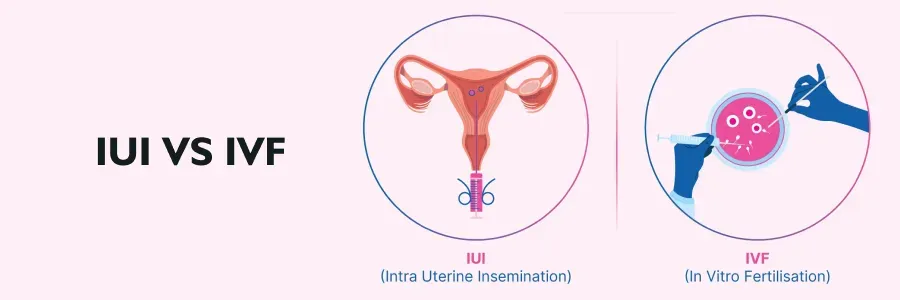
    comparison of IUI and IVF procedures illustrated with simple graphics and labels

    Egg Donation and Egg Freezing: A Step Towards Parenthood

    What is Egg Freezing?

    Egg freezing, also known as cryopreservation, involves the process of extracting and freezing a woman’s eggs for future use. This procedure allows women to preserve their fertility for various reasons, such as medical treatments that may affect their ability to conceive, delaying parenthood for personal or career reasons, or to have a backup plan in case of future fertility issues.

    Benefits of Egg Freezing

    Egg freezing provides women with the flexibility to plan their parenthood journey according to their needs and circumstances. It allows them to delay pregnancy until they are ready, without worrying about their declining fertility due to age. It also provides peace of mind for women undergoing medical treatments that may affect their fertility, such as chemotherapy. Additionally, egg freezing can also be beneficial for women with certain genetic conditions that may affect their fertility in the future.

    Challenges of Egg Freezing

    While egg freezing offers many benefits, there are also some challenges to consider. The success rates of egg freezing vary, and there is no guarantee that the frozen eggs will result in a pregnancy. The process of egg freezing also involves hormone injections and an invasive procedure, which can have physical and emotional side effects. Furthermore, there are costs associated with egg freezing, such as storage fees and potential future treatments, which may not be affordable for everyone.

    Egg Donation and Egg Freezing: A Step Towards Parenthood

    Egg donation and egg freezing have opened up new possibilities for individuals and couples who may have previously thought parenthood was out of reach. These procedures provide hope and options for those struggling with infertility, medical conditions, or personal circumstances. They offer benefits such as the opportunity for pregnancy and childbirth, a genetic connection, and the flexibility to plan parenthood. However, they also come with challenges, such as emotional and psychological impacts, varying success rates, and associated costs. It is essential to consider all aspects and seek proper support and guidance when considering egg donation or egg freezing as a step towards parenthood.

    In conclusion, egg donation and egg freezing have revolutionized the way individuals and couples can start a family. With advances in technology and medical procedures, these options have become increasingly accessible and successful. However, it is crucial to approach these procedures with careful consideration and support to ensure the best possible outcome for all parties involved. Parenthood is a journey that comes in many forms, and egg donation and egg freezing can be a significant step towards fulfilling that dream.

  • Egg Donation and Egg Freezing: A Journey of Hope

    Egg donation and egg freezing are two medical procedures that have given hope to many people struggling with fertility issues. These procedures involve the extraction and preservation of a woman’s eggs, which can then be used for assisted reproductive techniques. While they have been around for several decades, they have gained more attention and popularity in recent years as more women choose to delay motherhood for various reasons. In this blog post, we will explore the journey of egg donation and egg freezing and how they have given hope to many individuals and couples hoping to start a family.

    The decision to become an egg donor or to freeze one’s eggs is not an easy one. It often involves facing personal and societal pressures, as well as dealing with medical procedures and emotional challenges. However, for many individuals and couples, these procedures have been the light at the end of a tunnel, offering them a chance at parenthood and fulfilling their dreams.

    Let’s first understand what egg donation and egg freezing are and how they work.

    Egg donation is a process in which a woman, known as the “donor,” donates her eggs to another woman, known as the “recipient.” The donor’s eggs are retrieved through a minor surgical procedure known as “egg retrieval.” The eggs are then fertilized with the sperm of the recipient’s partner or a donor through in vitro fertilization (IVF). The resulting embryos are then transferred to the recipient’s uterus, where they can implant and develop into a pregnancy.

    On the other hand, egg freezing, also known as oocyte cryopreservation, is a process in which a woman’s eggs are retrieved and frozen for future use. The eggs are stored in a specialized facility until the woman is ready to use them. When she is ready to use the eggs, they are thawed, fertilized with sperm, and transferred to the uterus through IVF.

    Now that we have a basic understanding of these procedures, let’s dive into the journey of hope that egg donation and egg freezing have offered to many individuals and couples.

    For many women, egg donation has been a way to help others while also receiving compensation for their time and effort. The process of egg donation involves several steps, including a thorough medical and psychological evaluation, hormone injections to stimulate egg production, and the actual egg retrieval procedure. These steps can take several weeks to complete, and the donor’s health and well-being are closely monitored throughout the process. The compensation for egg donation can range from a few thousand dollars to up to $10,000, depending on the clinic and the donor’s characteristics.

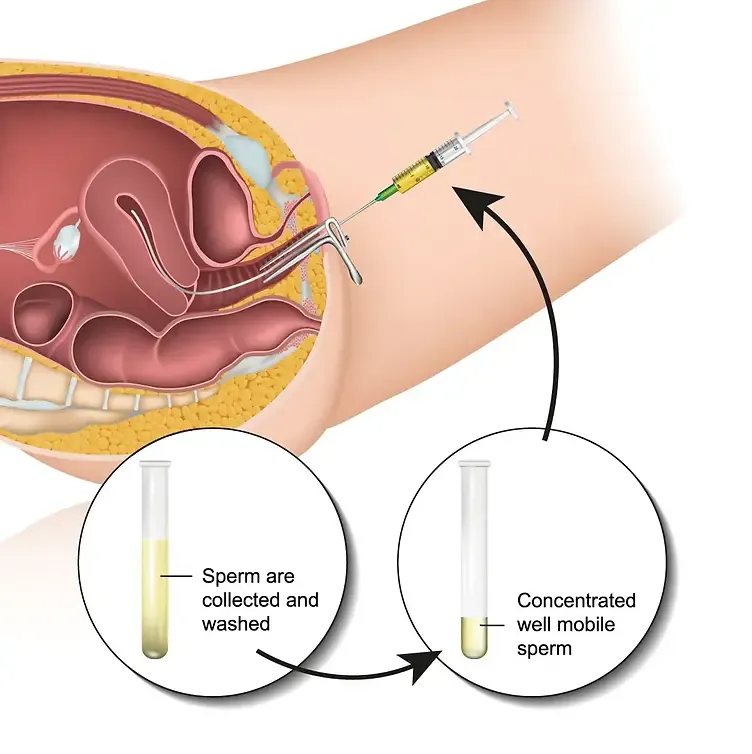
    Illustration of intrauterine insemination process, showing sperm collection and injection into the uterus.

    Egg Donation and Egg Freezing: A Journey of Hope

    For the recipient, egg donation is often the last resort after trying various other fertility treatments without success. It can offer them a chance at becoming pregnant and starting a family, even if they are unable to produce viable eggs on their own. The process of matching a donor with a recipient involves a thorough evaluation of the donor’s characteristics, such as physical appearance, education, and medical history, to ensure the best possible outcome for the recipient.

    The journey of egg donation is not without its challenges, both for the donor and the recipient. It can be emotionally and physically demanding for the donor, and the recipient may also face emotional challenges, such as feeling disconnected from the child genetically. However, for those who have been successful in their egg donation journey, the rewards are immeasurable. They have been able to give the gift of life to others and fulfill their own desire to become parents.

    Similarly, egg freezing has also given hope to many women who wish to delay motherhood. In today’s society, many women choose to focus on their careers or other life goals before starting a family. However, as a woman ages, the quality and quantity of her eggs decline, making it more challenging to conceive. Egg freezing offers women the opportunity to preserve their eggs at a younger age when they are of better quality and use them when they are ready to start a family.

    The process of egg freezing involves similar steps as egg donation, with the addition of the eggs being frozen instead of fertilized and transferred immediately. Once the eggs are retrieved, they are cryopreserved and stored until the woman is ready to use them. The success rates of using frozen eggs for pregnancy are comparable to using fresh eggs, giving women a good chance at achieving their dream of becoming a mother in the future.

    For many individuals and couples, egg donation and egg freezing have been the light at the end of a dark tunnel. They have given hope where there was once despair and have helped create families that may not have been possible otherwise. However, it is essential to note that these procedures are not without their limitations and ethical considerations. Egg donation and egg freezing come with their own set of challenges and decisions that individuals and couples must carefully consider before embarking on their journey.

    In conclusion, the journey of egg donation and egg freezing is a complex and emotional one, but it has given hope to many individuals and couples struggling with fertility issues. These procedures have offered an opportunity for individuals to help others and for women to delay motherhood without compromising their chances of having a biological child. While they may not be the perfect solution for everyone, they have undoubtedly been a source of hope and joy for many.

    In summary, egg donation and egg freezing are medical procedures that involve the extraction and preservation of a woman’s eggs for assisted reproductive techniques. They have been a source of hope for individuals and couples struggling with fertility issues, offering them a chance at parenthood and fulfilling their dreams. Egg donation involves the donation of eggs from one woman to another, while egg freezing allows women to preserve their eggs for future use. Both procedures come with their own set of challenges and ethical considerations, but they have given hope and created families that may not have been possible otherwise.

  • Choosing the Right Path: Egg Donation or Egg Freezing?

    Choosing the Right Path: Egg Donation or Egg Freezing?

    The decision to become a parent is not an easy one, especially for women who may face fertility challenges. Fortunately, advancements in reproductive technology have provided options for women who wish to delay their childbearing years or have trouble conceiving naturally. Two popular options are egg donation and egg freezing. While both procedures involve harvesting and storing eggs, they have different purposes and considerations. In this blog post, we will explore the key differences between egg donation and egg freezing, and help you determine which path may be the right one for you.

    What is Egg Donation?

    Egg donation is the process of retrieving eggs from a donor and fertilizing them with sperm in a laboratory. The resulting embryo is then transferred to the intended mother or a gestational surrogate for pregnancy. This procedure is often used by women who have trouble producing viable eggs, have a genetic disorder, or are in same-sex partnerships.

    The process of egg donation involves two main parties: the donor and the recipient. Donors can be known or anonymous, and they are typically young, healthy women who undergo rigorous medical and psychological screening before being accepted into an egg donation program. The recipient, on the other hand, will have to undergo hormonal therapy to prepare her body for pregnancy. This usually involves taking fertility medications to stimulate egg production and synchronization with the donor’s cycle.

    What is Egg Freezing?

    Egg freezing, also known as oocyte cryopreservation, is a procedure that involves harvesting and freezing a woman’s eggs for future use. This is often a viable option for women who wish to delay pregnancy due to career or personal reasons, or for those who are facing medical treatments that could affect their fertility.

    The egg freezing process is similar to the first part of the egg donation process. Women will have to undergo hormonal therapy to stimulate egg production, and the eggs will be retrieved through a minor surgical procedure. The main difference is that the eggs will be frozen and stored for future use, rather than being fertilized right away.

    What are the Considerations for Choosing Egg Donation or Egg Freezing?

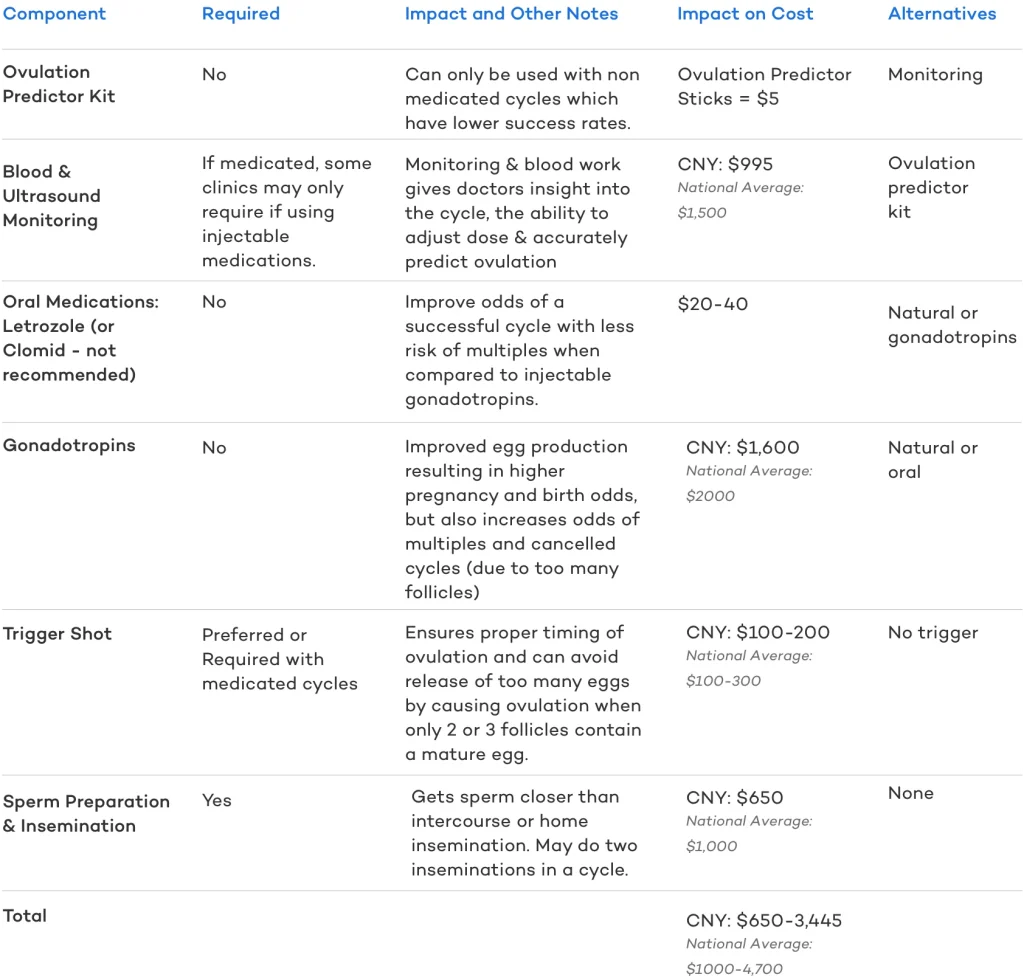
    Cost breakdown for IUI components, including requirements, impacts, and alternatives.

    Choosing the Right Path: Egg Donation or Egg Freezing?

    When it comes to choosing between egg donation and egg freezing, there are several factors to consider. These include:

    1. Age: Egg quality and quantity decline as women age, so the success rate of egg freezing decreases after the age of 35. On the other hand, egg donation is a more viable option for older women, as the donor’s eggs are typically from younger, more fertile women.

    2. Medical Considerations: Women who have a known genetic disorder or are at risk of passing on a genetic condition to their child may opt for egg donation to avoid passing on the disorder. Egg freezing, on the other hand, may be a better option for women who are facing medical treatments that could affect their fertility, such as chemotherapy or radiation.

    3. Cost: Egg donation can be a costly process, as it involves the use of fertility medications, donor compensation, and medical procedures. Egg freezing, on the other hand, is a one-time cost for the retrieval and storage of eggs, making it a more affordable option for women who wish to delay their pregnancy.

    4. Emotional Considerations: Both egg donation and egg freezing can be emotionally taxing processes. For egg donation, there may be concerns about the genetic connection to the child, while egg freezing may bring up feelings of uncertainty about future pregnancy success. It’s important to carefully consider the emotional impact of each option and discuss your concerns with a medical professional.

    Which Path is Right for You?

    Ultimately, the decision to choose between egg donation and egg freezing will depend on your individual circumstances and goals. If you are facing medical treatments that could affect your fertility or have a known genetic disorder, egg donation may be the best option for you. On the other hand, if you wish to delay pregnancy or have trouble conceiving naturally, egg freezing may be a more suitable choice.

    It’s important to consult with a fertility specialist to discuss your options and determine the best path for your unique situation. They will be able to provide you with personalized guidance and support throughout the process.

    In conclusion, egg donation and egg freezing are two viable options for women who wish to become parents. While they have different purposes and considerations, both procedures offer hope and the opportunity to fulfill the dream of having a child. By carefully considering your individual circumstances and consulting with a medical professional, you can make an informed decision and choose the right path for your journey towards parenthood.