The decision to start a family is one that many couples and individuals face at some point in their lives. For some, the journey to parenthood may not be as straightforward as they had hoped. In these cases, surrogacy and adoption are two options that many consider. However, there are many factors to consider when choosing between these two paths to parenthood. In this blog post, we will explore the surrogacy vs. adoption dilemma and discuss what factors one should consider when making this decision.
Firstly, let’s define surrogacy and adoption. Surrogacy is the process in which a woman carries and gives birth to a child for another individual or couple. There are two types of surrogacy: traditional and gestational. Traditional surrogacy involves the surrogate mother using her own egg, making her genetically related to the child. In contrast, gestational surrogacy involves using an egg from the intended mother or a donor, making the surrogate genetically unrelated to the child. Adoption, on the other hand, is the legal process of becoming the parent of a child who is not biologically related to you.
One of the main factors to consider when deciding between surrogacy and adoption is the cost. Surrogacy can be a costly process, with the average cost ranging from $90,000 to $130,000. This includes the cost of medical procedures, legal fees, and compensation for the surrogate. In contrast, adoption costs can vary greatly depending on the type of adoption, but on average, it can range from $30,000 to $50,000. Additionally, many adoption agencies offer financial assistance and tax credits to help ease the financial burden. It’s important to consider your budget and financial resources when deciding between surrogacy and adoption.
Another factor to consider is the emotional aspect of each option. Surrogacy involves a deeply personal and intimate relationship between the surrogate and the intended parents. It requires a great deal of trust and communication, as well as navigating the legal and emotional complexities of the process. Adoption, on the other hand, can also be an emotional journey, as it involves welcoming a child into your family who may have had a difficult past. It’s essential to be prepared for the emotional challenges that come with both surrogacy and adoption.
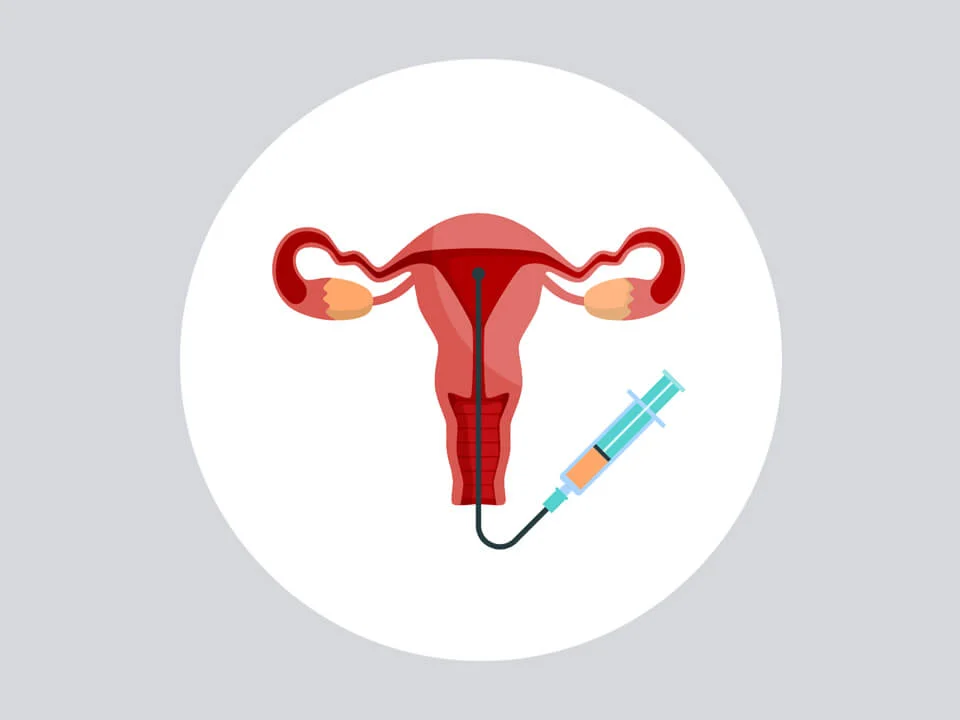
The Surrogacy vs Adoption Dilemma: What to Consider
The legal aspect is another crucial factor to consider. Surrogacy laws vary from state to state, and some states do not allow surrogacy at all. It’s essential to do thorough research and consult with a lawyer to ensure that you are following all legal requirements. Adoption also involves a legal process, and it’s important to work with a reputable agency or lawyer to ensure that all legal requirements are met. This can be a lengthy and complicated process, so it’s crucial to be well-informed and prepared.
One of the most significant differences between surrogacy and adoption is the genetic connection to the child. Surrogacy allows for a biological connection to the child, while adoption does not. For some, this may be a significant factor, and it’s important to consider what is most important to you when it comes to parenthood.
It’s also essential to consider the time frame for each option. Surrogacy can take a significant amount of time, as it involves finding and establishing a relationship with a surrogate, undergoing medical procedures, and navigating the legal process. Adoption can also take time, as it involves finding an agency, completing the necessary paperwork and home studies, and waiting for a match with a child. It’s crucial to be realistic about the time frame for both options and consider how it may fit into your life.
One factor that is often overlooked is the impact on the child. With surrogacy, the child may have questions about their genetic background and may have a relationship with the surrogate. In contrast, with adoption, the child may have questions about their biological family and their past. It’s essential to be prepared to support and guide your child through these questions and emotions, regardless of which option you choose.
In summary, there are many factors to consider when deciding between surrogacy and adoption. It’s crucial to think about your financial resources, emotional readiness, and legal considerations. Additionally, the genetic connection to the child, time frame, and impact on the child should also be taken into account. Ultimately, the decision will be different for every individual or couple, and it’s essential to carefully consider all aspects before making a choice.