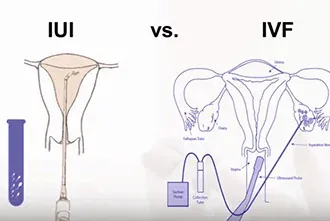
The Role of Timing: Intrauterine Insemination vs Intracervical Insemination
Timing is a crucial factor in achieving a successful pregnancy, and this is especially true when it comes to assisted reproductive techniques such as intrauterine insemination (IUI) and intracervical insemination (ICI). Both of these procedures involve the introduction of sperm into the woman’s reproductive tract, but they differ in terms of the timing and location of the insemination. In this blog post, we will explore the role of timing in IUI and ICI, and discuss which procedure may be the best option for couples trying to conceive.
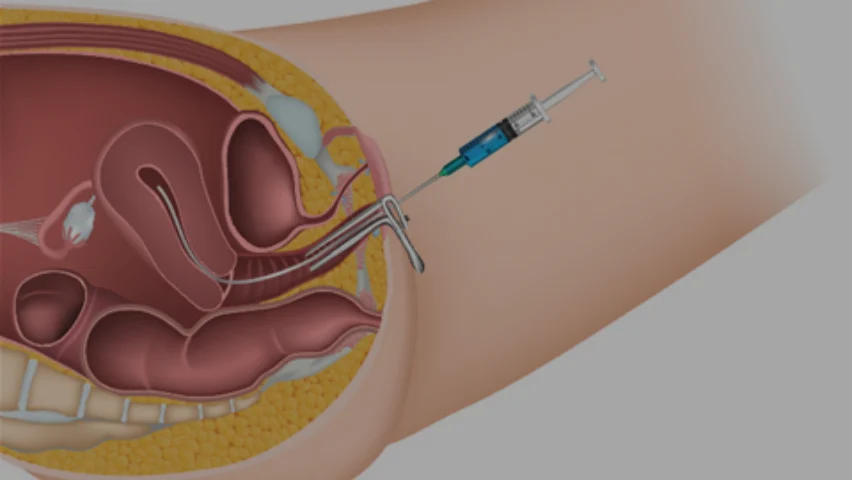
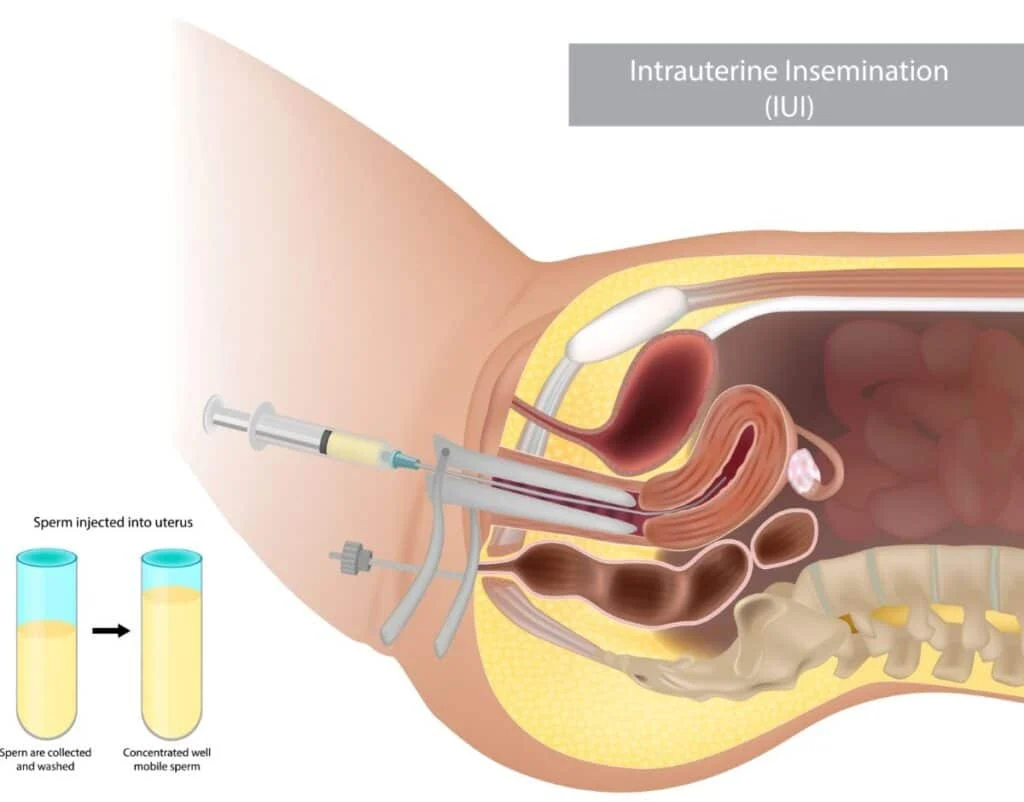
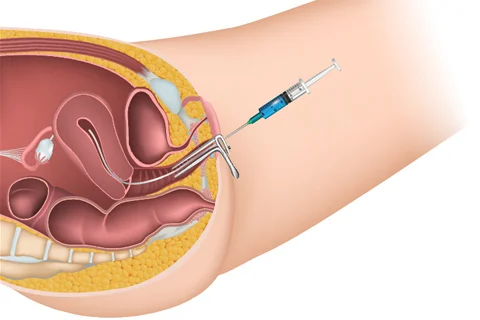
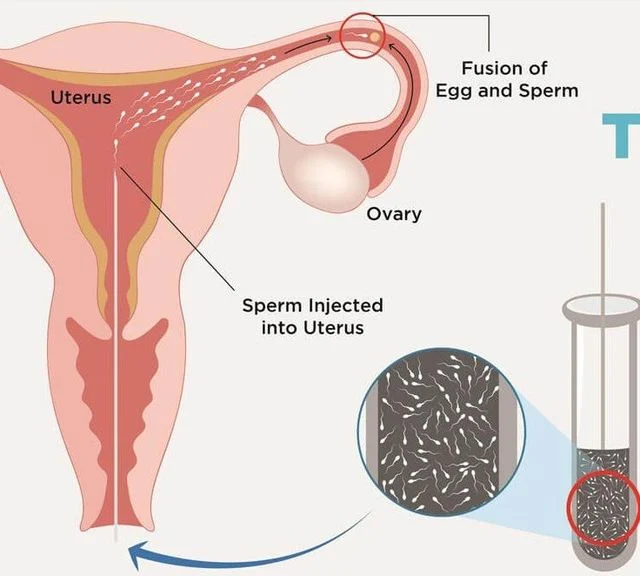
Intrauterine Insemination (IUI) is a commonly used fertility treatment where sperm is placed directly inside the woman’s uterus. This procedure is often recommended for couples who have been trying to conceive for a year or longer without success, or for those with certain fertility issues such as low sperm count or motility. The timing of IUI is crucial, as it needs to be performed during the woman’s fertile window, which is typically the day of ovulation or a day before. This is because the sperm needs to be present in the fallopian tubes at the same time as the released egg in order to increase the chances of fertilization.
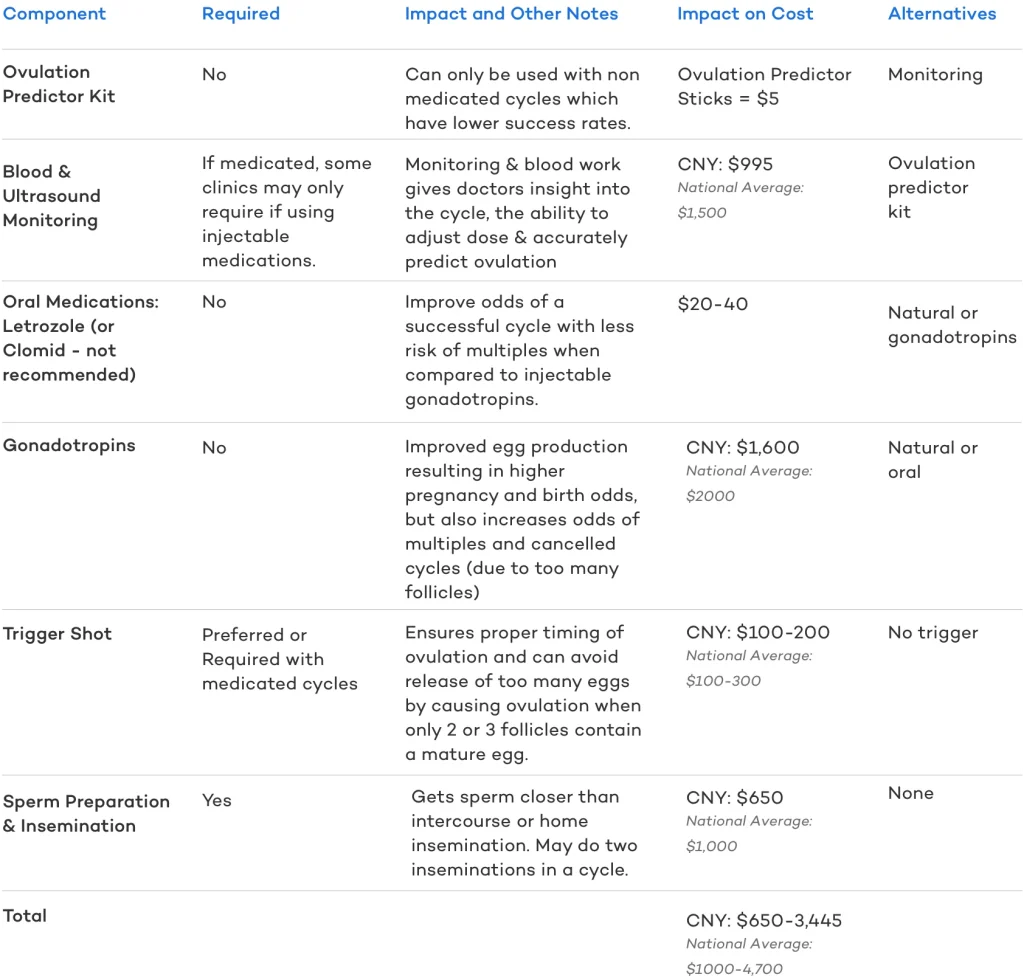
Timing is also important in terms of preparing the woman’s body for IUI. This may involve taking ovulation-inducing medications or using ovulation predictor kits to determine the most optimal time for the procedure. Additionally, the female partner may also be monitored closely through ultrasound and blood tests to track the growth of follicles and hormone levels, which can help determine the best time for IUI.
On the other hand, Intracervical Insemination (ICI) involves placing the sperm directly into the cervix, rather than the uterus. This procedure is typically performed at home by the couple themselves, and does not require medical intervention or monitoring. However, timing is still an important factor in the success of ICI. The sperm needs to be introduced into the cervix at the right time in order to coincide with ovulation and increase the chances of fertilization. This can be determined by using ovulation predictor kits or tracking the woman’s basal body temperature.
The Role of Timing: Intrauterine Insemination vs Intracervical Insemination
One of the main differences between IUI and ICI is the location of the sperm placement. IUI involves placing the sperm directly into the uterus, which is a more efficient route for the sperm to reach the fallopian tubes and increase the chances of fertilization. On the other hand, ICI involves placing the sperm in the cervix, which is a longer and more difficult journey for the sperm to reach the egg. This is why timing is crucial in ICI, as the sperm needs to be present in the cervix at the exact time of ovulation in order to have the best chance of reaching the egg.
Another important aspect to consider is the quality of the sperm being used in both procedures. In IUI, the sperm is typically washed and prepared in a lab, which helps to remove any dead or abnormal sperm, and concentrates the healthy sperm. This improves the chances of fertilization and reduces the risk of complications. In ICI, the sperm is not washed or prepared, which means that the quality of the sperm used is not as controlled as in IUI. This can decrease the chances of fertilization and increase the risk of using unhealthy or non-viable sperm.
In conclusion, timing plays a crucial role in the success of both intrauterine insemination (IUI) and intracervical insemination (ICI). While IUI may be a more effective and controlled procedure, it requires close monitoring and medical intervention in terms of timing and preparation. ICI, on the other hand, can be performed at home but may have a lower success rate due to the longer journey of the sperm and the lack of sperm preparation.
Ultimately, the decision between IUI and ICI will depend on various factors, such as the couple’s specific fertility issues, their personal preferences, and the recommendations of their fertility specialist. It is important to consult with a healthcare professional to determine the best option for your unique situation.
In summary, the success of IUI and ICI depends heavily on the timing of the procedures and the quality of the sperm used. While IUI may be a more controlled and effective option, ICI can be a more convenient and affordable choice for some couples. Understanding the role of timing in these procedures can help couples make informed decisions and increase their chances of achieving a successful pregnancy.