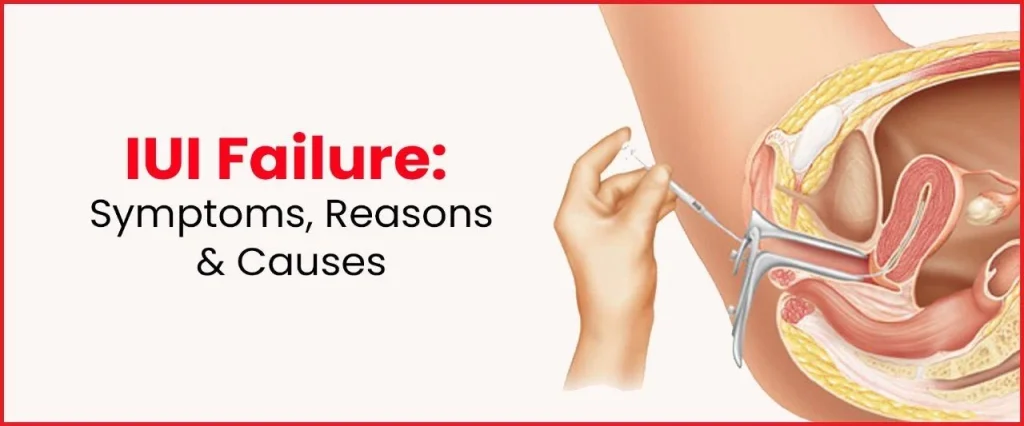
Intrauterine insemination (IUI) and low-tech in vitro fertilization (IVF) are two common fertility treatment options for couples struggling to conceive. Both procedures involve placing sperm directly into the woman’s uterus, but there are significant differences in the process and success rates. In this blog post, we will compare IUI and low-tech IVF to help couples make an informed decision about which procedure may be right for them.
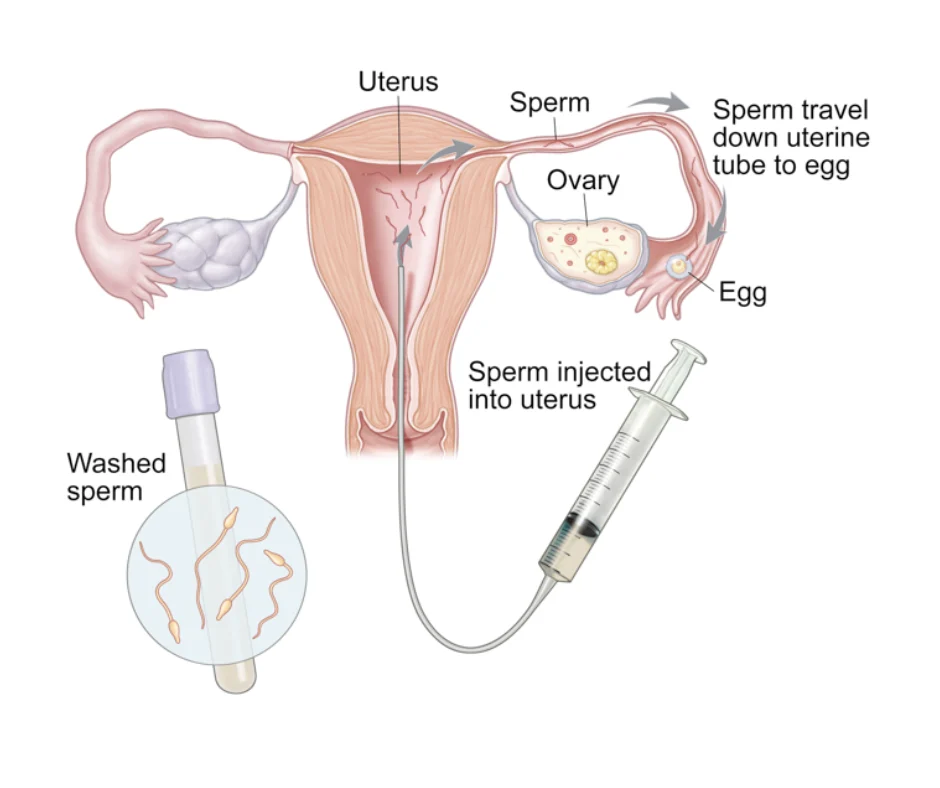
First, let’s start with the basics. IUI is a relatively simple procedure where sperm is washed and then inserted directly into the uterus using a thin catheter. This process is timed to coincide with ovulation, increasing the chances of sperm fertilizing the egg. On the other hand, low-tech IVF involves stimulating the ovaries with medication to produce multiple eggs, which are then retrieved and fertilized with sperm in a laboratory. The resulting embryos are then transferred back into the uterus.
One of the main differences between IUI and low-tech IVF is the level of medical intervention required. IUI is a less invasive procedure and can be done in a doctor’s office without the need for anesthesia. Low-tech IVF, on the other hand, involves more medical procedures, including injections and egg retrieval, which may require anesthesia. This can make low-tech IVF more physically demanding and potentially more expensive.
Another factor to consider is the success rates of each procedure. IUI is often recommended for couples with mild fertility issues, such as low sperm count or cervical mucus abnormalities. The success rates for IUI vary depending on factors such as age and underlying fertility issues, but on average, it has a success rate of 10-20% per cycle. Low-tech IVF, on the other hand, has a higher success rate of 20-35% per cycle and is often recommended for couples with more severe fertility issues, such as blocked fallopian tubes or endometriosis.
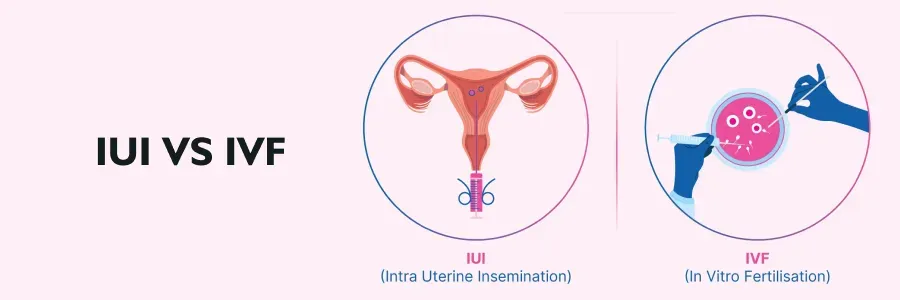
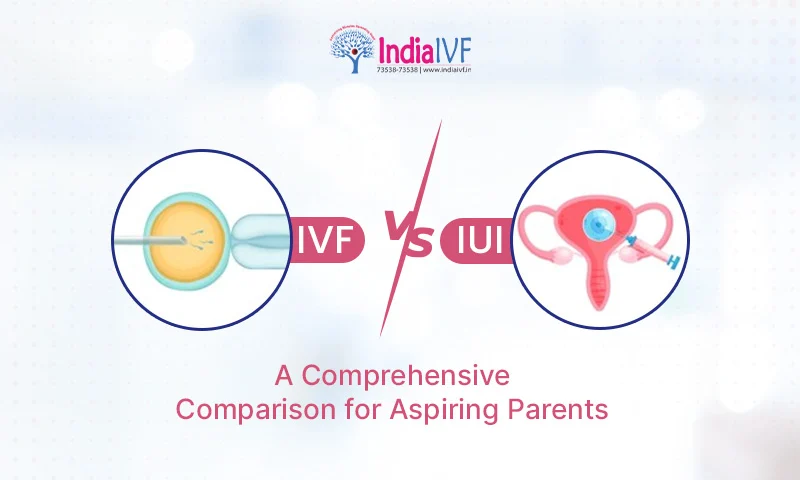
Intrauterine Insemination vs Low-Tech IVF: A Comparison of Procedures
One of the main reasons for the higher success rates of low-tech IVF is the ability to retrieve multiple eggs and select the best quality embryos for transfer. This can increase the chances of a successful pregnancy and may also result in extra embryos that can be frozen for future use. However, this also means that there is a higher risk of multiple pregnancies with low-tech IVF, which can come with its own set of challenges.
Cost is also an important consideration for many couples when choosing between IUI and low-tech IVF. IUI is generally more affordable than low-tech IVF, as it does not involve the same level of medication and laboratory procedures. However, since IUI has a lower success rate, couples may need to undergo multiple cycles before achieving a successful pregnancy, which can add up in costs. On the other hand, low-tech IVF may have a higher upfront cost, but if successful, it may result in a pregnancy sooner, potentially saving money in the long run.
Another factor to consider is the emotional toll of each procedure. IUI is a less invasive and less physically demanding procedure, which may make it less emotionally taxing for some couples. On the other hand, low-tech IVF can be a more emotional rollercoaster, with the need for daily injections and the uncertainty of the success of each cycle. It’s essential for couples to consider their emotional well-being when making a decision about which procedure to pursue.
In conclusion, both IUI and low-tech IVF are viable options for couples struggling with infertility. IUI may be a better choice for those with mild fertility issues and limited financial resources, while low-tech IVF may be more suitable for couples with more severe fertility issues and who are willing to undergo more invasive procedures for a higher chance of success. Ultimately, the decision should be made in consultation with a fertility specialist, taking into account individual circumstances and preferences.