Fertility Myths Debunked: Intrauterine Insemination vs In Vitro Fertilization
When it comes to fertility treatments, there are many myths and misconceptions surrounding the two most common procedures: intrauterine insemination (IUI) and in vitro fertilization (IVF). These two methods are often confused with each other and many people believe they are the same thing. However, IUI and IVF are very different procedures with their own unique processes, success rates, and costs. In this blog post, we will debunk some of the most common fertility myths surrounding IUI and IVF and provide a clear understanding of these treatments to help individuals make informed decisions about their fertility journey.
Myth #1: IUI and IVF are the same thing
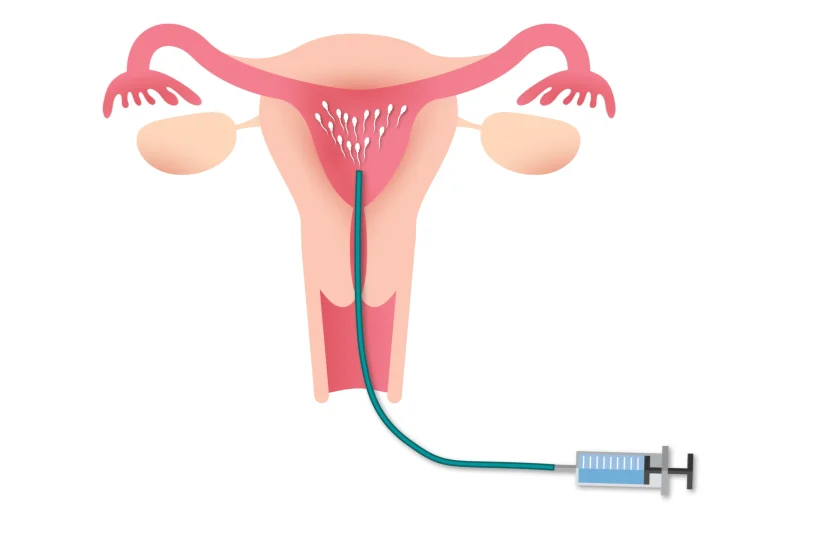
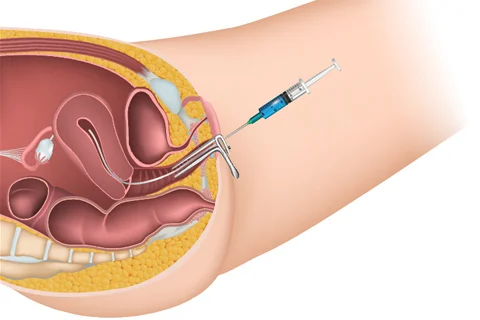
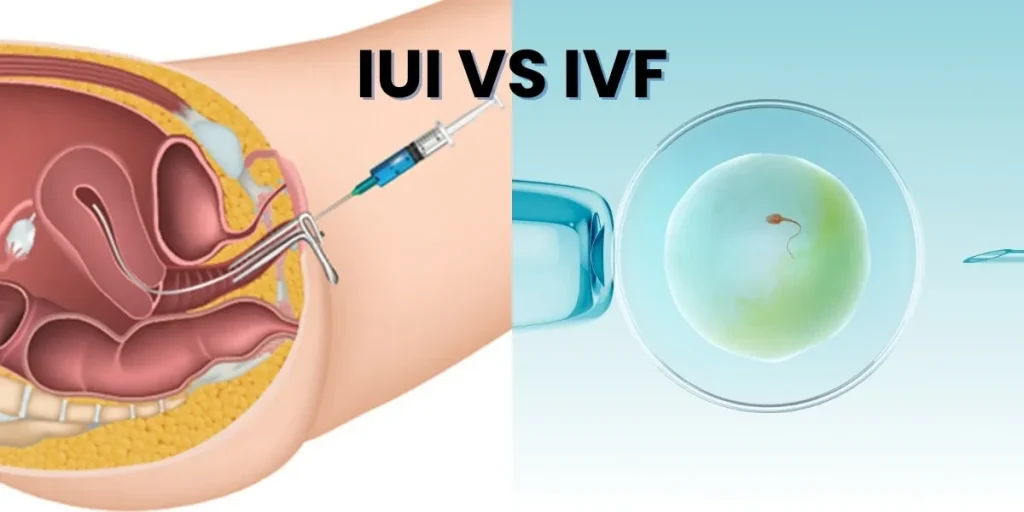
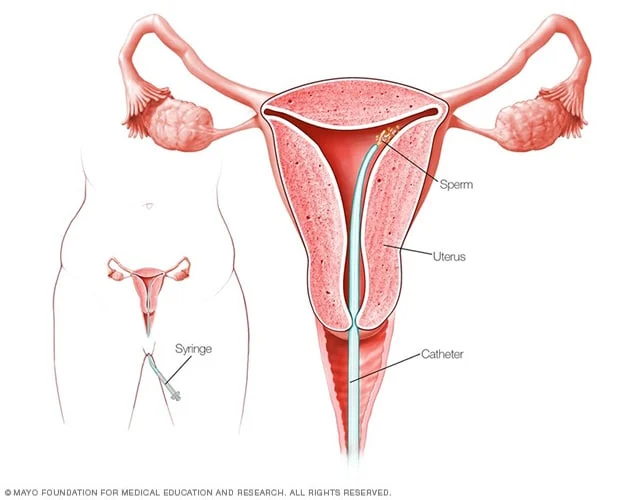
Many people use the terms IUI and IVF interchangeably, assuming they are the same procedure. However, these are two distinct treatments that involve different processes and techniques. IUI, also known as artificial insemination, involves the insertion of washed and prepared sperm directly into the uterus during ovulation. On the other hand, IVF is a more complex process that involves retrieving eggs from the ovaries, fertilizing them with sperm in a laboratory, and then transferring the resulting embryo(s) into the uterus. While both treatments can help individuals struggling with fertility, they are not the same thing and are recommended for different situations.
Myth #2: IUI is less expensive than IVF
One of the most common myths surrounding IUI and IVF is that IUI is a more affordable option compared to IVF. While IUI may seem less daunting at first glance, the overall costs of the treatments can vary greatly depending on individual circumstances. IUI is generally less expensive than IVF, but it may not be the most cost-effective option in the long run. This is because IUI has a lower success rate compared to IVF, which means individuals may need to undergo multiple IUI cycles before achieving pregnancy. In contrast, IVF has a higher success rate and can result in pregnancy after just one cycle, potentially saving individuals time and money in the long run.
Fertility Myths Debunked: Intrauterine Insemination vs In Vitro Fertilization
Myth #3: IUI and IVF are only for older couples
Another misconception about fertility treatments is that they are only necessary for older couples. While age can be a factor in fertility, both IUI and IVF can be beneficial for individuals of all ages. For younger couples, IUI may be recommended if they are struggling with male factor infertility, such as low sperm count or motility. On the other hand, IVF may be recommended for women over the age of 35 who may have a lower ovarian reserve and higher risk of genetic abnormalities. It is important for individuals to consult with a fertility specialist to determine the best course of treatment for their specific situation.
Myth #4: Fertility treatments always result in multiple pregnancies
Many people fear that fertility treatments will automatically result in multiple pregnancies, such as twins or triplets. While the risk of multiple pregnancies is higher with IVF, it is not a guarantee. The number of embryos transferred during an IVF cycle can be controlled, and with advancements in technology, doctors can now identify and transfer a single healthy embryo. In contrast, IUI has a lower risk of multiple pregnancies as it relies on the body’s natural ovulation process. However, it is important for individuals to discuss the potential risks with their doctor and make informed decisions about the number of embryos to transfer.
Myth #5: Fertility treatments are always successful
While fertility treatments have come a long way and have helped many couples achieve their dream of parenthood, they are not a guarantee of success. Both IUI and IVF have success rates that vary depending on individual circumstances, such as age, underlying fertility issues, and overall health. In general, IVF has a higher success rate compared to IUI, but it is important to manage expectations and be prepared for the possibility of multiple treatment cycles. It is also crucial for individuals to take care of their physical and emotional well-being during the fertility journey, as it can be a stressful and emotionally taxing experience.
In conclusion, IUI and IVF are two distinct fertility treatments with their own unique processes, costs, and success rates. It is important for individuals to understand the differences between these treatments and consult with a fertility specialist to determine the best course of action for their specific situation. It is also crucial to debunk common myths and misconceptions surrounding these treatments to make informed decisions and manage expectations during the fertility journey.