Tag: IVF

  • Making an Informed Choice: Traditional vs. Gestational Surrogacy

    Traditional vs. Gestational Surrogacy: Making an Informed Choice

    Surrogacy has become an increasingly popular method for couples and individuals who are unable to conceive naturally. It involves a woman carrying a child for someone else, usually for monetary compensation. However, there are two types of surrogacy – traditional and gestational. While both methods have the same end goal, there are significant differences between the two. In this blog post, we will discuss the pros and cons of traditional and gestational surrogacy, and how to make an informed choice between the two.

    Traditional Surrogacy

    Traditional surrogacy, also known as genetic or partial surrogacy, involves the use of the surrogate’s egg to conceive the child. This means that the surrogate is genetically related to the child she is carrying. In traditional surrogacy, the surrogate is artificially inseminated with the intended father’s sperm or donor sperm. The child is then carried to term by the surrogate and given to the intended parents after birth.

    Pros of Traditional Surrogacy

    One of the main advantages of traditional surrogacy is the cost. Since the surrogate is using her own eggs, there is no need for expensive fertility treatments such as IVF. This makes traditional surrogacy a more affordable option for couples and individuals who are struggling with infertility.

    Another advantage of traditional surrogacy is the emotional connection between the surrogate and the child. Since the surrogate is genetically related to the child, there is a strong bond that can develop between them during the pregnancy. This can be a positive experience for both the surrogate and the intended parents.

    Cons of Traditional Surrogacy

    One of the main concerns with traditional surrogacy is the legal and emotional complexities that can arise. Since the surrogate is genetically related to the child, there is a chance that she may decide to keep the child after birth. This can lead to a lengthy and expensive legal battle for the intended parents.

    Another disadvantage of traditional surrogacy is the potential for emotional attachment between the surrogate and the child. This can lead to conflicting emotions and concerns for the surrogate, who may struggle with giving up the child after birth.

    Gestational Surrogacy

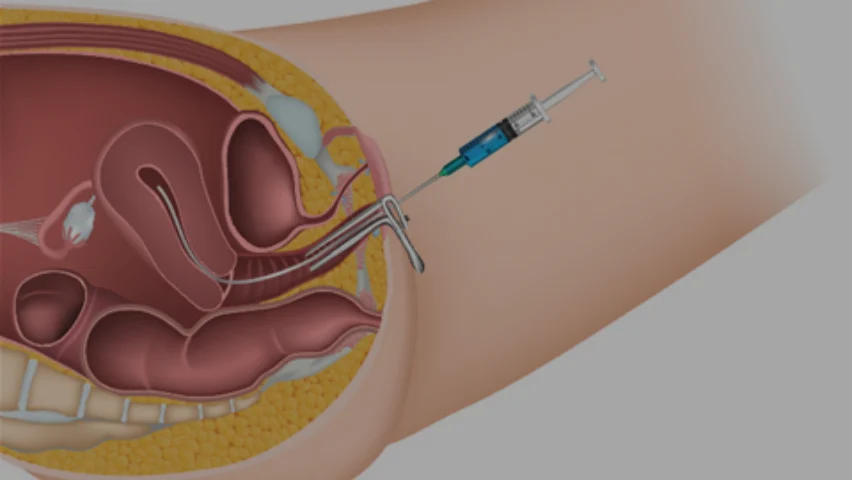
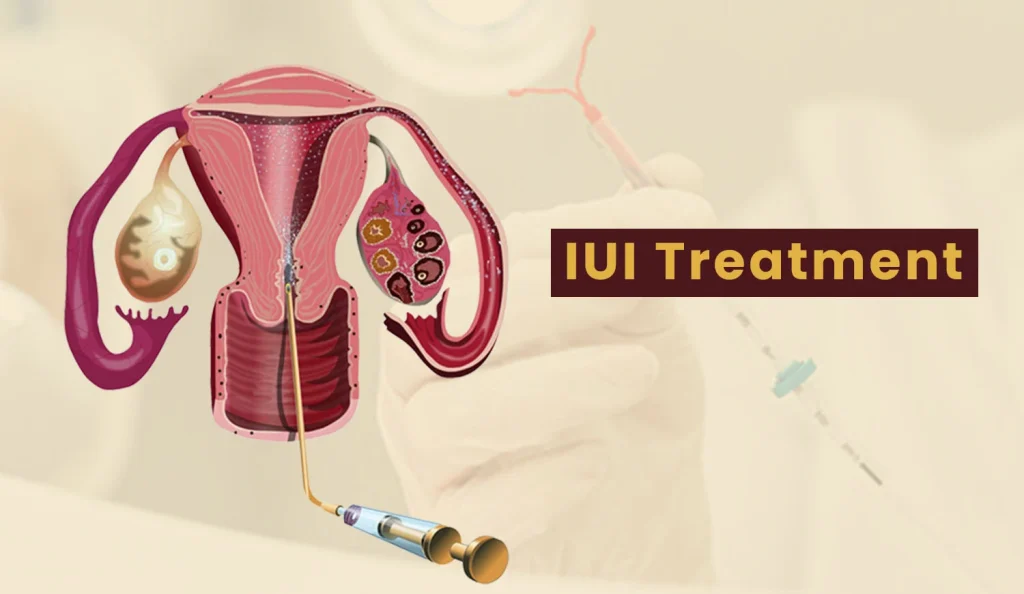
    Illustration of intrauterine insemination (IUI) procedure, showing sperm injection into the uterus.

    Making an Informed Choice: Traditional vs. Gestational Surrogacy

    Gestational surrogacy, also known as full surrogacy, involves the use of a surrogate who is not genetically related to the child she is carrying. In gestational surrogacy, the surrogate is implanted with an embryo created through IVF using the eggs and sperm of the intended parents or donors. The surrogate then carries the child to term and gives birth.

    Pros of Gestational Surrogacy

    One of the main advantages of gestational surrogacy is the legal security it provides for the intended parents. Since the surrogate has no genetic relation to the child, there is no risk of her trying to keep the child after birth. This can provide peace of mind for the intended parents and eliminate the need for a lengthy legal battle.

    Another advantage of gestational surrogacy is the ability to use the intended mother’s eggs. This allows for a genetic connection between the intended mother and the child, which may be important for some couples and individuals.

    Cons of Gestational Surrogacy

    The main disadvantage of gestational surrogacy is the cost. IVF and other fertility treatments involved in gestational surrogacy can be expensive, making it a less affordable option for many couples and individuals.

    Another concern with gestational surrogacy is the lack of a genetic connection between the surrogate and the child. This may lead to a less emotional bond between the surrogate and the child, which can be a disadvantage for some.

    Making an Informed Choice

    When considering surrogacy, it is important to weigh the pros and cons of both traditional and gestational surrogacy to make an informed decision. Factors such as cost, legal security, and emotional connection should be carefully considered before choosing the type of surrogacy that is right for you.

    It is also crucial to work with a reputable and experienced surrogacy agency or lawyer to ensure a smooth and legally binding process. They can provide guidance and support throughout the entire surrogacy journey, from finding a suitable surrogate to the legal contracts and agreements.

    In conclusion, traditional and gestational surrogacy both have their own benefits and challenges. It is important to carefully consider all factors and consult with professionals before making a decision. With the right preparation and support, surrogacy can be a viable option for couples and individuals looking to start or expand their family.
  • Traditional Surrogacy vs. Gestational Surrogacy: The Medical Process

    Traditional Surrogacy vs. Gestational Surrogacy: The Medical Process

    Surrogacy, the practice of a woman carrying and delivering a baby for another individual or couple, has become an increasingly popular option for those struggling to conceive on their own. However, there are two main types of surrogacy: traditional surrogacy and gestational surrogacy. While both options involve a surrogate carrying a baby, the medical processes used in each are quite different. In this blog post, we will explore the medical processes involved in traditional surrogacy and gestational surrogacy, and discuss the pros and cons of each.

    Traditional Surrogacy:

    Traditional surrogacy, also known as genetic surrogacy, involves the surrogate using her own egg to conceive the baby. This is typically done through artificial insemination, where the sperm of the intended father or a donor is injected into the surrogate’s uterus. This process allows the surrogate to be biologically related to the child she carries.

    The medical process of traditional surrogacy begins with the surrogate undergoing a series of tests to ensure she is healthy and able to carry a pregnancy. Once cleared, she will begin taking fertility drugs to increase the chances of successful ovulation. The intended father or donor will also undergo testing to ensure the quality and viability of their sperm.

    Once the surrogate has ovulated, the sperm will be collected and inserted into her uterus through a catheter. This is typically done in a doctor’s office and is a quick, painless procedure. After the insemination, the surrogate will be closely monitored to track the development of the embryo and determine if the pregnancy is successful.

    Pros of Traditional Surrogacy:

    One of the main benefits of traditional surrogacy is the lower cost. Since the surrogate is using her own egg, there is no need for expensive fertility treatments such as in vitro fertilization (IVF). This can make traditional surrogacy a more affordable option for those who cannot conceive on their own.

    Additionally, traditional surrogacy allows the surrogate to be biologically connected to the baby. This can create a special bond between the surrogate and the child, and some surrogates find the experience to be incredibly rewarding.

    Cons of Traditional Surrogacy:

    Despite the benefits, there are also some potential drawbacks to traditional surrogacy. Since the surrogate is using her own egg, there is a higher chance of legal complications. In some cases, the surrogate may decide to keep the baby after it is born, as she is the biological mother. This can lead to lengthy legal battles and emotional turmoil for all parties involved.

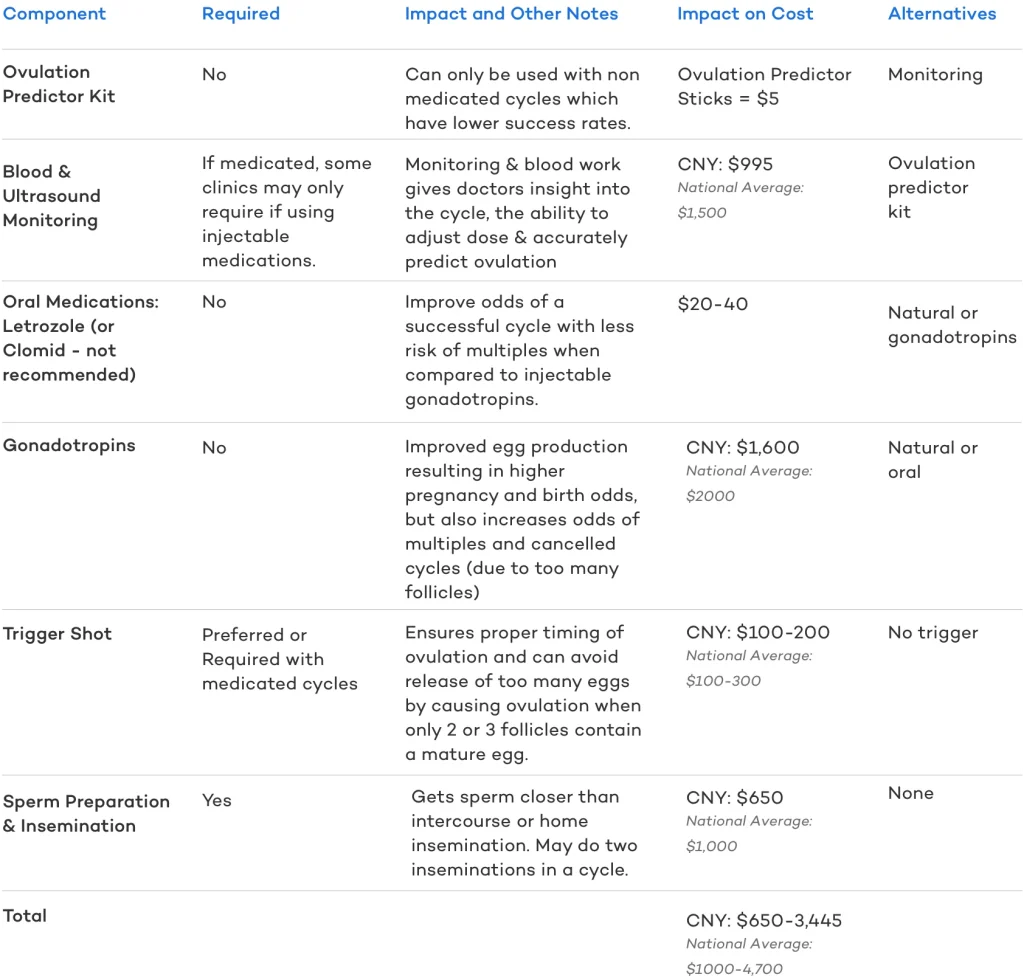
    Cost breakdown for IUI components, including requirements, impacts, and alternatives.

    Traditional Surrogacy vs. Gestational Surrogacy: The Medical Process

    Another concern with traditional surrogacy is the possibility of genetic disorders being passed down from the surrogate to the baby. While thorough testing is done to minimize this risk, it is still a possibility that should be considered.

    Gestational Surrogacy:

    Gestational surrogacy, also known as full surrogacy, involves the use of a surrogate who carries a baby that is not biologically related to her. In this process, the intended parents’ egg and sperm are used to create an embryo through IVF. This embryo is then transferred into the surrogate’s uterus to carry the pregnancy to term.

    The medical process of gestational surrogacy begins with the intended mother or an egg donor undergoing fertility treatments to stimulate the production of multiple eggs. These eggs are then harvested and fertilized with the intended father’s sperm in a laboratory. The resulting embryos are then screened for any genetic disorders and the healthiest ones are selected for transfer into the surrogate’s uterus.

    Pros of Gestational Surrogacy:

    One of the main advantages of gestational surrogacy is the lower risk of legal complications. Since the surrogate is not biologically related to the baby, there is no chance of her trying to keep the child after it is born. This can provide peace of mind for the intended parents and make the process smoother overall.

    Another benefit of gestational surrogacy is the ability to screen embryos for genetic disorders. This can ensure that the baby is born healthy and reduce the risk of any potential medical complications.

    Cons of Gestational Surrogacy:

    The biggest downside to gestational surrogacy is the higher cost. IVF and other fertility treatments can be expensive, making gestational surrogacy a more financially demanding option.

    Another potential drawback is the lack of genetic connection between the surrogate and the baby. Some intended parents may feel like they are missing out on a biological connection with their child, which can lead to emotional challenges.

    In conclusion, both traditional surrogacy and gestational surrogacy have their own unique medical processes and pros and cons. It is important for intended parents to carefully consider their options and consult with a medical professional to determine which type of surrogacy is best for them. No matter which option they choose, the ultimate goal is to have a healthy baby and create a loving family.

  • Traditional Surrogacy vs. Gestational Surrogacy: What You Need to Know

    Traditional Surrogacy vs. Gestational Surrogacy: What You Need to Know

    Surrogacy has become a popular option for couples and individuals who are unable to conceive a child on their own. With advancements in reproductive technology, more and more people are turning to surrogacy as a way to start or expand their families. However, there are two main types of surrogacy: traditional surrogacy and gestational surrogacy. While both options involve a woman carrying a pregnancy for someone else, there are significant differences between the two. In this blog post, we will explore the key differences between traditional surrogacy and gestational surrogacy, and what you need to know before deciding which option is right for you.

    Traditional Surrogacy

    Traditional surrogacy, also known as genetic or partial surrogacy, is the more traditional and less common form of surrogacy. In this type of surrogacy, the surrogate mother is also the biological mother of the child. This is because traditional surrogacy involves the use of the surrogate’s own egg, which is fertilized with the intended father’s sperm through artificial insemination. The surrogate then carries the pregnancy to term and gives birth to the child.

    One of the main advantages of traditional surrogacy is that it is generally less expensive compared to gestational surrogacy. This is because the surrogate does not need to undergo the costly and time-consuming process of in vitro fertilization (IVF). Additionally, traditional surrogacy may be a more accessible option for couples or individuals who are unable to produce viable eggs or sperm.

    However, there are also significant drawbacks to traditional surrogacy. The most significant issue is the emotional and legal complexities involved. Since the surrogate is also the biological mother of the child, there is a risk that she may change her mind and decide to keep the baby after birth. In this case, the intended parents would need to go through a lengthy and costly legal battle to gain custody of the child. This can create a stressful and emotionally draining situation for all parties involved.

    Gestational Surrogacy

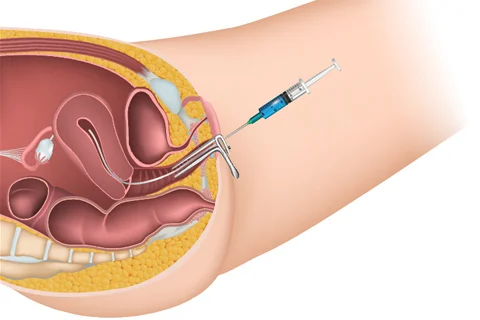
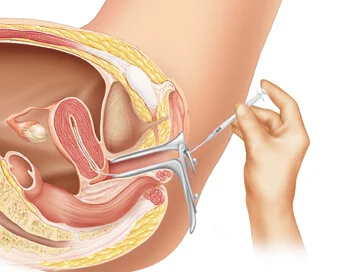
    illustration of intrauterine insemination procedure with a hand holding a speculum and syringe near the uterus

    Traditional Surrogacy vs. Gestational Surrogacy: What You Need to Know

    Gestational surrogacy, also known as full surrogacy, is the more common and preferred form of surrogacy. In this type of surrogacy, the surrogate mother carries a pregnancy for the intended parents, but she is not genetically related to the child. Instead, the embryo is created through IVF using the egg and sperm of the intended parents or donors. The fertilized embryo is then transferred to the surrogate’s uterus, where she carries the pregnancy to term and gives birth to the child.

    One of the main advantages of gestational surrogacy is that it eliminates any genetic connection between the surrogate and the child. This can help alleviate any potential emotional and legal complications that may arise in traditional surrogacy. Additionally, gestational surrogacy allows for more control over the genetic makeup of the child, as the intended parents can choose an egg or sperm donor if needed.

    However, gestational surrogacy also comes with its own set of challenges. The most significant disadvantage is the higher cost associated with the IVF process. This includes the cost of screening donors, retrieving eggs, and fertilizing embryos. Additionally, the IVF process can be physically and emotionally taxing for the intended mother, as she may need to undergo hormone injections and multiple medical procedures.

    Which Option is Right for You?

    Deciding between traditional and gestational surrogacy ultimately depends on your specific circumstances and preferences. If cost is a significant concern and you are comfortable with the idea of the surrogate being the biological mother of the child, then traditional surrogacy may be a viable option for you. However, if you want to have a genetic connection with the child and are willing to invest more time and money into the process, then gestational surrogacy may be a better choice.

    It is crucial to carefully consider all aspects of surrogacy before making a decision. Consulting with a reputable surrogacy agency and seeking legal advice can help you navigate the process and make an informed decision.

    In summary, traditional surrogacy involves the surrogate being the biological mother of the child, while gestational surrogacy does not. Traditional surrogacy is less expensive but comes with emotional and legal complexities, while gestational surrogacy offers more control over the genetic makeup of the child but is more costly. It is essential to carefully consider all factors before deciding which option is right for you.

  • Understanding the Difference: Traditional vs. Gestational Surrogacy

    Blog Post Title: Understanding the Difference: Traditional vs. Gestational Surrogacy

    Summary:

    Surrogacy is a widely accepted method for individuals and couples who are unable to conceive or carry a child on their own. However, there are two types of surrogacy – traditional and gestational – that differ in the way the surrogate mother becomes pregnant. In traditional surrogacy, the surrogate mother’s egg is used, while in gestational surrogacy, the intended parents’ egg and sperm are used. This blog post will delve deeper into the differences between traditional and gestational surrogacy, including the process, legal aspects, and emotional considerations.

    Firstly, let’s understand the process of traditional surrogacy. In this method, the surrogate mother is artificially inseminated with the intended father’s sperm. This means that the surrogate mother is also the biological mother of the child. Traditional surrogacy is a less common method nowadays due to the emotional and legal complexities involved. As the child is biologically related to the surrogate mother, she may have a harder time giving up the baby after birth. Moreover, the intended mother may feel left out as she is not biologically related to the child.

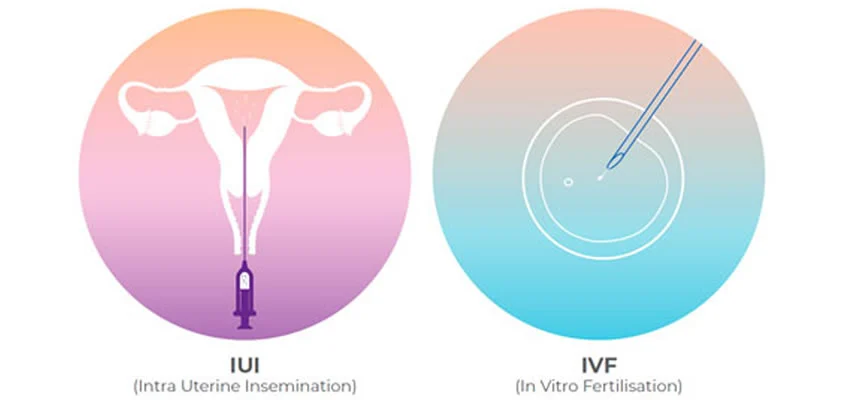
    comparison of IUI and IVF procedures illustrated with simple graphics and labels

    Understanding the Difference: Traditional vs. Gestational Surrogacy

    On the other hand, gestational surrogacy involves in vitro fertilization (IVF) where the intended parents’ egg and sperm are fertilized in a lab and then transferred to the surrogate mother’s uterus. In this method, the surrogate mother has no genetic relationship with the child, making it easier for her to give up the baby after birth. This method is preferred by many intended parents as it allows them to have a biological connection with their child.

    Another crucial aspect to consider is the legalities involved in traditional and gestational surrogacy. In traditional surrogacy, the surrogate mother is the legal mother of the child, and the intended parents have to go through the process of adoption to establish their parental rights. This can be a lengthy and expensive process, and in some cases, the surrogate mother may change her mind and keep the child. In contrast, gestational surrogacy is legally more straightforward as the intended parents’ names are on the birth certificate from the beginning. However, the laws surrounding surrogacy vary from state to state, and it is essential to seek legal advice to ensure all parties’ rights are protected.

    Emotional considerations play a significant role in both traditional and gestational surrogacy. As traditional surrogacy involves the surrogate mother’s egg, there is a higher emotional attachment and bond between the surrogate and the child. This can make it challenging for the surrogate mother to give up the baby after birth. In gestational surrogacy, the surrogate mother may have a lesser emotional attachment to the child as there is no genetic connection. However, she may still have a strong emotional bond with the baby as she carried and nurtured it for nine months. Intended parents also go through a rollercoaster of emotions throughout the surrogacy process, from excitement and hope to anxiety and fear. It is crucial for all parties involved to have a strong support system and open communication to navigate through these emotions successfully.

    In conclusion, traditional and gestational surrogacy have their differences in the process, legal aspects, and emotional considerations. It is essential to carefully consider all aspects and seek guidance from reputable agencies and legal professionals before embarking on the surrogacy journey. Surrogacy can be a beautiful and life-changing experience for all parties involved, but it is crucial to understand the differences between the two methods to make an informed decision.

  • The Role of Nutrition in Fertility: Insights from At-Home and Medical Testing

    Blog Post: The Role of Nutrition in Fertility: Insights from At-Home and Medical Testing

    Introduction:

    Fertility is a complex and personal journey for many individuals and couples. While there are various factors that can impact fertility, nutrition is often overlooked. However, research has shown that nutrition plays a significant role in fertility and can greatly impact a person’s ability to conceive. In this blog post, we will explore the importance of nutrition in fertility and how at-home and medical testing can provide insights into one’s nutritional status.

    The Link Between Nutrition and Fertility:

    Nutrition and fertility are closely intertwined. The foods we eat contain essential vitamins, minerals, and nutrients that are vital for reproductive health. For example, studies have shown that folate, a B vitamin found in leafy greens, is crucial for ovulation and healthy egg development. Additionally, omega-3 fatty acids, found in fish and nuts, have been linked to improved sperm quality in men. On the other hand, a diet high in processed foods and unhealthy fats can have a negative impact on fertility.

    At-Home Testing for Nutritional Deficiencies:

    One way to assess one’s nutritional status is through at-home testing. These tests typically involve collecting a sample of blood, urine, or saliva and sending it to a laboratory for analysis. At-home tests can provide valuable insights into one’s nutrient levels and identify any deficiencies that may be affecting fertility. For example, a blood test can measure levels of iron, vitamin D, and B vitamins, while a saliva test can assess hormone levels such as estrogen and testosterone.

    Medical Testing for Underlying Medical Conditions:

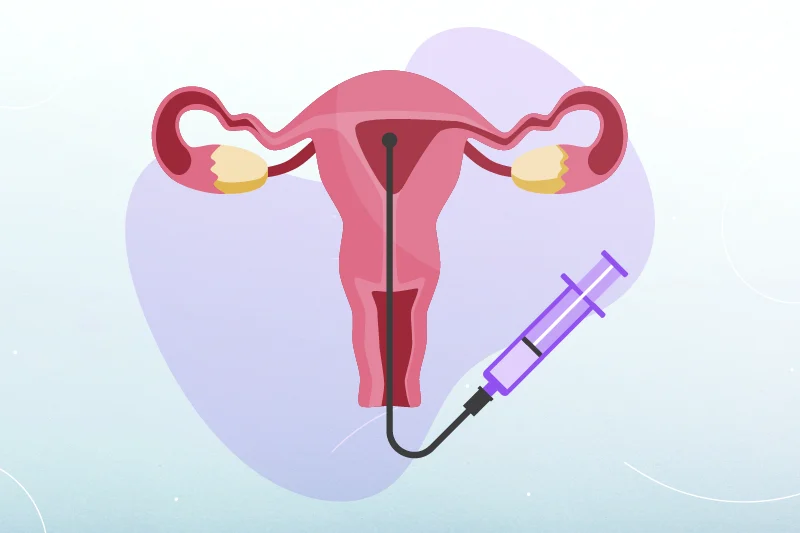
    diagram of a uterus with a syringe for intrauterine insemination procedure

    The Role of Nutrition in Fertility: Insights from At-Home and Medical Testing

    In addition to at-home testing, medical testing can also provide important information about one’s fertility. Medical tests can identify underlying medical conditions that may be impacting fertility, such as polycystic ovary syndrome (PCOS), thyroid disorders, or insulin resistance. These conditions can affect hormone levels and ovulation, making it difficult to conceive. Identifying and treating these conditions can improve fertility outcomes.

    The Role of Gut Health:

    The gut is often referred to as the “second brain” as it plays a significant role in our overall health. In recent years, research has shown that the gut microbiome, the community of bacteria in our digestive system, also plays a crucial role in fertility. Studies have found a link between an imbalanced gut microbiome and conditions like PCOS and endometriosis, which can affect fertility. Maintaining a healthy gut through a balanced diet and probiotic supplements can improve fertility outcomes.

    Nutrition and IVF Success:

    For couples undergoing in vitro fertilization (IVF) treatment, nutrition can also impact the success of the procedure. Studies have shown that women who follow a Mediterranean-style diet, rich in fruits, vegetables, and healthy fats, have a higher chance of success with IVF. Additionally, maintaining a healthy weight through proper nutrition can also improve IVF success rates. It is essential to work with a fertility specialist to create a personalized nutrition plan during IVF treatment.

    The Benefits of Working with a Registered Dietitian:

    While at-home and medical testing can provide valuable information, it is important to work with a registered dietitian to create a personalized nutrition plan. Registered dietitians have specialized knowledge in nutrition and fertility and can help identify any nutrient deficiencies and create a tailored plan to improve fertility outcomes. They can also provide guidance on specific dietary changes and supplements that may benefit fertility.

    In summary, the link between nutrition and fertility is undeniable. A well-balanced and nutrient-rich diet is crucial for reproductive health and can impact fertility outcomes. At-home and medical testing can provide insights into one’s nutritional status, and working with a registered dietitian can help create a personalized plan to optimize fertility. By prioritizing nutrition and making healthy dietary choices, individuals and couples can improve their chances of conceiving and ultimately have a healthy pregnancy.

  • Surrogacy vs Adoption: A Medical Comparison

    Surrogacy vs Adoption: A Medical Comparison

    When it comes to starting a family, there are various options available for couples and individuals. Two of the most common methods are surrogacy and adoption. While both can help individuals and couples achieve their dream of becoming parents, they have significant differences in terms of the medical processes involved. In this blog post, we will explore the medical aspects of surrogacy and adoption and compare them to help you understand which option may be the best for you.

    Surrogacy is a process in which a woman carries a pregnancy for another individual or couple, known as the intended parents. There are two types of surrogacy – traditional and gestational. In traditional surrogacy, the surrogate’s own egg is fertilized with the intended father’s sperm, making her the biological mother of the child. On the other hand, gestational surrogacy involves the use of in vitro fertilization (IVF) to create an embryo using the intended parents’ genetic material, which is then implanted into the surrogate’s womb.

    The medical process of surrogacy involves several steps. First, the intended parents undergo fertility testing to determine their ability to produce healthy sperm and eggs. If there are any issues, alternative options such as using donor eggs or sperm may be considered. Once the intended parents have been cleared, the surrogate also undergoes fertility testing to ensure her ability to carry a pregnancy. If all goes well, the next step is the embryo transfer, where the fertilized embryo is implanted into the surrogate’s uterus. The surrogate then carries the pregnancy to term and delivers the baby, who is then legally handed over to the intended parents.

    Adoption, on the other hand, is the legal process of becoming the parents of a child who is not biologically related to them. There are various types of adoption, including domestic, international, and foster care adoption. Domestic adoption involves adopting a child within the country, while international adoption is the process of adopting a child from another country. Foster care adoption involves adopting a child who is in the foster care system.

    The medical process of adoption is not as complex as surrogacy. However, it does involve some medical procedures. First, the adoptive parents undergo a medical examination to ensure they are healthy and able to care for a child. They may also undergo psychological evaluations to determine their readiness to become parents. Once they are approved, the adoption agency will match them with a child based on their preferences and the child’s needs. The adoptive parents then go through a legal process to finalize the adoption.

    illustration of intrauterine insemination procedure with a syringe and catheter in the uterus.

    Surrogacy vs Adoption: A Medical Comparison

    One significant difference between surrogacy and adoption is the involvement of genetics. In surrogacy, the intended parents’ genetic material is used to create the embryo, making them the biological parents of the child. On the other hand, in adoption, the child is not biologically related to the adoptive parents. This may be an important factor for some individuals or couples to consider when choosing between surrogacy and adoption.

    Another difference is the level of control and involvement in the pregnancy and birth process. In surrogacy, the intended parents have more control over the pregnancy, as they are involved in the embryo creation and transfer process. They can also be present for the birth of their child if they choose to do so. In contrast, adoptive parents have less control over the pregnancy and birth process, as they are not biologically related to the child and may not be present for the birth.

    In terms of costs, surrogacy is generally more expensive than adoption. The medical procedures involved in surrogacy, such as IVF, can be costly, and the intended parents are also responsible for the surrogate’s medical expenses. In contrast, adoption costs may vary, but they are generally lower than surrogacy. However, with adoption, there may be additional fees such as legal fees, home studies, and travel expenses for international adoption.

    Both surrogacy and adoption have their own set of risks and challenges. One potential risk of surrogacy is the emotional attachment that may develop between the surrogate and the baby, which could make it difficult for her to give up the child after birth. In adoption, there may be challenges such as the child’s birth parents changing their minds or the child having a difficult time adjusting to the new family.

    In conclusion, surrogacy and adoption are two different options for individuals and couples looking to start a family. Surrogacy involves a more complex medical process and offers the opportunity for the intended parents to have a genetic connection to the child. Adoption, on the other hand, is a more straightforward medical process and provides the opportunity to give a home to a child in need. Ultimately, the decision between surrogacy and adoption is a personal one that should be made after considering all factors and consulting with medical professionals.

    Summary:

    Surrogacy and adoption are two popular options for individuals and couples looking to start a family. Surrogacy involves a complex medical process, while adoption is a more straightforward process. Surrogacy allows for a genetic connection to the child, while adoption does not. Surrogacy is generally more expensive than adoption, and both have their own set of risks and challenges. Ultimately, the decision between surrogacy and adoption should be made after considering all factors and consulting with medical professionals.

  • Breaking Down the Costs: Surrogacy vs Adoption

    Surrogacy and adoption are two popular options for expanding a family when traditional methods are not possible. While both options lead to the joy of parenthood, they also come with their own set of costs and considerations. In this blog post, we will break down the costs of surrogacy and adoption, comparing the two to help prospective parents make an informed decision.

    Surrogacy is the process in which a woman carries a child for another person or couple, known as intended parents. This can be either traditional surrogacy, where the surrogate uses her own egg, or gestational surrogacy, where an embryo is created through in vitro fertilization (IVF) using the intended mother’s egg or a donor egg. On the other hand, adoption is the legal process of becoming the parent of a child who is not biologically related to you. Let’s dive into the costs involved in both surrogacy and adoption.

    Surrogacy Costs:

    1. Agency Fees:
    Surrogacy agencies act as intermediaries between intended parents and surrogates, providing services such as matching, medical and psychological screening, and legal support. These agencies usually charge a fee of $20,000 to $30,000, depending on the services provided.

    2. Surrogate Compensation:
    Surrogate mothers are compensated for their time, effort, and expenses during the pregnancy. This can range from $30,000 to $50,000, depending on the location and individual arrangements.

    3. IVF Costs:
    If the intended parents are using their own eggs and sperm, the cost of IVF can range from $10,000 to $20,000. However, if donor eggs or sperm are needed, the cost can increase significantly.

    4. Legal Fees:
    Surrogacy contracts are complex and require the assistance of a lawyer to ensure that the rights and responsibilities of both parties are protected. Legal fees can range from $5,000 to $10,000.

    5. Medical Expenses:
    The intended parents are responsible for all medical expenses related to the pregnancy, including prenatal care, delivery, and postpartum care. These costs can vary greatly depending on the surrogate’s health and any complications that may arise during the pregnancy.

    Adoption Costs:

    Illustration of intrauterine insemination (IUI) procedure with syringe and catheter in the uterus.

    Breaking Down the Costs: Surrogacy vs Adoption

    1. Agency Fees:
    Adoption agencies charge fees for matching prospective parents with a child and providing pre and post-adoption services. These fees can range from $20,000 to $40,000, depending on the type of adoption and services provided.

    2. Home Study Fees:
    A home study is a critical step in the adoption process, where a licensed social worker assesses the prospective parents’ suitability to adopt. This process can cost anywhere from $1,000 to $3,000.

    3. Legal Fees:
    Adoption requires the assistance of a lawyer to navigate the complex legal processes involved. Legal fees can range from $5,000 to $10,000.

    4. Birth Mother Expenses:
    In some cases, the adoptive parents may need to cover the birth mother’s expenses during pregnancy, such as medical bills, living expenses, and legal fees. These costs can range from $3,000 to $10,000.

    5. Travel Expenses:
    If the adoption involves an out-of-state placement, the adoptive parents may have to cover travel expenses, including transportation, lodging, and meals.

    In addition to the above costs, there are other factors to consider when deciding between surrogacy and adoption, such as the time and effort involved. Surrogacy typically takes longer than adoption, as it involves finding a suitable surrogate, going through the IVF process, and then waiting for the baby to be born. Adoption, on the other hand, can take anywhere from a few months to a few years, depending on the type of adoption and the availability of children.

    Another important factor to consider is the emotional impact on all parties involved. Surrogacy can be emotionally taxing for both the surrogate and the intended parents, as they build a relationship and go through the process of carrying and giving birth to a child. Adoption, on the other hand, can come with its own set of challenges, such as navigating the relationship with the birth parents and helping the child adjust to their new family.

    In conclusion, both surrogacy and adoption have their own set of costs and considerations. Surrogacy can cost anywhere from $90,000 to $130,000, while adoption can range from $30,000 to $50,000. However, the decision ultimately comes down to personal circumstances and preferences. It is essential to research and consult with professionals before making a decision that is right for you and your family.

    Summary:

    Surrogacy and adoption are two options for expanding a family when traditional methods are not possible. Surrogacy involves a woman carrying a child for another person or couple, while adoption is the legal process of becoming a parent to a child who is not biologically related. Surrogacy can cost anywhere from $90,000 to $130,000, while adoption can range from $30,000 to $50,000. Factors to consider when deciding between the two include time and effort, emotional impact, and personal circumstances. It is crucial to research and consult with professionals before making a decision.

  • Egg Donation and Egg Freezing: A Gift of Life

    Blog Post: Egg Donation and Egg Freezing: A Gift of Life

    Egg donation and egg freezing are two revolutionary medical procedures that have given women the opportunity to preserve their fertility and help others struggling with infertility. These procedures have become increasingly popular in recent years as more women are choosing to delay starting a family for various personal and professional reasons. In this blog post, we will delve into the world of egg donation and egg freezing, exploring their benefits, processes, and impact on both donors and recipients.

    Egg Donation: A Gift of Life

    Egg donation is the process of retrieving eggs from a woman’s ovaries and donating them to another woman who is unable to produce her own viable eggs. This is typically done through in vitro fertilization (IVF), where the donated eggs are fertilized with sperm in a laboratory and then transferred to the recipient’s uterus. The entire process is carefully monitored and controlled to ensure the best chance of success.

    The decision to become an egg donor is not an easy one, and it requires a great deal of selflessness and compassion. Egg donors must go through a rigorous screening process to ensure they are physically and mentally fit to donate. This includes a thorough medical and psychological evaluation, as well as genetic testing. Donors are also required to provide a detailed medical history and undergo various blood tests to rule out any potential health risks.

    Once a donor is approved, she will undergo ovarian stimulation to produce multiple eggs. This involves taking daily injections of hormones for around 10-14 days to stimulate the ovaries to produce more eggs than usual. During this time, the donor will be closely monitored by a doctor to ensure her safety and well-being. Once the eggs are mature, they are retrieved through a minor surgical procedure under sedation.

    The impact of egg donation on the recipient is immeasurable. For many women struggling with infertility, egg donation offers them a chance to experience the joys of pregnancy and motherhood. It gives them hope and the opportunity to create a family of their own. The egg donor not only provides the recipient with the gift of life, but also gives her the gift of hope and happiness.

    Egg Freezing: Preserving Fertility for the Future

    Illustration of the uterus with a syringe, depicting the intrauterine insemination procedure.

    Egg Donation and Egg Freezing: A Gift of Life

    Egg freezing, also known as oocyte cryopreservation, is a process where a woman’s eggs are harvested and frozen for later use. This procedure has become increasingly popular among women who want to delay starting a family for personal or career reasons. It allows them to preserve their fertility and have the option to conceive later in life when they are ready.

    The process of egg freezing is similar to that of egg donation. The woman undergoes ovarian stimulation and egg retrieval, but instead of donating the eggs, they are frozen and stored for future use. This procedure is especially beneficial for women who are facing medical treatments that may affect their fertility, such as chemotherapy or radiation therapy. It also provides a sense of security and peace of mind for women who are not yet ready to start a family but want to ensure their future fertility.

    Egg Donation and Egg Freezing: A Win-Win Situation

    Both egg donation and egg freezing have been life-changing for many women. For those who choose to become egg donors, they have the satisfaction of knowing that they have helped someone else achieve their dream of becoming a parent. For those who choose to freeze their eggs, they have the freedom to pursue their personal and professional goals without worrying about their biological clock ticking.

    However, it’s important to note that both procedures come with their own set of risks and challenges. Egg donors may experience side effects from the hormone injections, and there is a small risk of complications during the retrieval process. Similarly, egg freezing is not a guarantee of future pregnancy, and there is a chance of the eggs not surviving the freezing and thawing process. It’s crucial for women to fully understand all the aspects of these procedures and make an informed decision.

    In conclusion, egg donation and egg freezing are two life-changing procedures that have given women the opportunity to preserve their fertility and help others in need. These procedures have not only helped countless women achieve their dream of becoming a parent, but also empowered them to take control of their reproductive choices. As technology continues to advance, we can only hope that these procedures will become even more accessible and effective, giving more women the gift of life.

    Summary:

    In recent years, egg donation and egg freezing have become increasingly popular among women for preserving their fertility and helping others struggling with infertility. Egg donation involves retrieving eggs from a donor and fertilizing them with sperm in a laboratory before transferring them to the recipient’s uterus. Egg freezing, on the other hand, allows women to preserve their eggs for future use. Both procedures require a rigorous screening process and medical procedures, but they have been life-changing for many women. While there are risks and challenges associated with these procedures, the impact they have on donors, recipients, and their families is immeasurable. As technology continues to advance, these procedures will likely become even more accessible and effective, giving more women the gift of life.

  • Egg Donation and Egg Freezing: A New Era in Fertility

    Egg Donation and Egg Freezing: A New Era in Fertility

    In today’s society, many women are choosing to delay starting a family in order to pursue their education, careers, or personal goals. However, as a woman’s age increases, so does the decline in her fertility. This has led to the rise of egg donation and egg freezing as viable options for women who wish to preserve their fertility or help others in need of an egg donor. These methods have opened up a new era in fertility, offering hope and possibilities for women who may have previously thought their chances of starting a family were limited. In this blog post, we will dive into the world of egg donation and egg freezing and explore how they have revolutionized the field of fertility.

    Egg donation involves the process of a woman donating her eggs to another woman who is unable to produce viable eggs of her own. This can be due to various reasons such as premature menopause, genetic disorders, or cancer treatments. The donated eggs are fertilized with the recipient’s partner’s sperm or donor sperm, and the resulting embryos are then transferred to the recipient’s uterus. Egg donation has been around for decades, but with the advances in technology and medical procedures, it has become a more accessible and successful option for couples struggling with fertility issues.

    One of the major benefits of egg donation is that it allows women with fertility issues to experience pregnancy and childbirth, fulfilling their desire to start a family. It also offers a chance for couples to have a biological child, as the donated eggs come from a young and healthy donor. This increases the chances of a successful pregnancy and a healthy baby. Additionally, egg donation allows women to become mothers at an older age, as the age of the egg donor does not impact the success of the procedure.

    Egg donation also gives women the opportunity to help others in need. Many women choose to donate their eggs as a way to give back and help those struggling with infertility. This selfless act can bring a sense of fulfillment and purpose to the donor and can have a significant impact on the lives of the recipients. It also creates a unique bond between the donor and the recipient, as they share a special connection through the gift of life.

    However, egg donation is not without its challenges. The process can be physically and emotionally demanding for both the donor and recipient. Donors are required to undergo a series of medical tests and procedures to ensure their eggs are of high quality and safe for donation. The retrieval of the eggs can also be uncomfortable and may require a brief recovery period. On the other hand, recipients must undergo hormonal treatments to prepare their body for pregnancy, which can have side effects and may not always result in a successful pregnancy.

    illustration of intrauterine insemination procedure with a hand holding a speculum and syringe near the uterus

    Egg Donation and Egg Freezing: A New Era in Fertility

    This is where egg freezing comes into play. Egg freezing, also known as oocyte cryopreservation, involves the process of extracting a woman’s eggs and freezing them for future use. This option is ideal for women who want to delay starting a family but are concerned about their declining fertility. By freezing their eggs at a younger age, women can preserve their fertility and increase their chances of conceiving when they are ready to start a family.

    Egg freezing has become increasingly popular in recent years, with more and more women choosing to freeze their eggs for various reasons. Some may want to focus on their education or career before starting a family, while others may not have found the right partner yet. Whatever the reason may be, egg freezing offers a sense of control and security for women who want to have a family in the future.

    One of the main advantages of egg freezing is that it allows women to have a biological child at a later stage in life. As mentioned earlier, a woman’s age is a significant factor in her fertility, and by freezing her eggs at a younger age, she can increase her chances of a successful pregnancy in the future. This option is especially beneficial for women who have a family history of early menopause or fertility issues.

    However, just like egg donation, egg freezing also has its challenges. The process of egg retrieval can be physically and emotionally taxing for women, and there is no guarantee that the frozen eggs will result in a successful pregnancy. There is also a time limit for how long the eggs can be frozen, and there is a cost associated with the storage and maintenance of the eggs.

    Despite the challenges, both egg donation and egg freezing have revolutionized the field of fertility and have given women more options and control over their reproductive choices. They have also opened up new possibilities for same-sex couples, single women, and women who have undergone cancer treatments and may have damaged their eggs.

    In addition to these options, advancements in technology have also made it possible for women to have biological children without the need for a male partner. In vitro fertilization (IVF) with donor sperm and intrauterine insemination (IUI) are two common procedures that can help women conceive without a male partner. These procedures, along with egg donation and egg freezing, have significantly expanded the definition of traditional family structures and have given women the choice to start a family on their own terms.

    In conclusion, egg donation and egg freezing have opened up a new era in fertility, offering hope and possibilities for women who may have previously thought their chances of starting a family were limited. These options have not only given women the chance to become mothers but have also allowed them to help others in need. As technology continues to advance, we can only imagine what other groundbreaking developments will shape the future of fertility.

  • Egg Donation vs Egg Freezing: How to Prepare Yourself

    Egg Donation vs Egg Freezing: How to Prepare Yourself

    Egg donation and egg freezing are two popular fertility options for women who are looking to preserve their fertility or help others achieve their dream of having a child. While they are both viable options, they differ in their purpose and procedure. Egg donation involves retrieving a woman’s eggs and donating them to another person or couple for fertilization and pregnancy. On the other hand, egg freezing is the process of preserving a woman’s eggs for future use, either for her own fertility or for donation. In this blog post, we will discuss the differences between egg donation and egg freezing, and how to prepare yourself for either procedure.

    Egg Donation: What to Expect

    Egg donation is a selfless act that allows women to help others who are struggling with infertility. It involves retrieving eggs from a woman’s ovaries and donating them to be fertilized and implanted into another person’s uterus. This process is typically done through in vitro fertilization (IVF), where the donated eggs are combined with sperm in a lab to create embryos, which are then transferred to the recipient’s uterus for pregnancy.

    Before undergoing egg donation, there are some important steps to take to ensure that you are prepared both physically and emotionally. First, it is essential to find a reputable fertility clinic or agency that specializes in egg donation. Make sure to research their success rates, patient reviews, and any potential risks involved. It is also important to meet with a fertility specialist to discuss any potential medical risks or complications that may arise from the procedure.

    Another important aspect of egg donation is the legal aspect. It is crucial to have a clear understanding of the legal implications of egg donation, including your rights and responsibilities as a donor. This may include signing a legal contract with the recipient and discussing any potential financial compensation for your time and efforts.

    Once you have chosen a fertility clinic and have a clear understanding of the legalities involved, the next step is to undergo a series of medical tests. These tests are necessary to ensure that you are physically and mentally prepared for the egg retrieval process. They may include blood work, ultrasounds, and a psychological evaluation to assess your overall health and well-being.

    Preparing yourself for egg donation also means taking care of your body leading up to the procedure. This includes maintaining a healthy diet, getting enough sleep, and avoiding alcohol, smoking, and drugs. These lifestyle factors can affect your fertility and the quality of your eggs, so it is essential to prioritize your health during this time.

    illustration of the uterus and ovaries with a syringe, labeled "IUI Treatment" in the background

    Egg Donation vs Egg Freezing: How to Prepare Yourself

    Egg Freezing: What to Expect

    Egg freezing, also known as oocyte cryopreservation, is a procedure that allows women to preserve their fertility for future use. This may be for personal reasons, such as wanting to delay starting a family, or for medical reasons, such as undergoing cancer treatment that may affect fertility. The process involves retrieving a woman’s eggs and freezing them for later use.

    Before undergoing egg freezing, it is important to meet with a fertility specialist to discuss your options and determine if this is the right choice for you. Similar to egg donation, you will also need to undergo medical tests to ensure that you are physically and mentally prepared for the procedure.

    One of the most critical steps in preparing for egg freezing is determining the best time to freeze your eggs. This is typically done during your reproductive prime, which is in your 20s or early 30s, when your eggs are of the highest quality. However, it is also possible to freeze eggs at a later age, although the success rates may vary.

    Another important consideration is the cost of egg freezing. This is not usually covered by insurance, so it is essential to budget and plan accordingly. Some fertility clinics offer financing options, and there are also grants and other financial assistance programs available.

    Preparing yourself for egg freezing may also involve making lifestyle changes leading up to the procedure. This can include following a healthy diet, exercising regularly, and avoiding substances that can affect fertility. It is also important to mentally prepare yourself for the potential emotional challenges that may come with the process, such as feelings of sadness or disappointment if the eggs do not result in a successful pregnancy.

    Summarizing the Blog Post

    In summary, egg donation and egg freezing are two viable options for women looking to preserve their fertility or help others achieve their dream of having a child. Egg donation involves donating eggs to another person or couple for fertilization and pregnancy, while egg freezing involves preserving a woman’s eggs for future use. To prepare for either procedure, it is essential to find a reputable fertility clinic, undergo necessary medical tests, understand the legal implications, and take care of your physical and mental well-being. It is also important to consider factors such as timing, cost, and potential lifestyle changes. By being well-informed and prepared, women can make the best decision for their fertility journey.