Tag: sperm quality

  • Genetic Testing and Fertility: How It Differs for Men and Women

    Genetic Testing and Fertility: How It Differs for Men and Women

    Genetic testing is a medical procedure that involves analyzing a person’s DNA to identify any genetic mutations or abnormalities. This process has become increasingly popular in recent years, particularly in the field of fertility. While genetic testing can provide valuable information for both men and women, the way it affects fertility differs between the two sexes. In this blog post, we will explore the differences in genetic testing for men and women when it comes to fertility, including the reasons for testing, the types of tests available, and the potential impact on fertility treatment options.

    Why Genetic Testing is Important for Fertility

    Genetic testing has become an important aspect of fertility treatment for both men and women. For couples struggling with infertility, genetic testing can help identify potential underlying causes and guide treatment options. It can also provide crucial information for couples considering assisted reproductive techniques, such as in vitro fertilization (IVF).

    For women, genetic testing can help identify genetic mutations or disorders that may affect their fertility. These can include conditions such as Polycystic Ovary Syndrome (PCOS), endometriosis, and chromosomal abnormalities. Knowing about these issues can help women make informed decisions about their reproductive health, including when to start a family and which fertility treatments may be most effective.

    For men, genetic testing can also provide valuable information about their fertility. It can identify conditions that may affect sperm quality and quantity, such as Klinefelter syndrome, cystic fibrosis, and Y chromosome deletions. This information can be crucial for men who are facing fertility issues or considering sperm donation.

    Types of Genetic Testing for Fertility

    There are several types of genetic tests available for both men and women when it comes to fertility. These include carrier screening, preimplantation genetic testing, and prenatal testing.
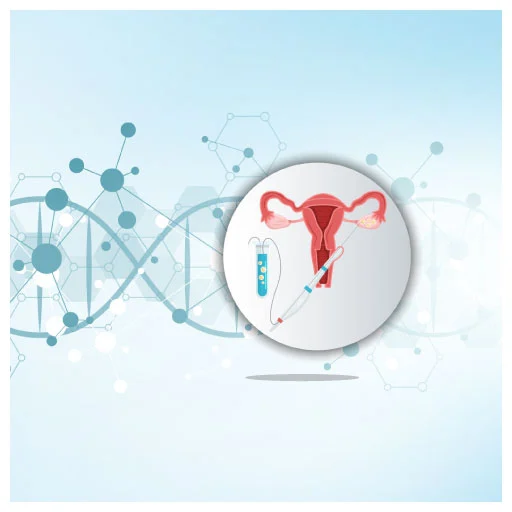
    Illustration of IUI procedure with uterus and syringe against a DNA background.

    Genetic Testing and Fertility: How It Differs for Men and Women

    Carrier screening involves testing individuals for genetic mutations that can be passed on to their children. It is usually recommended for couples who have a family history of genetic disorders or are at a higher risk of being carriers. For women, this may include screening for conditions such as cystic fibrosis, spinal muscular atrophy (SMA), and Fragile X syndrome. For men, carrier screening may be done for conditions such as hemophilia, Duchenne muscular dystrophy, and Tay-Sachs disease.

    Preimplantation genetic testing (PGT) is a procedure that involves testing embryos created through IVF for genetic abnormalities before implantation in the uterus. This allows for the selection of healthy embryos and can reduce the risk of passing on genetic disorders to the child. PGT can be used for both men and women, but it is more commonly used in cases where there is a known genetic mutation or a history of genetic disorders in the family.

    Prenatal testing, on the other hand, is done during pregnancy to detect any genetic disorders or abnormalities in the fetus. It can be done through non-invasive methods such as blood tests or through more invasive procedures like amniocentesis and chorionic villus sampling (CVS). Prenatal testing is recommended for women who are at higher risk of having a child with a genetic disorder.

    Impact on Fertility Treatment Options

    Genetic testing can have a significant impact on fertility treatment options for both men and women. For women, knowing about any genetic disorders or mutations can help them make informed decisions about starting a family and choosing the right fertility treatment. It can also help doctors tailor treatment plans to address any underlying genetic issues, potentially improving the chances of a successful pregnancy.

    For men, genetic testing can provide crucial information about sperm quality and quantity, which can affect the success of fertility treatments. If a man has a genetic condition that affects his sperm, it may be necessary to use sperm donation to achieve pregnancy. In some cases, genetic testing can also identify genetic conditions that may make it impossible for a man to father a child biologically, and adoption or surrogacy may be considered as alternative options.

    In cases where both partners undergo genetic testing, the results can impact the decision to use their own genetic material or opt for donor sperm or eggs. It can also help couples understand the likelihood of passing on a genetic disorder to their child and make decisions about undergoing PGT or prenatal testing.

    Conclusion

    In conclusion, genetic testing plays a significant role in fertility for both men and women. It can help identify potential underlying issues, guide treatment options, and reduce the risk of passing on genetic disorders to children. However, the way it affects fertility differs between the sexes, with women facing potential issues related to their reproductive health and men facing potential issues related to sperm quality and quantity. With advancements in technology and the availability of a variety of genetic tests, couples struggling with fertility can now have a better understanding of their genetic makeup and make informed decisions about their reproductive health.

  • Intrauterine Insemination vs Donor Insemination: A Look at the Success Rates

    Intrauterine insemination (IUI) and donor insemination (DI) are two commonly used fertility treatments for couples struggling with infertility. Both procedures involve inserting sperm into the uterus, but there are some key differences between the two. One of the main differences is the source of the sperm – in IUI, the sperm comes from the male partner, while in DI, it comes from a donor. So, which one has higher success rates? In this blog post, we will take a closer look at the success rates of IUI and DI and see which one may be a better option for couples trying to conceive.

    IUI Success Rates:

    IUI is a relatively simple procedure that involves inserting washed and concentrated sperm into the uterus around the time of ovulation. This procedure is often used for couples with unexplained infertility, mild male factor infertility, or in cases where the female partner has difficulty with cervical mucus. The success rates of IUI vary depending on factors such as age, cause of infertility, and the number of cycles attempted.

    According to the American Society for Reproductive Medicine (ASRM), the success rate for IUI ranges from 8% to 17% per cycle for couples where the female partner is under the age of 35. For couples where the female partner is between the ages of 35 and 40, the success rate drops to 6% to 10% per cycle. The success rates are even lower for couples where the female partner is over the age of 40, at around 2% to 5% per cycle.

    Other factors that can affect the success rates of IUI include the cause of infertility and the number of cycles attempted. For example, couples with unexplained infertility may have higher success rates compared to those with male factor infertility. Additionally, the more cycles a couple attempts, the higher the chances of success.

    Donor Insemination Success Rates:

    DI involves using sperm from a donor to fertilize the female partner’s eggs. This procedure is commonly used for same-sex couples, single women, or couples where the male partner has severe male factor infertility. The success rates of DI are largely dependent on the quality of the sperm used and the age of the female partner.

    According to the ASRM, the success rate for DI ranges from 5% to 20% per cycle. This may seem lower than the success rates of IUI, but it is important to note that DI is often used in more challenging cases of infertility. Additionally, the success rates of DI can be significantly higher if the donor sperm is of good quality and the female partner is under the age of 35.

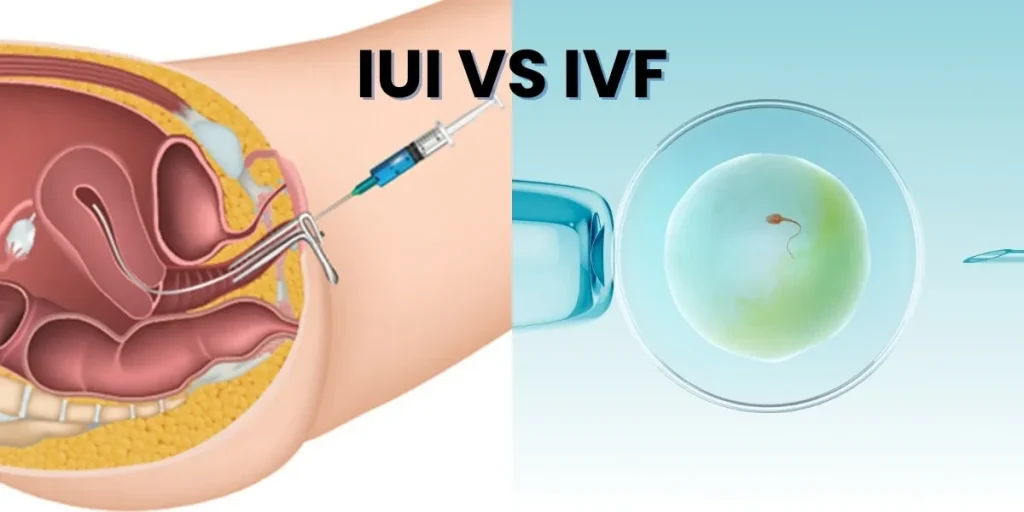
    comparison of IUI and IVF fertility treatments with illustrations of procedures and a petri dish with an egg and sperm

    Intrauterine Insemination vs Donor Insemination: A Look at the Success Rates

    Factors That Affect Success Rates:

    As mentioned earlier, there are several factors that can affect the success rates of IUI and DI. These factors include age, cause of infertility, sperm quality, and the number of cycles attempted. Age is a crucial factor as fertility declines as a woman gets older. This is why the success rates of both IUI and DI are significantly lower for women over the age of 40.

    The cause of infertility is also an important factor to consider. If the cause is due to male factor infertility, the success rates of both IUI and DI may be lower. In such cases, using donor sperm may be a better option as it eliminates the potential issue with sperm quality.

    Sperm quality is another crucial factor that can greatly impact the success rates of both IUI and DI. Using sperm from a donor can increase the chances of success as the sperm is often younger and healthier compared to sperm from the male partner. However, if the male partner has good sperm quality, IUI may be a better option as it allows for the use of his sperm.

    Lastly, the number of cycles attempted also plays a role in the success rates of both procedures. The more cycles a couple attempts, the higher the chances of success. This is why it is important for couples to discuss with their doctor the number of cycles they are willing to attempt and make a decision based on their individual circumstances.

    In conclusion, both IUI and DI are viable options for couples struggling with infertility. The success rates of both procedures vary depending on factors such as age, cause of infertility, sperm quality, and the number of cycles attempted. It is important for couples to discuss these factors with their doctor and make an informed decision about which procedure may be the best for them.

    Summary:

    Intrauterine insemination (IUI) and donor insemination (DI) are two fertility treatments that involve inserting sperm into the uterus. While IUI uses sperm from the male partner, DI uses sperm from a donor. The success rates of both procedures vary depending on factors such as age, cause of infertility, sperm quality, and the number of cycles attempted. Generally, the success rates of IUI are higher, but DI may be a better option for couples with more challenging cases of infertility. It is important for couples to discuss these factors with their doctor and make an informed decision about which procedure may be the best for them.

  • The Safety Factor: At-Home Insemination Kits vs. Medical Supplies

    The Safety Factor: At-Home Insemination Kits vs. Medical Supplies

    In recent years, more and more people have been turning to at-home insemination as a way to start or expand their families. This method involves using a kit or medical supplies to inseminate oneself or a partner at home, rather than seeking medical assistance. While at-home insemination may seem like a convenient and cost-effective option, it is important to consider the safety factor when deciding between using at-home insemination kits or medical supplies.

    At-Home Insemination Kits:
    At-home insemination kits are designed for ease of use and convenience. They typically include a syringe, sperm-friendly lubricant, and instructions for use. Some kits may also include ovulation predictor tests or pregnancy tests. These kits can be purchased online or in some drugstores without a prescription.

    One of the main benefits of using an at-home insemination kit is the cost. These kits are significantly cheaper than seeking medical assistance, which can cost thousands of dollars. At-home kits also provide privacy and allow individuals to inseminate in the comfort of their own home.

    However, at-home insemination kits also come with potential risks. The biggest concern is the reliability and quality of the sperm being used. Many kits allow individuals to use sperm from a known donor, such as a friend or family member, without proper testing or screening. This can put the individual and potential child at risk for genetic diseases or other health issues. Additionally, the success rates of at-home insemination are lower compared to medical procedures, which can lead to disappointment and frustration for those trying to conceive.

    Medical Supplies:
    Medical supplies for insemination, such as a catheter or speculum, can be purchased online or in some pharmacies with a prescription. These supplies are typically used in medical procedures, but can also be used for at-home insemination with proper knowledge and training.

    One of the main benefits of using medical supplies for at-home insemination is the reliability and quality of the products. These supplies are typically used by healthcare professionals and are designed specifically for insemination. This can provide peace of mind for those trying to conceive, knowing that they are using safe and effective products.

    doctor discussing treatment with a patient in a medical office, featuring an ultrasound machine in the background

    The Safety Factor: At-Home Insemination Kits vs. Medical Supplies

    Another benefit of using medical supplies is the potential for medical guidance and support. While at-home insemination kits do not come with medical supervision, using medical supplies allows individuals to seek advice and assistance from healthcare professionals if needed. This can be especially beneficial for those who may have fertility issues or are using donor sperm.

    However, the cost of medical supplies can be a deterrent for some. These supplies can be more expensive than at-home kits and may require a prescription, which can also add to the cost. Additionally, using medical supplies may require more knowledge and training, which can be a barrier for some individuals.

    Safety Factors to Consider:
    When deciding between at-home insemination kits and medical supplies, there are important safety factors to consider. The first and most important factor is the quality and reliability of the sperm being used. While at-home kits may allow for the use of known donors, it is important to ensure that proper testing and screening has been done to minimize the risk of genetic diseases or other health issues. Medical supplies may also require the use of tested and screened donor sperm, depending on the healthcare provider’s policies.

    Another safety factor to consider is the potential for infections. Both at-home kits and medical supplies come with the risk of introducing bacteria or other pathogens into the reproductive tract. However, by using medical supplies and following proper sterilization techniques, this risk can be minimized. At-home kits may not come with the same level of sterilization and can potentially increase the risk of infections.

    The success rates of at-home insemination vs. medical procedures should also be considered. While at-home insemination may seem like a more affordable and convenient option, the success rates are significantly lower compared to medical procedures. This can lead to frustration and disappointment for those trying to conceive.

    In conclusion, when deciding between at-home insemination kits and medical supplies, it is important to consider the safety factors involved. While at-home kits may seem like a more affordable and convenient option, they come with potential risks such as the quality and reliability of sperm being used. Medical supplies, although more expensive, can provide peace of mind with their reliability and the potential for medical guidance. Ultimately, the decision should be based on individual circumstances and preferences, but safety should always be a top priority.

    Summary:
    At-home insemination kits and medical supplies are two options for individuals looking to conceive through self-insemination. At-home kits offer convenience and affordability, while medical supplies provide reliability and potential medical guidance. However, it is important to consider safety factors such as the quality of sperm, potential for infections, and success rates when deciding between the two options.

  • Intrauterine Insemination vs Low-Tech IVF: The Role of Male Fertility

    Intrauterine Insemination vs Low-Tech IVF: The Role of Male Fertility

    When it comes to treating infertility, there are various options available for couples to consider. Two common methods are Intrauterine Insemination (IUI) and Low-Tech In Vitro Fertilization (IVF). Both of these procedures involve introducing sperm into the female reproductive tract in hopes of achieving pregnancy. However, there are significant differences in the techniques and success rates of these procedures, especially when it comes to the role of male fertility. In this blog post, we will explore the differences between IUI and Low-Tech IVF and the impact of male fertility on these procedures.

    Intrauterine Insemination (IUI) is a relatively simple and non-invasive procedure that involves placing washed and concentrated sperm directly into the uterus around the time of ovulation. This method is often used for couples who have unexplained infertility, mild male factor infertility, or issues with cervical mucus. The goal of IUI is to increase the chances of sperm reaching and fertilizing the egg by bypassing any potential barriers in the reproductive tract.

    On the other hand, Low-Tech IVF involves a more complex process of stimulating the ovaries to produce multiple eggs, retrieving the eggs, and fertilizing them with sperm in a laboratory setting. The embryos are then transferred back into the uterus for potential implantation. This method is typically recommended for couples who have more severe infertility issues, such as blocked fallopian tubes or advanced maternal age. Unlike IUI, Low-Tech IVF requires more monitoring and medical intervention, making it a more invasive and expensive option.

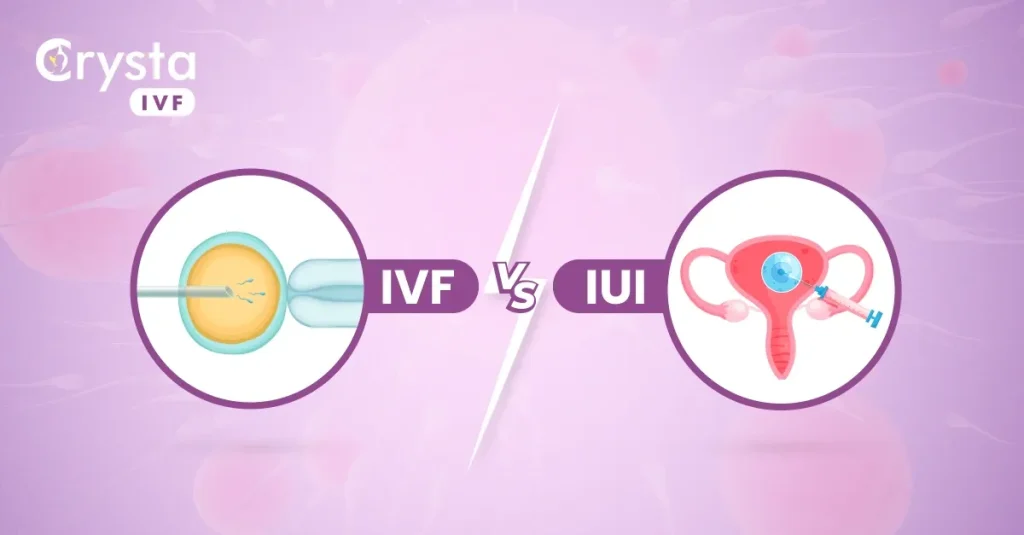
    Comparison of IVF and IUI procedures with illustrations of each method.

    Intrauterine Insemination vs Low-Tech IVF: The Role of Male Fertility

    One of the main differences between IUI and Low-Tech IVF is the role of male fertility. In IUI, the success of the procedure heavily relies on the quality and quantity of the male partner’s sperm. If the sperm is not viable, the chances of pregnancy are significantly reduced. Therefore, a thorough evaluation of the male partner’s fertility is crucial before undergoing IUI. This may include a semen analysis to assess sperm count, motility, and morphology.

    In contrast, Low-Tech IVF is a more effective option for couples with male factor infertility. Since the eggs and sperm are intentionally brought together in a controlled laboratory environment, the quality and quantity of the sperm have less of an impact on the success of the procedure. This is because the sperm is selected and directly injected into the egg, increasing the chances of fertilization. However, this does not mean that male fertility is not a factor in Low-Tech IVF. A semen analysis is still recommended to ensure the best possible outcome.

    Another important factor to consider is the success rates of these procedures. According to the American Society for Reproductive Medicine, the success rate for IUI is around 10-15% per cycle, while Low-Tech IVF has a success rate of 25-30% per cycle. These success rates can vary depending on individual factors such as age, overall health, and fertility issues. However, it is clear that Low-Tech IVF has a higher success rate compared to IUI, making it a preferred option for couples with more severe infertility issues.

    In addition to the role of male fertility, there are other factors to consider when deciding between IUI and Low-Tech IVF. These include the cost, invasiveness, and emotional toll of the procedures. IUI is a less expensive and less invasive option compared to Low-Tech IVF, which may require multiple rounds of treatment and more medical intervention. Additionally, going through fertility treatments can be emotionally taxing for couples, and it is important to choose the option that feels right for both partners.

    In conclusion, both Intrauterine Insemination (IUI) and Low-Tech In Vitro Fertilization (IVF) are viable options for couples struggling with infertility. However, the role of male fertility differs in these procedures, with IUI relying heavily on the quality and quantity of sperm and Low-Tech IVF being a more effective option for couples with male factor infertility. It is important for couples to consult with a fertility specialist and consider all factors before deciding on the best treatment option for their unique situation.

  • Fertility Massage for Men: How It Can Improve Sperm Quality and Count

    Summary:

    Fertility massage for men is a holistic and natural approach to improving sperm quality and count. This therapeutic technique has been used for centuries to help men enhance their fertility and increase their chances of conception. Fertility massage focuses on the reproductive organs and other key areas of the body to promote hormonal balance, improve blood circulation, and reduce stress and tension. In this blog post, we will explore the benefits of fertility massage for men, how it works, and some tips for incorporating it into your fertility journey.

    Firstly, let us understand the importance of sperm quality and count in the fertility process. Sperm health plays a crucial role in fertility, as it determines the ability of sperm to fertilize an egg and the overall success of pregnancy. Factors such as age, diet, and lifestyle can impact sperm health, leading to low sperm count and poor quality. This is where fertility massage can help.

    Fertility massage works by stimulating the reproductive organs and improving blood flow to the pelvic area. It also helps to release tension and increase the production of hormones that are essential for sperm production. Fertility massage also aids in the removal of toxins and waste products, which can interfere with sperm health. By promoting relaxation and reducing stress, fertility massage can also improve the overall well-being of men, which is crucial for optimal sperm health.

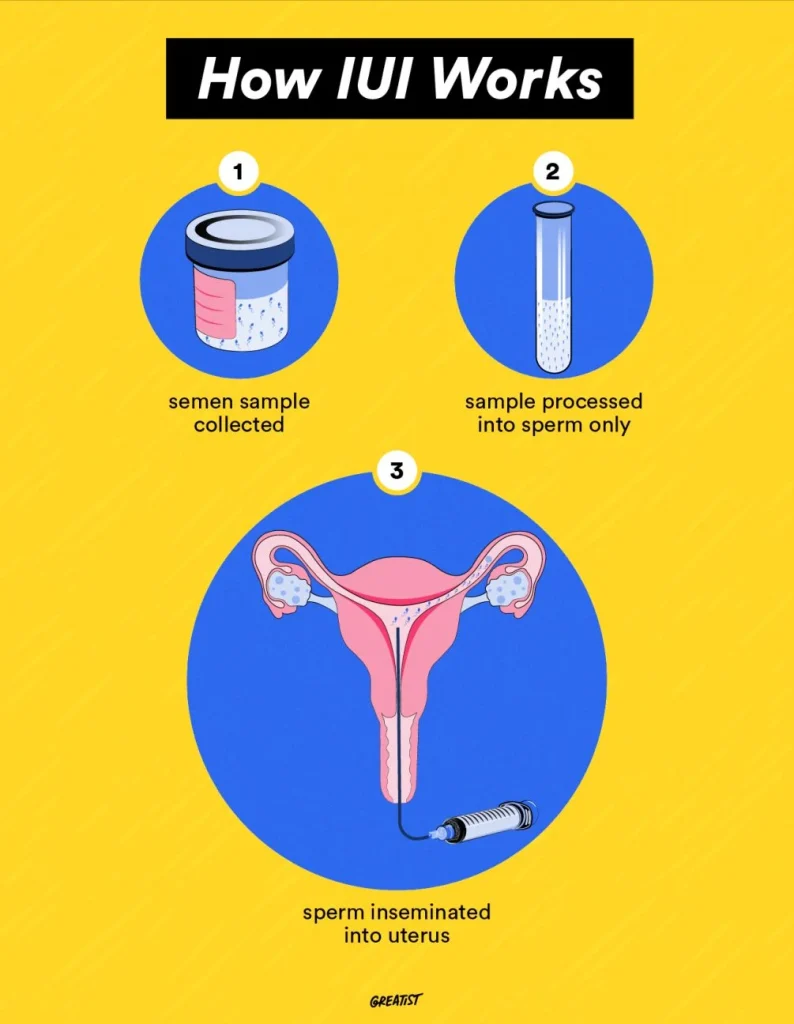
    illustration explaining the steps of intrauterine insemination (IUI) process on a bright yellow background

    Fertility Massage for Men: How It Can Improve Sperm Quality and Count

    One of the main benefits of fertility massage for men is its ability to increase sperm count. Studies have shown that regular fertility massage can significantly improve sperm count and motility. This is because the massage techniques target the testicles and prostate, which are responsible for sperm production and ejaculation. By increasing blood flow and stimulation to these areas, fertility massage can help to produce healthier and more abundant sperm.

    In addition to increasing sperm count, fertility massage can also improve sperm quality. The massage techniques help to break up any blockages or adhesions in the reproductive organs, allowing for better sperm movement and function. Fertility massage also helps to balance hormones, which is crucial for optimal sperm production and quality. By improving the overall health of the reproductive organs, fertility massage can lead to healthier, stronger, and more viable sperm.

    Aside from the physical benefits, fertility massage can also have a positive impact on emotional well-being. Infertility can be a stressful and emotional journey for couples, and fertility massage can provide a much-needed sense of relaxation and relief. By releasing tension and promoting relaxation, fertility massage can help couples to cope with the emotional toll of trying to conceive. This can also have a positive impact on the overall success of conception, as stress and anxiety can affect sperm health and fertility.

    So, how can you incorporate fertility massage into your fertility journey? It is important to consult with a certified fertility massage therapist who has experience in working with male clients. They will be able to assess your specific needs and create a personalized treatment plan. Fertility massage sessions can range from 30 minutes to an hour, and it is recommended to have regular sessions for optimal results. Additionally, it is essential to maintain a healthy diet and lifestyle to support the benefits of fertility massage on sperm health.

    In conclusion, fertility massage for men is a safe, natural, and effective way to improve sperm quality and count. It works by targeting the reproductive organs and promoting relaxation and hormone balance. Fertility massage can increase sperm count, improve sperm quality, and support emotional well-being, making it a valuable tool in the fertility journey. With regular sessions and a healthy lifestyle, fertility massage can help men increase their chances of conception and achieve their dream of starting a family.

  • Sperm Analysis and Semen Analysis: The Importance of Regular Testing

    Blog Post:

    When it comes to male reproductive health, sperm analysis and semen analysis are important tools for monitoring and maintaining fertility. These tests analyze the quality and quantity of sperm in a man’s semen, providing valuable information about his reproductive capabilities. While many men may feel uncomfortable discussing these topics or undergoing testing, regular sperm and semen analysis can offer important insights into overall health and help identify potential fertility issues. In this blog post, we will explore the importance of regular testing and how it can benefit men’s reproductive health.

    Sperm analysis, also known as a sperm count, measures the number of sperm present in a semen sample. This test is typically done to assess fertility and is often one of the first steps in diagnosing male infertility. Semen analysis, on the other hand, evaluates the overall health and quality of sperm, including factors such as motility (movement) and morphology (shape). Both tests provide valuable information about a man’s reproductive health and can help identify potential issues that may be affecting fertility.

    One of the main reasons why regular sperm and semen analysis is important is that it can help identify potential fertility issues early on. Infertility affects approximately 1 in 8 couples, with about one-third of cases attributed to male factors. By regularly monitoring sperm and semen quality, men can catch any potential issues early and seek appropriate treatment. This can not only increase the chances of successful conception but also save couples from months or even years of frustration and disappointment.

    Furthermore, sperm and semen analysis can provide valuable insights into overall health. Sperm analysis, in particular, can reveal underlying health conditions such as hormonal imbalances, infections, or genetic disorders that may be affecting fertility. In some cases, abnormalities in sperm can even be an early indicator of more serious conditions such as testicular cancer. By regularly monitoring sperm and semen quality, men can take proactive steps to address any health issues and maintain their overall well-being.

    Regular testing can also help men make lifestyle changes that can improve their sperm and semen quality. Factors such as diet, exercise, and stress levels can all impact fertility, and regular testing can help men identify areas for improvement. For example, if a man’s semen analysis shows a low sperm count, he may be advised to make changes to his diet and lifestyle, such as reducing alcohol consumption or quitting smoking. These changes can not only improve sperm quality but also contribute to overall health and well-being.

    Comparison of IUI and IVF with illustrations of each procedure.

    Sperm Analysis and Semen Analysis: The Importance of Regular Testing

    Another benefit of regular sperm and semen analysis is that it can track the effectiveness of any fertility treatments. If a couple is undergoing fertility treatments, such as in vitro fertilization (IVF), regular testing can help monitor the success of the treatment. By tracking sperm and semen quality, doctors can make adjustments to the treatment plan if needed to increase the chances of a successful pregnancy.

    It is also important to note that sperm and semen analysis is a simple and non-invasive procedure. While some men may feel uncomfortable providing a semen sample, the process is quick and painless. The sample is typically collected through masturbation or by using a special condom during intercourse. The sample is then analyzed in a laboratory, and results are usually available within a few days. Overall, the benefits of regular testing far outweigh any potential discomfort or embarrassment.

    In addition to the physical benefits, regular sperm and semen analysis can also have a positive impact on men’s mental health. Infertility can be a source of stress, anxiety, and even depression for men and their partners. By regularly monitoring sperm and semen quality, men can have peace of mind knowing that they are taking proactive steps to maintain their reproductive health. This can reduce stress and anxiety and contribute to overall mental well-being.

    In conclusion, regular sperm and semen analysis are essential tools for monitoring and maintaining male reproductive health. These tests can not only identify potential fertility issues but also provide valuable insights into overall health and well-being. By regularly testing, men can take proactive steps to address any issues and increase their chances of successful conception. So, if you are a man who wants to ensure your fertility and overall health, schedule a sperm and semen analysis today.

    Summary:

    Sperm and semen analysis are important tools for monitoring and maintaining male reproductive health. These tests provide valuable information about sperm quality, fertility, and overall health. Regular testing can help identify potential issues early on, make lifestyle changes to improve sperm quality, track the effectiveness of fertility treatments, and have a positive impact on mental health. The process is simple and non-invasive, and the benefits far outweigh any discomfort or embarrassment. So, it is essential for men to prioritize regular sperm and semen analysis for their reproductive and overall health.

  • The Future of Sperm Analysis and Semen Analysis: Advancements and Innovations

    Over the years, advancements in medical technology have greatly improved the field of reproductive health. In particular, sperm analysis and semen analysis have seen significant developments, allowing for better understanding and management of male fertility. With the continuous evolution of medical technology, what does the future hold for sperm and semen analysis? In this blog post, we will explore the current advancements and potential innovations in this field, and discuss the potential impact on male reproductive health.

    Sperm analysis is the evaluation of sperm quality, quantity, and movement, which is crucial in determining male fertility. Traditional methods of sperm analysis involve manual counting and observation of sperm under a microscope, which can be time-consuming and subjective. However, with the advent of computer-assisted sperm analysis (CASA), the process has become more objective and efficient. CASA utilizes specialized software to analyze sperm characteristics, such as motility and morphology, providing more accurate and standardized results.

    Another significant advancement in sperm analysis is the development of advanced imaging techniques, such as high-speed videography and 3D imaging. These techniques allow for a more detailed analysis of sperm movement and structure, providing a better understanding of sperm function and potential fertility issues. Moreover, these imaging techniques can also detect subtle abnormalities that may not be visible under a conventional microscope.

    One of the most exciting developments in sperm analysis is the use of artificial intelligence (AI). AI has the potential to analyze vast amounts of data and identify patterns that may not be apparent to the human eye. This can greatly improve the accuracy and efficiency of sperm analysis, leading to better diagnosis and treatment of male infertility. Some studies have shown promising results in using AI for sperm analysis, with high accuracy rates in predicting male fertility.

    In addition to advancements in sperm analysis, there have also been significant developments in semen analysis. Semen analysis involves the evaluation of the volume, color, pH, and concentration of sperm in semen. One of the most significant innovations in semen analysis is the use of microfluidic devices. These devices can sort and isolate sperm cells based on their size, shape, and movement, providing a more accurate analysis of sperm quality. Furthermore, microfluidic devices can also remove harmful substances from semen, such as bacteria and debris, which may affect sperm quality.

    Comparison of IVF and IUI procedures with illustrations of each method.

    The Future of Sperm Analysis and Semen Analysis: Advancements and Innovations

    Another emerging technology in semen analysis is the use of biosensors. Biosensors are devices that can detect and measure specific substances, such as hormones and proteins, in bodily fluids. In semen analysis, biosensors can measure the levels of substances that are essential for sperm health and function, providing valuable insights into potential fertility issues. Moreover, biosensors can also detect abnormalities in semen that may not be visible under a microscope, allowing for early detection and treatment of male infertility.

    With the continuous evolution of medical technology, there are also ongoing developments in non-invasive methods for sperm and semen analysis. One of these methods is the use of saliva-based testing. Saliva contains molecules that can provide information about a person’s health, including their reproductive health. Some studies have shown that saliva-based testing can accurately detect sperm quality and fertility potential. This method is less invasive and more convenient for men, making it a promising alternative to traditional sperm and semen analysis.

    Aside from advancements in technology, there have also been significant developments in understanding the role of genetics in male fertility. With the rise of genetic testing, it is now possible to identify genetic factors that may cause male infertility. This knowledge can help in developing personalized treatment plans for men with fertility issues, leading to better outcomes. Furthermore, genetic testing can also provide valuable information for couples undergoing assisted reproductive techniques, such as in-vitro fertilization (IVF).

    In conclusion, the future of sperm and semen analysis is looking bright, with continuous advancements and innovations in medical technology. These developments have the potential to greatly improve our understanding and management of male fertility, leading to better outcomes for couples struggling with infertility. With the use of advanced imaging techniques, artificial intelligence, microfluidic devices, biosensors, and genetic testing, we can expect more accurate, efficient, and personalized approaches to sperm and semen analysis. These advancements will not only benefit men and couples seeking to conceive but also contribute to the overall improvement of male reproductive health.

    Summary:

    The future of sperm and semen analysis is constantly evolving with advancements in medical technology. Traditional methods have been replaced with computer-assisted sperm analysis (CASA) and advanced imaging techniques, such as high-speed videography and 3D imaging. The use of artificial intelligence (AI) has also shown promising results in predicting male fertility. In semen analysis, microfluidic devices and biosensors are being used for more accurate and non-invasive analysis. In addition, genetic testing has provided valuable insights into the role of genetics in male fertility. These advancements have the potential to greatly improve our understanding and management of male fertility, leading to better outcomes for couples struggling with infertility.

  • Sperm Analysis and Semen Analysis: The Importance of Quality Control

    Blog Post Title: Sperm Analysis and Semen Analysis: The Importance of Quality Control

    Summary:

    Sperm analysis and semen analysis are crucial components of fertility testing and are used to assess the health and quality of a man’s sperm. These tests involve examining the physical characteristics, concentration, motility, and morphology of sperm to determine its potential for fertilization. Quality control is essential in these tests to ensure accurate and reliable results.

    The blog post will delve into the significance of quality control in sperm and semen analysis and why it is essential for couples trying to conceive.

    Firstly, quality control in sperm and semen analysis ensures accurate diagnosis and treatment. The results of these tests guide fertility specialists in determining the best course of action for couples struggling with infertility. Any errors or inconsistencies in the test results can lead to incorrect diagnoses and ineffective treatments, which can be devastating for couples hoping to start a family.

    Illustration of the IUI process, showing a syringe and catheter in the reproductive system.

    Sperm Analysis and Semen Analysis: The Importance of Quality Control

    Secondly, quality control helps maintain consistency and reliability in test results. Sperm and semen analysis are typically performed multiple times to establish a baseline and monitor changes in sperm quality over time. If there is a lack of quality control in these tests, it can lead to variations in results, making it challenging to track changes accurately and make informed decisions.

    Thirdly, quality control ensures that the equipment and techniques used in sperm and semen analysis are up to standard. The tools and methods used in these tests should be regularly calibrated and validated to ensure accurate and consistent results. Without proper quality control, there is a risk of equipment malfunction or human error, leading to incorrect results.

    Furthermore, the use of quality control measures can help identify and address any issues or discrepancies in the testing process. This can include identifying and correcting errors, ensuring proper sample handling and storage, and implementing protocols to minimize contamination. By regularly monitoring and evaluating the testing process, quality control can help improve the overall accuracy and reliability of sperm and semen analysis.

    It is also worth noting that quality control is essential in maintaining ethical standards in sperm and semen analysis. These tests involve the handling and analysis of highly personal and sensitive samples, and it is crucial to ensure that they are handled with the utmost care and professionalism. Quality control measures can help prevent any mishandling of samples and maintain the confidentiality and integrity of the testing process.

    In conclusion, the importance of quality control in sperm and semen analysis cannot be overstated. It is crucial for accurate diagnosis, reliable results, and maintaining ethical standards in fertility testing. Couples can have peace of mind knowing that their test results are trustworthy and used to guide their fertility journey.

  • Sperm Analysis vs Semen Analysis: Which is More Cost-Effective?

    Blog Post:

    When it comes to fertility testing, there are two commonly used methods: sperm analysis and semen analysis. While these terms are often used interchangeably, they actually refer to different tests with different purposes. Sperm analysis is used to assess the quality and quantity of sperm, while semen analysis is a more comprehensive test that looks at the overall health of the semen. Both tests are important for diagnosing male infertility, but which one is more cost-effective?

    In this blog post, we will explore the differences between sperm analysis and semen analysis, as well as the costs associated with each. By the end, you will have a better understanding of which test is more cost-effective for your needs.

    Sperm Analysis: What is it and How Much Does it Cost?

    Sperm analysis, also known as a sperm count or semen analysis, is a basic fertility test that measures the number, shape, and movement of sperm in a semen sample. This test is usually one of the first steps taken when trying to determine the cause of male infertility. The process involves collecting a semen sample, either through masturbation or through a special condom during intercourse, and sending it to a laboratory for analysis.

    The cost of sperm analysis varies depending on the location and the laboratory performing the test. On average, the cost can range from $100 to $300. Most insurance plans do not cover the cost of sperm analysis unless it is deemed medically necessary, such as when a couple is actively trying to conceive.

    Semen Analysis: What is it and How Much Does it Cost?

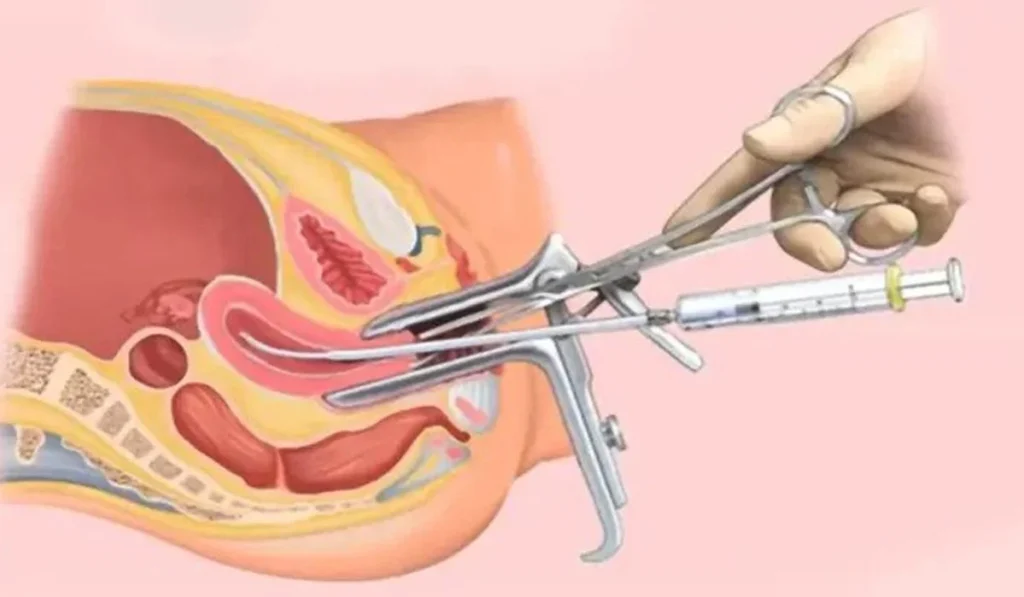
    illustration of an intrauterine insemination procedure with medical instruments and anatomical details

    Sperm Analysis vs Semen Analysis: Which is More Cost-Effective?

    Semen analysis, on the other hand, is a more comprehensive test that evaluates not just the sperm, but also the overall health of the semen. This test includes the same measurements as sperm analysis, but also looks at the volume, pH level, and the presence of any infections or abnormalities in the semen. Semen analysis is often used to diagnose conditions such as low sperm count, poor sperm motility, and infections, which can all contribute to male infertility.

    The cost of semen analysis is slightly higher than sperm analysis, with an average cost ranging from $150 to $500. This higher cost is due to the additional tests that are performed on the semen sample. Like sperm analysis, most insurance plans do not cover the cost of semen analysis unless it is deemed necessary.

    Which is More Cost-Effective?

    Now that we have a better understanding of what each test entails and how much they cost, the question remains: which one is more cost-effective? The answer to this question depends on the individual’s specific needs and circumstances.

    If a couple is actively trying to conceive and the male partner has no known medical conditions that could affect his fertility, sperm analysis may be the more cost-effective option. This test is less expensive and can provide valuable information about the quality and quantity of sperm. However, if there are any concerns about the overall health of the semen or if the male partner has a history of infections or other medical conditions, semen analysis may be the more cost-effective choice. This test provides a more thorough assessment of the semen and can identify any underlying issues that may be contributing to infertility.

    It is important to note that both tests may need to be repeated multiple times to get accurate results, which can add to the overall cost. Additionally, if any abnormalities are found, further testing and treatment may be necessary, further increasing the cost.

    Summary:

    Sperm analysis and semen analysis are two different tests used to assess male fertility. Sperm analysis focuses on the quantity and quality of sperm, while semen analysis looks at the overall health of the semen. The cost of sperm analysis ranges from $100 to $300, while semen analysis costs between $150 to $500. The more cost-effective test depends on the individual’s specific needs and circumstances, but both tests may need to be repeated and can lead to additional costs if abnormalities are found.

  • Navigating the Results of Sperm Analysis and Semen Analysis

    Blog Post:

    Sperm analysis and semen analysis are two important tests used to evaluate male fertility. These tests provide valuable information about the quality and quantity of sperm in a man’s semen, which can have a significant impact on his ability to father a child. While the thought of undergoing these tests may be daunting for some men, it is important to understand the process and how to navigate the results.

    In this blog post, we will discuss the basics of sperm analysis and semen analysis, including why they are necessary, what to expect during the tests, and how to interpret the results. We will also discuss the various factors that can affect the results of these tests and offer tips on how to prepare for them.

    Why is Sperm Analysis and Semen Analysis Important?

    Sperm analysis and semen analysis are crucial in evaluating male fertility because they provide information about the quantity, quality, and movement of sperm in a man’s semen. These tests are typically recommended for men who are having trouble conceiving with their partners or for those who are planning to undergo fertility treatments.

    Sperm analysis measures the number of sperm present in a semen sample, as well as their shape and movement. It also evaluates the semen volume, pH levels, and other factors that can affect sperm health. Semen analysis, on the other hand, focuses on the quality and health of the semen itself, including the presence of bacteria or other abnormalities.

    What to Expect During the Tests?

    Sperm analysis and semen analysis require a semen sample, which can be collected at home or at a fertility clinic. The sample should be collected through masturbation and should be delivered to the lab within 30 minutes of ejaculation. Most laboratories will provide a private room for sample collection, but in some cases, men may be asked to collect the sample at home and bring it to the lab within an hour.

    During the tests, the sample will be examined under a microscope, and the sperm will be evaluated based on their concentration, motility, and morphology (shape and size). The semen will also be checked for its volume, color, and other characteristics. The entire process usually takes about an hour, and the results will be available within a few days.

    Interpreting the Results

    The normal range for sperm count is typically between 15 million to 200 million per milliliter of semen. A low sperm count, also known as oligospermia, can indicate a problem with either the testicles or the reproductive tract. Poor sperm motility, or the ability of sperm to move properly, can also be a contributing factor to male infertility. Abnormalities in sperm shape and size, known as teratospermia, can also affect fertility.

    In semen analysis, the semen is evaluated for its pH levels, viscosity, and the presence of bacteria or white blood cells. An abnormal result in any of these factors may indicate an underlying infection or inflammation in the reproductive system, which can affect sperm health.

    Factors That Can Affect the Results

    There are several factors that can affect the results of sperm analysis and semen analysis, and it is essential to consider these when interpreting the results. These factors include:

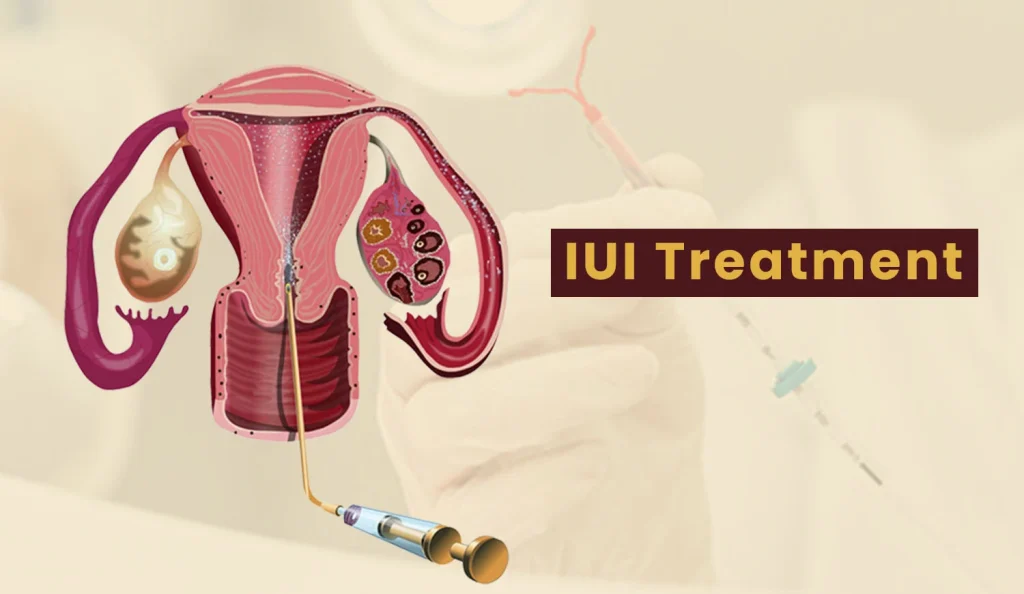
    illustration of the uterus and ovaries with a syringe, labeled "IUI Treatment" in the background

    Navigating the Results of Sperm Analysis and Semen Analysis

    1. Lifestyle habits: Certain lifestyle habits, such as smoking, excessive alcohol consumption, and drug use, can have a significant impact on sperm health.

    2. Medications: Some medications, including certain antibiotics and testosterone replacement therapy, can affect sperm production and quality.

    3. Diet and nutrition: A healthy diet and proper nutrition are essential for sperm production and overall reproductive health.

    4. Age: As men age, their sperm quality and quantity may decrease, making it harder to conceive.

    5. Health conditions: Certain health conditions, such as diabetes, high blood pressure, and sexually transmitted infections, can affect sperm health.

    Tips for Preparing for Sperm Analysis and Semen Analysis

    To ensure accurate and reliable results, it is essential to prepare for sperm analysis and semen analysis properly. Here are some tips to help you prepare for these tests:

    1. Avoid ejaculation for two to five days before the test. This will allow for a more accurate assessment of sperm production.

    2. Avoid alcohol, caffeine, and drugs for at least 48 hours before the test, as they can affect sperm quality.

    3. Inform your doctor about any medications you are taking, as they may affect the results.

    4. Eat a healthy and balanced diet, including foods rich in antioxidants, which can help improve sperm quality.

    5. Get enough rest and manage stress levels, as these can also affect sperm production and quality.

    In conclusion, sperm analysis and semen analysis are essential tests for evaluating male fertility. By understanding the process and knowing what to expect, as well as considering the various factors that can affect the results, men can navigate these tests with confidence. By following the tips for preparation and maintaining a healthy lifestyle, men can also improve their chances of having a successful outcome from these tests.

    Summary:

    Sperm analysis and semen analysis are important tests used to evaluate male fertility. These tests provide information about the quality and quantity of sperm in a man’s semen, which can affect his ability to father a child. The process of collecting and evaluating the semen sample is relatively simple, and the results are usually available within a few days. However, several factors can affect the results, including lifestyle habits, medications, and age. By preparing properly and maintaining a healthy lifestyle, men can improve their chances of having a successful outcome from these tests.