Tag: fertility drugs

  • Fertility Medications vs Surgery: Which Yields Better Results?

    Fertility is a complex and sensitive topic for many individuals and couples. For those struggling to conceive, the journey can be emotionally and physically exhausting. As technology and medicine continue to advance, there are now various options available to help increase the chances of successful conception. Fertility medications and surgery are two commonly used methods, but which one yields better results? In this blog post, we will take an in-depth look at the effectiveness, risks, and success rates of fertility medications versus surgery.

    Fertility Medications
    Fertility medications, also known as fertility drugs, are prescribed to help women ovulate or stimulate egg production. These drugs work by regulating the hormones responsible for the menstrual cycle and ovulation. There are several types of fertility medications, including Clomiphene Citrate, Gonadotropins, and Metformin. These drugs can be taken orally, injected, or inserted vaginally, depending on the specific treatment plan.

    Effectiveness: Fertility medications have been used for decades and have helped many women successfully conceive. However, their effectiveness depends on the cause of infertility. For women with ovulation disorders, such as polycystic ovary syndrome (PCOS), fertility drugs can be highly effective. According to a study published in the Journal of Obstetrics and Gynaecology, over 80% of women with PCOS who took Clomiphene Citrate were able to ovulate and 40% became pregnant within six months of treatment.

    Risks: Like any medication, fertility drugs come with potential risks and side effects. The most common side effects include hot flashes, mood swings, and bloating. In rare cases, fertility medications can also lead to ovarian hyperstimulation syndrome (OHSS), a condition where the ovaries become swollen and painful. While OHSS can be managed with proper medical care, it can be a severe and potentially life-threatening condition.

    Success Rates: The success rates of fertility medications vary depending on the type of drug and individual factors. For women under 35 years old with no underlying fertility issues, the success rates of fertility drugs can be as high as 20-60% per cycle. However, for women over 35 with decreased ovarian reserve or other fertility issues, the success rates can be lower.

    Surgery
    Surgical procedures for fertility are typically used to correct structural problems in the reproductive organs, such as blocked fallopian tubes, uterine fibroids, or endometriosis. Some of the most common fertility surgeries include laparoscopy, hysteroscopy, and myomectomy.

    Effectiveness: Surgical procedures can be highly effective in addressing structural issues that may be causing infertility. For example, a study published in the American Journal of Obstetrics and Gynecology found that women with blocked fallopian tubes who underwent laparoscopic surgery had a 40% chance of conceiving within one year.
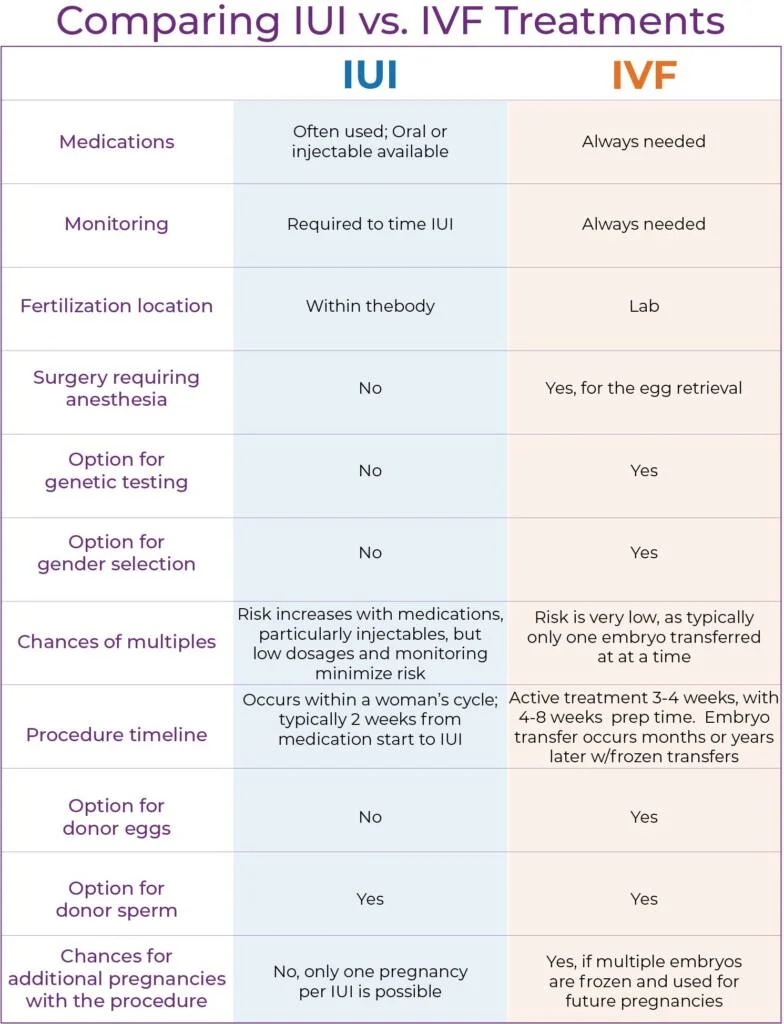
    Comparison chart of IUI and IVF treatments, detailing medications, monitoring, procedures, and success rates.

    Fertility Medications vs Surgery: Which Yields Better Results?

    Risks: As with any surgical procedure, fertility surgery also carries risks, including infection, bleeding, and damage to surrounding organs. In rare cases, fertility surgery can also lead to scarring or adhesions, which can further affect fertility.

    Success Rates: The success rates of fertility surgery vary depending on the type of procedure and individual factors. For women with blocked fallopian tubes, the success rates of surgery can be as high as 50%. However, for women with more complex fertility issues, such as endometriosis, the success rates may be lower.

    Fertility Medications vs Surgery: Which One Is Better?
    When it comes to choosing between fertility medications and surgery, there is no one-size-fits-all answer. Both methods have their strengths and weaknesses, and the best approach will depend on the individual’s specific situation. For example, for women with ovulation disorders, fertility medications may be the most effective and least invasive option. On the other hand, for women with structural issues, surgery may be necessary to address the root cause of infertility.

    In some cases, a combination of both fertility medications and surgery may be recommended. For example, a woman with PCOS may be prescribed Clomiphene Citrate to stimulate ovulation and undergo surgery to remove any ovarian cysts or excess tissue.

    It is also essential to consider the potential risks and side effects of each method. While fertility medications may have a lower risk profile, they may not be suitable for everyone, and some individuals may prefer a more natural approach. On the other hand, surgery is a more invasive option that comes with potential risks and a more extended recovery time.

    In conclusion, fertility medications and surgery are both viable options for those struggling with infertility. Each method has its benefits and drawbacks, and the best approach will depend on the individual’s specific needs and circumstances. It is crucial to consult with a fertility specialist to determine the most suitable treatment plan for you.

    Summary:
    Fertility is a complex issue, and for those struggling to conceive, there are various options available, including fertility medications and surgery. Fertility medications work by regulating hormones and stimulating ovulation, while surgery is used to correct structural issues in the reproductive organs. The effectiveness, risks, and success rates of each method vary, and the best approach will depend on the individual’s specific situation. In some cases, a combination of both fertility medications and surgery may be recommended. It is essential to consult with a fertility specialist to determine the most suitable treatment plan for you.
  • When to Consider Fertility Medications vs Surgical Interventions

    When a couple is struggling to conceive, they may consider fertility treatments to help them start a family. However, with so many options available, it can be overwhelming and confusing to determine when to choose fertility medications versus surgical interventions. In this blog post, we will discuss the factors to consider when deciding between these two approaches.

    Fertility Medications:
    Fertility medications, also known as fertility drugs, are medications taken to stimulate ovulation or improve sperm production. These medications work by regulating hormones and helping the body produce more eggs or sperm. They are typically the first line of treatment for couples who are experiencing infertility due to hormonal imbalances or ovulation disorders.

    1. When to Consider Fertility Medications:
    Fertility medications are often recommended when a couple is struggling to conceive due to ovulation issues, such as irregular or absent ovulation. This can be caused by conditions such as polycystic ovary syndrome (PCOS) or hormonal imbalances. In these cases, fertility medications can help regulate ovulation and increase the chances of conception.

    2. Types of Fertility Medications:
    There are several types of fertility medications, each with its own purpose. Some common examples include Clomiphene citrate, Letrozole, and Gonadotropins. Clomiphene citrate and Letrozole are oral medications that work by stimulating the release of hormones that trigger ovulation. Gonadotropins, on the other hand, are injectable medications that contain hormones that directly stimulate the ovaries to produce eggs.

    3. Risks and Side Effects:
    Like any medication, fertility drugs come with potential risks and side effects. The most common side effects include hot flashes, mood swings, and headaches. In rare cases, more serious side effects, such as ovarian hyperstimulation syndrome (OHSS) or multiple pregnancies, can occur. It is essential to discuss these risks and side effects with your doctor before starting fertility medications.

    Surgical Interventions:
    Surgical interventions refer to any surgery or procedure performed to address fertility issues. They are typically recommended when fertility medications have not been successful or when there are structural problems affecting fertility, such as blocked fallopian tubes or uterine abnormalities.

    1. When to Consider Surgical Interventions:
    Surgical interventions are usually recommended in cases where there is a known structural issue affecting fertility. For example, if a woman has blocked fallopian tubes, surgery may be necessary to clear the blockage and increase the chances of conception. Additionally, surgical interventions may also be recommended for men with fertility issues, such as a varicocele, which is a condition that causes swelling in the veins of the testicles.

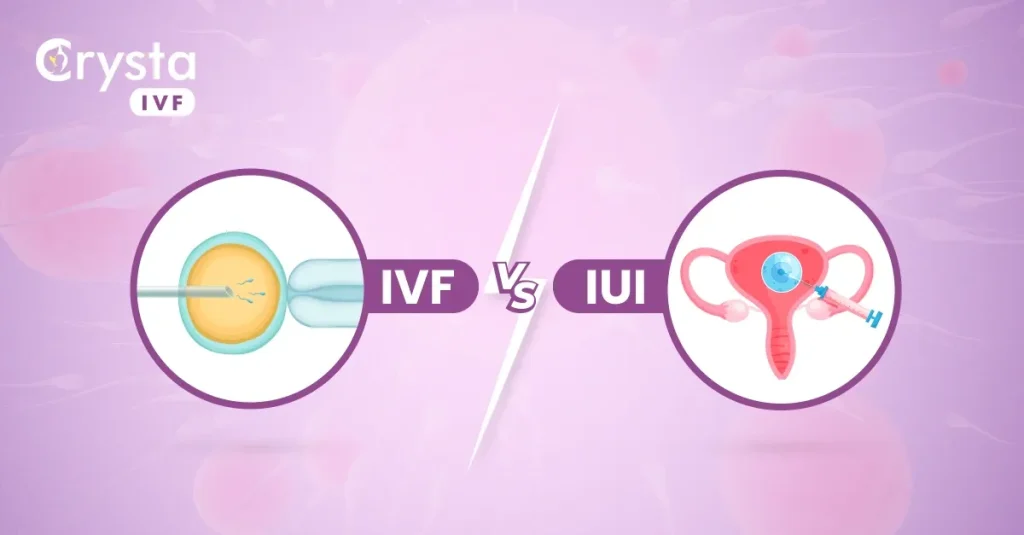
    Comparison of IVF and IUI procedures with illustrations of each method.

    When to Consider Fertility Medications vs Surgical Interventions

    2. Types of Surgical Interventions:
    There are various surgical interventions that may be recommended depending on the specific fertility issue. Some common procedures include laparoscopy, hysteroscopy, and varicocelectomy. Laparoscopy and hysteroscopy are minimally invasive procedures that involve using a small camera to examine the reproductive organs and potentially correct any issues. Varicocelectomy is a surgical procedure to repair a varicocele and improve sperm production.

    3. Risks and Side Effects:
    As with any surgery, there are potential risks and side effects associated with surgical interventions. These can include infection, bleeding, and damage to surrounding organs. It is essential to discuss these risks with your doctor and consider them carefully before proceeding with a surgical intervention.

    Factors to Consider When Choosing Between Fertility Medications and Surgical Interventions:
    1. Underlying Cause of Infertility:
    The first factor to consider is the underlying cause of infertility. If it is a hormonal issue or ovulation disorder, fertility medications may be the best approach. If there is a structural issue affecting fertility, surgical interventions may be necessary.

    2. Success Rates:
    It is also essential to consider the success rates of both options. Fertility medications have a lower success rate compared to surgical interventions. However, they are also less invasive and have fewer risks and side effects. Surgical interventions, on the other hand, have a higher success rate but come with a higher risk of complications.

    3. Personal Preference:
    Ultimately, the decision between fertility medications and surgical interventions will depend on personal preference. Some couples may prefer to start with fertility medications and progress to surgical interventions if necessary. Others may choose to skip medications and opt for surgery right away. It is essential to discuss your options with your doctor and make a decision that feels right for you.

    In conclusion, when deciding between fertility medications and surgical interventions, it is crucial to consider factors such as the underlying cause of infertility, success rates, and personal preference. Both options have their own benefits and risks, and it is essential to discuss them with your doctor to determine the best approach for your specific situation.

    Summary:
    When a couple is struggling to conceive, they may consider fertility treatments to help them start a family. Fertility medications are often recommended when there are ovulation issues, while surgical interventions are recommended for structural problems affecting fertility. Factors to consider when choosing between these options include the underlying cause of infertility, success rates, and personal preference. Both options have benefits and risks, and it is essential to discuss them with a doctor to determine the best approach.

  • Breaking Down the Differences: Holistic vs Western Medicine Fertility Treatments

    Blog post:

    When it comes to fertility treatments, there are two major approaches that individuals and couples can choose from: holistic and Western medicine. Both have their own unique methods and philosophies, and it can be overwhelming to navigate through the differences. In this blog post, we will break down the key differences between holistic and Western medicine fertility treatments, so you can make an informed decision about which approach is right for you.

    Holistic Fertility Treatments

    Holistic fertility treatments focus on treating the whole person, rather than just the symptoms of infertility. This approach takes into account a person’s physical, emotional, and spiritual well-being, and aims to address any underlying issues that may be contributing to fertility problems. Holistic treatments often involve a combination of natural therapies, such as herbal medicine, acupuncture, and lifestyle changes, to promote overall health and balance in the body.

    One of the main principles of holistic medicine is that the body has the ability to heal itself, given the right tools and support. Therefore, holistic fertility treatments aim to support and enhance the body’s natural fertility processes, rather than using medical interventions to force a desired outcome.

    Acupuncture, a form of traditional Chinese medicine, is a popular holistic treatment for infertility. It involves the insertion of thin needles into specific points on the body to stimulate energy flow and promote balance. Studies have shown that acupuncture can improve blood flow to the reproductive organs, regulate hormone levels, and reduce stress and anxiety, all of which can contribute to fertility issues.

    Herbal medicine is another common holistic treatment for infertility. Certain herbs are believed to have properties that can improve reproductive health and increase fertility. For example, red raspberry leaf is thought to strengthen the uterus and improve the chances of implantation, while maca root is believed to regulate hormone levels and improve sperm quality.

    Other holistic approaches to fertility treatment may include dietary changes, such as increasing intake of fertility-boosting foods, and stress-reducing techniques like yoga and meditation. These treatments aim to create a healthy and balanced environment within the body to support fertility.

    Western Medicine Fertility Treatments

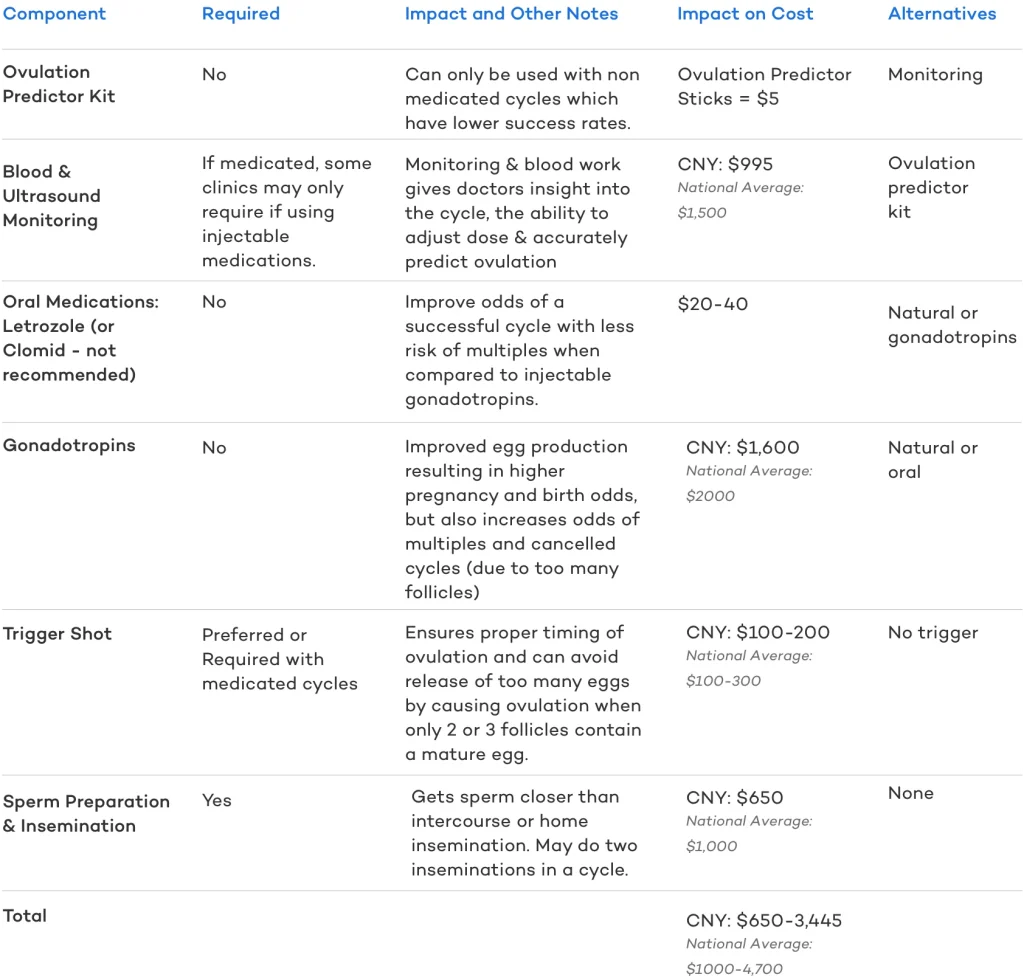
    Cost breakdown for IUI components, including requirements, impacts, and alternatives.

    Breaking Down the Differences: Holistic vs Western Medicine Fertility Treatments

    On the other hand, Western medicine fertility treatments focus on diagnosing and treating specific medical conditions that may be causing infertility. This approach involves the use of medical interventions, such as fertility drugs, assisted reproductive technology (ART), and surgery, to address issues with ovulation, sperm count or quality, and other physical factors that may be hindering fertility.

    Fertility drugs, such as Clomid, are commonly used in Western medicine to stimulate ovulation in women who are not ovulating regularly. These drugs work by regulating hormone levels and increasing the chances of ovulation, thereby increasing the chances of pregnancy. However, they may come with side effects and carry a risk of multiple births.

    ART, which includes procedures such as in vitro fertilization (IVF) and intrauterine insemination (IUI), involves the use of medical technology to assist in the conception process. IVF, for example, involves fertilizing an egg with sperm in a laboratory and then implanting the resulting embryo into the woman’s uterus. This method can be effective, but it can also be expensive and emotionally taxing.

    Surgery may also be recommended in certain cases, such as if a woman has blocked fallopian tubes or endometriosis, which can interfere with fertility. Surgery aims to correct these physical issues and increase the chances of conception.

    The main difference between holistic and Western medicine fertility treatments is the approach to addressing fertility problems. While Western medicine focuses on treating specific medical conditions, holistic medicine takes a more holistic view of the body and aims to create a healthy and balanced environment for fertility to thrive.

    Which Approach is Right for You?

    Choosing between holistic and Western medicine fertility treatments is a personal decision that should be based on your individual needs and preferences. If you are looking for a more natural and gentle approach, holistic treatments may be a better fit for you. However, if you have a diagnosed medical condition that requires medical intervention, Western medicine treatments may be the best option.

    It is important to note that both approaches can be used together, and many people find success in combining the two. For example, some couples may use fertility drugs to stimulate ovulation while also incorporating acupuncture and herbal medicine to support the process.

    In summary, holistic and Western medicine fertility treatments differ in their approach to addressing fertility issues. Holistic treatments focus on treating the whole person and promoting balance in the body, while Western medicine treatments target specific medical conditions. Ultimately, the best approach for you will depend on your individual needs and preferences.

    SEO metadata:

  • Clinical Insemination: What to Expect During the Procedure

    Clinical insemination, also known as artificial insemination, is a common fertility treatment that involves placing sperm directly into a woman’s uterus to increase the chances of pregnancy. This procedure can be done with a partner’s sperm or through the use of donor sperm. If you are considering clinical insemination, it is important to understand what to expect during the procedure. In this blog post, we will discuss the steps of clinical insemination and what you can expect before, during, and after the procedure.

    Before the Procedure

    Before undergoing clinical insemination, you will have a consultation with your fertility specialist to discuss your medical history and determine if this is the right treatment option for you. Your doctor may also recommend some tests to evaluate your fertility, such as blood work, ultrasound, or a hysterosalpingogram (HSG) to check for any blockages in your fallopian tubes.

    Once you and your doctor have decided on clinical insemination, your doctor may prescribe fertility drugs to stimulate ovulation. These medications can help increase the number of eggs released during ovulation, which can improve the chances of pregnancy.

    During the Procedure

    Clinical insemination is a relatively simple and non-invasive procedure that can be done in your doctor’s office. On the day of your insemination, your partner or donor will provide a semen sample. The sample will then be washed and prepared in the lab to separate the sperm from the other components of the semen.

    Next, your doctor will insert a speculum into your vagina to hold it open and then use a thin, flexible catheter to insert the prepared sperm into your uterus. This process may cause some mild cramping, similar to menstrual cramps, but most women do not find it too uncomfortable.

    After the Procedure

    After the sperm has been inserted, you will be asked to remain lying down for about 15-20 minutes to allow the sperm to travel up to the fallopian tubes. Your doctor may also recommend that you continue to rest for the remainder of the day.

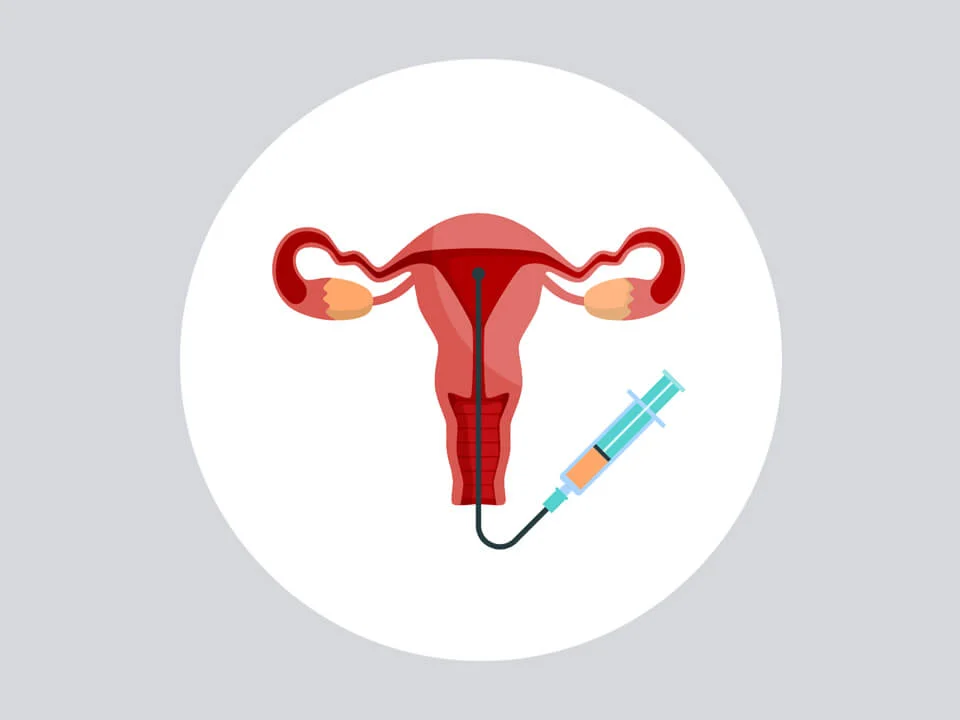
    Illustration of a uterus with a syringe, representing intrauterine insemination (IUI) procedure.

    Clinical Insemination: What to Expect During the Procedure

    In some cases, your doctor may prescribe progesterone supplements to help prepare the uterine lining for implantation. You will also be advised to track your ovulation and may be asked to come back to the office for a pregnancy test in about two weeks.

    Possible Side Effects and Risks

    Like any medical procedure, clinical insemination does come with some potential side effects and risks. These may include:

    – Cramping or mild discomfort during the procedure
    – Spotting or light bleeding after the procedure
    – Allergic reaction to the fertility drugs
    – Infection from the insertion of the catheter

    While these risks are relatively low, it is important to discuss any concerns or potential side effects with your doctor before undergoing the procedure.

    Success Rates of Clinical Insemination

    The success rates of clinical insemination vary depending on various factors such as age, fertility history, and underlying medical conditions. On average, the success rate of clinical insemination is around 10-20% per cycle. However, with multiple cycles, the chances of pregnancy increase.

    If you do not become pregnant after a few cycles of clinical insemination, your doctor may recommend other fertility treatments such as in vitro fertilization (IVF).

    In summary, clinical insemination is a straightforward and safe procedure that can help couples struggling with fertility issues. It is important to have a thorough understanding of the steps involved and what to expect before, during, and after the procedure. If you are considering clinical insemination, be sure to consult with your doctor and discuss any questions or concerns you may have.

  • and Facing Infertility: The Financial Burden of Fertility Treatments and Adoption

    Facing Infertility: The Financial Burden of Fertility Treatments and Adoption

    Infertility affects millions of couples worldwide, and the emotional toll of struggling to conceive can be overwhelming. But aside from the emotional and physical challenges, one of the biggest obstacles for couples facing infertility is the financial burden of fertility treatments and adoption. In this blog post, we will delve into the costs of fertility treatments and adoption, as well as explore potential solutions to alleviate the financial burden for couples.

    The Cost of Fertility Treatments
    According to the American Society for Reproductive Medicine, fertility treatments can cost anywhere from $5,000 to $15,000 per cycle, and many couples require multiple cycles in order to achieve a successful pregnancy. This can quickly add up to tens of thousands of dollars, and unfortunately, most insurance plans do not cover the costs of fertility treatments. In fact, only 15 states in the US have laws requiring insurance coverage for fertility treatments, leaving the majority of couples to foot the bill themselves.

    The most common fertility treatments include in vitro fertilization (IVF), intrauterine insemination (IUI), and fertility drugs. IVF, the most effective and costly option, involves retrieving eggs from the woman’s ovaries and fertilizing them with sperm in a lab before transferring the embryos back into the woman’s uterus. This procedure can cost upwards of $12,000 per cycle, not including additional costs for medications and genetic testing.

    IUI, on the other hand, is a less expensive option that involves placing washed and prepared sperm directly into the woman’s uterus. This procedure costs around $500 to $1000 per cycle, but it also has a lower success rate compared to IVF.

    Fertility drugs, such as Clomid and Femara, are also commonly used to stimulate ovulation and increase the chances of conception. These medications can cost anywhere from $50 to $500 per cycle, depending on the specific drug and dosage prescribed.

    The Cost of Adoption
    For couples who are unable to conceive naturally or through fertility treatments, adoption is often considered as an alternative option. However, the cost of adoption can also be a significant financial strain for couples.

    The average cost of a domestic adoption in the US is around $40,000, which includes fees for home studies, legal fees, and agency fees. International adoptions can be even more expensive, with costs ranging from $15,000 to $50,000 or more, depending on the country and adoption agency.

    In addition to the initial costs, there are also ongoing expenses associated with raising a child, such as healthcare, education, and daily living expenses. While there are some tax credits and financial assistance available for adoptive families, these may not fully cover the costs incurred.

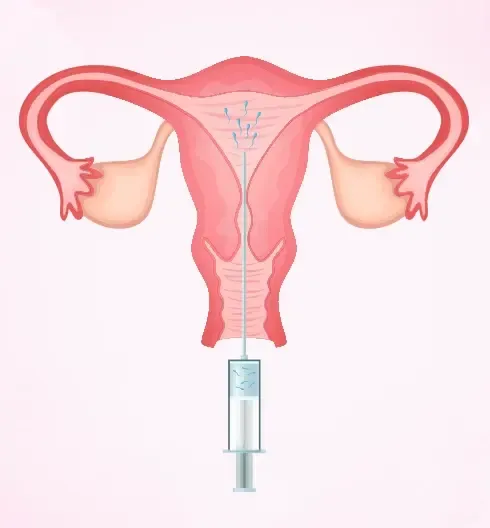
    Illustration of a uterus with a syringe indicating an intrauterine insemination procedure.

    and Facing Infertility: The Financial Burden of Fertility Treatments and Adoption

    The Emotional Toll of Financial Burden
    The financial burden of fertility treatments and adoption can take a toll on couples emotionally, adding to the stress and pressure they are already facing. It can also cause strain in relationships as couples try to navigate the financial aspect of their journey towards parenthood.

    Couples may also feel guilty or ashamed for not being able to afford the treatments or adoption process, leading to feelings of inadequacy and hopelessness. This can further exacerbate the emotional impact of infertility and make it a much more challenging experience for couples.

    Solutions to Alleviate the Financial Burden
    Thankfully, there are some options available for couples facing the high costs of fertility treatments and adoption.

    1. Fertility Grants and Scholarships: Many organizations offer grants and scholarships to help cover the costs of fertility treatments. These grants are often awarded based on financial need and other criteria, and can significantly reduce the financial burden for couples.

    2. Crowdfunding: With the rise of social media and crowdfunding platforms, many couples have turned to crowdfunding to help fund their fertility treatments or adoption journey. By sharing their story and reaching out to their network, couples can raise funds and receive support from their community.

    3. Adoption Loans: Some financial institutions offer loans specifically for adoption expenses, with lower interest rates and more flexible repayment terms compared to traditional loans.

    4. Insurance Coverage: While the majority of insurance plans do not cover fertility treatments, it is worth checking with your insurance provider to see if there are any options available. Some employers also offer fertility benefits as part of their employee benefits package.

    5. Budgeting and Saving: Planning ahead and budgeting for fertility treatments or adoption can help couples prepare for the costs and alleviate some of the financial strain. Setting aside a certain amount each month can add up over time and make it more manageable to cover the expenses.

    The journey to parenthood is undoubtedly a challenging one, both emotionally and financially. But with these options available, couples can find ways to overcome the financial burden and fulfill their dream of starting a family.

    In summary, infertility can be a devastating experience for couples, and the financial burden of fertility treatments and adoption only adds to the stress and pressure. The costs of fertility treatments, adoption, and ongoing expenses can quickly add up, leaving many couples feeling overwhelmed and unable to afford the necessary treatments or adoption process. However, there are options available to help alleviate the financial burden, such as grants, crowdfunding, adoption loans, and budgeting. With the right support and resources, couples can navigate the financial aspect of their journey towards parenthood and start the family they have always dreamed of.

  • The Physical and Emotional Side Effects of Male and Female Infertility Treatments

    Blog Post Title: The Physical and Emotional Side Effects of Male and Female Infertility Treatments

    Infertility is a common struggle for many couples around the world. According to the Centers for Disease Control and Prevention, about 6% of married women aged 15 to 44 years in the United States have difficulty getting pregnant or carrying a pregnancy to term. This has led to the rise of fertility treatments, which aim to help couples conceive and start a family. However, along with the benefits of these treatments, there are also physical and emotional side effects that need to be considered.

    In this blog post, we will discuss the various physical and emotional side effects of male and female infertility treatments. Understanding these potential effects can help couples prepare for the journey ahead and make informed decisions about their treatment options.

    Physical Side Effects:

    1. Hormonal Changes: One of the most common side effects of fertility treatments is hormonal changes. This is because most treatments involve the use of hormones to stimulate ovulation or improve sperm production. These hormonal changes can cause mood swings, headaches, bloating, and breast tenderness.

    2. Multiple Pregnancies: Fertility treatments, especially in-vitro fertilization (IVF), increase the chances of multiple pregnancies. While this may seem like a blessing, carrying multiple fetuses can put a strain on the body and increase the risk of complications during pregnancy and birth.

    3. Ovarian Hyperstimulation Syndrome (OHSS): OHSS is a potential side effect of fertility drugs that stimulate the ovaries to produce multiple eggs. This condition can cause bloating, abdominal pain, and in severe cases, fluid buildup in the chest and abdomen, which can be life-threatening.

    4. Surgical Complications: Some fertility treatments, such as intrauterine insemination (IUI) and IVF, may require minor surgeries. While these procedures are generally safe, there is always a risk of complications, such as infections or damage to the reproductive organs.

    5. Fertility Drug Side Effects: Fertility drugs can have various side effects, including headaches, hot flashes, mood swings, and nausea. In rare cases, they can also cause more severe side effects, such as blood clots, stroke, or ovarian cancer.

    Comparison chart of IUI and IVF treatments, detailing medications, monitoring, procedures, and success rates.

    The Physical and Emotional Side Effects of Male and Female Infertility Treatments

    Emotional Side Effects:

    1. Stress and Anxiety: The process of fertility treatments can be emotionally taxing for couples. The constant monitoring, injections, and uncertainty of success can lead to stress, anxiety, and even depression. This can put a strain on the couple’s relationship and affect their overall well-being.

    2. Financial Burden: Fertility treatments can be expensive, and the cost can add up quickly, especially if multiple cycles are needed. This financial burden can cause stress and put a strain on the couple’s finances, leading to further emotional distress.

    3. Loss of Control: Infertility treatments can make couples feel like they have no control over their bodies and their ability to conceive. This loss of control can be frustrating and emotionally challenging, especially for those who are used to planning and achieving their goals.

    4. Social Isolation: Dealing with infertility can be a lonely and isolating experience. It can be challenging for couples to open up to friends and family about their struggles, which can lead to feelings of loneliness and isolation.

    5. Coping with Failure: Despite the advancements in fertility treatments, there is still no guarantee of success. Couples may go through multiple cycles with no success, which can be emotionally devastating. Dealing with the failure of treatment can take a toll on one’s mental health and well-being.

    In conclusion, while fertility treatments offer hope to couples struggling with infertility, it is essential to understand the potential physical and emotional side effects that come with it. The physical side effects can range from hormonal changes to more severe complications, while the emotional side effects can take a toll on the couple’s mental health and well-being. It is crucial for couples to have open communication with their healthcare provider and each other to cope with these potential side effects and make informed decisions about their treatment journey.

    Summary:

    Infertility treatments, while offering hope to couples struggling to conceive, can also come with physical and emotional side effects. The physical side effects can include hormonal changes, multiple pregnancies, OHSS, surgical complications, and fertility drug side effects. On the other hand, emotional side effects can range from stress and anxiety to financial burden, loss of control, social isolation, and coping with failure. Understanding these potential effects can help couples prepare for their treatment journey and make informed decisions. Open communication with healthcare providers and each other is crucial in coping with these side effects and maintaining overall well-being.

  • From Traditional Medicine to Modern Technology: The Evolution of Infertility Treatments

    Blog Post:

    Infertility is a condition that affects millions of couples around the world. It is defined as the inability to conceive after one year of trying for a baby. For centuries, infertility has been a major issue, and couples have turned to traditional medicine for treatments. However, with the advancements in modern technology, there has been a significant evolution in infertility treatments. In this blog post, we will explore the journey from traditional medicine to modern technology in the field of infertility treatments.

    Traditional Medicine for Infertility:

    Traditional medicine has been around for thousands of years and has been the primary source of healthcare for many societies. In the case of infertility, traditional medicine typically involves the use of herbs, plants, and natural remedies to treat the condition. These remedies are often passed down from generation to generation and are believed to have healing properties.

    In many cultures, infertility is seen as a curse or a punishment, and traditional medicine is seen as a way to lift this curse. For instance, in ancient Egyptian culture, women who were unable to bear children were believed to be cursed by the gods. Therefore, traditional medicine was used to try and remove the curse and help women conceive.

    Traditional Chinese medicine (TCM) is another popular form of traditional medicine that has been used for infertility treatment. TCM practitioners believe that infertility is caused by an imbalance in the body’s energy, and by correcting this imbalance, fertility can be restored. Acupuncture, herbal medicine, and dietary changes are some of the techniques used in TCM for infertility treatment.

    While traditional medicine has been used for centuries, there is limited scientific evidence to support its effectiveness in treating infertility. As a result, many couples have turned to modern technology for more reliable and evidence-based treatments.

    The Rise of Modern Technology in Infertility Treatments:

    The 20th century saw a significant shift in the way infertility was treated. With the advancements in medical technology, new and innovative treatments were introduced, giving hope to millions of couples struggling with infertility.

    One of the first modern technology treatments for infertility was artificial insemination. This procedure involves placing sperm directly into a woman’s cervix or uterus, increasing the chances of fertilization. It was first performed in the 1940s and has since become a common infertility treatment.

    comparison of IUI and IVF procedures illustrated with simple graphics and labels

    From Traditional Medicine to Modern Technology: The Evolution of Infertility Treatments

    In the 1970s, in vitro fertilization (IVF) was introduced, revolutionizing the field of infertility treatments. IVF involves fertilizing eggs with sperm in a laboratory and then transferring the resulting embryo into the woman’s uterus. This procedure has a higher success rate compared to traditional methods and has helped many couples become parents.

    Another significant advancement in infertility treatment is the use of fertility drugs. These drugs are used to stimulate ovulation in women who have trouble producing eggs. They can also be used to regulate the menstrual cycle and increase the chances of pregnancy.

    The Evolution of Infertility Treatments:

    In recent years, there have been even more advancements in infertility treatments, making it possible for couples to have a biological child of their own. One of these advancements is the use of preimplantation genetic testing (PGT). This technique involves testing embryos for genetic abnormalities before they are implanted in the uterus, reducing the risk of passing on genetic disorders to the child.

    Another modern technology that has greatly improved infertility treatments is the use of donor eggs and sperm. In cases where a woman is unable to produce viable eggs, donor eggs can be used for IVF. Similarly, donor sperm can be used in cases where the male partner has a low sperm count or quality.

    Furthermore, the use of assisted hatching has also increased the chances of successful embryo implantation. This technique involves creating a small opening in the outer layer of the embryo to help it hatch and implant in the uterus.

    The Future of Infertility Treatments:

    With the rapid advancements in medical technology, the future looks promising for infertility treatments. One of the most talked-about techniques is the use of stem cells for infertility treatment. Stem cells have the potential to develop into any type of cell in the body, including eggs and sperm. This could potentially help couples with genetic disorders or those who are unable to produce viable eggs or sperm.

    Another area of research is the development of artificial ovaries. This could be a game-changer for women who have gone through premature menopause or have had their ovaries removed due to medical reasons. The artificial ovaries would be able to produce eggs, allowing these women to conceive and carry a child.

    Summary:

    Infertility has been a major issue for couples for centuries. Traditional medicine has been the go-to treatment, but with the advancements in modern technology, there has been a significant evolution in infertility treatments. From artificial insemination to IVF and the use of fertility drugs, modern technology has greatly improved the chances of conception for couples struggling with infertility. Moreover, the future looks promising with advancements in techniques such as PGT, donor eggs and sperm, and the potential use of stem cells and artificial ovaries. These advancements give hope to millions of couples around the world who dream of starting a family of their own.

  • From Pills to Procedures: Understanding Male and Female Infertility Treatments

    Title: From Pills to Procedures: Understanding Male and Female Infertility Treatments

    Infertility affects millions of couples worldwide, with approximately 1 in 8 couples struggling to conceive. While there are many causes of infertility, both male and female, advancements in medical technology have led to a variety of treatments that can help couples achieve their dream of starting a family. From pills to procedures, there are various options available to assist with male and female infertility. In this blog post, we will explore the different treatments for male and female infertility, how they work, and the success rates associated with each method.

    Understanding Male Infertility Treatments:

    Male infertility is often caused by low sperm count, poor sperm quality, or blockages in the reproductive system. One of the most common treatments for male infertility is the use of fertility drugs. These drugs work by stimulating the production of hormones that help to increase sperm production. While this method can be effective in some cases, it does not address problems with sperm quality or blockages in the reproductive system.

    Another option for male infertility treatment is intrauterine insemination (IUI). This involves placing washed and concentrated sperm directly into the woman’s uterus, increasing the chances of fertilization. IUI is often used in combination with fertility drugs to enhance its effectiveness.

    For more severe cases of male infertility, in vitro fertilization (IVF) may be recommended. This procedure involves fertilizing the woman’s eggs with the man’s sperm in a laboratory and then transferring the resulting embryo back into the woman’s uterus. IVF has a higher success rate compared to IUI and fertility drugs alone, but it can be a costly and invasive procedure.

    In cases where there are severe blockages in the reproductive system, surgical procedures may be recommended. These procedures, such as varicocelectomy or vasectomy reversal, aim to repair or remove any blockages, allowing for the normal flow of sperm.

    Understanding Female Infertility Treatments:

    Female infertility is often caused by issues with ovulation, blockages in the fallopian tubes, or conditions such as endometriosis. Fertility drugs are also commonly used to treat female infertility by stimulating ovulation. These drugs work by regulating the hormones involved in the ovulation process.

    success rate of IUI in India with a graphic of a uterus and syringe alongside a rising graph

    From Pills to Procedures: Understanding Male and Female Infertility Treatments

    If fertility drugs are not effective, a more advanced treatment option for female infertility is intrauterine insemination (IUI), as mentioned earlier. This method can also be used to bypass blocked fallopian tubes, increasing the chances of fertilization.

    In vitro fertilization (IVF) is also a commonly used treatment for female infertility. This method involves extracting the woman’s eggs and fertilizing them with the man’s sperm in a laboratory. The resulting embryo is then transferred back into the woman’s uterus. IVF has a higher success rate compared to other methods, but it can be a physically and emotionally demanding process.

    For women with severe cases of endometriosis, surgery may be recommended to remove any scar tissue or blockages that may be affecting fertility. In cases of blocked fallopian tubes, surgery may also be an option to remove the blockage and improve the chances of conception.

    Success Rates of Infertility Treatments:

    The success rates of infertility treatments vary depending on various factors such as age, cause of infertility, and the type of treatment. Fertility drugs and IUI have a success rate of around 10-20% per cycle, while IVF has a success rate of 30-40% per cycle. However, it is important to note that these success rates can vary significantly and may also depend on the expertise of the medical team and the clinic’s quality.

    It is also crucial for couples to understand that infertility treatments can be emotionally and financially taxing. It is essential to have realistic expectations and to seek support from loved ones and professionals throughout the process.

    In conclusion, from pills to procedures, there are various options available to treat male and female infertility. While fertility drugs and IUI can be effective for some couples, more advanced treatments such as IVF and surgical procedures may be necessary for others. It is crucial for couples to seek guidance from medical professionals to determine the best course of action for their specific situation.

    Summary:

    Infertility affects millions of couples worldwide, and there are various causes for both male and female infertility. Fortunately, advancements in medical technology have led to a variety of treatments to help couples achieve their dream of starting a family. From fertility drugs and intrauterine insemination to in vitro fertilization and surgical procedures, there are options available for both male and female infertility. However, it is important to have realistic expectations and seek support throughout the process, as these treatments can be emotionally and financially taxing.

  • The Role of Technology: Donor Insemination vs Partner Insemination

    Blog Post: The Role of Technology: Donor Insemination vs Partner Insemination

    In recent years, advancements in technology have greatly impacted the field of fertility and assisted reproduction. One of the major areas where technology has had a significant role is in donor insemination and partner insemination. Both of these methods have been used to help individuals and couples achieve their dream of starting a family. However, there are distinct differences between the two, particularly in terms of the role technology plays. In this blog post, we will explore the role of technology in donor insemination and partner insemination and how it has revolutionized the process of assisted reproduction.

    Donor insemination, also known as artificial insemination by donor (AID), involves using donated sperm from a sperm bank to fertilize a woman’s eggs. This method is often used by single women or same-sex female couples who wish to have a child. In the past, donor insemination relied heavily on manual methods such as intrauterine insemination (IUI), where the sperm is inserted into the uterus using a catheter. However, with the advancements in technology, the process has become more efficient and precise.

    One of the most significant breakthroughs in donor insemination has been the development of intrauterine insemination (IUI) using washed sperm. This method involves separating the sperm from the semen, which removes any impurities and increases the chances of fertilization. It also allows for a higher concentration of healthy and motile sperm to be inserted into the uterus, increasing the chances of conception. This technology has greatly improved the success rates of donor insemination, making it a popular choice for those looking to start a family.

    Another technological advancement that has had a significant impact on donor insemination is in vitro fertilization (IVF). In this method, the eggs are fertilized with donor sperm in a laboratory setting, and the resulting embryos are then transferred into the woman’s uterus. IVF has revolutionized the field of assisted reproduction, allowing for a greater control over the fertilization process and increasing the chances of pregnancy. It has also made it possible for couples with fertility issues to have a child using donor sperm.

    A person administering an injection into their abdomen with a yellow pen-like device.

    The Role of Technology: Donor Insemination vs Partner Insemination

    On the other hand, partner insemination, also known as artificial insemination by partner (AIP), involves using the sperm of the woman’s male partner to fertilize her eggs. This method is often used by heterosexual couples who are struggling with male fertility issues or have difficulty conceiving through natural methods. Unlike donor insemination, partner insemination does not involve a sperm donor or a sperm bank, making it a more intimate and personal process.

    In the past, partner insemination also relied heavily on manual methods such as IUI. However, with the advancements in technology, the process has become more efficient and precise, similar to donor insemination. One of the technological advancements that have greatly impacted partner insemination is the use of fertility drugs. These drugs stimulate the ovaries to produce more eggs, increasing the chances of fertilization. They also allow for better timing of insemination, making it more likely for the sperm to meet the egg.

    Another technological breakthrough in partner insemination is the use of sperm washing. This process involves separating the sperm from the semen, similar to donor insemination. However, in this case, the washed sperm is from the male partner, eliminating any impurities and increasing the chances of success. Sperm washing has become an essential part of partner insemination, particularly for couples who are dealing with male fertility issues.

    In addition to these advancements, technology has also made it possible for couples to track their fertility and determine the best time for insemination. Apps and devices that track ovulation and cycle patterns have made it easier for couples to plan and time their insemination, increasing the chances of success. This technology has also made the process less stressful and more convenient for couples, as they can monitor their fertility from the comfort of their own home.

    In conclusion, technology has played a vital role in both donor insemination and partner insemination. It has revolutionized the process of assisted reproduction, making it more efficient, precise, and successful. From sperm washing to fertility tracking, technology has improved the chances of conception for couples struggling with fertility issues. With continued advancements, it is safe to say that technology will continue to play a significant role in the field of assisted reproduction, helping individuals and couples achieve their dream of starting a family.

    Summary: Technology has greatly impacted the field of assisted reproduction, particularly in donor insemination and partner insemination. Advancements such as sperm washing, IVF, and fertility tracking have revolutionized the process, making it more efficient and successful. Donor insemination, which involves using donated sperm, has seen a significant increase in success rates, while partner insemination, which uses the sperm of the male partner, has also benefited from advancements such as fertility drugs and sperm washing. With continued advancements, technology will continue to play a crucial role in helping individuals and couples achieve their dream of starting a family.

  • The Cost of Fertility: Supplements vs Medical Treatments

    The Cost of Fertility: Supplements vs Medical Treatments

    The journey to starting a family can be a difficult and emotional one, especially for couples struggling with fertility issues. For many, the first step towards conception is to try natural remedies and supplements before considering medical treatments. However, as time goes on and success is not achieved, the question of whether to continue relying on supplements or to seek medical intervention arises. This decision is often influenced by various factors, including the cost of fertility treatments. In this blog post, we will explore the cost differences between fertility supplements and medical treatments, and discuss the pros and cons of each option.

    Fertility Supplements

    Fertility supplements have become increasingly popular in recent years, with many claiming to improve fertility and increase the chances of conception. These supplements come in various forms, such as vitamins, minerals, herbs, and other natural ingredients. They are often marketed as a safe and affordable alternative to medical treatments, with the promise of improving overall reproductive health.

    One of the main advantages of fertility supplements is their affordability. They can be easily purchased over the counter without a prescription and are relatively cheaper compared to medical treatments. This makes them a more accessible option for couples who may not have the financial means to pursue expensive fertility treatments.

    Another benefit of supplements is that they are generally considered to be safe and have little to no side effects. They are made from natural ingredients and do not involve any invasive procedures, making them a preferred choice for couples looking for a more natural approach to fertility.

    However, the effectiveness of fertility supplements is still a subject of debate. While some studies have shown positive results, there is limited scientific evidence to support their claims. This means that there is no guarantee that taking fertility supplements will lead to successful conception, and couples may end up spending money on products that do not work.

    Moreover, the success rate of supplements may also depend on the underlying cause of fertility issues. For example, if the cause of infertility is a physical issue like blocked fallopian tubes or low sperm count, supplements may not be effective in addressing these problems.

    Medical Treatments

    When natural remedies and supplements fail to produce results, many couples turn to medical treatments as the next step towards starting a family. These treatments may include fertility drugs, intrauterine insemination (IUI), or in vitro fertilization (IVF). While these options can be more expensive than supplements, they also have a higher success rate.

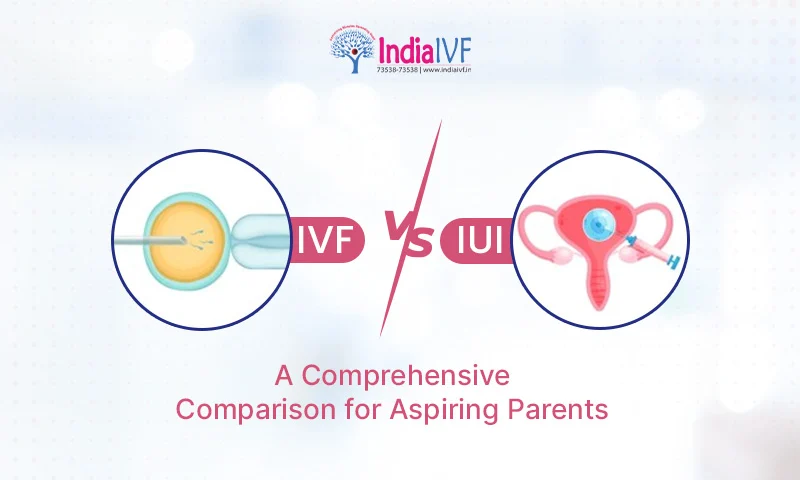
    IVF vs IUI comparison graphic highlighting reproductive methods for aspiring parents.

    The Cost of Fertility: Supplements vs Medical Treatments

    Fertility drugs, such as Clomid and Letrozole, are often the first line of treatment for women who are not ovulating regularly. These drugs work by stimulating the ovaries to produce more eggs and have a success rate of around 40%. However, they can also come with side effects such as mood swings, hot flashes, and bloating.

    IUI involves placing washed sperm directly into the uterus, bypassing the cervical mucus and increasing the chances of fertilization. It is a less invasive and less expensive option than IVF, with a success rate of 10-20% per cycle. However, it may not be suitable for couples with certain fertility issues, such as severe male factor infertility.

    IVF is often considered the most effective fertility treatment, with a success rate of 30-40% per cycle, depending on the age of the woman. It involves retrieving eggs and fertilizing them with sperm in a laboratory before transferring the resulting embryo(s) into the uterus. However, IVF can be a costly and emotionally taxing process, requiring multiple rounds of treatment and often not covered by insurance.

    The Cost Comparison

    When it comes to the cost of fertility supplements versus medical treatments, it is important to consider not only the initial cost but also the potential ongoing expenses. While supplements may seem more affordable in the short term, couples may end up spending more money in the long run if they have to take them for an extended period of time without seeing results.

    On the other hand, medical treatments may have a higher upfront cost, but they also have a higher success rate, meaning couples may achieve their goal of starting a family sooner rather than later. However, it is essential to keep in mind that the cost of medical treatments can vary greatly depending on the specific procedure and any additional factors, such as the need for donor sperm or eggs.

    It is also worth considering the emotional toll of fertility treatments. Going through multiple rounds of unsuccessful treatments can be emotionally draining and may also lead to additional expenses for counseling or therapy.

    The Decision

    Ultimately, the decision between using fertility supplements and seeking medical treatments is a personal one and may depend on various factors, including the cause of infertility, age, and financial situation. While supplements may be a more affordable and natural option, they may not be effective for everyone, and medical treatments may be necessary.

    It is crucial to consult with a fertility specialist to determine the best course of action based on individual circumstances. They can provide guidance on the most suitable treatment options and potential costs, as well as offer support and resources throughout the journey.

    In conclusion, the cost of fertility supplements versus medical treatments is a complex issue that requires careful consideration. While supplements may be a more affordable option, they may not be effective for everyone, and medical treatments may be necessary. It is important to weigh the potential costs and success rates of each option and consult with a fertility specialist to make an informed decision.