When a couple is struggling to conceive, they may consider fertility treatments to help them start a family. However, with so many options available, it can be overwhelming and confusing to determine when to choose fertility medications versus surgical interventions. In this blog post, we will discuss the factors to consider when deciding between these two approaches.
Fertility Medications:
Fertility medications, also known as fertility drugs, are medications taken to stimulate ovulation or improve sperm production. These medications work by regulating hormones and helping the body produce more eggs or sperm. They are typically the first line of treatment for couples who are experiencing infertility due to hormonal imbalances or ovulation disorders.
1. When to Consider Fertility Medications:
Fertility medications are often recommended when a couple is struggling to conceive due to ovulation issues, such as irregular or absent ovulation. This can be caused by conditions such as polycystic ovary syndrome (PCOS) or hormonal imbalances. In these cases, fertility medications can help regulate ovulation and increase the chances of conception.
2. Types of Fertility Medications:
There are several types of fertility medications, each with its own purpose. Some common examples include Clomiphene citrate, Letrozole, and Gonadotropins. Clomiphene citrate and Letrozole are oral medications that work by stimulating the release of hormones that trigger ovulation. Gonadotropins, on the other hand, are injectable medications that contain hormones that directly stimulate the ovaries to produce eggs.
3. Risks and Side Effects:
Like any medication, fertility drugs come with potential risks and side effects. The most common side effects include hot flashes, mood swings, and headaches. In rare cases, more serious side effects, such as ovarian hyperstimulation syndrome (OHSS) or multiple pregnancies, can occur. It is essential to discuss these risks and side effects with your doctor before starting fertility medications.
Surgical Interventions:
Surgical interventions refer to any surgery or procedure performed to address fertility issues. They are typically recommended when fertility medications have not been successful or when there are structural problems affecting fertility, such as blocked fallopian tubes or uterine abnormalities.
1. When to Consider Surgical Interventions:
Surgical interventions are usually recommended in cases where there is a known structural issue affecting fertility. For example, if a woman has blocked fallopian tubes, surgery may be necessary to clear the blockage and increase the chances of conception. Additionally, surgical interventions may also be recommended for men with fertility issues, such as a varicocele, which is a condition that causes swelling in the veins of the testicles.
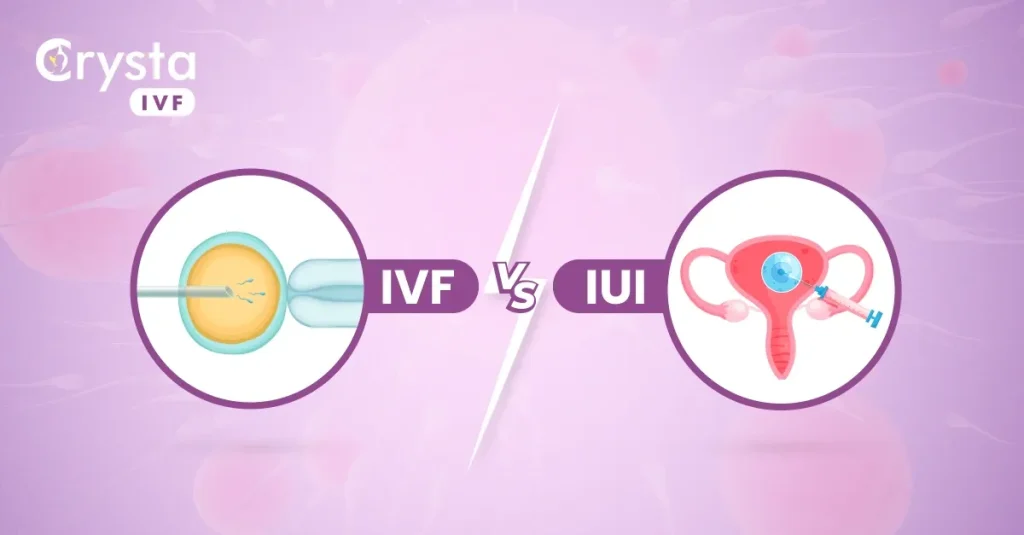
When to Consider Fertility Medications vs Surgical Interventions
2. Types of Surgical Interventions:
There are various surgical interventions that may be recommended depending on the specific fertility issue. Some common procedures include laparoscopy, hysteroscopy, and varicocelectomy. Laparoscopy and hysteroscopy are minimally invasive procedures that involve using a small camera to examine the reproductive organs and potentially correct any issues. Varicocelectomy is a surgical procedure to repair a varicocele and improve sperm production.
3. Risks and Side Effects:
As with any surgery, there are potential risks and side effects associated with surgical interventions. These can include infection, bleeding, and damage to surrounding organs. It is essential to discuss these risks with your doctor and consider them carefully before proceeding with a surgical intervention.
Factors to Consider When Choosing Between Fertility Medications and Surgical Interventions:
1. Underlying Cause of Infertility:
The first factor to consider is the underlying cause of infertility. If it is a hormonal issue or ovulation disorder, fertility medications may be the best approach. If there is a structural issue affecting fertility, surgical interventions may be necessary.
2. Success Rates:
It is also essential to consider the success rates of both options. Fertility medications have a lower success rate compared to surgical interventions. However, they are also less invasive and have fewer risks and side effects. Surgical interventions, on the other hand, have a higher success rate but come with a higher risk of complications.
3. Personal Preference:
Ultimately, the decision between fertility medications and surgical interventions will depend on personal preference. Some couples may prefer to start with fertility medications and progress to surgical interventions if necessary. Others may choose to skip medications and opt for surgery right away. It is essential to discuss your options with your doctor and make a decision that feels right for you.
In conclusion, when deciding between fertility medications and surgical interventions, it is crucial to consider factors such as the underlying cause of infertility, success rates, and personal preference. Both options have their own benefits and risks, and it is essential to discuss them with your doctor to determine the best approach for your specific situation.
Summary:
When a couple is struggling to conceive, they may consider fertility treatments to help them start a family. Fertility medications are often recommended when there are ovulation issues, while surgical interventions are recommended for structural problems affecting fertility. Factors to consider when choosing between these options include the underlying cause of infertility, success rates, and personal preference. Both options have benefits and risks, and it is essential to discuss them with a doctor to determine the best approach.