Tag: alternative therapies

  • Fertility Acupuncture and Ovulation Induction: What You Need to Know

    Blog Post:

    Fertility issues can be a source of immense stress and frustration for couples trying to conceive. In addition to traditional Western medicine treatments, many are turning to alternative therapies such as acupuncture for assistance. Specifically, fertility acupuncture and ovulation induction have gained popularity in recent years as potential solutions for women struggling with infertility. In this blog post, we will explore what you need to know about these two practices and how they can potentially help you on your journey towards parenthood.

    What is Fertility Acupuncture?

    Acupuncture is a form of Traditional Chinese Medicine (TCM) that involves the insertion of thin needles into specific points in the body to stimulate energy flow and promote healing. Fertility acupuncture, as the name suggests, focuses on treating conditions related to fertility and reproductive health. This can include menstrual irregularities, hormonal imbalances, and even underlying health issues that may be contributing to infertility.

    How Does Fertility Acupuncture Work?

    According to TCM principles, fertility acupuncture works by balancing the flow of energy, known as qi, throughout the body. When the body’s qi is in balance, it can help regulate the reproductive system and improve overall health. Acupuncture can also stimulate the production of hormones that are essential for ovulation and pregnancy, such as follicle-stimulating hormone (FSH) and luteinizing hormone (LH).

    Fertility acupuncture also works by reducing stress and promoting relaxation, which can be beneficial for women struggling with infertility. High levels of stress can disrupt hormone levels and interfere with ovulation, making it more difficult to conceive. By targeting specific points in the body, acupuncture can help reduce stress and promote a sense of calm that can be beneficial for fertility.

    What is Ovulation Induction?

    Ovulation induction is a medical treatment that involves the use of medications to stimulate the ovaries to produce and release eggs. This can be helpful for women who are not ovulating regularly or who are not ovulating at all. Ovulation induction is often used in conjunction with other fertility treatments, such as intrauterine insemination (IUI) or in vitro fertilization (IVF).

    How Does Ovulation Induction Work?

    Ovulation induction works by using medications, such as clomiphene citrate or letrozole, to stimulate the production of hormones that trigger ovulation. These medications can help regulate the menstrual cycle and promote the development and release of mature eggs. Ovulation is typically monitored through ultrasound and blood tests to determine the best time for intercourse or other fertility procedures.
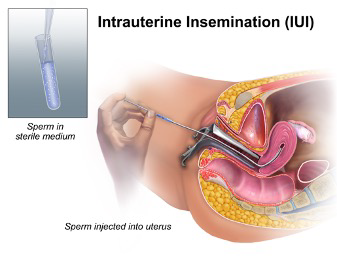
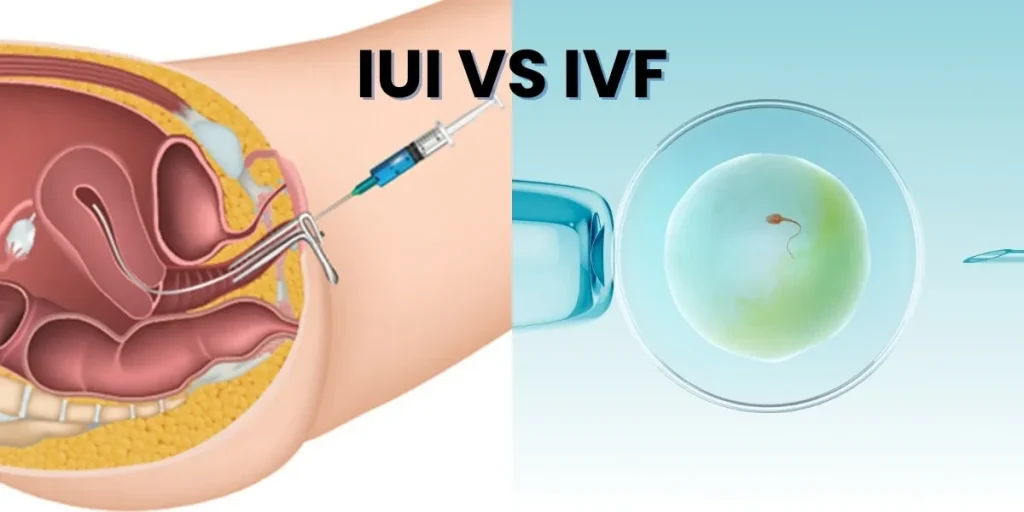
    Illustration of intrauterine insemination (IUI) procedure, showing sperm injection into the uterus.

    Fertility Acupuncture and Ovulation Induction: What You Need to Know

    Can Fertility Acupuncture and Ovulation Induction Work Together?

    Many women wonder if fertility acupuncture and ovulation induction can work together to improve their chances of getting pregnant. The answer is yes, they can. In fact, some studies have shown that combining acupuncture with ovulation induction may increase the pregnancy rates in women undergoing fertility treatments.

    It is important to note that fertility acupuncture should not be seen as a replacement for ovulation induction or other medical treatments. It is best used as a complementary therapy to support and enhance the effectiveness of these treatments. It is essential to consult with a qualified acupuncturist and your fertility specialist to determine the best course of action for your specific needs.

    The Benefits of Fertility Acupuncture and Ovulation Induction

    One of the main benefits of fertility acupuncture and ovulation induction is their ability to address underlying health issues that may be contributing to infertility. By balancing the body’s energy and stimulating the reproductive system, these treatments can improve overall health and increase the chances of conceiving.

    Moreover, fertility acupuncture and ovulation induction can help reduce stress and promote relaxation, both of which are essential for fertility. They can also improve the effectiveness of other fertility treatments, making them a valuable addition to any fertility plan.

    In addition to these benefits, fertility acupuncture and ovulation induction are safe and non-invasive treatments with minimal side effects. They can also be used in combination with other alternative therapies, such as herbal medicine and dietary changes, to further support fertility and overall health.

    Conclusion

    Fertility acupuncture and ovulation induction are two potential solutions for women struggling with infertility. By addressing imbalances in the body’s energy and promoting the production of hormones essential for fertility, these treatments can improve overall health and increase the chances of getting pregnant. They can also work together with other medical treatments to enhance their effectiveness. If you are considering fertility acupuncture or ovulation induction, be sure to consult with a qualified acupuncturist and your fertility specialist to develop a personalized treatment plan that meets your specific needs.

    Summary:

    Fertility acupuncture and ovulation induction are two alternative therapies that have gained popularity in recent years as potential solutions for women struggling with infertility. Fertility acupuncture involves the insertion of thin needles into specific points in the body to stimulate energy flow and promote healing, while ovulation induction uses medications to stimulate the ovaries to produce and release eggs. These treatments can work together to address underlying health issues, reduce stress, and improve the effectiveness of other fertility treatments. It is essential to consult with a qualified acupuncturist and your fertility specialist to determine the best course of action for your specific needs.
  • Traditional Fertility Treatments vs Fertility Acupuncture: Which is Right for You?

    Blog Post:

    When it comes to fertility treatments, there are a variety of options available, from traditional medical interventions to alternative therapies. One of the most popular alternative treatments for fertility is acupuncture. But how does this ancient practice compare to more traditional methods? In this blog post, we will explore the differences between traditional fertility treatments and fertility acupuncture, and discuss which one may be right for you.

    Traditional Fertility Treatments:

    Traditional fertility treatments refer to medical interventions that are typically recommended and performed by a healthcare professional. These treatments may include medication, surgery, or assisted reproductive technologies (ART) such as in vitro fertilization (IVF). The goal of traditional fertility treatments is to address any underlying medical conditions that may be affecting fertility and to help couples achieve a successful pregnancy.

    One of the most common traditional fertility treatments is fertility medication. This may involve taking hormones to stimulate ovulation or to regulate the menstrual cycle. Other medications may be prescribed to help improve sperm count or to address other underlying health issues that may be impacting fertility.

    Another traditional fertility treatment option is surgery. This may include procedures to correct issues such as blocked fallopian tubes, endometriosis, or fibroids. In some cases, surgery may also be used to retrieve sperm for use in ART procedures.

    Assisted reproductive technologies, or ART, involve procedures such as IVF, intrauterine insemination (IUI), and intracytoplasmic sperm injection (ICSI). These procedures use medical technology to assist with conception, and are often recommended for couples who have been unsuccessful with other fertility treatments.

    Fertility Acupuncture:

    Fertility acupuncture, on the other hand, is an alternative therapy that has been gaining popularity in recent years. This practice involves the insertion of thin needles into specific points on the body, known as acupuncture points. These points are believed to correspond to different organs and systems in the body, and by stimulating these points, it is thought that the body’s energy flow can be restored and balanced.

    comparison of IUI and IVF fertility treatments with illustrations of procedures and a petri dish with an egg and sperm

    Traditional Fertility Treatments vs Fertility Acupuncture: Which is Right for You?

    Fertility acupuncture is often used to address underlying health issues that may be impacting fertility. These may include hormonal imbalances, stress, or other factors that can affect reproductive health. By restoring balance to the body’s energy flow, it is believed that fertility can be improved, and couples may have a better chance of conceiving.

    Which One is Right for You?

    So, which fertility treatment is right for you? The answer may depend on a variety of factors, including the cause of your fertility issues, your personal preferences, and your budget.

    Traditional fertility treatments are typically more expensive than fertility acupuncture, and may also involve more invasive procedures. However, they also have a higher success rate, especially for couples with more severe fertility issues. If you have been diagnosed with a medical condition that is affecting your fertility, traditional treatments may be the best option for you.

    On the other hand, fertility acupuncture is a more natural and non-invasive option that may be beneficial for couples who are dealing with stress, hormonal imbalances, or unexplained fertility issues. It may also be a good option for couples who are looking for a more holistic approach to fertility. While the success rates for fertility acupuncture may not be as high as traditional treatments, many couples have reported positive results and have successfully conceived after undergoing acupuncture treatments.

    In some cases, a combination of traditional fertility treatments and acupuncture may be recommended. This is known as an integrative approach and can provide the best of both worlds. For example, a couple undergoing IVF may also choose to incorporate acupuncture into their treatment plan to help improve their chances of success.

    It is important to note that both traditional fertility treatments and fertility acupuncture may take time to produce results. It is also essential to work closely with a qualified healthcare professional or licensed acupuncturist to determine the best course of treatment for your individual situation.

    Summary:

    When it comes to fertility treatments, there are two main options: traditional medical interventions and fertility acupuncture. Traditional treatments, such as medication, surgery, and assisted reproductive technologies, focus on addressing underlying medical issues. Fertility acupuncture, on the other hand, takes a more holistic approach by balancing the body’s energy flow. The right treatment for you will depend on factors such as the cause of your fertility issues, personal preferences, and budget. In some cases, a combination of both traditional and alternative treatments may be recommended for the best chances of success.

  • A Comprehensive Guide to Fertility Acupuncture for Couples

    Blog Post Title: A Comprehensive Guide to Fertility Acupuncture for Couples

    Introduction:
    Infertility affects millions of couples around the world, causing stress, heartache, and in some cases, a strain on the relationship. While there are many conventional medical treatments available, more and more couples are turning to alternative therapies, such as acupuncture, to help them conceive. In this comprehensive guide, we will explore the benefits, process, and potential risks of fertility acupuncture for couples.

    What is Fertility Acupuncture?
    Acupuncture is a traditional Chinese medicine practice that involves stimulating specific points on the body with thin needles. Fertility acupuncture, also known as reproductive acupuncture, is a specialized form of acupuncture that focuses on improving fertility and increasing the chances of conception. It has been used for centuries to treat various health issues, including infertility.

    Benefits of Fertility Acupuncture:
    1. Regulates Hormones: Acupuncture can help balance hormones by stimulating the endocrine system. This can be particularly helpful for women with conditions such as polycystic ovary syndrome (PCOS) or irregular menstrual cycles.

    2. Improves Blood Flow to the Reproductive Organs: Acupuncture can increase blood flow to the reproductive organs, which can help thicken the uterine lining and improve the quality of eggs and sperm.

    3. Reduces Stress: Trying to conceive can be stressful, and stress can have a negative impact on fertility. Acupuncture can help reduce stress levels and promote a sense of relaxation and well-being.

    4. Increases Success Rates of Assisted Reproductive Techniques: Studies have shown that combining acupuncture with assisted reproductive techniques, such as in vitro fertilization (IVF) or intrauterine insemination (IUI), can increase the success rates of these procedures.

    comparison of IUI and IVF procedures illustrated with simple graphics and labels

    A Comprehensive Guide to Fertility Acupuncture for Couples

    5. Fewer Side Effects: Unlike conventional fertility treatments, acupuncture has minimal side effects and is a natural and non-invasive option for couples trying to conceive.

    The Process of Fertility Acupuncture:
    Before beginning fertility acupuncture, it is essential to consult with a licensed acupuncturist who specializes in reproductive health. The acupuncturist will conduct a thorough evaluation of both partners’ medical history and may also recommend additional tests, such as blood work or ultrasound, to determine the best course of treatment.

    The treatment itself involves the insertion of thin, sterile needles into specific points on the body. These points may be located on the abdomen, back, arms, and legs, depending on the individual’s needs. The needles are left in place for 20-30 minutes while the individual relaxes. Some people may experience a slight tingling or a warm sensation, while others may not feel anything at all.

    The frequency and duration of treatment will vary depending on each couple’s unique situation. In general, it is recommended to have weekly sessions for at least 3-4 months to see significant results. Some couples may continue treatment throughout their pregnancy to support a healthy and comfortable pregnancy.

    Potential Risks of Fertility Acupuncture:
    Fertility acupuncture is generally considered safe, with minimal risks involved. However, it is essential to ensure that the acupuncturist is licensed and has experience in treating fertility-related issues. There is also a small risk of infection if sterile needles are not used. It is crucial to discuss any concerns with the acupuncturist before beginning treatment.

    Other Considerations:
    While fertility acupuncture can be beneficial for many couples, it is essential to understand that it may not be a miracle cure for infertility. It works best when combined with a healthy lifestyle, including a balanced diet, regular exercise, and stress management techniques. It is also essential to communicate openly with your partner and seek support from friends and family during the fertility journey.

    Conclusion:
    Fertility acupuncture is a safe and effective option for couples struggling with infertility. It can help regulate hormones, improve blood flow, reduce stress, and increase the success rates of assisted reproductive techniques. However, it is essential to consult with a licensed acupuncturist and understand that it may not work for everyone. Combining it with a healthy lifestyle and open communication with your partner can increase its effectiveness and support overall reproductive health.

    Summary:
    Fertility acupuncture is a specialized form of acupuncture that focuses on improving fertility and increasing the chances of conception. It works by regulating hormones, improving blood flow, reducing stress, and increasing the success rates of assisted reproductive techniques. The process involves inserting thin needles into specific points on the body and may require several months of weekly sessions. While it is generally considered safe, it is essential to consult with a licensed acupuncturist and understand that it may not work for everyone. Combining it with a healthy lifestyle and open communication with your partner can increase its effectiveness and support overall reproductive health.

  • When to Seek Help: Understanding the Signs of Infertility and Treatment Options

    Summary:

    Infertility is a common issue that affects many couples and can cause a great deal of emotional distress. It is important for individuals and couples to be aware of the signs of infertility and to seek help when needed. In this blog post, we will discuss the various signs of infertility, potential causes, and treatment options available.

    Signs of Infertility:

    The most common sign of infertility is the inability to conceive after trying for a year or more. Other signs may include irregular menstrual cycles, abnormal bleeding, or hormonal imbalances. However, it is important to keep in mind that some individuals may not experience any noticeable signs of infertility, making it crucial to consult with a doctor if you have concerns.

    Causes of Infertility:

    Infertility can be caused by a variety of factors, including age, hormonal imbalances, underlying medical conditions, and lifestyle factors. Women over the age of 35 may experience a decline in fertility due to a decrease in the number and quality of eggs. Hormonal imbalances, such as polycystic ovary syndrome (PCOS), can also affect fertility. Underlying medical conditions, such as endometriosis, can also contribute to infertility. Lifestyle factors such as smoking, excessive alcohol consumption, and obesity can also impact fertility.

    Seeking Help:

    If you have been trying to conceive for a year or more without success, it is important to consult with a fertility specialist. They will run various tests to determine the underlying cause of infertility and develop a treatment plan.

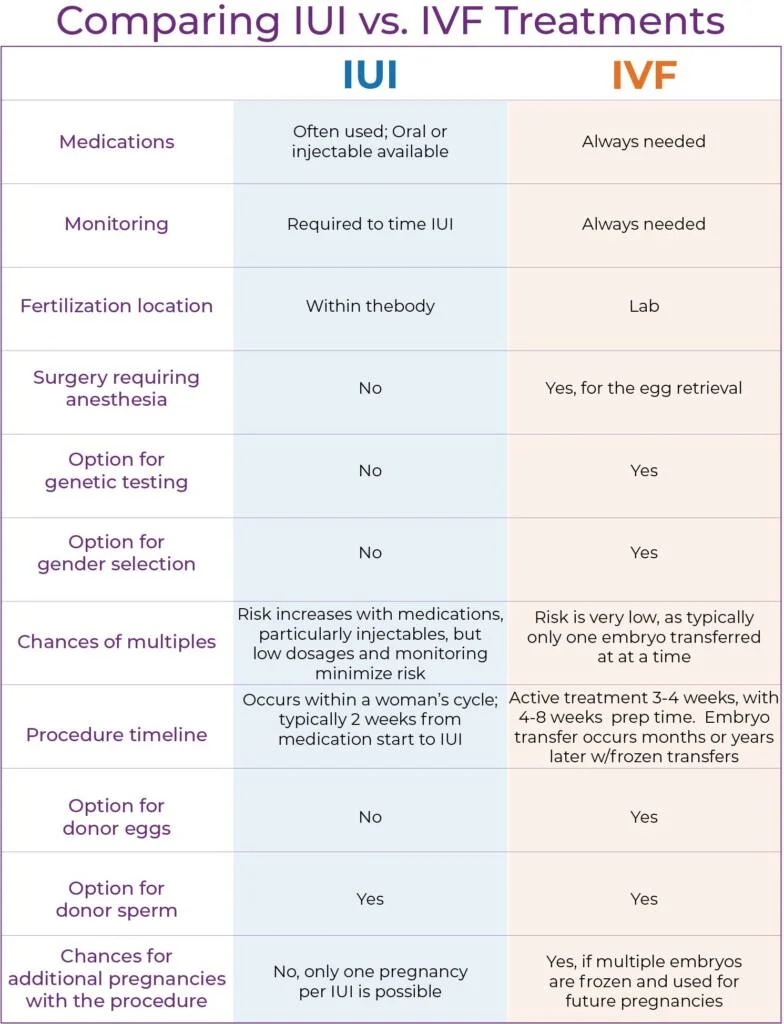
    Comparison chart of IUI and IVF treatments, detailing medications, monitoring, procedures, and success rates.

    When to Seek Help: Understanding the Signs of Infertility and Treatment Options

    Treatment Options:

    The treatment for infertility will depend on the underlying cause. In vitro fertilization (IVF) is a common treatment option that involves retrieving eggs from the ovaries and fertilizing them with sperm in a laboratory. Other options include intrauterine insemination (IUI), which involves placing sperm directly into the uterus, and fertility medications to stimulate ovulation.

    Alternative Therapies:

    In addition to medical treatments, there are also alternative therapies that may help with infertility. Acupuncture, for example, has been shown to improve fertility by reducing stress and promoting blood flow to the reproductive organs. Yoga and meditation can also be beneficial in reducing stress and promoting overall well-being.

    Support and Coping Strategies:

    Dealing with infertility can be emotionally and mentally challenging. It is important to seek support from loved ones, join support groups, or seek therapy to cope with the stress and emotions that come with infertility. It is also important to take care of your physical and mental health by engaging in self-care activities and finding healthy ways to cope with stress.

    Conclusion:

    Infertility can be a difficult and emotional journey for individuals and couples. It is important to be aware of the signs of infertility and to seek help when needed. With advancements in medical technology and various treatment options available, there is hope for those struggling with infertility. Remember to take care of yourself and seek support during this challenging time.

  • Fertility and Age: How Fertility Drugs and Natural Methods Can Help Older Women

    Blog Post:

    Fertility and Age: How Fertility Drugs and Natural Methods Can Help Older Women

    As women age, their fertility declines, making it more difficult to conceive. This decline is due to various factors such as a decrease in the quality and quantity of eggs, hormonal changes, and underlying health conditions. This can be a frustrating and emotional experience for many women who still desire to have children later in life. However, with advancements in fertility treatments and natural methods, older women have more options when it comes to conceiving. In this blog post, we will discuss the impact of age on fertility, the role of fertility drugs, and natural methods that can help older women increase their chances of becoming pregnant.

    Understanding the Impact of Age on Fertility

    A woman’s fertility starts to decline in her late 20s and early 30s, with a significant drop after the age of 35. This decline is mainly due to a decrease in the number of eggs in the ovaries and a decline in their quality. As a woman ages, her eggs are more likely to have chromosomal abnormalities, making it harder to conceive and increasing the risk of miscarriage. Additionally, as women age, their reproductive organs, including the uterus and fallopian tubes, may also experience a decline in function, further reducing their chances of conception.

    Fertility Drugs for Older Women

    Fertility drugs are designed to stimulate the ovaries, increase the number of eggs produced, and improve their quality. These drugs are commonly used in fertility treatments such as in vitro fertilization (IVF), where the eggs are retrieved from the ovaries and fertilized with sperm in a lab. Fertility drugs can also be used in combination with other fertility treatments, such as intrauterine insemination (IUI), where sperm is directly inserted into the uterus.

    For older women, fertility drugs can be beneficial in two ways. Firstly, they can help stimulate the ovaries and increase the chances of producing viable eggs. This is especially helpful for women who have a low ovarian reserve or are experiencing irregular ovulation. Secondly, fertility drugs can also help regulate the menstrual cycle, making it easier to track and plan for conception.

    However, it is essential to note that fertility drugs may not be suitable for every woman. They can have side effects such as mood swings, hot flashes, and bloating. Also, older women may have a higher risk of complications, such as multiple pregnancies, when using fertility drugs. Therefore, it is crucial to consult with a fertility specialist to determine the most appropriate treatment plan.

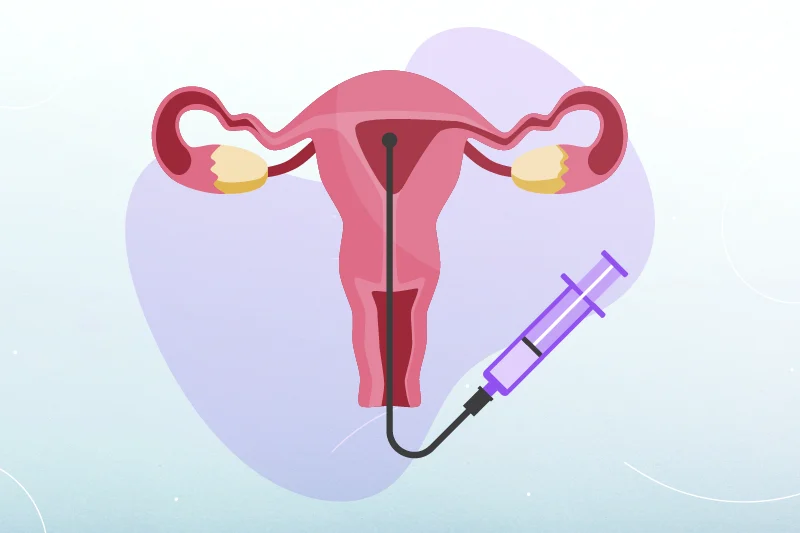
    Illustration of the uterus with a syringe, depicting the intrauterine insemination procedure.

    Fertility and Age: How Fertility Drugs and Natural Methods Can Help Older Women

    Natural Methods for Older Women

    In addition to fertility drugs, there are also natural methods that can help older women improve their fertility and increase their chances of conception. These methods include lifestyle changes, dietary modifications, and alternative therapies.

    One significant lifestyle change that can positively impact fertility is maintaining a healthy weight. Being underweight or overweight can affect hormonal balance and menstrual regularity, making it more challenging to conceive. Therefore, achieving a healthy weight through proper nutrition and regular exercise can help improve fertility.

    Dietary modifications can also play a role in improving fertility for older women. Including foods rich in antioxidants, such as fruits, vegetables, and whole grains, can help protect the eggs from damage caused by free radicals. Additionally, certain vitamins and minerals, such as folic acid, vitamin D, and iron, are essential for reproductive health and can be beneficial for women trying to conceive.

    Alternative therapies, such as acupuncture and herbal supplements, have also been shown to improve fertility in older women. Acupuncture can help regulate the menstrual cycle and improve blood flow to the reproductive organs, while herbal supplements can support hormonal balance and egg quality. However, it is important to consult with a qualified practitioner before trying any alternative therapies.

    In conclusion, age can significantly impact a woman’s fertility, making it more challenging to conceive as she gets older. However, with the help of fertility drugs and natural methods, older women can increase their chances of becoming pregnant. It is essential to consult with a fertility specialist to determine the most suitable treatment plan based on individual needs and medical history.

    Summary:

    As women age, their fertility declines due to various factors such as a decrease in the quality and quantity of eggs. This can be a frustrating and emotional experience for women who still desire to have children later in life. However, with advancements in fertility treatments and natural methods, older women have more options when it comes to conceiving. Fertility drugs can help stimulate the ovaries and regulate the menstrual cycle, while natural methods such as lifestyle changes, dietary modifications, and alternative therapies can also improve fertility.

    SEO Metadata:

  • The Role of Stress in Fertility: How to Manage It for Optimal Conception

    Blog post:

    Fertility is a complex and delicate process, and there are many factors that can affect a couple’s ability to conceive. One often overlooked factor is stress. Stress is a natural response to challenging situations, but when it becomes chronic and overwhelming, it can have a negative impact on our overall health, including our fertility. In this blog post, we will explore the role of stress in fertility and provide tips on how to manage it for optimal conception.

    Understanding the Link Between Stress and Fertility

    The human body is designed to protect itself in times of stress. When we experience stress, our bodies release the hormone cortisol, also known as the “stress hormone.” While this hormone can be helpful in short bursts, prolonged exposure to cortisol can have harmful effects on our health. Chronic stress can disrupt the balance of hormones in the body, affecting the reproductive system and ultimately impacting fertility.

    One study published in the journal Fertility and Sterility found that women with high levels of stress had a 29% lower chance of becoming pregnant each month compared to women with lower levels of stress. Additionally, stress can lead to irregular menstrual cycles, hormonal imbalances, and ovulation disorders, making it more difficult to conceive.

    How to Manage Stress for Optimal Fertility

    The good news is that there are steps you can take to manage and reduce stress levels, improving your chances of conceiving. Here are some tips to help you manage stress for optimal fertility:

    1. Practice relaxation techniques:

    Relaxation techniques such as deep breathing, meditation, and yoga can help reduce stress levels. These techniques can help calm the mind and body, promoting relaxation and reducing cortisol levels. Make time in your daily routine to practice these techniques, even if it’s just for a few minutes.

    2. Exercise regularly:

    Regular exercise is not only beneficial for physical health but also for mental well-being. Exercise helps release endorphins, known as the “feel-good” hormones, which can improve mood and reduce stress. Find an exercise routine that works for you, whether it’s going for a walk, joining a fitness class, or practicing a sport you enjoy.

    3. Get enough sleep:

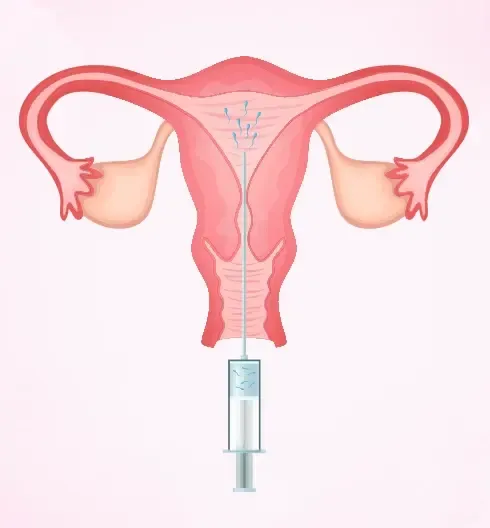
    Illustration of a uterus with a syringe indicating an intrauterine insemination procedure.

    The Role of Stress in Fertility: How to Manage It for Optimal Conception

    Lack of sleep can contribute to stress, so it’s essential to prioritize getting enough rest. Aim for 7-9 hours of sleep each night, and try to establish a consistent sleep schedule. Avoid caffeine and electronic devices before bedtime, as they can disrupt sleep patterns.

    4. Communicate with your partner:

    Communication is key in managing stress, especially when trying to conceive. Share your feelings and concerns with your partner and work together to find ways to support each other. Remember that you are a team, and facing challenges together can bring you closer.

    5. Seek support:

    Don’t be afraid to seek support from friends, family, or a professional. Infertility can be a challenging and emotional journey, and having a support system can make a significant difference. Join a support group, talk to a therapist, or confide in a trusted friend or family member.

    6. Make time for self-care:

    Self-care is crucial in managing stress. Take time to do things you enjoy, whether it’s reading a book, taking a bath, or doing a hobby. Make yourself a priority and prioritize your well-being.

    7. Consider alternative therapies:

    Alternative therapies such as acupuncture, massage, and chiropractic care can also help reduce stress levels. These therapies can help promote relaxation, balance hormones, and improve overall well-being, increasing your chances of conceiving.

    The Role of Stress in Fertility: A Summary

    The journey to conception can be a stressful one, but understanding the link between stress and fertility can help you take steps to manage it effectively. Chronic stress can disrupt hormonal balance and make it more challenging to conceive. However, by practicing relaxation techniques, exercising regularly, getting enough sleep, communicating with your partner, seeking support, making time for self-care, and considering alternative therapies, you can reduce stress levels and improve your chances of conception.

    In summary, stress can play a significant role in fertility, and managing it is essential for optimal conception. By implementing these tips, you can reduce stress levels, improve your overall well-being, and increase your chances of conceiving.

  • The Power of Nature: Exploring Natural Fertility Remedies

    Blog Post Title: The Power of Nature: Exploring Natural Fertility Remedies

    Summary: Infertility is a common struggle for many couples, with 1 in 8 couples experiencing difficulty conceiving. While there are medical treatments available, they can be expensive and come with potential side effects. However, there are natural fertility remedies that can be just as effective, if not more so, without the harmful side effects. In this blog post, we will explore the power of nature and the various natural fertility remedies that can help couples overcome infertility.

    The first natural fertility remedy we will discuss is acupuncture. This ancient Chinese practice involves the insertion of thin needles into specific points on the body to stimulate energy flow. Acupuncture has been found to improve fertility by increasing blood flow to the reproductive organs, regulating hormone levels, and reducing stress. Studies have shown that women who undergo acupuncture alongside their fertility treatments have higher success rates compared to those who only receive medical treatments.

    Another natural fertility remedy is herbal supplements. There are a variety of herbs that have been used for centuries to treat infertility. Some of the most commonly used herbs include red raspberry leaf, chasteberry, and maca root. These herbs can help regulate hormones, improve egg quality, and increase sperm count and motility. It is important to consult with a qualified herbalist or healthcare provider before taking any herbal supplements, as some may interact with medications or have potential side effects.

    Diet and nutrition also play a crucial role in fertility. Eating a balanced and nutritious diet can help regulate hormones, improve egg and sperm quality, and increase overall fertility. Some fertility-boosting foods include leafy greens, whole grains, healthy fats, and foods high in antioxidants. On the other hand, it is important to avoid foods that can negatively impact fertility, such as processed foods, sugar, and trans fats.

    comparison of IUI and IVF procedures illustrated with simple graphics and labels

    The Power of Nature: Exploring Natural Fertility Remedies

    Exercise is another natural fertility remedy that can improve fertility. Regular exercise can help regulate hormone levels, reduce stress, and maintain a healthy weight, all of which can contribute to improved fertility. It is important to find a balance and avoid overexertion, as excessive exercise can have the opposite effect on fertility.

    Stress has been linked to infertility, and therefore, managing stress is crucial for fertility. Stress can disrupt hormone levels, ovulation, and sperm production. Some effective stress-reducing techniques include meditation, yoga, deep breathing, and spending time in nature. Nature has a calming effect on the mind and body, and spending time outdoors can help reduce stress levels and improve overall well-being.

    In addition to these natural remedies, there are also alternative therapies that can help improve fertility, such as massage therapy and chiropractic care. Both of these practices can help improve blood flow to the reproductive organs, reduce stress, and balance the body’s energy flow.

    It is important to note that natural fertility remedies may not work for everyone, and it is essential to consult with a healthcare provider before trying any new treatments. It is also important to be patient and consistent with these remedies, as it may take some time to see results.

    In conclusion, nature has a powerful effect on our bodies and can provide us with natural remedies to help improve fertility. Acupuncture, herbal supplements, diet and nutrition, exercise, stress management, and alternative therapies are just some of the ways we can harness the power of nature to boost fertility. These natural remedies not only have the potential to improve fertility but also promote overall health and well-being. So if you are struggling with infertility, consider exploring these natural options and give nature a chance to work its magic.

  • The Importance of a Holistic Approach to Fertility: Beyond Injections

    Blog Post Title: The Importance of a Holistic Approach to Fertility: Beyond Injections

    Infertility is a highly prevalent issue that affects millions of couples worldwide. In fact, according to the World Health Organization, infertility affects 1 in 4 couples globally. While there are various medical interventions available, such as fertility injections, these treatments often focus solely on addressing physical factors and overlook the importance of a holistic approach to fertility. In this blog post, we will delve into the significance of taking a holistic approach to fertility and explore alternative methods beyond injections that can improve your chances of conceiving.

    What is a Holistic Approach to Fertility?

    A holistic approach to fertility involves addressing not only the physical aspects of fertility but also the mental, emotional, and spiritual aspects. It recognizes that fertility is a complex issue and takes into account the interconnectedness of the mind, body, and spirit. By taking a holistic approach, individuals can improve their overall well-being and increase their chances of conceiving.

    The Mind-Body Connection

    The mind-body connection is a vital aspect of fertility that is often overlooked. Our thoughts, emotions, and beliefs can have a significant impact on our physical health and fertility. For instance, stress and anxiety, which are common in couples struggling with infertility, can disrupt the hormonal balance in the body, affecting ovulation and sperm production. By addressing and managing stress and other emotional issues, individuals can create a more conducive environment for conception.

    Alternative Therapies for Fertility

    There are various alternative therapies that can be incorporated into a holistic approach to fertility. These therapies can help individuals reduce stress, improve their overall health, and increase their chances of conceiving. Some of these therapies include acupuncture, yoga, meditation, and massage therapy. These practices have been shown to improve blood flow to the reproductive organs, regulate hormones, and reduce stress levels, all of which can positively impact fertility.

    Nutrition and Supplements

    Nutrition also plays a crucial role in fertility. A well-balanced and nutritious diet is essential for maintaining a healthy body and reproductive system. Certain foods are known to improve fertility, such as leafy greens, whole grains, and healthy fats. On the other hand, processed foods, excessive caffeine, and alcohol can have a negative impact on fertility. In addition to a healthy diet, supplements such as folic acid, vitamin D, and omega-3 fatty acids have been linked to improved fertility in both men and women.

    Mindfulness and Mind-Body Practices

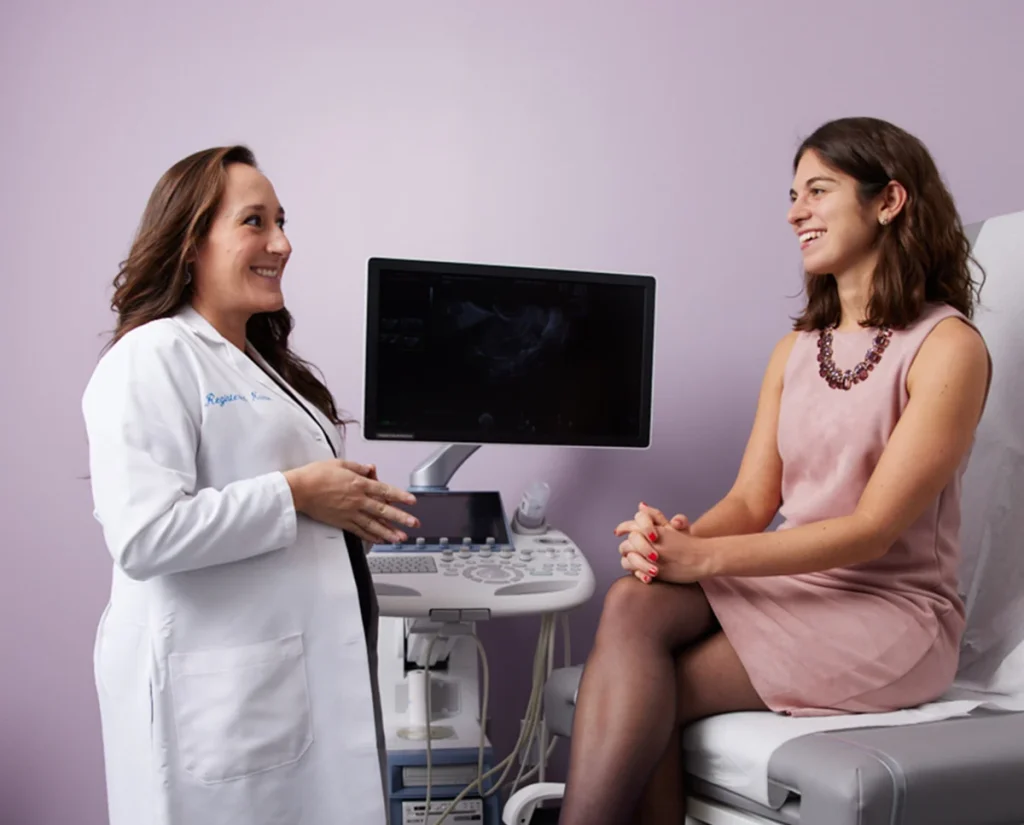
    doctor discussing treatment with a patient in a medical office, featuring an ultrasound machine in the background

    The Importance of a Holistic Approach to Fertility: Beyond Injections

    Mindfulness and mind-body practices are an essential aspect of a holistic approach to fertility. These practices involve being present in the moment, tuning into one’s body, and connecting with the mind and spirit. Mindfulness-based stress reduction techniques, such as deep breathing and visualization, have been shown to reduce stress and improve fertility outcomes. Other mind-body practices, such as hypnotherapy and cognitive-behavioral therapy, can also be beneficial in managing stress, anxiety, and other emotional issues related to fertility.

    Environmental Factors

    Environmental factors can also play a role in fertility. Exposure to toxins, chemicals, and pollutants in our environment can affect our reproductive health. It is essential to be mindful of the products we use, such as personal care products and household cleaners, and opt for more natural and organic options. In addition, avoiding exposure to harmful substances such as tobacco smoke and excessive alcohol can also improve fertility.

    The Role of Support Systems

    Infertility can be a challenging journey, both physically and emotionally. Having a strong support system, whether it be friends, family, or a support group, can make a significant difference in coping with the challenges of trying to conceive. Support systems can provide emotional support, practical help, and a sense of community, which can be invaluable in reducing stress and improving overall well-being.

    The Importance of a Holistic Approach to Fertility

    Taking a holistic approach to fertility is crucial for several reasons. First and foremost, it recognizes that fertility is a multi-faceted issue and addresses all aspects of an individual’s well-being. By incorporating various practices and strategies, individuals can improve their overall health and well-being, which can positively impact their fertility. Additionally, a holistic approach can also reduce the side effects and risks associated with medical interventions like fertility injections.

    Moreover, taking a holistic approach can also lead to long-term benefits, even if conception does not occur. By incorporating healthy habits and practices into one’s lifestyle, individuals can improve their overall health and increase their chances of conceiving in the future. It can also help individuals and couples better cope with the challenges of infertility and maintain a positive outlook on their journey towards parenthood.

    In conclusion, while medical interventions such as fertility injections have their place in the treatment of infertility, taking a holistic approach to fertility is equally important. By addressing the mind, body, and spirit, individuals can improve their overall well-being and increase their chances of conceiving. Incorporating alternative therapies, nutrition, mindfulness, and having a strong support system can all contribute to a holistic approach to fertility, leading to improved fertility outcomes and a healthier, happier you.

    Summary:

    Infertility is a prevalent issue that affects millions of couples worldwide. While medical interventions like fertility injections are available, a holistic approach to fertility is equally important. This approach takes into account the mind, body, and spirit and incorporates alternative therapies, nutrition, mindfulness, and a strong support system. By addressing all aspects of an individual’s well-being, a holistic approach can improve overall health, increase chances of conceiving, and provide long-term benefits.