Blog Post:
Fertility issues can be a source of immense stress and frustration for couples trying to conceive. In addition to traditional Western medicine treatments, many are turning to alternative therapies such as acupuncture for assistance. Specifically, fertility acupuncture and ovulation induction have gained popularity in recent years as potential solutions for women struggling with infertility. In this blog post, we will explore what you need to know about these two practices and how they can potentially help you on your journey towards parenthood.
What is Fertility Acupuncture?
Acupuncture is a form of Traditional Chinese Medicine (TCM) that involves the insertion of thin needles into specific points in the body to stimulate energy flow and promote healing. Fertility acupuncture, as the name suggests, focuses on treating conditions related to fertility and reproductive health. This can include menstrual irregularities, hormonal imbalances, and even underlying health issues that may be contributing to infertility.
How Does Fertility Acupuncture Work?
According to TCM principles, fertility acupuncture works by balancing the flow of energy, known as qi, throughout the body. When the body’s qi is in balance, it can help regulate the reproductive system and improve overall health. Acupuncture can also stimulate the production of hormones that are essential for ovulation and pregnancy, such as follicle-stimulating hormone (FSH) and luteinizing hormone (LH).
Fertility acupuncture also works by reducing stress and promoting relaxation, which can be beneficial for women struggling with infertility. High levels of stress can disrupt hormone levels and interfere with ovulation, making it more difficult to conceive. By targeting specific points in the body, acupuncture can help reduce stress and promote a sense of calm that can be beneficial for fertility.
What is Ovulation Induction?
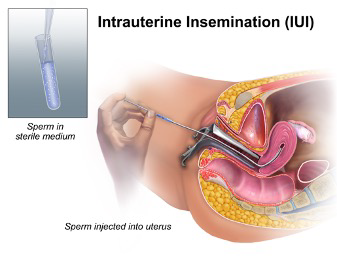
Ovulation induction is a medical treatment that involves the use of medications to stimulate the ovaries to produce and release eggs. This can be helpful for women who are not ovulating regularly or who are not ovulating at all. Ovulation induction is often used in conjunction with other fertility treatments, such as intrauterine insemination (IUI) or in vitro fertilization (IVF).
How Does Ovulation Induction Work?
Ovulation induction works by using medications, such as clomiphene citrate or letrozole, to stimulate the production of hormones that trigger ovulation. These medications can help regulate the menstrual cycle and promote the development and release of mature eggs. Ovulation is typically monitored through ultrasound and blood tests to determine the best time for intercourse or other fertility procedures.
Fertility Acupuncture and Ovulation Induction: What You Need to Know
Can Fertility Acupuncture and Ovulation Induction Work Together?
Many women wonder if fertility acupuncture and ovulation induction can work together to improve their chances of getting pregnant. The answer is yes, they can. In fact, some studies have shown that combining acupuncture with ovulation induction may increase the pregnancy rates in women undergoing fertility treatments.
It is important to note that fertility acupuncture should not be seen as a replacement for ovulation induction or other medical treatments. It is best used as a complementary therapy to support and enhance the effectiveness of these treatments. It is essential to consult with a qualified acupuncturist and your fertility specialist to determine the best course of action for your specific needs.
The Benefits of Fertility Acupuncture and Ovulation Induction
One of the main benefits of fertility acupuncture and ovulation induction is their ability to address underlying health issues that may be contributing to infertility. By balancing the body’s energy and stimulating the reproductive system, these treatments can improve overall health and increase the chances of conceiving.
Moreover, fertility acupuncture and ovulation induction can help reduce stress and promote relaxation, both of which are essential for fertility. They can also improve the effectiveness of other fertility treatments, making them a valuable addition to any fertility plan.
In addition to these benefits, fertility acupuncture and ovulation induction are safe and non-invasive treatments with minimal side effects. They can also be used in combination with other alternative therapies, such as herbal medicine and dietary changes, to further support fertility and overall health.
Conclusion
Fertility acupuncture and ovulation induction are two potential solutions for women struggling with infertility. By addressing imbalances in the body’s energy and promoting the production of hormones essential for fertility, these treatments can improve overall health and increase the chances of getting pregnant. They can also work together with other medical treatments to enhance their effectiveness. If you are considering fertility acupuncture or ovulation induction, be sure to consult with a qualified acupuncturist and your fertility specialist to develop a personalized treatment plan that meets your specific needs.
Summary:
Fertility acupuncture and ovulation induction are two alternative therapies that have gained popularity in recent years as potential solutions for women struggling with infertility. Fertility acupuncture involves the insertion of thin needles into specific points in the body to stimulate energy flow and promote healing, while ovulation induction uses medications to stimulate the ovaries to produce and release eggs. These treatments can work together to address underlying health issues, reduce stress, and improve the effectiveness of other fertility treatments. It is essential to consult with a qualified acupuncturist and your fertility specialist to determine the best course of action for your specific needs.