Tag: Artificial Insemination

  • The Ultimate Goal: Achieving Parenthood with Artificial Insemination and IVF

    Blog Post: The Ultimate Goal: Achieving Parenthood with Artificial Insemination and IVF

    Parenthood is a dream for many people, but for some, it may not come as easily as they hoped. Infertility, whether it is due to medical conditions or other factors, can be a frustrating and emotional journey. However, with advancements in technology and medicine, there are now more options available for those who want to become parents. Artificial insemination and in vitro fertilization (IVF) are two of the most commonly used methods for achieving parenthood. In this blog post, we will explore these methods and how they can help individuals and couples achieve their ultimate goal of becoming parents.

    What is Artificial Insemination?

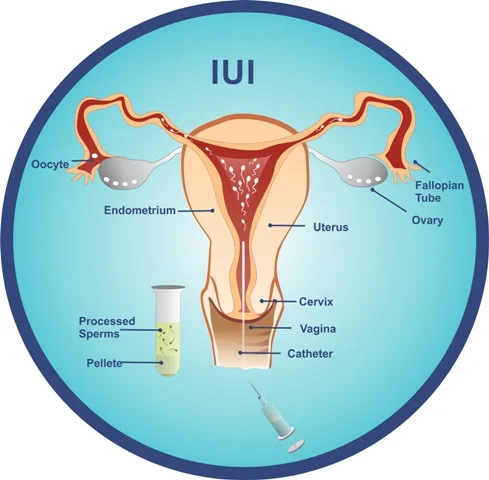
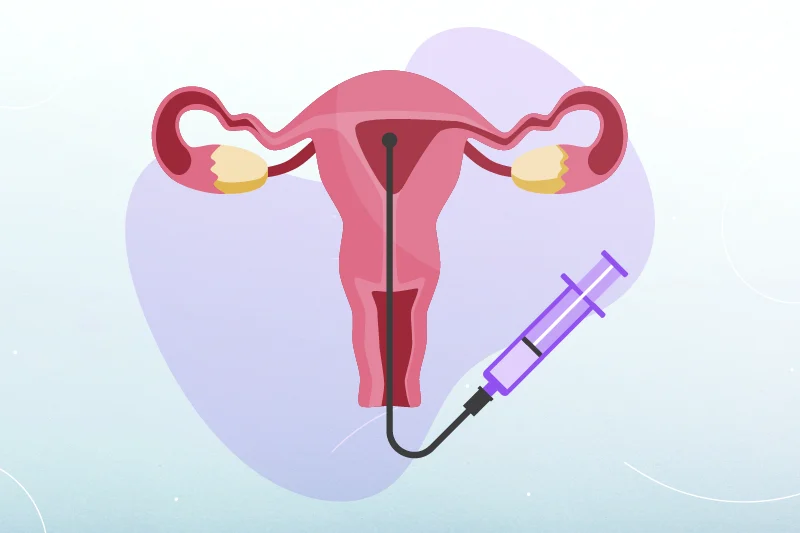
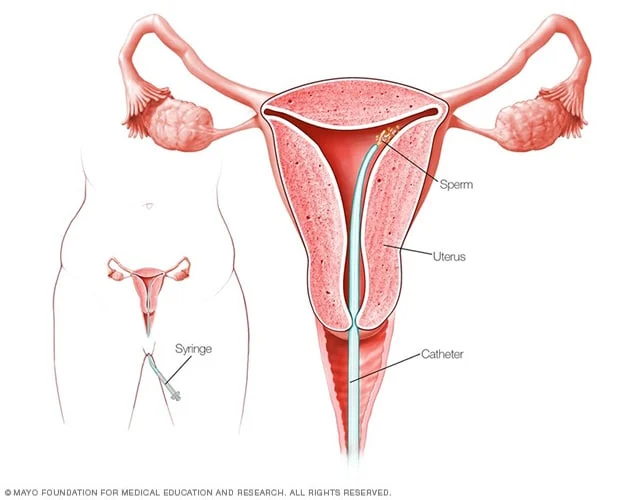
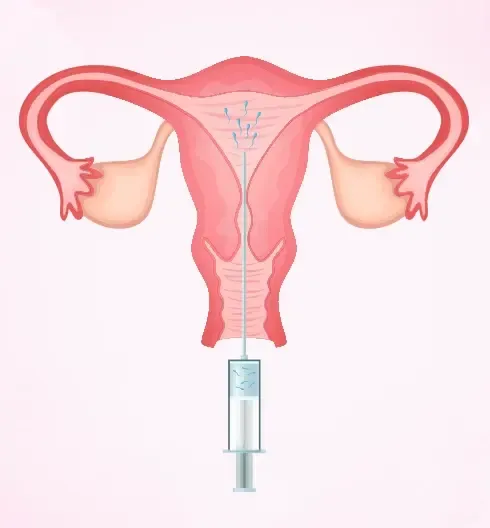
    Artificial insemination, also known as intrauterine insemination (IUI), is a fertility treatment that involves placing sperm directly into a woman’s uterus to facilitate fertilization. This method is often used for couples who have trouble conceiving due to issues with sperm quality, cervical issues, or unexplained infertility. It can also be used for single women or same-sex couples who want to have a child.

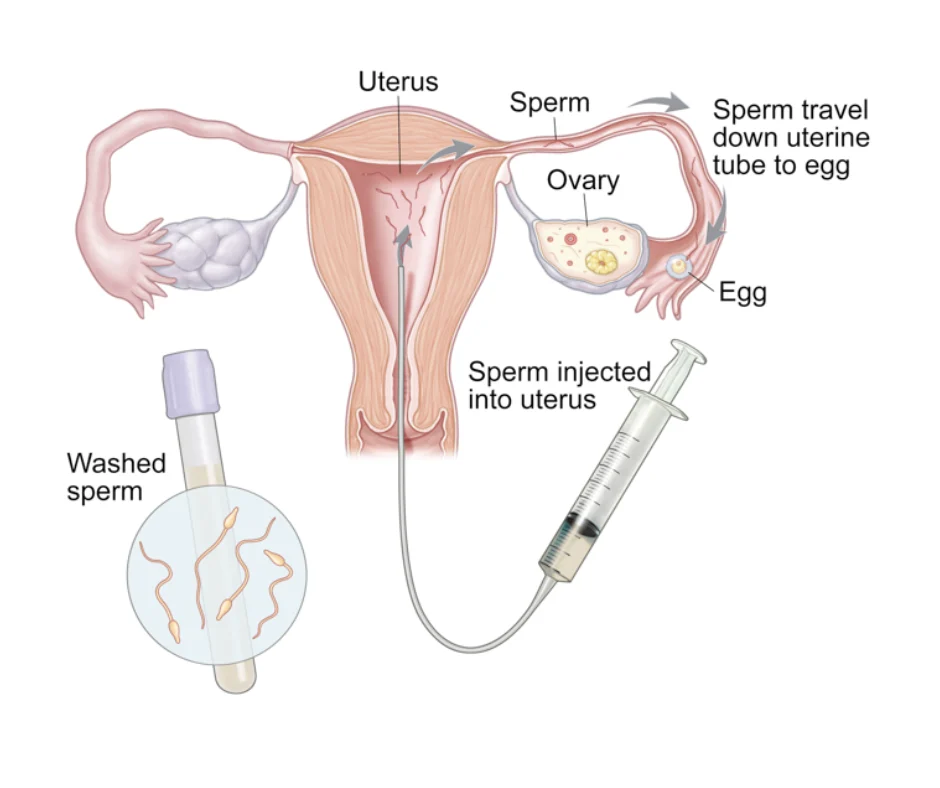
    The process of artificial insemination starts with the collection of sperm from the male partner or a sperm donor. The sperm is then washed and concentrated to increase the chances of fertilization. The sperm is then inserted into the woman’s uterus using a thin catheter, timed to coincide with ovulation. This procedure is relatively painless and does not require any anesthesia.

    Success rates for artificial insemination vary depending on various factors such as the woman’s age, the quality of the sperm, and the reason for infertility. On average, the success rate ranges from 5-25%, with the highest chances of success being in the first three cycles of treatment.

    What is IVF?

    In vitro fertilization (IVF) is a more complex and invasive fertility treatment that involves fertilizing eggs with sperm outside of the body and then implanting the resulting embryo into the woman’s uterus. This method is often used for couples who have been trying to conceive for a long time without success, have blocked or damaged fallopian tubes, or have other fertility issues such as endometriosis or polycystic ovary syndrome (PCOS).

    The process of IVF starts with the woman undergoing hormonal stimulation to produce multiple eggs, which are then retrieved through a minor surgical procedure known as egg retrieval. The eggs are then fertilized with sperm in a laboratory, and the resulting embryo is monitored for development. Once the embryo reaches a certain stage, it is transferred into the woman’s uterus, where it will hopefully implant and result in a pregnancy.

    IVF success rates also vary depending on factors such as the woman’s age, the quality of the eggs and sperm, and the reason for infertility. On average, the success rate for IVF is around 30%, but this can increase with multiple cycles of treatment.
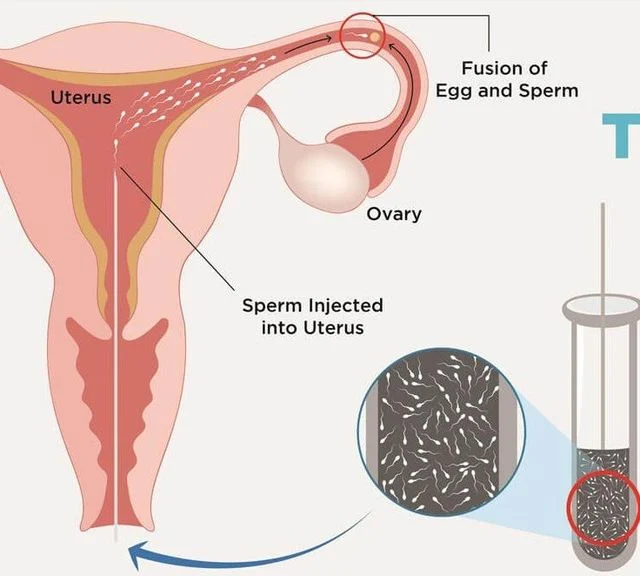
    Diagram illustrating the IUI process, showing sperm injection into the uterus and egg fertilization.

    The Ultimate Goal: Achieving Parenthood with Artificial Insemination and IVF

    The Benefits of Artificial Insemination and IVF

    One of the main benefits of both artificial insemination and IVF is that they allow individuals and couples to achieve parenthood who may not have been able to do so otherwise. These methods also give individuals more control over their reproductive choices and allow them to start a family when they are ready.

    Another benefit is that both artificial insemination and IVF have relatively low risks and are minimally invasive compared to other fertility treatments. This means that the recovery time is shorter, and the chances of complications are lower.

    Moreover, both methods can be used with a sperm donor or an egg donor, giving individuals and couples more options for building their family. They can also be used in combination with other fertility treatments, such as preimplantation genetic testing, to increase the chances of a successful pregnancy.

    The Emotional Impact of Artificial Insemination and IVF

    While artificial insemination and IVF offer hope for achieving parenthood, the emotional toll of fertility treatments cannot be overlooked. For many individuals and couples, the journey to parenthood can be stressful, frustrating, and emotionally draining. The pressure to conceive and the disappointment of failed attempts can take a toll on one’s mental health.

    It is essential for individuals and couples going through these treatments to seek emotional support and counseling to cope with the emotional rollercoaster that comes with fertility treatments. Having a strong support system can make a significant difference in managing the emotional impact and staying positive throughout the process.

    In Conclusion

    Artificial insemination and IVF have revolutionized the way we approach infertility and have given hope to many individuals and couples who dream of becoming parents. These methods offer a safe and effective way to achieve parenthood, but it is essential to remember that each person’s journey is unique, and there is no one-size-fits-all solution. With the right support and guidance, individuals and couples can navigate the emotional and physical challenges of these treatments and achieve their ultimate goal of becoming parents.

    In summary, artificial insemination and IVF are two fertility treatments that offer hope to individuals and couples struggling with infertility. These methods have low risks, allow for more reproductive choices, and can be used with a sperm or egg donor. However, the emotional impact of these treatments should not be overlooked, and seeking support is crucial for managing the stress and staying positive throughout the process.
  • A Holistic Approach: Combining Traditional and Alternative Medicine with Artificial Insemination and IVF

    In recent years, there has been a growing interest in alternative medicine and holistic approaches to health and wellness. This trend has also extended to the field of fertility and assisted reproduction, with many individuals and couples seeking out alternative methods to complement traditional medical treatments like artificial insemination and in vitro fertilization (IVF). In this blog post, we will explore the benefits of combining traditional and alternative medicine in the context of artificial insemination and IVF, and how this holistic approach can improve overall success rates and support overall well-being.

    Traditional Medicine: Artificial Insemination and IVF

    Artificial insemination and IVF are two of the most commonly used assisted reproductive technologies. Artificial insemination involves placing sperm directly into the cervix or uterus, while IVF involves fertilizing an egg outside of the body and then transferring the embryo into the uterus. These procedures have been proven to be effective in helping individuals and couples overcome fertility challenges and achieve their dream of parenthood. However, they can also be physically and emotionally taxing, with multiple rounds of treatments and potential side effects.

    Alternative Medicine: A Holistic Approach

    The term “alternative medicine” encompasses a wide range of practices and treatments that are not traditionally used in Western medicine. These can include acupuncture, herbal remedies, meditation, and other holistic approaches. While there is still some debate about the effectiveness of these treatments, many individuals and couples have found success in using them as a complement to traditional medical treatments.

    The Benefits of Combining Traditional and Alternative Medicine

    One of the main benefits of combining traditional and alternative medicine in the context of artificial insemination and IVF is the potential to improve overall success rates. Studies have shown that stress and anxiety can have a significant impact on fertility, and alternative treatments like acupuncture and meditation can help reduce stress levels and promote relaxation. This, in turn, can improve the chances of success for assisted reproductive technologies.

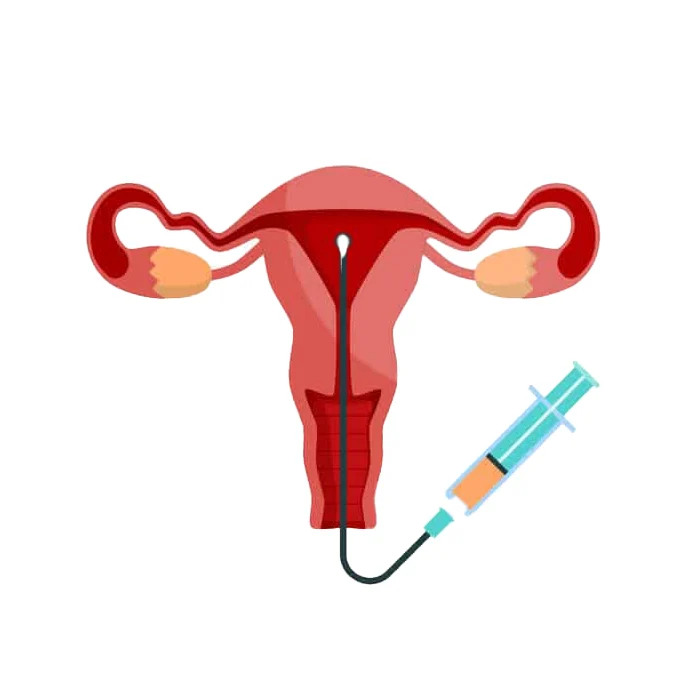
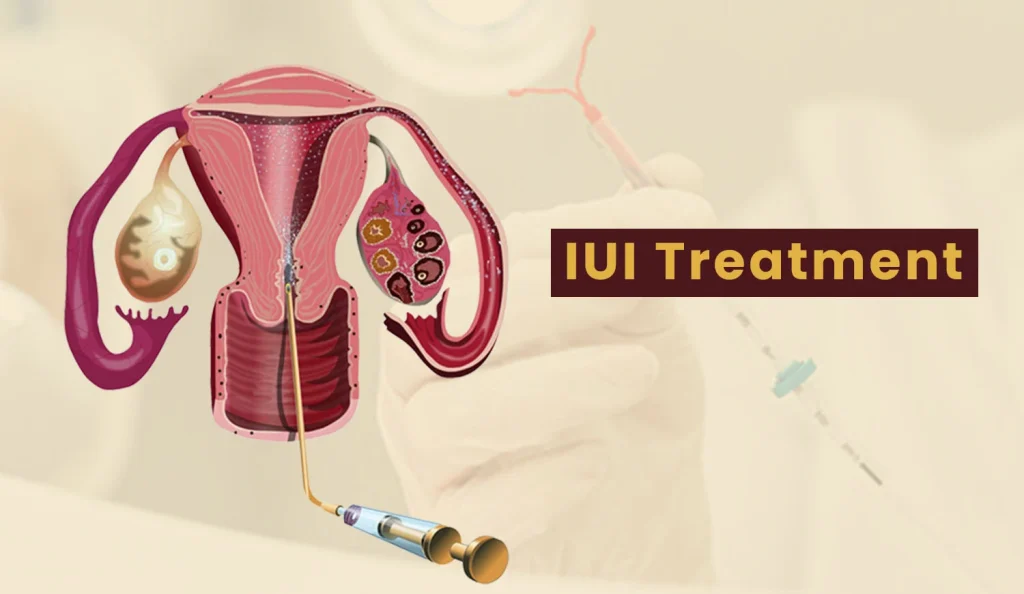
    illustration of the uterus and ovaries with a syringe, labeled "IUI Treatment" in the background

    A Holistic Approach: Combining Traditional and Alternative Medicine with Artificial Insemination and IVF

    Additionally, alternative treatments can help address underlying health issues that may be affecting fertility. For example, herbal remedies and dietary changes can help balance hormones and improve reproductive health. Acupuncture can also improve blood flow to the reproductive organs, increasing the chances of successful embryo implantation.

    Supporting Overall Well-Being

    Another important aspect of combining traditional and alternative medicine is the focus on overall well-being. Traditional medical treatments can be physically and emotionally demanding, and alternative treatments can help individuals and couples cope with these challenges. Practices like meditation and yoga can help reduce stress and promote emotional well-being, while herbal remedies and dietary changes can support physical health.

    It is important to note that alternative treatments should not be seen as a replacement for traditional medical treatments. It is always essential to consult with a medical professional before trying any alternative treatment, especially when undergoing assisted reproductive technologies.

    Finding the Right Balance

    As with any medical treatment, finding the right balance between traditional and alternative methods is crucial. It is essential to work with a healthcare provider who is open to incorporating alternative treatments into your overall treatment plan. Communication and collaboration between all parties involved, including the medical team and alternative practitioners, is key in finding the best approach for each individual’s unique situation.

    In summary, combining traditional and alternative medicine in the context of artificial insemination and IVF can provide numerous benefits. It can improve overall success rates, support overall well-being, and provide a more holistic approach to fertility treatment. However, it is important to work with a healthcare provider and alternative practitioners to find the right balance and ensure the best possible outcome.

  • From Doubt to Joy: Overcoming the Fear of Infertility with Artificial Insemination and IVF

    From Doubt to Joy: Overcoming the Fear of Infertility with Artificial Insemination and IVF

    Infertility is a difficult and often heartbreaking experience for many couples. The inability to conceive naturally can lead to feelings of doubt, shame, and sadness. However, with the advancements in modern medicine, there are now various options available for couples struggling with infertility, including artificial insemination and in vitro fertilization (IVF). While these procedures may seem daunting and overwhelming at first, they offer hope and the possibility of starting a family for many couples. In this blog post, we will explore the journey from doubt to joy for couples who have overcome the fear of infertility with artificial insemination and IVF.

    Understanding Infertility

    Infertility is a medical condition that affects approximately 1 in 8 couples. It is defined as the inability to conceive after one year of trying for couples under the age of 35, and after six months for couples over 35. Infertility can be caused by a variety of factors, including hormonal imbalances, structural issues, or reproductive health problems. It can also be due to male factors such as low sperm count or motility.

    The Emotional Toll of Infertility

    The journey towards parenthood can often be a rollercoaster of emotions for couples dealing with infertility. For many, the initial shock and disappointment of not being able to conceive naturally can quickly turn into feelings of doubt and shame. Couples may start to question their own bodies, their relationships, and even their self-worth. The constant cycle of hope and disappointment can also take a toll on mental health, leading to anxiety, depression, and stress.

    Overcoming the Fear of Infertility with Artificial Insemination

    Artificial insemination, also known as intrauterine insemination (IUI), is a relatively non-invasive fertility treatment that involves placing sperm directly into the woman’s uterus during ovulation. This procedure can be performed with the partner’s sperm or with donor sperm. It is often the first line of treatment for couples dealing with unexplained infertility or mild male factor infertility.

    One of the biggest advantages of artificial insemination is that it can be done without the need for fertility drugs, making it a more affordable option for many couples. It also has a high success rate, with up to 20% of couples achieving pregnancy after just one cycle. However, it is essential to note that the success rate may vary depending on the cause of infertility and the age of the woman.

    The Process of Artificial Insemination

    The process of artificial insemination starts with ovulation monitoring to determine the best time for insemination. On the day of insemination, the sperm is collected, washed, and prepared in the lab. The doctor then uses a thin catheter to place the sperm directly into the uterus. The entire process takes only a few minutes and is relatively painless.

    Illustration of a uterus with a syringe indicating an intrauterine insemination procedure.

    From Doubt to Joy: Overcoming the Fear of Infertility with Artificial Insemination and IVF

    While artificial insemination may seem like a simple procedure, it still requires patience and emotional support from both partners. It is crucial to have open communication and support each other throughout the process.

    The Journey from Doubt to Joy with IVF

    In vitro fertilization (IVF) is a more complex fertility treatment that involves fertilizing the egg outside the body and transferring the embryo(s) back into the uterus. IVF is often recommended for couples with more severe infertility issues, such as blocked fallopian tubes, endometriosis, or male factor infertility.

    The IVF process involves several steps, including ovarian stimulation with fertility drugs, egg retrieval, fertilization in the lab, and embryo transfer. It can be physically and emotionally demanding for both partners, but the end goal of starting a family often outweighs the challenges.

    Overcoming the Fear of IVF

    The fear and doubts surrounding IVF can be overwhelming for couples considering this option. The high cost, potential side effects of fertility drugs, and the fear of failure can all contribute to this fear. However, it is essential to remember that every couple’s journey is unique, and there is no one-size-fits-all approach to IVF. Many couples have successfully overcome their fear and have had successful pregnancies with IVF.

    Finding Support During the Process

    The journey from doubt to joy can be a challenging one, and it is crucial to have a strong support system in place. This can include family and friends who understand and offer emotional support, as well as seeking professional help from therapists or support groups. It is also essential to take care of one’s physical and mental health throughout the process.

    The Joy of Starting a Family

    For many couples, the ultimate goal of overcoming infertility is to start a family. With artificial insemination and IVF, this dream can become a reality. While the journey may have its ups and downs, the joy and fulfillment of becoming parents make it all worth it.

    In conclusion, infertility can be a challenging and emotional journey for many couples. However, with the advancements in reproductive technology, there is hope for couples who want to start a family. Whether it is through artificial insemination or IVF, the journey from doubt to joy is possible, and the end result of starting a family makes it all worth it.

  • The Science of Success: Factors that Influence the Outcome of Artificial Insemination and IVF

    Artificial insemination and in vitro fertilization (IVF) are two of the most commonly used reproductive technologies for couples struggling with infertility. These procedures involve fertilizing an egg with sperm outside of the body and then placing the embryo into the uterus to hopefully result in a successful pregnancy. However, the success rates of these procedures can vary greatly and are influenced by a multitude of factors. In this blog post, we will explore the science behind the success of artificial insemination and IVF and the various factors that can impact their outcomes.

    The Basics of Artificial Insemination and IVF

    Artificial insemination, also known as intrauterine insemination (IUI), involves placing sperm directly into a woman’s uterus to increase the chances of fertilization. This procedure is often used for couples with male factor infertility, unexplained infertility, or when the woman has issues with cervical mucus. On the other hand, IVF is a more complex procedure that involves retrieving eggs from a woman’s ovaries and fertilizing them with sperm in a laboratory. The resulting embryos are then transferred into the uterus, with the hope of achieving a successful pregnancy.

    Success Rates of Artificial Insemination and IVF

    The success rates of artificial insemination and IVF can vary greatly depending on various factors, such as age, underlying fertility issues, and the specific techniques used. Generally, younger women have higher success rates with both procedures, as the quality of their eggs tends to be better. According to the Centers for Disease Control and Prevention (CDC), the live birth rate for artificial insemination can range from 5-20%, while the live birth rate for IVF can range from 40-50%. However, it’s essential to keep in mind that these success rates can vary significantly based on individual factors.

    Factors Affecting the Success of Artificial Insemination and IVF

    1. Age

    As mentioned earlier, age is a significant factor in the success rates of artificial insemination and IVF. As women age, the quality of their eggs decreases, making it more challenging to achieve a successful pregnancy. This is why fertility experts often recommend that women undergo these procedures before the age of 35 to increase their chances of success.

    2. Underlying Fertility Issues

    The underlying cause of infertility can also greatly impact the success rates of artificial insemination and IVF. For example, if a woman has blocked fallopian tubes, she may have a lower chance of success with artificial insemination, as the sperm may not be able to reach the egg. In such cases, IVF may be a more suitable option. It’s essential to identify and address any underlying fertility issues before undergoing these procedures to maximize their chances of success.

    3. Type of Sperm Used

    diagram illustrating intrauterine insemination (IUI) with labeled reproductive anatomy and procedures

    The Science of Success: Factors that Influence the Outcome of Artificial Insemination and IVF

    The type of sperm used in artificial insemination can also affect its success rates. Fresh sperm from a male partner is typically used in this procedure, but frozen sperm from a sperm donor can also be used. Studies have shown that using fresh sperm has a higher success rate compared to using frozen sperm.

    4. Technique and Timing

    The timing and technique used during artificial insemination and IVF can also play a significant role in their success rates. For example, in IVF, the timing of the egg retrieval and embryo transfer is crucial. If the eggs are retrieved too early or too late, it can decrease the chances of success. Similarly, in artificial insemination, the timing of the procedure is critical, and it should ideally be done around the time of ovulation.

    5. Lifestyle Factors

    Several lifestyle factors can also impact the success of artificial insemination and IVF. Smoking, excessive alcohol consumption, and a high body mass index (BMI) can decrease the chances of success. It’s essential to maintain a healthy lifestyle and make any necessary lifestyle changes before undergoing these procedures.

    6. Number of Embryos Transferred

    In IVF, the number of embryos transferred can also affect the success rates. While transferring multiple embryos may increase the chances of pregnancy, it also carries a higher risk of multiple pregnancies, which can be dangerous for both the mother and babies. Fertility experts often recommend transferring a single embryo to decrease the risk of multiple pregnancies.

    7. Quality of Fertility Clinic

    The quality and expertise of the fertility clinic can also play a significant role in the success rates of artificial insemination and IVF. It’s crucial to choose a reputable and experienced clinic with a high success rate to increase the chances of a successful pregnancy.

    Conclusion

    Artificial insemination and IVF are advanced reproductive technologies that have helped numerous couples achieve their dream of starting a family. However, the success rates of these procedures can be influenced by several factors, including age, underlying fertility issues, lifestyle factors, and the expertise of the fertility clinic. It’s essential to consult with a fertility specialist and address any underlying issues before undergoing these procedures to increase the chances of success.

    In summary, artificial insemination and IVF are two widely used procedures for couples struggling with infertility. The success rates of these procedures can vary greatly and are influenced by factors such as age, underlying fertility issues, lifestyle factors, and the expertise of the fertility clinic. With advancements in technology and ongoing research, the success rates of these procedures are continually improving, giving hope to many couples trying to conceive.

  • The Importance of Mental Health: Taking Care of Yourself During Artificial Insemination and IVF

    Blog Post: The Importance of Mental Health: Taking Care of Yourself During Artificial Insemination and IVF

    The journey to starting a family can be filled with excitement, hope, and anticipation. But for many couples struggling with infertility, it can also be a rollercoaster of emotions, stress, and disappointment. As more and more couples turn to artificial insemination and IVF (in vitro fertilization) to conceive, it’s important to address the impact these procedures can have on mental health. In this blog post, we will discuss the importance of taking care of your mental health during artificial insemination and IVF and provide practical tips for managing the emotional toll of these procedures.

    Understanding the Emotional Impact of Infertility

    Infertility affects approximately 12% of couples in the United States, and for many, it can be a challenging and emotional journey. The inability to conceive naturally can lead to feelings of sadness, grief, and even guilt. It can also put a strain on relationships and cause feelings of isolation and shame.

    When couples decide to pursue artificial insemination or IVF, it can bring a sense of hope and excitement. However, the process can also be physically and emotionally demanding, and the pressure to achieve a successful pregnancy can take its toll. It’s essential to recognize and address the emotional impact of infertility and fertility treatments to ensure your mental health is not neglected during this time.

    The Emotional Toll of Artificial Insemination and IVF

    Artificial insemination and IVF can be a physically and emotionally demanding process. The constant monitoring, injections, and procedures can take a toll on your body and mind. The emotional rollercoaster of hope and disappointment can also be challenging to navigate. Here are some common emotions that couples may experience during the artificial insemination and IVF process:

    1. Anxiety: The uncertainty and fear of the unknown can lead to feelings of anxiety. Will the treatment work? Will there be any complications? These thoughts can consume your mind and cause physical symptoms like restlessness, difficulty sleeping, and irritability.

    2. Depression: The constant disappointment and feelings of failure can lead to depression. The pressure to succeed and the emotional rollercoaster of artificial insemination and IVF can be overwhelming and draining.

    3. Guilt: Many individuals struggling with infertility blame themselves for their inability to conceive. They may feel guilty for not being able to give their partner a child or feel like they are letting their family down.

    4. Anger: It’s natural to feel angry when things don’t go according to plan. Couples may feel angry at themselves, their partner, or even their doctor for their struggles with infertility.

    5. Grief: The inability to conceive can lead to feelings of grief, especially if you have experienced multiple failed attempts. It’s essential to allow yourself to grieve and seek support during this difficult time.

    diagram illustrating intrauterine insemination process, showing sperm injection into the uterus and egg fertilization pathway

    The Importance of Mental Health: Taking Care of Yourself During Artificial Insemination and IVF

    6. Isolation: Many couples may feel isolated during the artificial insemination and IVF process. It can be challenging to explain to others what you’re going through, and you may feel like no one understands.

    7. Stress: The constant monitoring, appointments, and procedures can be extremely stressful. It’s crucial to find ways to manage and reduce stress during this time.

    Tips for Taking Care of Your Mental Health During Artificial Insemination and IVF

    1. Seek Support: It’s essential to have a support system in place during this time. This may include your partner, family, friends, or a therapist who can provide a safe space for you to express your emotions.

    2. Practice Self-Care: Taking care of yourself physically and mentally is crucial during the artificial insemination and IVF process. Make time for activities that bring you joy, relaxation, and stress relief.

    3. Communicate With Your Partner: Open and honest communication with your partner is crucial during this time. Share your feelings, listen to each other, and support one another.

    4. Educate Yourself: Understanding the process, success rates, and potential challenges of artificial insemination and IVF can help manage expectations and reduce stress. Ask your doctor for information and resources to help you navigate this journey.

    5. Set Boundaries: It’s okay to say no to social events or other activities that may cause you stress or trigger negative emotions. Setting boundaries and prioritizing your mental health is essential during this time.

    6. Practice Relaxation Techniques: Finding ways to relax and de-stress is crucial during artificial insemination and IVF. This may include deep breathing, meditation, yoga, or other activities that bring you peace and calm.

    7. Seek Professional Help: If you’re struggling to cope with the emotional toll of artificial insemination and IVF, it’s essential to seek professional help. A therapist can provide you with the necessary tools and support to manage your emotions and improve your mental well-being.

    Summary:

    The journey to starting a family can be challenging, especially for couples struggling with infertility. The process of artificial insemination and IVF can take a toll on both physical and mental health. It’s essential to recognize and address the emotional impact of these procedures and take care of your mental health during this time. Seeking support, practicing self-care, communicating with your partner, and setting boundaries are all crucial for managing the emotional toll of artificial insemination and IVF. Remember to educate yourself, practice relaxation techniques, and seek professional help if needed. Taking care of your mental health during this journey is just as important as taking care of your physical health.

  • The Impact of Stress: Coping with the Emotional and Physical Effects of Artificial Insemination and IVF

    Blog Post Title: The Impact of Stress: Coping with the Emotional and Physical Effects of Artificial Insemination and IVF

    Introduction:
    Infertility is a deeply personal and emotionally challenging experience for those struggling to conceive. In recent years, advancements in reproductive technology have provided new options for couples facing infertility, such as artificial insemination and in vitro fertilization (IVF). While these procedures offer hope for starting a family, they can also come with a significant amount of stress and emotional strain. In this blog post, we will explore the impact of stress on individuals going through artificial insemination and IVF, and discuss coping mechanisms to manage the emotional and physical effects.

    The Physical Effects of Stress on Artificial Insemination and IVF:
    The process of artificial insemination and IVF involves a series of medical procedures, medications, and hormonal injections. These can have a significant impact on the body, causing physical discomfort and side effects, such as bloating, cramping, and fatigue. Stress can exacerbate these symptoms and make the entire process more challenging for the body to handle.

    In a study conducted by the American Society for Reproductive Medicine, it was found that stress can affect the outcome of IVF treatment. Women who experienced high levels of stress during their treatment were less likely to become pregnant compared to those with lower stress levels. Stress can also lead to irregular menstrual cycles, making it more difficult to accurately time fertility treatments.

    Moreover, the medications used in artificial insemination and IVF can also have an impact on mental health. Hormonal injections can cause mood swings, irritability, and anxiety, which can intensify with added stress. These physical and emotional effects can take a toll on individuals undergoing fertility treatments and make the already challenging process even more difficult to cope with.

    The Emotional Effects of Stress on Artificial Insemination and IVF:
    The emotional toll of infertility and fertility treatments cannot be overlooked. The journey towards parenthood is often filled with hope, disappointment, and uncertainty. And when faced with the added stress of artificial insemination and IVF, individuals may experience a range of emotions, from anxiety and fear to sadness and anger.

    One of the most significant emotional effects of stress on artificial insemination and IVF is the feeling of failure. Many individuals may feel like they have failed at the one thing they are supposed to do naturally – conceive a child. This can lead to a sense of guilt, shame, and self-blame, which can further intensify stress levels.

    Moreover, the financial burden of fertility treatments can also add to the emotional stress. The cost of artificial insemination and IVF can be high, and many individuals may experience anxiety and worry about the financial strain it may put on their family. This added stress can take a toll on mental health and make it more challenging to cope with the emotional effects of fertility treatments.

    Illustration of a uterus with a syringe indicating an intrauterine insemination procedure.

    The Impact of Stress: Coping with the Emotional and Physical Effects of Artificial Insemination and IVF

    Coping Mechanisms for Managing Stress:
    While stress is an inevitable part of the artificial insemination and IVF process, there are ways to manage its impact and improve overall well-being. Here are some coping mechanisms that can help individuals cope with the emotional and physical effects of fertility treatments.

    1. Seek Support: Going through fertility treatments can be a lonely and isolating experience. It is essential to seek support from friends, family, or a support group who can understand and empathize with what you are going through. Talking to someone can help alleviate stress and provide emotional relief.

    2. Practice Relaxation Techniques: Stress can take a toll on the mind and body, and it is essential to find ways to relax and unwind. Activities such as yoga, meditation, or deep breathing can help reduce stress levels and promote relaxation.

    3. Maintain a Healthy Lifestyle: Eating well, getting enough sleep, and exercising regularly can help improve overall well-being and reduce stress. It is essential to prioritize self-care and make healthy lifestyle choices during fertility treatments.

    4. Seek Professional Help: If stress and anxiety become overwhelming, it is crucial to seek professional help. A therapist or counselor can provide valuable support and guidance in managing stress and improving mental health.

    5. Be Kind to Yourself: The journey towards parenthood can be challenging, and it is essential to be kind to yourself. Be patient and forgiving with yourself, and remember that you are doing everything you can to achieve your dream of starting a family.

    In conclusion, artificial insemination and IVF can be emotionally and physically taxing for individuals struggling with infertility. The stress of the process can have a significant impact on both the mind and body, making it challenging to cope with the emotional and physical effects. However, by seeking support, practicing relaxation techniques, maintaining a healthy lifestyle, and being kind to oneself, individuals can manage stress and improve their overall well-being during fertility treatments.

    Summary:
    Infertility and fertility treatments, such as artificial insemination and IVF, can cause a significant amount of stress and emotional strain. The physical effects of stress on these procedures can lead to discomfort and impact their success, while the emotional effects can lead to feelings of failure, guilt, and anxiety. To manage stress during fertility treatments, individuals can seek support, practice relaxation techniques, maintain a healthy lifestyle, and be kind to themselves.

  • The Role of Family: Navigating Support Systems During Artificial Insemination and IVF

    The Role of Family: Navigating Support Systems During Artificial Insemination and IVF

    Family plays a crucial role in our lives, providing love, support, and guidance through all of life’s challenges. This becomes even more important when facing the emotional and physical journey of artificial insemination and in vitro fertilization (IVF). These assisted reproductive technologies, while offering hope for individuals and couples struggling with fertility issues, can also bring about feelings of stress, isolation, and uncertainty. This is where the support of family becomes invaluable.

    In this blog post, we will explore the important role that family plays in navigating the process of artificial insemination and IVF. We will discuss the emotional, practical, and financial support that family members can offer, as well as the challenges that may arise and how to overcome them.

    Emotional Support

    The emotional toll of fertility struggles and assisted reproductive technologies cannot be underestimated. Many individuals and couples experience a range of emotions, from excitement and hope to anxiety and sadness. In these moments, the support of family can provide a sense of comfort and understanding.

    First and foremost, family members can offer a listening ear and a shoulder to cry on. Having someone to talk to and share your thoughts and feelings with can be incredibly beneficial. Family members can also provide a sense of normalcy and distraction from the stress of fertility treatments. Planning fun outings or engaging in activities that you enjoy together can help take your mind off of the process and provide a much-needed break.

    Additionally, family members can offer words of encouragement and support. Hearing positive affirmations from loved ones can help boost confidence and alleviate feelings of doubt and fear. They can also help remind you of your strength and resilience, which can be crucial during this challenging journey.

    Practical Support

    In addition to emotional support, family members can also provide practical support during artificial insemination and IVF. This can range from simple tasks such as running errands or preparing meals, to more involved responsibilities such as accompanying you to doctor’s appointments or helping with medication administration.

    Having someone to help with these day-to-day tasks can alleviate some of the stress and burden that comes with fertility treatments. It also allows you to focus on your physical and emotional well-being, which is crucial during this time.

    illustration of a uterus with a syringe for intrauterine insemination (IUI) procedure

    The Role of Family: Navigating Support Systems During Artificial Insemination and IVF

    Financial Support

    One of the biggest challenges of assisted reproductive technologies is the financial burden. Treatments such as artificial insemination and IVF can be expensive, and many individuals and couples may struggle to cover the costs. This is where family support can be incredibly helpful.

    Family members can offer financial assistance, whether it be through loans, gifts, or fundraising efforts. They can also help with the costs of travel and accommodations if treatments require you to travel to a different city or country. Having this financial support can ease some of the stress and worries associated with the financial aspect of fertility treatments.

    Challenges and How to Overcome Them

    While the support of family during artificial insemination and IVF can be invaluable, it is important to acknowledge that there may be challenges that arise. One of the biggest challenges can be navigating differing opinions and beliefs within the family.

    Family members may have varying views on assisted reproductive technologies, and this can lead to conflicts or disagreements. It is important to have open and honest communication with your family and to educate them on the process and your reasons for pursuing it. This can help them better understand your perspective and provide the support you need.

    Another challenge may be dealing with insensitive or hurtful comments from family members. Some may not fully understand the struggles of fertility and may make comments that are unintentionally hurtful. In these situations, it is important to communicate how their words affect you and to set boundaries if necessary. It may also be helpful to seek support from a therapist or support group to process these feelings and learn coping strategies.

    Summary

    Family plays a crucial role in providing emotional, practical, and financial support during the process of artificial insemination and IVF. They can offer a listening ear, a shoulder to cry on, and words of encouragement. They can also help with practical tasks and provide financial assistance. However, there may be challenges to navigate such as differing opinions and hurtful comments. It is important to have open communication and set boundaries when necessary in order to receive the support you need.

    In the journey of artificial insemination and IVF, family can be a source of strength, love, and support. They can help make the process more manageable and provide a sense of hope and optimism. With their support, individuals and couples can navigate this challenging journey with more ease and find comfort in the knowledge that they are not alone.

  • The Financial Burden: Dealing with the Cost of Artificial Insemination and IVF

    The Financial Burden: Dealing with the Cost of Artificial Insemination and IVF

    For many couples struggling with infertility, artificial insemination and in vitro fertilization (IVF) are often seen as the last resort for starting a family. However, while these treatments offer hope for parenthood, they also come with a hefty price tag. The financial burden of artificial insemination and IVF can be overwhelming and can take a toll on both emotional and mental well-being. In this blog post, we will explore the costs associated with these fertility treatments and discuss ways to cope with the financial burden.

    Understanding the Cost of Artificial Insemination and IVF
    Before delving into the financial aspect, it is important to understand the basics of artificial insemination and IVF. Artificial insemination, also known as intrauterine insemination (IUI), involves placing sperm directly into a woman’s uterus to increase the chances of fertilization. IVF, on the other hand, is a more complex procedure where a woman’s eggs are retrieved and fertilized in a lab before being transferred back into her uterus. Both of these procedures can range from $300 to $5,000 per cycle, with IVF being the more expensive option.

    Factors Affecting the Cost
    The cost of artificial insemination and IVF can vary depending on several factors, such as the clinic, location, and individual circumstances. The type of fertility medication used and the number of cycles required can also significantly impact the cost. In addition, diagnostic tests, consultations, and other related expenses can quickly add up, making these treatments even more expensive.

    Financial Options for Covering the Cost
    Given the high cost of artificial insemination and IVF, many couples may feel overwhelmed and unsure of how to cover the expenses. Fortunately, there are various financial options available to help ease the burden. Some insurance plans may cover a portion of the cost, but this varies greatly from state to state and policy to policy. It is essential to check with your insurance provider to understand what is covered.

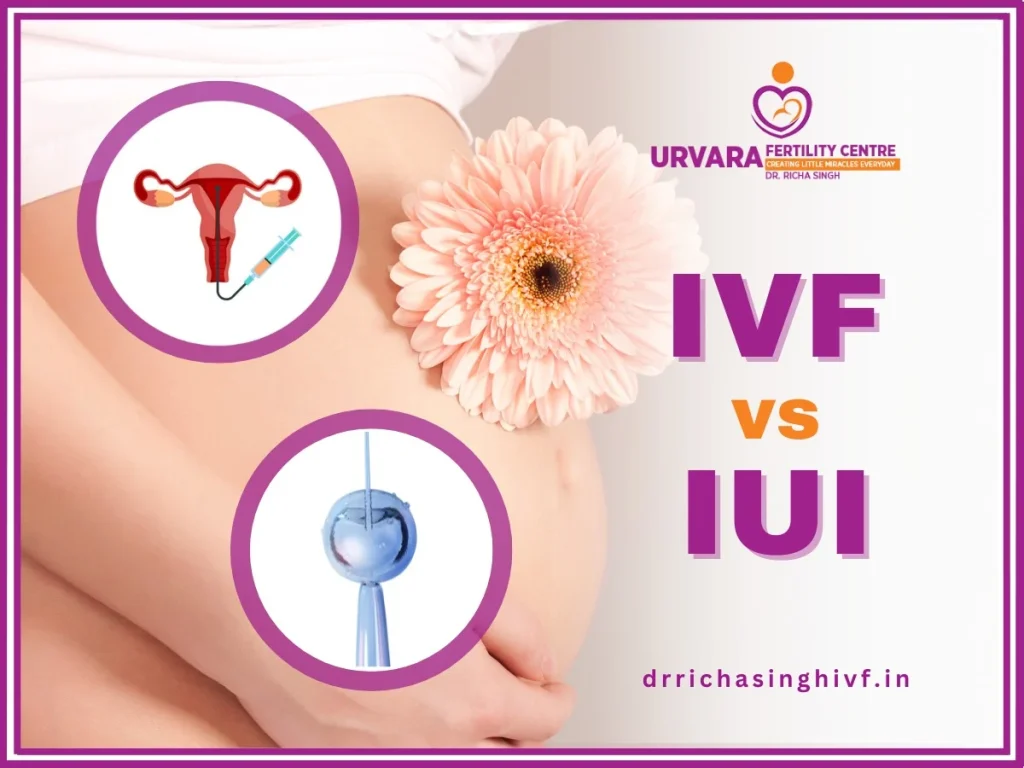
    IVF vs IUI comparison with illustrations of reproductive processes and a flower on a pregnant belly.

    The Financial Burden: Dealing with the Cost of Artificial Insemination and IVF

    Another option is to explore grants and financial assistance programs specifically for fertility treatments. These programs can provide financial aid to those who meet certain criteria, such as income level or medical diagnosis. Additionally, some fertility clinics offer payment plans or financing options to help make the cost more manageable.

    Dealing with the Emotional Impact
    The financial burden of artificial insemination and IVF can take a toll on a couple’s emotional well-being. It is not uncommon for couples to feel anxious, stressed, or even guilty about the cost of these treatments. It is essential to communicate openly with your partner and seek support from family and friends. Joining support groups or seeking counseling can also be beneficial in managing the emotional impact of the financial burden.

    Coping Strategies
    To cope with the financial burden of artificial insemination and IVF, it is crucial to have a plan in place. Start by setting a budget and researching the costs associated with the treatments. Be sure to explore all financial options and consider seeking advice from a financial advisor. It is also essential to prioritize your expenses and cut back on unnecessary expenses to save for the treatments.

    Additionally, consider alternatives to traditional IVF, such as mini-IVF or natural cycle IVF, which may be less expensive but still offer a chance of success. It is also important to have realistic expectations and understand that success rates may vary.

    In conclusion, the financial burden of artificial insemination and IVF can be overwhelming, but it is not impossible to manage. By understanding the costs, exploring financial options, and seeking emotional support, couples can navigate the financial burden and continue their journey towards parenthood.

    Summary:
    Infertility can be a challenging journey, and the cost of fertility treatments such as artificial insemination and IVF can add to the stress and emotional toll. In this blog post, we discussed the basics of these treatments, factors affecting the cost, and different financial options available. We also explored ways to cope with the financial burden and manage the emotional impact. By having a plan in place and seeking support, couples can navigate the financial burden and continue their pursuit of parenthood.

  • The Power of Choice: Why Some Couples Choose Artificial Insemination while Others Choose IVF

    Blog Post Title: The Power of Choice: Why Some Couples Choose Artificial Insemination while Others Choose IVF

    In the world of fertility treatments, there are two popular options for couples struggling to conceive: artificial insemination and in vitro fertilization (IVF). Both methods involve assisted reproductive technology (ART) and have proven to be successful in helping couples achieve their dream of having a child. However, the decision between artificial insemination and IVF is not an easy one. It often involves careful consideration of various factors such as medical needs, personal preferences, and financial constraints. In this blog post, we will explore the power of choice and the reasons why some couples choose artificial insemination while others opt for IVF.

    Understanding Artificial Insemination

    Artificial insemination is a form of ART where sperm is inserted directly into a woman’s reproductive tract to fertilize an egg. This procedure is usually recommended for couples who have difficulty conceiving due to male fertility issues, such as a low sperm count or poor sperm motility. It can also be used for single women or same-sex couples who wish to have a child.

    One of the main advantages of artificial insemination is its affordability compared to other fertility treatments. It is a relatively simple and inexpensive procedure, making it a popular choice for couples who may not have the financial means for more complex treatments like IVF.

    Another benefit of artificial insemination is that it can be done at home or in a clinic setting, depending on the couple’s preference. Home insemination involves collecting sperm from the male partner and using a syringe or a special kit to insert it into the woman’s reproductive tract. On the other hand, clinic insemination is done in a medical setting, where a doctor will insert the sperm into the woman’s cervix or uterus.

    Reasons Why Couples Choose Artificial Insemination

    1. Male Factor Infertility

    As mentioned earlier, artificial insemination is a suitable option for couples who have male fertility issues. It can be a less invasive and more cost-effective solution compared to other treatments like IVF, which may involve more complex procedures like sperm retrieval.

    2. No Underlying Fertility Issues

    Couples who have been trying to conceive for a while without success may opt for artificial insemination if there are no underlying fertility issues. This procedure can help increase the chances of fertilization by placing the sperm directly into the reproductive tract, bypassing any potential barriers.

    3. Personal Preferences

    Illustration of the uterus with a syringe, depicting the intrauterine insemination procedure.

    The Power of Choice: Why Some Couples Choose Artificial Insemination while Others Choose IVF

    Some couples may prefer artificial insemination over other fertility treatments because it feels more natural and intimate. It allows them to be more involved in the conception process and can also be done in the comfort of their own home.

    Understanding IVF

    IVF is a more complex and invasive procedure compared to artificial insemination. It involves fertilizing an egg with sperm in a laboratory and then transferring the resulting embryo into the woman’s uterus. This treatment is often recommended for couples who have been struggling to conceive due to various reasons, such as blocked fallopian tubes, endometriosis, or unexplained infertility.

    The IVF process typically involves multiple steps, including ovarian stimulation, egg retrieval, fertilization, and embryo transfer. It also requires close monitoring and frequent visits to the fertility clinic, making it a more time-consuming and costly procedure compared to artificial insemination.

    Reasons Why Couples Choose IVF

    1. Medical Necessity

    For couples with underlying medical conditions that affect their fertility, IVF may be the only option to conceive. Conditions such as endometriosis, polycystic ovary syndrome (PCOS), or blocked fallopian tubes can make it difficult for natural conception to occur. In such cases, IVF offers a higher chance of success.

    2. Advanced Age

    As women age, their fertility declines, making it more challenging to conceive naturally. IVF can help overcome age-related fertility issues by using donor eggs or a woman’s own frozen eggs from a younger age.

    3. Higher Success Rates

    While artificial insemination is a viable option for many couples, IVF has a higher success rate, especially for those with fertility issues. The chances of conceiving through IVF are around 40%, compared to only 10-20% for artificial insemination.

    In conclusion, the decision between artificial insemination and IVF ultimately depends on the individual circumstances and preferences of each couple. While artificial insemination may be a more affordable and intimate option, IVF offers higher success rates and is often the only solution for couples with underlying medical conditions. Both treatments have helped countless couples achieve their dream of having a child, showcasing the power of choice in the world of fertility treatments.

  • The Role of Education: How to Make Informed Decisions About Artificial Insemination and IVF

    Title: The Role of Education: How to Make Informed Decisions About Artificial Insemination and IVF

    In recent years, the advancements in medical technology have allowed for more options when it comes to fertility treatments. Artificial insemination and in vitro fertilization (IVF) are two commonly used methods for couples struggling to conceive. However, with these options come complex decisions that need to be made. It is essential to have a thorough understanding of these procedures and their implications to make informed decisions. In this blog post, we will explore the role of education in helping individuals and couples navigate the world of artificial insemination and IVF.

    The Basics of Artificial Insemination

    Artificial insemination is a fertility treatment that involves inserting sperm into a woman’s reproductive tract to facilitate fertilization. This can be done in two ways: intrauterine insemination (IUI) and intracervical insemination (ICI). IUI involves placing the sperm directly into the uterus, while ICI involves inserting the sperm into the cervix. This procedure is usually recommended for couples who have been trying to conceive for a year or more without success.

    The Role of Education in Artificial Insemination

    Before undergoing artificial insemination, it is vital to educate oneself about the process, its success rates, and potential risks. Understanding the procedure and its potential outcomes will help individuals and couples make an informed decision about whether it is the right option for them. It is also essential to consult with a fertility specialist who can provide personalized guidance and answer any questions or concerns.

    The Basics of In Vitro Fertilization (IVF)

    IVF is a more complex fertility treatment that involves fertilizing an egg with sperm in a laboratory setting and then transferring the resulting embryo into the uterus. This procedure is typically recommended for couples who have tried other fertility treatments without success, those with certain medical conditions, or same-sex couples. IVF is a multi-step process that requires a significant commitment of time and resources.

    diagram illustrating intrauterine insemination (IUI) procedure with uterus, sperm, and catheter labeled

    The Role of Education: How to Make Informed Decisions About Artificial Insemination and IVF

    The Role of Education in IVF

    IVF is a highly technical and expensive procedure, which makes it crucial to have a thorough understanding of the process and its implications. Educating oneself about the various stages of IVF, including egg retrieval, fertilization, and embryo transfer, can help individuals and couples prepare for the physical and emotional demands of the treatment. Additionally, understanding the potential risks, success rates, and costs of IVF can help individuals make an informed decision about whether it is the right option for them.

    The Importance of Counseling and Support

    Undergoing fertility treatments can be emotionally and mentally taxing for individuals and couples. It is essential to have access to counseling and support throughout the process. Fertility clinics often offer counseling services as part of their treatment plans, which can help individuals and couples cope with the stress and anxiety that may come with fertility treatments. Additionally, seeking support from family, friends, or online support groups can provide a much-needed outlet for individuals going through this journey.

    The Role of Education in Ethical Considerations

    In addition to understanding the physical and emotional aspects of fertility treatments, it is also crucial to educate oneself about the ethical considerations surrounding artificial insemination and IVF. This includes understanding the legal rights of both the donors and recipients, as well as the potential ethical implications of using donor sperm or eggs. It is important to consult with a medical professional and seek legal advice to ensure that all parties involved are fully informed and protected.

    Making Informed Decisions

    Ultimately, the decision to undergo artificial insemination or IVF is a personal one that should be made after careful consideration and education. It is essential to consult with a fertility specialist, gather information, and seek support throughout the process. By understanding the procedures, potential risks and success rates, ethical considerations, and the support available, individuals and couples can make informed decisions that are best for their unique situation.

    In summary, education plays a critical role in helping individuals and couples make informed decisions about artificial insemination and IVF. By understanding the procedures, success rates, potential risks, ethical considerations, and the support available, individuals can navigate this complex world of fertility treatments with confidence. It is essential to consult with medical professionals and seek support throughout the process to ensure the best possible outcome.