Blog Post: The Importance of Mental Health: Taking Care of Yourself During Artificial Insemination and IVF
The journey to starting a family can be filled with excitement, hope, and anticipation. But for many couples struggling with infertility, it can also be a rollercoaster of emotions, stress, and disappointment. As more and more couples turn to artificial insemination and IVF (in vitro fertilization) to conceive, it’s important to address the impact these procedures can have on mental health. In this blog post, we will discuss the importance of taking care of your mental health during artificial insemination and IVF and provide practical tips for managing the emotional toll of these procedures.
Understanding the Emotional Impact of Infertility
Infertility affects approximately 12% of couples in the United States, and for many, it can be a challenging and emotional journey. The inability to conceive naturally can lead to feelings of sadness, grief, and even guilt. It can also put a strain on relationships and cause feelings of isolation and shame.
When couples decide to pursue artificial insemination or IVF, it can bring a sense of hope and excitement. However, the process can also be physically and emotionally demanding, and the pressure to achieve a successful pregnancy can take its toll. It’s essential to recognize and address the emotional impact of infertility and fertility treatments to ensure your mental health is not neglected during this time.
The Emotional Toll of Artificial Insemination and IVF
Artificial insemination and IVF can be a physically and emotionally demanding process. The constant monitoring, injections, and procedures can take a toll on your body and mind. The emotional rollercoaster of hope and disappointment can also be challenging to navigate. Here are some common emotions that couples may experience during the artificial insemination and IVF process:
1. Anxiety: The uncertainty and fear of the unknown can lead to feelings of anxiety. Will the treatment work? Will there be any complications? These thoughts can consume your mind and cause physical symptoms like restlessness, difficulty sleeping, and irritability.
2. Depression: The constant disappointment and feelings of failure can lead to depression. The pressure to succeed and the emotional rollercoaster of artificial insemination and IVF can be overwhelming and draining.
3. Guilt: Many individuals struggling with infertility blame themselves for their inability to conceive. They may feel guilty for not being able to give their partner a child or feel like they are letting their family down.
4. Anger: It’s natural to feel angry when things don’t go according to plan. Couples may feel angry at themselves, their partner, or even their doctor for their struggles with infertility.
5. Grief: The inability to conceive can lead to feelings of grief, especially if you have experienced multiple failed attempts. It’s essential to allow yourself to grieve and seek support during this difficult time.
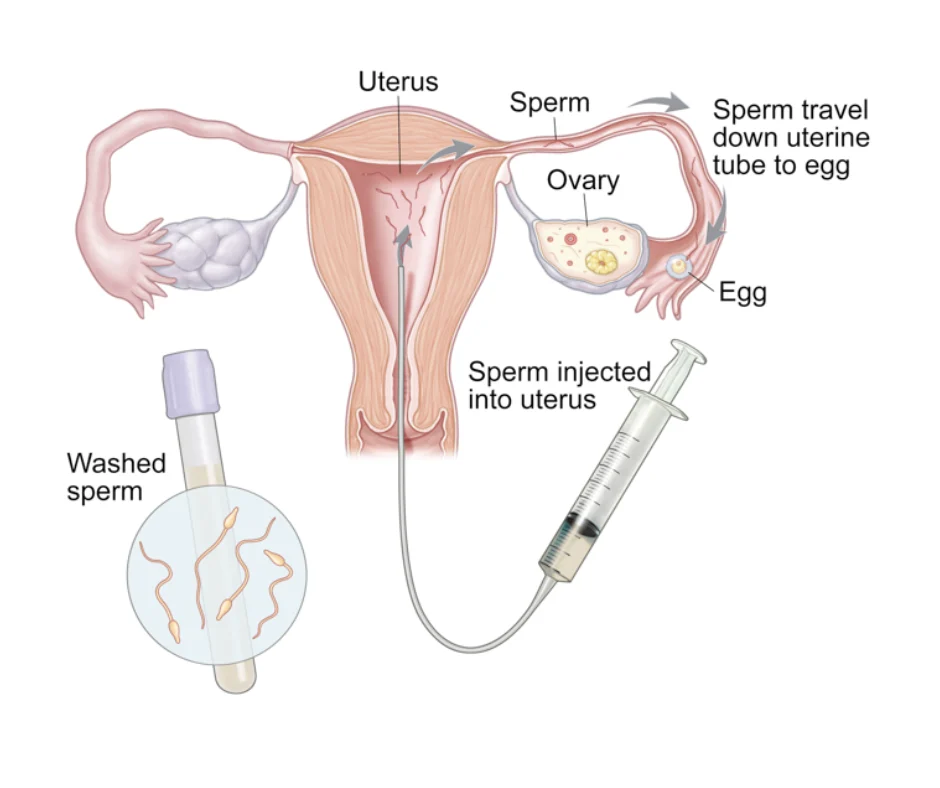
The Importance of Mental Health: Taking Care of Yourself During Artificial Insemination and IVF
6. Isolation: Many couples may feel isolated during the artificial insemination and IVF process. It can be challenging to explain to others what you’re going through, and you may feel like no one understands.
7. Stress: The constant monitoring, appointments, and procedures can be extremely stressful. It’s crucial to find ways to manage and reduce stress during this time.
Tips for Taking Care of Your Mental Health During Artificial Insemination and IVF
1. Seek Support: It’s essential to have a support system in place during this time. This may include your partner, family, friends, or a therapist who can provide a safe space for you to express your emotions.
2. Practice Self-Care: Taking care of yourself physically and mentally is crucial during the artificial insemination and IVF process. Make time for activities that bring you joy, relaxation, and stress relief.
3. Communicate With Your Partner: Open and honest communication with your partner is crucial during this time. Share your feelings, listen to each other, and support one another.
4. Educate Yourself: Understanding the process, success rates, and potential challenges of artificial insemination and IVF can help manage expectations and reduce stress. Ask your doctor for information and resources to help you navigate this journey.
5. Set Boundaries: It’s okay to say no to social events or other activities that may cause you stress or trigger negative emotions. Setting boundaries and prioritizing your mental health is essential during this time.
6. Practice Relaxation Techniques: Finding ways to relax and de-stress is crucial during artificial insemination and IVF. This may include deep breathing, meditation, yoga, or other activities that bring you peace and calm.
7. Seek Professional Help: If you’re struggling to cope with the emotional toll of artificial insemination and IVF, it’s essential to seek professional help. A therapist can provide you with the necessary tools and support to manage your emotions and improve your mental well-being.
Summary:
The journey to starting a family can be challenging, especially for couples struggling with infertility. The process of artificial insemination and IVF can take a toll on both physical and mental health. It’s essential to recognize and address the emotional impact of these procedures and take care of your mental health during this time. Seeking support, practicing self-care, communicating with your partner, and setting boundaries are all crucial for managing the emotional toll of artificial insemination and IVF. Remember to educate yourself, practice relaxation techniques, and seek professional help if needed. Taking care of your mental health during this journey is just as important as taking care of your physical health.