Blog Post: The Ultimate Goal: Achieving Parenthood with Artificial Insemination and IVF
Parenthood is a dream for many people, but for some, it may not come as easily as they hoped. Infertility, whether it is due to medical conditions or other factors, can be a frustrating and emotional journey. However, with advancements in technology and medicine, there are now more options available for those who want to become parents. Artificial insemination and in vitro fertilization (IVF) are two of the most commonly used methods for achieving parenthood. In this blog post, we will explore these methods and how they can help individuals and couples achieve their ultimate goal of becoming parents.
What is Artificial Insemination?
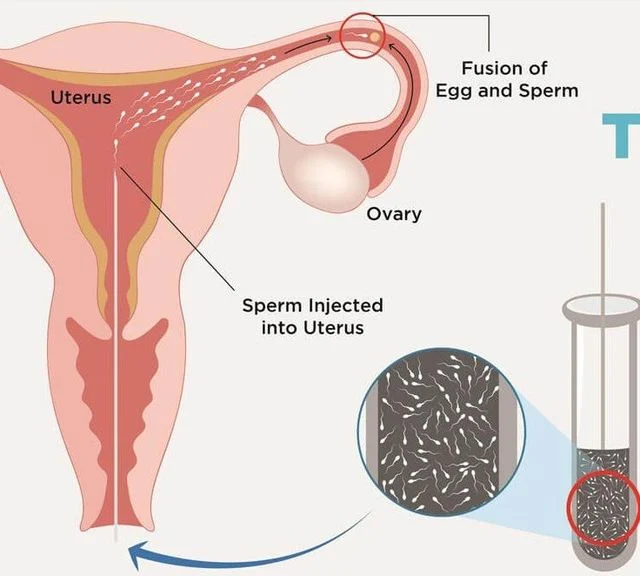
Artificial insemination, also known as intrauterine insemination (IUI), is a fertility treatment that involves placing sperm directly into a woman’s uterus to facilitate fertilization. This method is often used for couples who have trouble conceiving due to issues with sperm quality, cervical issues, or unexplained infertility. It can also be used for single women or same-sex couples who want to have a child.
The process of artificial insemination starts with the collection of sperm from the male partner or a sperm donor. The sperm is then washed and concentrated to increase the chances of fertilization. The sperm is then inserted into the woman’s uterus using a thin catheter, timed to coincide with ovulation. This procedure is relatively painless and does not require any anesthesia.
Success rates for artificial insemination vary depending on various factors such as the woman’s age, the quality of the sperm, and the reason for infertility. On average, the success rate ranges from 5-25%, with the highest chances of success being in the first three cycles of treatment.
What is IVF?
In vitro fertilization (IVF) is a more complex and invasive fertility treatment that involves fertilizing eggs with sperm outside of the body and then implanting the resulting embryo into the woman’s uterus. This method is often used for couples who have been trying to conceive for a long time without success, have blocked or damaged fallopian tubes, or have other fertility issues such as endometriosis or polycystic ovary syndrome (PCOS).
The process of IVF starts with the woman undergoing hormonal stimulation to produce multiple eggs, which are then retrieved through a minor surgical procedure known as egg retrieval. The eggs are then fertilized with sperm in a laboratory, and the resulting embryo is monitored for development. Once the embryo reaches a certain stage, it is transferred into the woman’s uterus, where it will hopefully implant and result in a pregnancy.
IVF success rates also vary depending on factors such as the woman’s age, the quality of the eggs and sperm, and the reason for infertility. On average, the success rate for IVF is around 30%, but this can increase with multiple cycles of treatment.
The Ultimate Goal: Achieving Parenthood with Artificial Insemination and IVF
The Benefits of Artificial Insemination and IVF
One of the main benefits of both artificial insemination and IVF is that they allow individuals and couples to achieve parenthood who may not have been able to do so otherwise. These methods also give individuals more control over their reproductive choices and allow them to start a family when they are ready.
Another benefit is that both artificial insemination and IVF have relatively low risks and are minimally invasive compared to other fertility treatments. This means that the recovery time is shorter, and the chances of complications are lower.
Moreover, both methods can be used with a sperm donor or an egg donor, giving individuals and couples more options for building their family. They can also be used in combination with other fertility treatments, such as preimplantation genetic testing, to increase the chances of a successful pregnancy.
The Emotional Impact of Artificial Insemination and IVF
While artificial insemination and IVF offer hope for achieving parenthood, the emotional toll of fertility treatments cannot be overlooked. For many individuals and couples, the journey to parenthood can be stressful, frustrating, and emotionally draining. The pressure to conceive and the disappointment of failed attempts can take a toll on one’s mental health.
It is essential for individuals and couples going through these treatments to seek emotional support and counseling to cope with the emotional rollercoaster that comes with fertility treatments. Having a strong support system can make a significant difference in managing the emotional impact and staying positive throughout the process.
In Conclusion
Artificial insemination and IVF have revolutionized the way we approach infertility and have given hope to many individuals and couples who dream of becoming parents. These methods offer a safe and effective way to achieve parenthood, but it is essential to remember that each person’s journey is unique, and there is no one-size-fits-all solution. With the right support and guidance, individuals and couples can navigate the emotional and physical challenges of these treatments and achieve their ultimate goal of becoming parents.
In summary, artificial insemination and IVF are two fertility treatments that offer hope to individuals and couples struggling with infertility. These methods have low risks, allow for more reproductive choices, and can be used with a sperm or egg donor. However, the emotional impact of these treatments should not be overlooked, and seeking support is crucial for managing the stress and staying positive throughout the process.