Blog Post:
Deciding to start a family is an exciting and emotional journey for couples. As they embark on this new chapter, they may face challenges and difficulties in conceiving a child. Fortunately, there are various fertility treatments available to help increase the chances of pregnancy. Two common options are Intrauterine Insemination (IUI) and Timed Intercourse. In this blog post, we will explore the differences between these two approaches and help you decide which one is right for you.
Intrauterine Insemination (IUI):
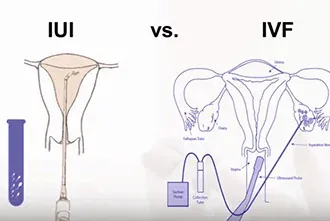
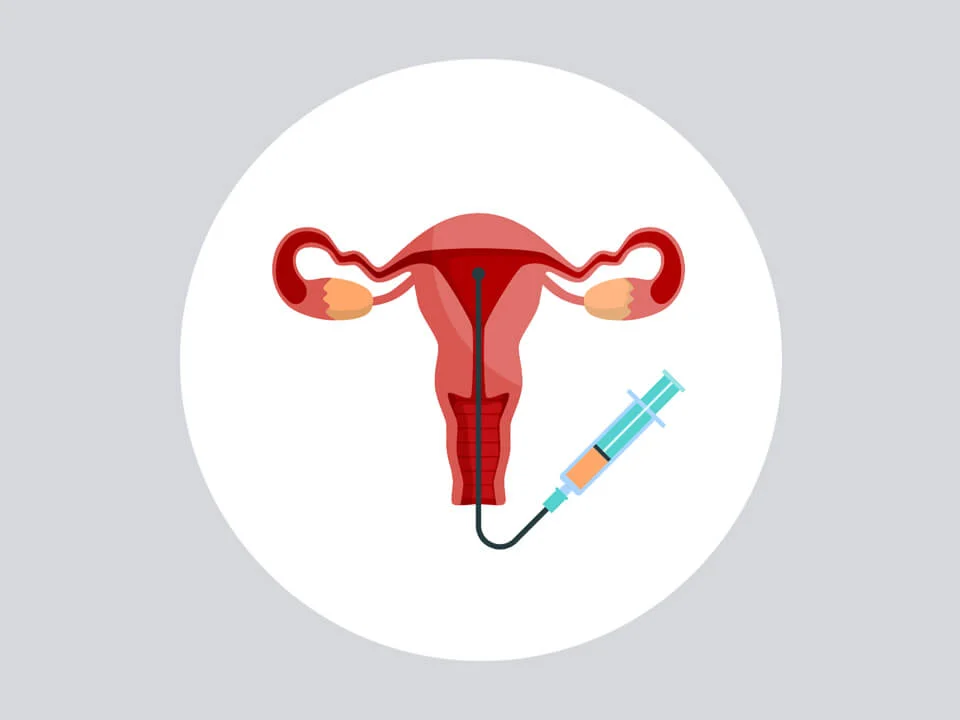
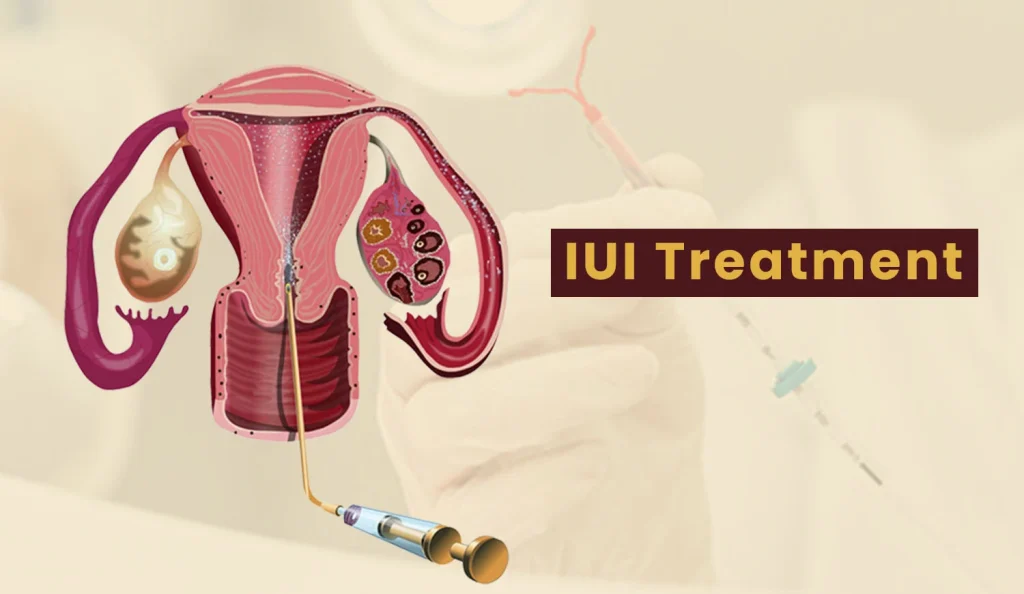
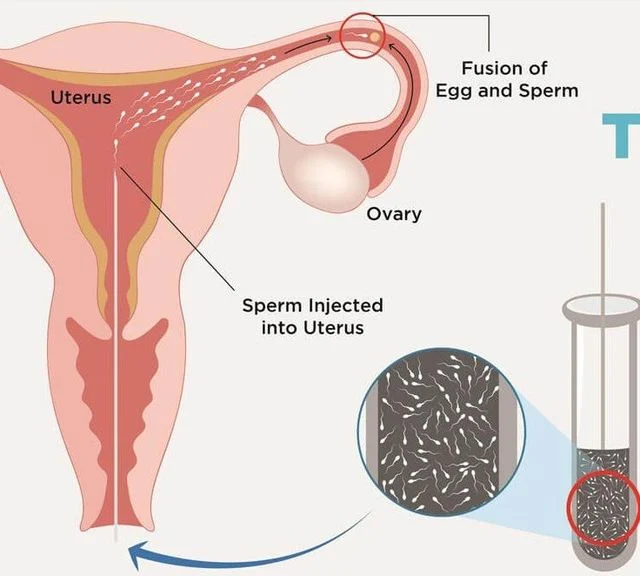
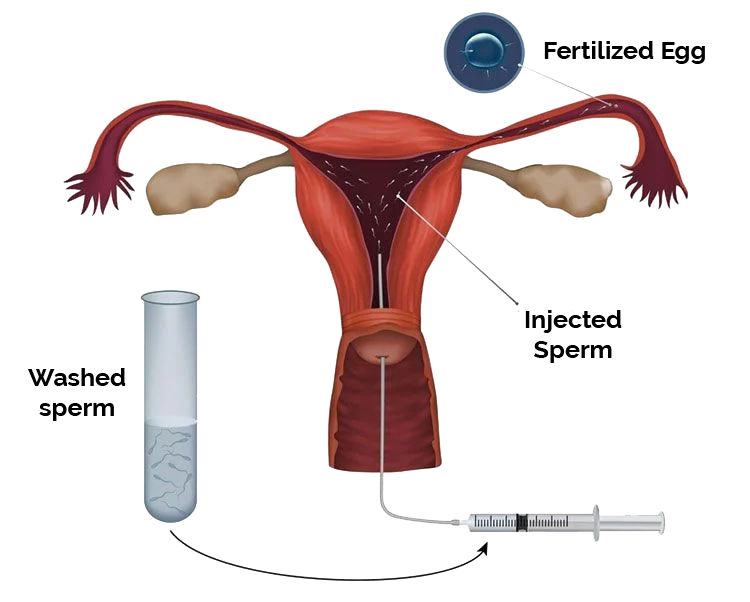
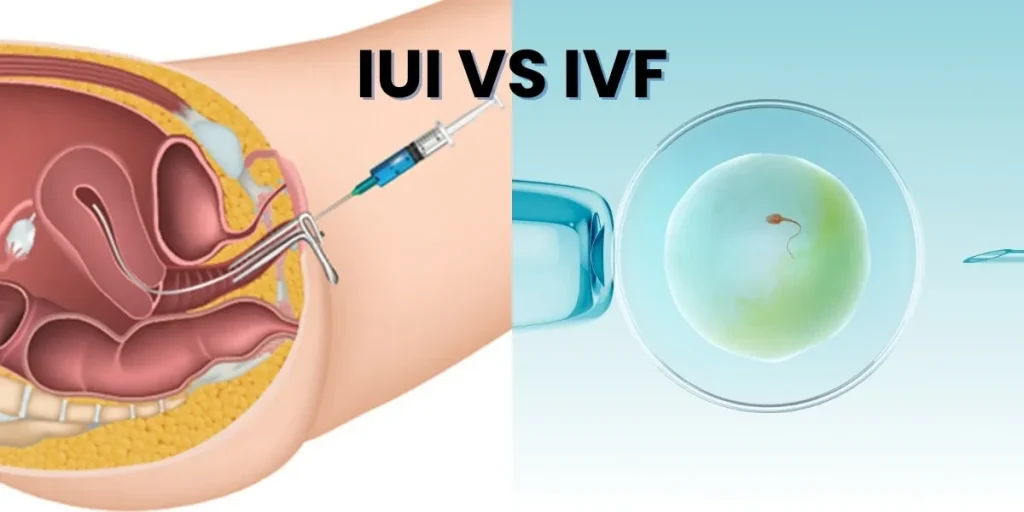
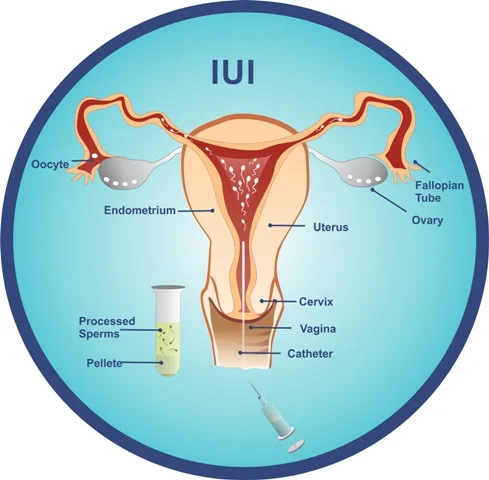
Intrauterine Insemination, also known as artificial insemination, is a fertility treatment that involves placing washed and prepared sperm directly into the uterus. This procedure is usually performed around the time of ovulation to increase the chances of the sperm reaching the egg and fertilizing it. IUI is typically recommended for couples with mild male factor infertility, unexplained infertility, or women with irregular ovulation.
The IUI process starts with the woman undergoing ovarian stimulation, which involves taking medication to stimulate the ovaries to produce multiple eggs. This is followed by monitoring of the follicles (where eggs develop) through ultrasounds and blood tests. Once the follicles are mature, a trigger shot is given to induce ovulation. The male partner then provides a semen sample, which is washed and prepared in the lab. The sperm is then inserted into the uterus using a catheter, and the woman is asked to lie down for about 15 minutes to allow the sperm to reach the fallopian tubes.
Pros of IUI:
1. Less invasive: IUI is a minimally invasive procedure that does not require any incisions or anesthesia.
2. Controlled timing: With IUI, the timing of insemination can be controlled, ensuring that the sperm is placed in the uterus at the best time for fertilization.
3. Increased sperm count: The washing process of the sperm before insemination can help increase the concentration of healthy sperm, increasing the chances of fertilization.
Cons of IUI:
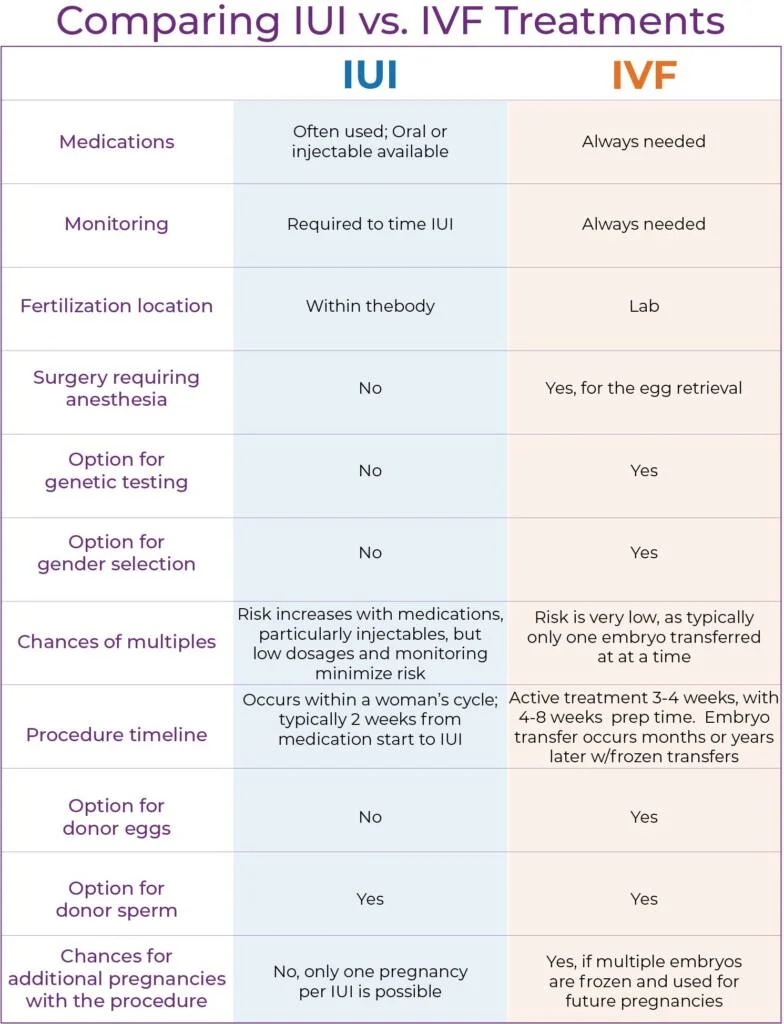
1. Lower success rates: The success rates of IUI are lower compared to other fertility treatments such as in vitro fertilization (IVF).
2. Limited to certain fertility issues: IUI is not recommended for couples with severe male factor infertility or blocked fallopian tubes.
3. Multiple births: IUI carries a risk of multiple pregnancies, which can lead to complications for both the mother and babies.
Timed Intercourse:
Intrauterine Insemination vs Timed Intercourse: Deciding Which Approach is Right for You
Timed Intercourse is a natural fertility treatment that involves having sexual intercourse around the time of ovulation. This method relies on natural conception and does not involve any medical intervention. Couples can track ovulation using methods such as ovulation predictor kits, basal body temperature charting, or monitoring cervical mucus changes.
Pros of Timed Intercourse:
1. Less expensive: Timed Intercourse is a more affordable option compared to other fertility treatments.
2. Natural: Some couples prefer this method as it is a more natural way of conceiving a child.
3. No side effects: Since there are no medications or medical procedures involved, there are no side effects to worry about.
Cons of Timed Intercourse:
1. Lack of control: Unlike IUI, the timing of intercourse cannot be precisely controlled, which may result in missed opportunities for conception.
2. Requires regular tracking: To increase the chances of success, couples need to track ovulation regularly, which can be time-consuming and stressful.
3. Limited to certain fertility issues: Timed Intercourse is not recommended for couples with severe male factor infertility or blocked fallopian tubes.
Which Approach is Right for You?
The decision between IUI and Timed Intercourse ultimately depends on the underlying cause of infertility, the couple’s personal preferences, and the recommendation of their fertility specialist. If the cause of infertility is unknown or mild male factor infertility, IUI may be the recommended option. However, if the couple prefers a more natural approach and has no serious fertility issues, they may opt for Timed Intercourse.
It is essential to have a thorough consultation with a fertility specialist to determine the best approach for your specific case. They will consider factors such as age, health, medical history, and previous fertility treatments to make the best recommendation.
In conclusion, both IUI and Timed Intercourse have their pros and cons, and there is no one-size-fits-all approach. It is crucial to consult with a fertility specialist and carefully consider your options before making a decision. With the right approach and support, couples struggling with infertility can increase their chances of starting a family.
Summary:
Intrauterine Insemination (IUI) and Timed Intercourse are two common fertility treatments that can help couples increase their chances of pregnancy. IUI involves placing washed and prepared sperm directly into the uterus, while Timed Intercourse relies on natural conception. The decision between the two approaches depends on the underlying cause of infertility, personal preferences, and the recommendation of a fertility specialist. Consultation with a specialist is crucial to determine the best approach for each individual case.