Tag: Conception

  • The Pros and Cons of At-Home Fertility Testing

    Blog Post Title: The Pros and Cons of At-Home Fertility Testing: Are They Worth the Convenience?

    In recent years, at-home fertility testing kits have gained popularity as a convenient and affordable option for couples trying to conceive. These tests allow individuals to check their reproductive hormone levels and determine their fertility potential without having to visit a doctor’s office. While they may seem like a convenient solution, there are both pros and cons to using at-home fertility testing. In this blog post, we will delve into the advantages and disadvantages of at-home fertility testing to help you make an informed decision.

    Pros:

    1. Convenience and Privacy
    One of the biggest advantages of at-home fertility testing is the convenience it offers. These kits can be ordered online or purchased over the counter at a pharmacy, eliminating the need for a doctor’s appointment. This is especially beneficial for individuals who may feel uncomfortable discussing their fertility concerns with a healthcare professional. At-home testing also allows for privacy, as some people may prefer to keep their fertility journey confidential.

    2. Affordability
    At-home fertility testing kits are significantly cheaper than traditional fertility testing done in a doctor’s office. While the cost may vary depending on the brand and type of test, they are generally more affordable than in-office testing. This makes it a more accessible option for individuals who may not have the financial means to undergo traditional fertility testing.

    3. Early Detection of Potential Issues
    Fertility testing can give individuals a better understanding of their reproductive health and identify any potential issues that may affect their ability to conceive. With at-home testing, individuals can monitor their hormone levels over time and detect any changes that may indicate a problem. This early detection can help individuals seek appropriate medical treatment and improve their chances of conceiving.

    4. Quick Results
    Unlike traditional fertility testing, which may take weeks to get results, at-home fertility tests provide quick and easy results. Most tests only require a small sample of urine or saliva, and results can be obtained within a few minutes. This can provide individuals with immediate reassurance or help them take necessary steps towards improving their fertility.
    IVF vs IUI comparison with illustrations of reproductive processes and a flower on a pregnant belly.

    The Pros and Cons of At-Home Fertility Testing

    Cons:

    1. Lack of Accuracy
    One of the significant drawbacks of at-home fertility testing is the lack of accuracy compared to traditional testing methods. While these tests may give individuals an idea of their fertility potential, they are not as accurate as tests conducted in a doctor’s office. In some cases, the results may be misleading, leading individuals to believe they have a fertility issue when they don’t or vice versa.

    2. Limited Information
    At-home fertility tests can only measure a few reproductive hormones, such as follicle-stimulating hormone (FSH) and luteinizing hormone (LH). These hormones are essential for fertility, but they do not provide a complete picture of an individual’s reproductive health. Traditional fertility testing, on the other hand, can measure a wider range of hormones and provide more detailed information about an individual’s fertility potential.

    3. Lack of Support and Guidance
    While at-home fertility testing offers convenience and privacy, it also means that individuals do not have access to medical professionals who can guide them through the process. In some cases, this lack of support and guidance can cause individuals to feel overwhelmed or anxious, especially if the test results are not what they were hoping for.

    4. False Sense of Security
    At-home fertility tests may give individuals a false sense of security, leading them to believe that their fertility is not an issue when it may be. These tests do not take into account other factors that may affect fertility, such as sperm quality or reproductive organ health. Relying solely on at-home fertility testing may delay individuals from seeking appropriate medical treatment if needed.

    Summary:

    At-home fertility testing offers convenience, affordability, and early detection of potential fertility issues. However, it may not be as accurate as traditional testing methods and lacks the support and guidance of medical professionals. It is essential to weigh the pros and cons and consider consulting with a doctor before making a decision on whether at-home fertility testing is the right option for you.

    SEO metadata:

  • Benefits of Using Natural Fertility Boosters During the Conception Process

    Blog Post Title: The Incredible Benefits of Using Natural Fertility Boosters During the Conception Process

    Summary:

    Conceiving a child is a beautiful and exciting journey for couples. However, for some, it may not be as easy as they hoped. Infertility affects millions of couples worldwide, and it can be a challenging and emotional experience. While there are medical treatments available, many are turning to natural fertility boosters to increase their chances of conception.

    Natural fertility boosters are plant-based supplements and natural remedies that have been used for centuries to support reproductive health. These boosters work by balancing hormones, improving egg and sperm quality, and creating a healthy environment for conception. In this blog post, we will discuss the benefits of using natural fertility boosters during the conception process.

    1. Improve Hormonal Balance

    Hormonal imbalances can greatly affect fertility in both men and women. In women, imbalances in estrogen and progesterone can lead to irregular menstrual cycles and ovulation, making it difficult to conceive. In men, imbalances in testosterone levels can lead to low sperm count and motility. Natural fertility boosters, such as maca root and evening primrose oil, have been shown to regulate hormone levels and improve fertility in both men and women.

    2. Increase Egg and Sperm Quality

    The quality of eggs and sperm is crucial for successful conception. As we age, our egg and sperm quality naturally decline, making it harder to conceive. However, natural fertility boosters, like CoQ10 and vitamin E, have been found to improve egg and sperm quality. CoQ10 is a powerful antioxidant that can help protect the eggs and sperm from damage, while vitamin E can improve sperm motility and morphology.

    3. Reduce Stress and Anxiety

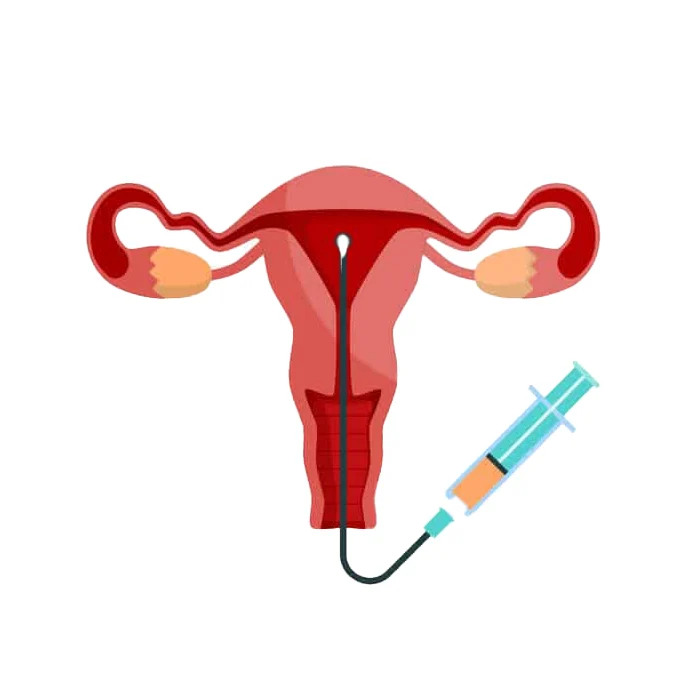
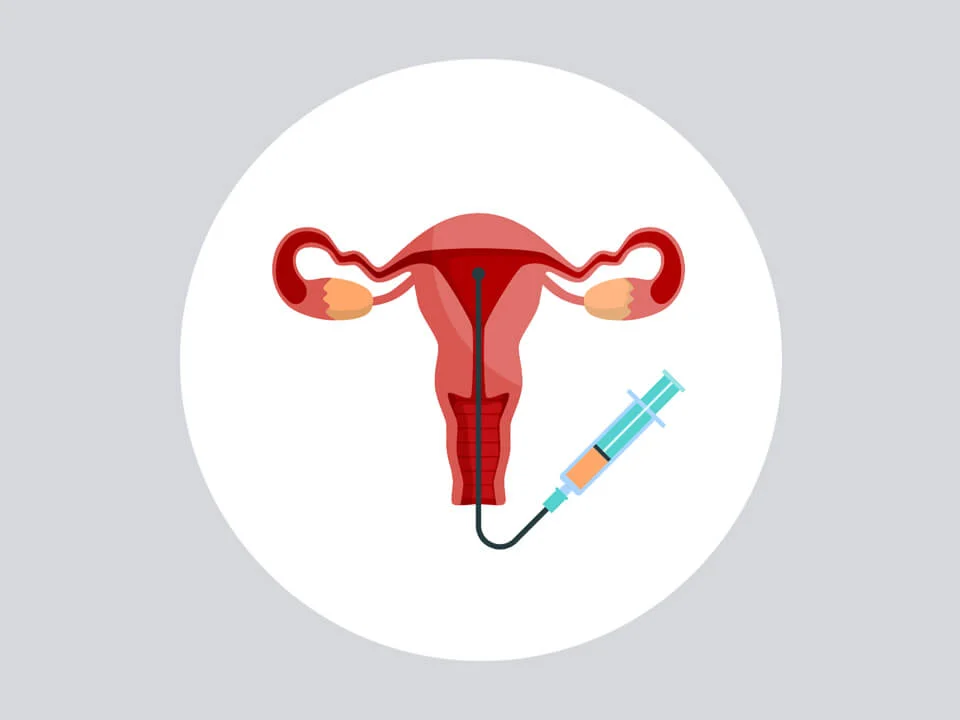
    Illustration of intrauterine insemination (IUI) procedure with syringe and catheter in the uterus.

    Benefits of Using Natural Fertility Boosters During the Conception Process

    Stress and anxiety can have a significant impact on fertility. When the body is under stress, it produces cortisol, a hormone that can interfere with the production of reproductive hormones. This can lead to irregular ovulation and menstrual cycles in women and low sperm count in men. Natural fertility boosters, such as ashwagandha and holy basil, have been used for centuries to reduce stress and anxiety levels, promoting a more relaxed and fertile state.

    4. Support a Healthy Reproductive System

    The reproductive system is complex and requires proper nutrition and support to function optimally. Natural fertility boosters, like red raspberry leaf and nettle leaf, are rich in essential vitamins and minerals that support the reproductive system. These herbs can improve uterine health and increase blood flow to the reproductive organs, creating a more fertile environment for conception.

    5. No Side Effects

    One of the greatest benefits of using natural fertility boosters is that they have little to no side effects. Unlike medical treatments that can have adverse effects on the body, natural fertility boosters are gentle and safe to use. However, it is essential to consult with a healthcare professional before incorporating any new supplements into your routine, especially if you are taking any medications.

    6. Cost-Effective

    Another advantage of using natural fertility boosters is that they are cost-effective compared to medical treatments. Many fertility treatments can be expensive and may not be covered by insurance. On the other hand, natural fertility boosters are affordable and can be easily incorporated into your daily routine.

    7. Can be Used in Conjunction with Medical Treatments

    While natural fertility boosters are a great alternative to medical treatments, they can also be used in conjunction with them. Some studies have shown that combining natural fertility boosters with medical treatments, such as IVF, can improve the success rates of conception. However, it is crucial to consult with a healthcare professional before combining any supplements with medical treatments.

    In conclusion, using natural fertility boosters during the conception process can have many benefits for couples struggling with infertility. These boosters can help balance hormones, improve egg and sperm quality, reduce stress and anxiety, support a healthy reproductive system, and have little to no side effects. They are also cost-effective and can be used alongside medical treatments. If you are trying to conceive, incorporating natural fertility boosters into your routine may increase your chances of a successful pregnancy.

  • Natural Supplements to Enhance Fertility Without Injections

    Blog Post: Natural Supplements to Enhance Fertility Without Injections

    Infertility affects millions of people around the world, and many couples struggle with conceiving a child. While there are various medical interventions available, such as fertility injections, they can be expensive and come with potential risks. Fortunately, there are natural supplements that can help enhance fertility without the need for injections. In this blog post, we will discuss the top natural supplements that have been shown to improve fertility and increase the chances of conception.

    1. Maca Root
    Maca root is a popular natural supplement that has been used for centuries to improve fertility. It is a plant native to Peru and is believed to balance hormones in both men and women, which can help with fertility issues. Maca root is also rich in antioxidants, vitamins, and minerals, making it a great overall supplement for reproductive health. Studies have shown that maca root can improve sperm quality and quantity in men and regulate ovulation in women.

    2. Vitex
    Vitex, also known as chasteberry, is a herb that has been traditionally used to treat reproductive issues in women. It works by balancing hormones, specifically increasing levels of progesterone and decreasing levels of estrogen. This can help regulate ovulation and improve the chances of conceiving. Vitex has also been shown to improve symptoms of polycystic ovary syndrome (PCOS), a common cause of infertility in women.

    3. CoQ10
    Coenzyme Q10, or CoQ10, is an antioxidant that plays a vital role in energy production and cell growth. It is found in every cell of the body and is essential for reproductive health. CoQ10 has been shown to improve sperm quality and motility in men, as well as egg quality in women. It can also help protect the eggs and sperm from damage caused by free radicals.

    4. Omega-3 Fatty Acids
    Omega-3 fatty acids, found in fish oil and flaxseed oil, are essential for reproductive health. They help regulate hormones, improve blood flow to the reproductive organs, and reduce inflammation. Studies have shown that omega-3 fatty acids can improve sperm quality and increase the chances of ovulation in women. They have also been linked to a lower risk of miscarriage and preterm birth.

    5. Zinc
    Zinc is an essential mineral that plays a crucial role in fertility. It is involved in the production of hormones and is necessary for sperm development and maturation. Low levels of zinc have been linked to infertility in both men and women. Studies have shown that zinc supplementation can improve sperm quality and increase sperm count in men. In women, zinc can help regulate the menstrual cycle and improve egg quality.

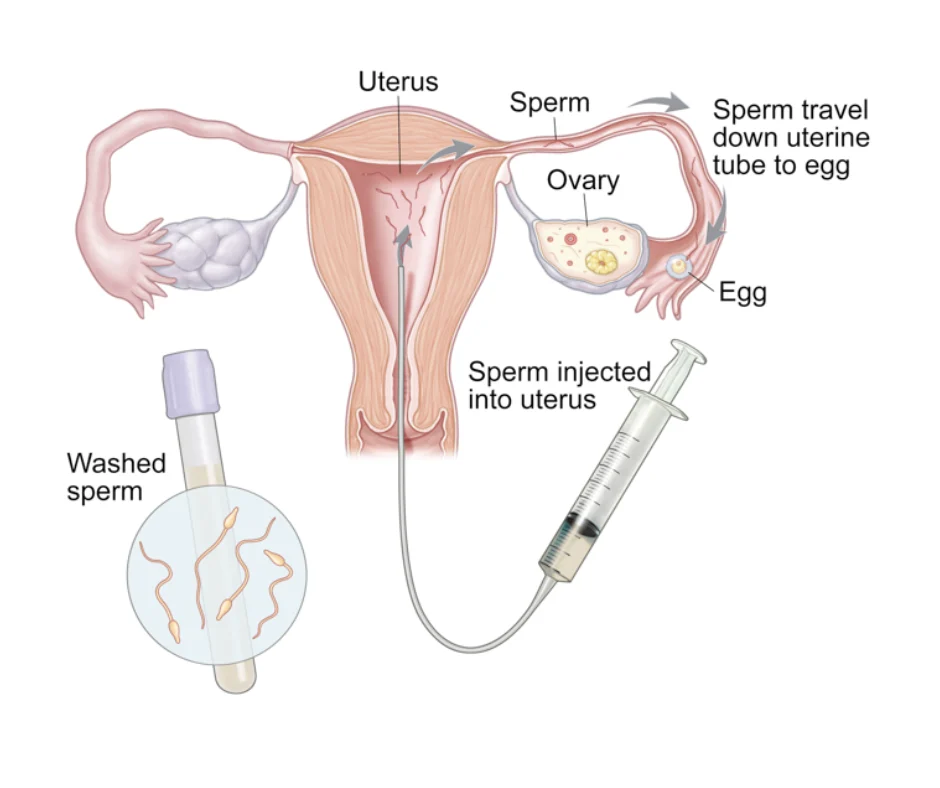
    diagram illustrating intrauterine insemination process, showing sperm injection into the uterus and egg fertilization pathway

    Natural Supplements to Enhance Fertility Without Injections

    6. Vitamin D
    Vitamin D deficiency has been linked to infertility in both men and women. It plays a role in regulating hormones and is essential for the development of healthy sperm and eggs. Studies have shown that vitamin D supplementation can improve sperm quality and increase the chances of conception in both men and women. It can also help improve the success rates of fertility treatments.

    7. L-arginine
    L-arginine is an amino acid that is essential for sperm production and maturation. It also helps improve blood flow to the reproductive organs, which can enhance fertility. Studies have shown that l-arginine supplementation can improve sperm motility and increase the chances of conception. It has also been linked to better outcomes in fertility treatments.

    8. Ashwagandha
    Ashwagandha is an adaptogenic herb that has been used in Ayurvedic medicine for centuries. It helps the body adapt to stress and has been shown to regulate hormones and improve reproductive health. Studies have shown that ashwagandha can improve sperm quality and motility in men. In women, it can help regulate the menstrual cycle and improve ovulation.

    9. N-acetyl-cysteine (NAC)
    NAC is an antioxidant that helps the body produce glutathione, a powerful antioxidant that protects the eggs and sperm from damage. It has been shown to improve sperm quality and increase the chances of conception. NAC can also help with conditions such as PCOS and endometriosis, which can cause infertility.

    10. Ginseng
    Ginseng is a popular herb that has been used in traditional Chinese medicine for its many health benefits. It has been shown to improve sperm quality and increase testosterone levels in men. In women, ginseng can help regulate the menstrual cycle and improve ovulation.

    In conclusion, there are many natural supplements that can help enhance fertility without the need for injections. These supplements work by balancing hormones, improving blood flow, and protecting the eggs and sperm from damage. However, it is essential to consult with a healthcare professional before adding any supplements to your routine, especially if you are currently undergoing fertility treatments. With the right combination of natural supplements, you can increase your chances of conceiving and start your journey towards parenthood.

    Summary: Infertility is a common issue that affects many couples, and while there are medical interventions available, they can be expensive and risky. Fortunately, there are natural supplements that can help enhance fertility without injections. These include maca root, vitex, CoQ10, omega-3 fatty acids, zinc, vitamin D, L-arginine, ashwagandha, NAC, and ginseng. These supplements work by balancing hormones, improving blood flow, and protecting the eggs and sperm from damage. It is important to consult with a healthcare professional before adding any supplements to your routine.

  • Navigating the Decision: Choosing Between Injections and Natural Fertility Boosters

    Navigating the Decision: Choosing Between Injections and Natural Fertility Boosters

    Deciding to start a family is an exciting and life-changing decision. For couples struggling with fertility issues, the journey to parenthood can be filled with many challenges and difficult decisions. One of the biggest decisions couples face is whether to use injections or natural fertility boosters to increase their chances of conception. While both options have their own pros and cons, it can be overwhelming to navigate through all the information and opinions out there. In this blog post, we will explore the differences between injections and natural fertility boosters and provide guidance on how to make the best decision for your fertility journey.

    Understanding Injections

    Injections, also known as fertility medications, are prescribed by doctors to stimulate ovulation in women or increase sperm production in men. These medications are typically used in conjunction with assisted reproductive technologies such as intrauterine insemination (IUI) or in vitro fertilization (IVF). Injections can be administered through subcutaneous or intramuscular injections and can be self-administered or given by a healthcare professional.

    Pros of Injections:

    1. Controlled and Monitored Process: Injections are prescribed and monitored by a doctor, ensuring that the dosage and timing are tailored to each individual’s needs. This can increase the chances of success and minimize any potential risks.

    2. Higher Success Rates: Injections combined with assisted reproductive technologies have shown higher success rates compared to natural methods alone.

    3. Quick Results: Injections can stimulate ovulation in a relatively short period of time, making it a popular choice for couples who are in a hurry to conceive.

    Cons of Injections:

    1. Costly: Injections can be expensive, especially when combined with assisted reproductive technologies. The cost can add up quickly, making it a barrier for some couples who cannot afford it.

    2. Side Effects: Some common side effects of injections include bloating, headaches, hot flashes, and mood swings. These side effects can be uncomfortable and may affect a person’s daily life.

    3. Potential Health Risks: Like any medication, injections come with potential risks. These may include multiple pregnancies, ovarian hyperstimulation syndrome, and ovarian cysts.

    Understanding Natural Fertility Boosters

    Natural fertility boosters, also known as alternative or complementary fertility treatments, are non-invasive methods used to improve fertility. These methods focus on improving overall health and wellness, leading to a more balanced and fertile body. Some common natural fertility boosters include acupuncture, herbal supplements, and lifestyle changes.

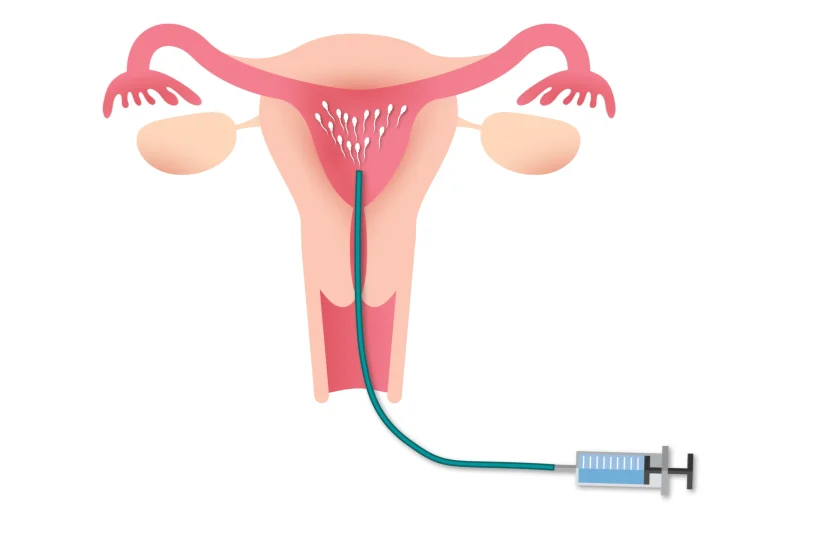
    diagram of a uterus with a syringe for intrauterine insemination procedure

    Navigating the Decision: Choosing Between Injections and Natural Fertility Boosters

    Pros of Natural Fertility Boosters:

    1. Holistic Approach: Natural fertility boosters take a holistic approach to fertility, focusing on improving overall health and wellness. This can address underlying issues that may be affecting fertility and improve the chances of conception.

    2. Cost-Effective: Natural fertility boosters are generally more affordable than injections and assisted reproductive technologies.

    3. Fewer Side Effects: Since natural fertility boosters are non-invasive, the risk of side effects is significantly lower compared to injections.

    Cons of Natural Fertility Boosters:

    1. Lack of Regulation: Unlike injections, natural fertility boosters are not regulated by the FDA. This means that the quality and safety of these products may vary.

    2. May Not Be Effective for Everyone: Natural fertility boosters may not work for everyone. It can be a trial-and-error process to find the right method that works for each individual.

    3. Takes Time: Unlike injections, natural fertility boosters may take longer to show results. It may require more patience and dedication to see changes in fertility.

    Making the Decision

    When it comes to choosing between injections and natural fertility boosters, there is no one-size-fits-all solution. Each individual’s fertility journey is unique, and what works for one couple may not work for another. The decision ultimately depends on personal preferences, budget, and medical advice.

    Some couples may choose to combine both methods to increase their chances of conception. For example, using natural fertility boosters to improve overall health and wellness while also undergoing injections and assisted reproductive technologies. It is important to discuss all options with a healthcare professional and make an informed decision based on individual needs.

    In conclusion, the decision to choose between injections and natural fertility boosters can be a daunting one. It is essential to have open and honest communication with your partner and healthcare provider to determine the best approach for your fertility journey. Whether you choose injections, natural fertility boosters, or a combination of both, remember to be patient and stay positive throughout the process.

    Summary:

    Choosing between injections and natural fertility boosters can be a challenging decision for couples struggling with fertility issues. Injections, also known as fertility medications, are prescribed by doctors to stimulate ovulation, while natural fertility boosters focus on improving overall health and wellness. Both options have their own pros and cons, and the decision ultimately depends on personal preferences, budget, and medical advice. It is important to have open communication with a healthcare professional and to stay positive throughout the process, no matter which option is chosen.

  • Surprising Foods That Can Boost Fertility Naturally

    Blog Post:

    When it comes to increasing fertility, many people turn to medical interventions and treatments. However, what most people don’t realize is that one’s diet can play a crucial role in boosting fertility naturally. Certain foods contain nutrients and compounds that can help improve reproductive health and increase the chances of conception. In this blog post, we will explore some surprising foods that can boost fertility and how they can be incorporated into your daily meals.

    1. Avocado

    Avocado is a superfood that is packed with essential vitamins and minerals such as vitamin E, vitamin C, folate, and potassium. These nutrients are not only beneficial for overall health but also for fertility. Vitamin E helps improve sperm quality and motility, while vitamin C can increase cervical mucus production, making it easier for sperm to reach the egg. Folate is essential for fetal development, and potassium helps regulate blood pressure, which is crucial for maintaining a healthy pregnancy. Adding avocado to your diet can help improve both male and female fertility.

    2. Oysters

    Oysters are known as an aphrodisiac, but they also have fertility-boosting properties. They are an excellent source of zinc, a mineral that is essential for reproductive health. Zinc helps with hormone regulation, sperm production, and egg development. It is also crucial for maintaining a healthy menstrual cycle. Oysters also contain high levels of vitamin B12, which can help regulate ovulation and improve sperm quality. So, if you and your partner are trying to conceive, don’t shy away from indulging in some oysters.

    3. Garlic

    Garlic is a staple ingredient in many dishes, and it also has numerous health benefits. It is rich in antioxidants and has anti-inflammatory properties. But what many people don’t know is that garlic can also help boost fertility. It contains allicin, a compound that can help improve blood flow to the reproductive organs. This increased blood flow can promote healthy ovulation and sperm production. Garlic is also believed to have anti-estrogenic properties, which can be beneficial for women with high estrogen levels, a common cause of infertility.

    4. Maca Root

    Maca root is a popular fertility-boosting food in traditional medicine. It is a root vegetable native to Peru and is considered an adaptogen, meaning it can help the body cope with stress. Stress is known to have a negative impact on fertility, and maca root can help reduce stress levels, making it easier to conceive. It is also rich in iron and iodine, which are essential for hormone production and thyroid function, respectively. Maca root can be added to smoothies, baked goods, or taken as a supplement.

    5. Pumpkin Seeds

    Pumpkin seeds are a nutritional powerhouse, packed with essential vitamins and minerals. They are an excellent source of zinc, which, as mentioned earlier, is essential for reproductive health. Pumpkin seeds also contain high levels of omega-3 fatty acids, which can help regulate hormone levels and improve sperm quality. They are also rich in vitamin E, which can help with egg development and improve sperm motility. Adding pumpkin seeds to your diet can be a simple and tasty way to boost fertility.

    Illustration of intrauterine insemination (IUI) procedure with syringe and catheter in the uterus.

    Surprising Foods That Can Boost Fertility Naturally

    6. Dark Leafy Greens

    Dark leafy greens like spinach, kale, and collard greens are rich in folate, a B vitamin that is crucial for fetal development. Folate deficiency has been linked to infertility and miscarriage, making it essential for women who are trying to conceive. These greens are also rich in iron, which helps with blood flow and oxygen transport to the reproductive organs. They are also a good source of calcium, which is necessary for maintaining a healthy reproductive system. Incorporating dark leafy greens into your diet can help improve fertility and overall health.

    7. Berries

    Berries are known for their high antioxidant content, making them beneficial for overall health. But they also have specific benefits for fertility. Berries are rich in vitamin C, which is essential for increasing cervical mucus production and promoting sperm survival. They also contain high levels of folic acid, which, as mentioned earlier, is crucial for fetal development. Berries are also a good source of fiber, which can help regulate hormone levels and improve insulin resistance, a common cause of infertility.

    8. Salmon

    Salmon is a fatty fish that is rich in omega-3 fatty acids, which have numerous health benefits. These fatty acids can help regulate hormone levels, improve blood flow, and reduce inflammation. All of these factors can contribute to improved fertility. Salmon also contains high levels of vitamin D, which is essential for hormone production and is linked to ovulation and sperm quality. Adding salmon to your diet a few times a week can be a delicious way to boost fertility.

    9. Lentils

    Lentils are a great plant-based source of protein and are rich in iron, folate, and fiber. As mentioned earlier, these nutrients are crucial for reproductive health. Iron helps with blood flow and oxygen transport, while folate is essential for fetal development. Fiber can help regulate hormone levels and improve overall reproductive health. Lentils are also a good source of complex carbohydrates, which can help regulate insulin levels and promote healthy ovulation. They can be added to soups, salads, or made into a delicious lentil curry.

    10. Water

    Last but certainly not least, water is essential for fertility. Staying hydrated is crucial for maintaining a healthy reproductive system. It helps with blood flow, hormone production, and egg and sperm quality. Dehydration can lead to thickened cervical mucus, making it difficult for sperm to reach the egg. It can also cause irregular menstrual cycles and hormonal imbalances. It is recommended to drink at least eight glasses of water a day, and even more if you are trying to conceive.

    In conclusion, fertility-boosting foods are not limited to certain fruits and vegetables. Surprisingly, foods like avocado, oysters, garlic, and water can also play a crucial role in improving fertility. By incorporating these foods into your diet, you can not only improve your chances of conception but also enhance your overall health and well-being.

    Summary:

    In this blog post, we discussed 10 surprising foods that can boost fertility naturally. These include avocado, oysters, garlic, maca root, pumpkin seeds, dark leafy greens, berries, salmon, lentils, and water. These foods contain essential nutrients and compounds that can help improve reproductive health, increase sperm and egg quality, and regulate hormone levels. By incorporating these foods into your diet, you can improve your chances of conception and enhance your overall health and well-being.

  • How to Naturally Boost Fertility: Tips and Tricks

    Blog Post:

    Fertility is a natural process of the human body that allows individuals to conceive and bear children. However, many couples struggle with infertility, which can be a stressful and overwhelming experience. While medical interventions are available, there are also natural ways to boost fertility that can improve the chances of conception. In this blog post, we will discuss some effective tips and tricks to naturally boost fertility.

    1. Maintain a Healthy Weight

    Being overweight or underweight can affect hormone levels and disrupt the natural fertility process. It is essential to maintain a healthy weight to improve fertility. Overweight women tend to produce excess estrogen, which can interfere with ovulation. On the other hand, underweight women may have irregular periods or stop ovulating altogether. Therefore, it is crucial to maintain a healthy weight by eating a balanced diet and exercising regularly.

    2. Eat Nutritious Foods

    A well-balanced and nutritious diet is crucial for maintaining good overall health and boosting fertility. Foods rich in antioxidants, such as fruits and vegetables, can help improve egg quality and sperm count. Including healthy fats, such as avocados and nuts, in your diet can also help balance hormone levels. Additionally, consuming foods high in folic acid, iron, and zinc can improve fertility in both men and women.

    3. Reduce Stress Levels

    Stress can significantly impact fertility by disrupting hormone production and ovulation. It is essential to find ways to manage stress and relax, such as practicing yoga, meditation, or deep breathing exercises. Taking breaks from work, spending time with loved ones, and engaging in enjoyable activities can also help reduce stress levels and improve fertility.

    4. Get Enough Sleep

    Getting enough sleep is crucial for maintaining hormone balance and overall health. Lack of sleep can lead to hormonal imbalances, which can affect the menstrual cycle and ovulation. Aim for at least 7-9 hours of sleep per night to promote fertility.

    5. Quit Smoking and Limit Alcohol Intake

    Smoking and excessive alcohol consumption can negatively impact fertility in both men and women. Smoking can affect egg and sperm quality, while alcohol can disrupt hormone production and ovulation. It is best to quit smoking and limit alcohol intake to increase the chances of conceiving.

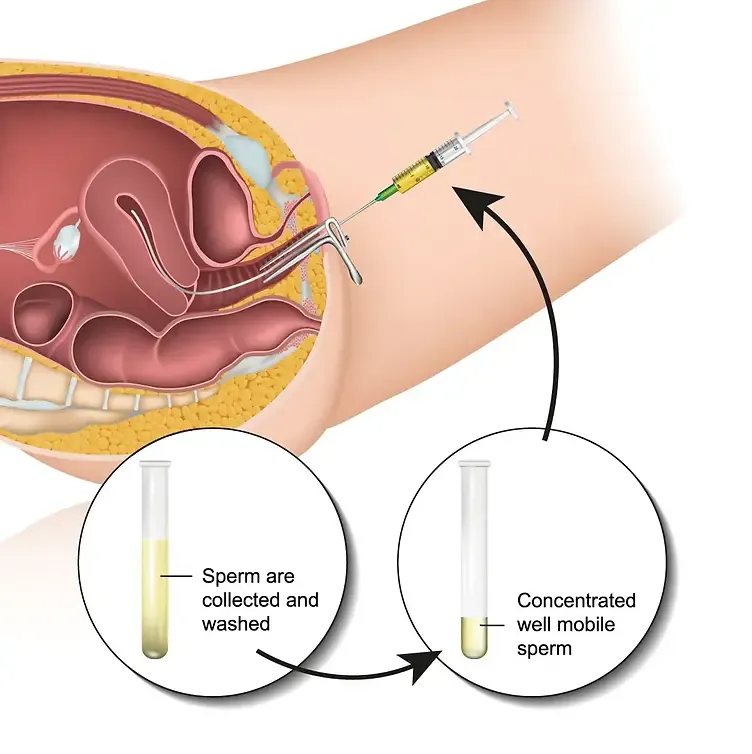
    Illustration of intrauterine insemination process, showing sperm collection and injection into the uterus.

    How to Naturally Boost Fertility: Tips and Tricks

    6. Exercise Regularly

    Regular physical activity can help maintain a healthy weight, reduce stress, and improve overall health, all of which can contribute to boosting fertility. However, excessive exercise can also have a negative impact on fertility. It is essential to find a balance and avoid intense and rigorous workouts.

    7. Consider Herbal Supplements

    There are many herbal supplements available that claim to improve fertility. Some popular ones include maca root, chasteberry, and evening primrose oil. While there is limited scientific evidence to support their effectiveness, some studies suggest that these supplements may have a positive impact on fertility. It is best to consult with a healthcare professional before taking any herbal supplements, as they may interact with other medications or have side effects.

    8. Monitor Ovulation

    Tracking your menstrual cycle and monitoring ovulation can help identify the most fertile days for conception. There are various methods to track ovulation, such as using ovulation predictor kits, charting basal body temperature, or keeping track of changes in cervical mucus. Knowing when you are most likely to ovulate can increase the chances of conception.

    9. Have Regular Sex

    Having regular sex, especially during the most fertile days of the menstrual cycle, can improve the chances of conceiving. It is recommended to have sex every 2-3 days throughout the cycle to ensure sperm is present when ovulation occurs.

    10. Seek Help from a Fertility Specialist

    If you have been trying to conceive for over a year without success, it is best to consult with a fertility specialist. They can perform tests to identify any underlying issues and provide personalized treatment options to help you conceive.

    In conclusion, there are many natural ways to boost fertility, such as maintaining a healthy weight, eating nutritious foods, managing stress levels, getting enough sleep, quitting smoking and limiting alcohol intake, exercising regularly, considering herbal supplements, monitoring ovulation, and having regular sex. By incorporating these tips and tricks into your lifestyle, you can improve your chances of conceiving and start your journey towards parenthood.

    Summary:

    Infertility is a common struggle for many couples, but there are natural ways to boost fertility. Maintaining a healthy weight, eating nutritious foods, managing stress levels, getting enough sleep, quitting smoking and limiting alcohol intake, exercising regularly, considering herbal supplements, monitoring ovulation, and having regular sex are all effective tips and tricks to promote fertility. It is also essential to seek help from a fertility specialist if needed. By following these natural methods, you can improve your chances of conceiving and start your journey towards parenthood.

  • The Science Behind Hormone Injections and Natural Fertility Boosters

    Blog Post: The Science Behind Hormone Injections and Natural Fertility Boosters

    Introduction:

    Infertility affects millions of people around the world, and it can be a frustrating and heartbreaking experience for couples trying to conceive. In recent years, the use of hormone injections and natural fertility boosters has become increasingly popular as a way to address fertility issues. But what is the science behind these methods? In this blog post, we will explore the mechanisms behind hormone injections and natural fertility boosters and how they can help increase the chances of conceiving.

    Hormone Injections:

    Hormone injections, also known as fertility drugs, are synthetic hormones that are used to stimulate the ovaries and induce ovulation. There are different types of hormone injections, but the most commonly used ones are follicle-stimulating hormone (FSH) and luteinizing hormone (LH). These hormones are essential for the growth and maturation of eggs in the ovaries.

    FSH injections are used to stimulate the development of multiple follicles in the ovaries, increasing the chances of ovulation and pregnancy. LH injections, on the other hand, are used to trigger ovulation in women who do not ovulate regularly.

    But how do these hormone injections work? FSH and LH injections mimic the natural hormones produced by the pituitary gland, which is responsible for regulating the reproductive system. By injecting these hormones, the ovaries are stimulated to produce more eggs, increasing the chances of conception.

    Hormone injections are typically used in combination with other fertility treatments, such as intrauterine insemination (IUI) or in vitro fertilization (IVF), to further increase the chances of pregnancy. These injections are usually given for a specific period, and the response to the treatment is closely monitored through blood tests and ultrasounds.

    Natural Fertility Boosters:

    While hormone injections can be effective, some couples prefer to take a more natural approach to boost fertility. There are various natural fertility boosters available, and their effectiveness depends on the underlying cause of infertility.

    One of the most well-known natural fertility boosters is the herb chasteberry, also known as Vitex agnus-castus. This herb has been used for centuries to regulate hormone levels and improve fertility. It works by stimulating the pituitary gland to produce more luteinizing hormone, which, as mentioned earlier, triggers ovulation.

    Another natural fertility booster is acupuncture. This ancient Chinese practice has gained popularity in recent years for its ability to improve fertility. Acupuncture is believed to stimulate blood flow to the reproductive organs, balance hormone levels, and reduce stress, all of which can contribute to increased fertility.

    illustration of a uterus with a syringe for intrauterine insemination (IUI) procedure

    The Science Behind Hormone Injections and Natural Fertility Boosters

    In addition to these methods, making certain lifestyle changes can also improve fertility. A healthy diet, regular exercise, and managing stress levels can all play a role in increasing the chances of conceiving.

    The Science Behind Natural Fertility Boosters:

    While the exact mechanisms behind natural fertility boosters are not fully understood, there is evidence to suggest that they can be effective in improving fertility. For example, studies have shown that chasteberry can help regulate menstrual cycles and improve ovulation in women with irregular periods. Acupuncture has also been found to improve pregnancy rates in women undergoing IVF treatments.

    It is believed that these natural methods work by balancing hormone levels, improving blood flow to the reproductive organs, and reducing stress. Hormone imbalances and stress can both have a significant impact on fertility, and, by addressing these issues, natural fertility boosters can help increase the chances of conception.

    Risks and Side Effects:

    Like any medication or treatment, hormone injections and natural fertility boosters come with potential risks and side effects. Hormone injections can cause multiple pregnancies, ovarian hyperstimulation syndrome (OHSS), and an increased risk of ovarian cancer. It is essential to discuss these risks with a doctor before undergoing treatment.

    Natural fertility boosters, while generally considered safe, may interact with other medications, and it is crucial to consult with a healthcare professional before use. Acupuncture may also cause mild side effects such as bruising or soreness at the needle insertion site.

    Conclusion:

    Infertility can be a challenging and emotional journey, but advancements in science and medicine have provided various methods to help couples conceive. Hormone injections and natural fertility boosters are two popular options for addressing fertility issues, and the science behind these methods is continually evolving.

    By understanding how hormone injections and natural fertility boosters work, we can make informed decisions about which treatment option may be best for us. As with any medical treatment, it is essential to consult with a healthcare professional before starting any fertility treatment.

    Summary:

    Infertility affects many couples worldwide, and hormone injections and natural fertility boosters have become increasingly popular as a way to address fertility issues. Hormone injections work by stimulating the ovaries to produce more eggs, while natural fertility boosters, such as chasteberry and acupuncture, work by balancing hormone levels, improving blood flow, and reducing stress. These methods come with potential risks and side effects, and it is crucial to consult with a healthcare professional before starting any treatment.

  • Exploring the Effectiveness of Hormone Injections vs Natural Fertility Boosters

    Exploring the Effectiveness of Hormone Injections vs Natural Fertility Boosters

    Infertility is a common issue that affects many couples around the world, with around 10-15% of couples struggling to conceive. The desire to have a child is a natural and strong one, and when faced with difficulties in conceiving, many couples turn to various methods to increase their chances of getting pregnant. Two popular options for boosting fertility are hormone injections and natural fertility boosters. Both have their own set of benefits and risks, and it can be difficult to determine which option is more effective. In this blog post, we will explore the effectiveness of hormone injections vs natural fertility boosters and help you make an informed decision about which route may be best for you.

    Hormone Injections

    Hormone injections are a common method used to boost fertility in women. These injections contain hormones such as follicle-stimulating hormone (FSH) and luteinizing hormone (LH), which are responsible for stimulating the ovaries to produce eggs. They are typically given in combination with other fertility treatments such as in vitro fertilization (IVF) or intrauterine insemination (IUI).

    One of the main benefits of hormone injections is that they can help regulate the menstrual cycle and improve ovulation. This is especially beneficial for women who have irregular or absent periods, as it increases the chances of ovulation and therefore, pregnancy. Additionally, hormone injections can also increase the number of eggs produced, which can improve the chances of IVF success. For couples struggling with male infertility, hormone injections can also be used to stimulate sperm production.

    However, like any medical treatment, there are potential risks and side effects associated with hormone injections. The most common side effect is multiple pregnancies, as the increased number of eggs produced can result in more than one egg being fertilized. This can lead to higher risks during pregnancy and birth, as well as potential complications for the babies. Other risks include ovarian hyperstimulation syndrome (OHSS), which occurs when the ovaries are overstimulated and can cause abdominal pain, bloating, and fluid retention.

    Natural Fertility Boosters

    On the other hand, natural fertility boosters involve using natural methods and supplements to improve fertility. These can include dietary changes, exercise, stress reduction techniques, and herbal supplements. Many couples turn to natural fertility boosters as a more holistic and less invasive option compared to hormone injections.

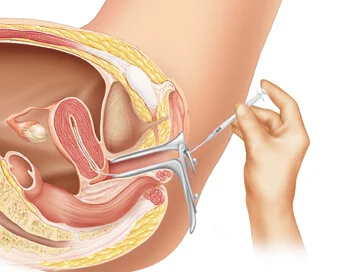
    illustration of intrauterine insemination procedure with a hand holding a speculum and syringe near the uterus

    Exploring the Effectiveness of Hormone Injections vs Natural Fertility Boosters

    One of the main benefits of natural fertility boosters is that there are typically no side effects or risks involved. By focusing on lifestyle changes and natural supplements, couples can improve their overall health and wellbeing, which can positively impact fertility. For example, maintaining a healthy weight and reducing stress levels can help regulate hormones and improve ovulation. Additionally, certain herbs and supplements have been shown to have fertility-boosting properties, such as maca root and chasteberry.

    However, it is important to note that the effectiveness of natural fertility boosters is not scientifically proven. While some studies have shown promising results, more research is needed to determine their true impact on fertility. Additionally, these methods may not work for everyone, as fertility issues can have various underlying causes.

    Comparing Effectiveness

    When it comes to comparing the effectiveness of hormone injections vs natural fertility boosters, it is important to consider the individual needs and circumstances of each couple. For some, hormone injections may be the most effective option, while for others, natural fertility boosters may be a better fit. Here are some factors to consider when making this decision:

    – Underlying causes of infertility: Hormone injections may be more effective for couples with specific medical conditions that affect fertility, such as polycystic ovary syndrome (PCOS) or male infertility.
    – Time frame: For couples who are looking for a quick solution, hormone injections may be a better option as they can produce results faster compared to natural fertility boosters, which may take longer to show results.
    – Risks and side effects: As mentioned, hormone injections come with potential risks and side effects, while natural fertility boosters have no known side effects. Couples should weigh the potential risks against the potential benefits when making a decision.
    – Cost: Hormone injections can be expensive, especially when combined with other fertility treatments. Natural fertility boosters, on the other hand, may be more affordable and accessible for some couples.

    In the end, the most effective option will depend on the individual situation and needs of each couple. It is important to consult with a healthcare professional and weigh the pros and cons of each option before making a decision.

    In Summary

    Infertility is a common issue that affects many couples, and two popular methods for boosting fertility are hormone injections and natural fertility boosters. Hormone injections contain hormones that stimulate ovulation and can increase the chances of pregnancy, but they also come with potential risks and side effects. On the other hand, natural fertility boosters involve using natural methods and supplements to improve fertility, but their effectiveness is not scientifically proven. When comparing the two, it is important to consider individual needs, underlying causes of infertility, time frame, risks and side effects, and cost. Ultimately, the most effective option will vary for each couple, and it is important to consult with a healthcare professional before making a decision.

  • Key Differences Between Hormone Injections and Natural Fertility Boosters

    Blog Post Title: Key Differences Between Hormone Injections and Natural Fertility Boosters

    Introduction:
    Infertility is a common issue faced by many couples around the world. It can be a frustrating and emotionally draining experience, and couples often turn to different fertility treatments to increase their chances of conception. Two popular options are hormone injections and natural fertility boosters. Both methods have their own benefits and drawbacks, and it’s important to understand the key differences between them before making a decision.

    What are Hormone Injections?
    Hormone injections, also known as fertility drugs, are medications that are designed to stimulate ovulation in women. They work by increasing the levels of follicle-stimulating hormone (FSH) and luteinizing hormone (LH) in the body, which helps to mature and release eggs from the ovaries. These injections are often used in conjunction with other fertility treatments, such as intrauterine insemination (IUI) or in vitro fertilization (IVF).

    Pros of Hormone Injections:
    1. Increased chances of conception: Hormone injections are highly effective in stimulating ovulation, which can increase the chances of conception for women who have irregular or absent ovulation.
    2. Controlled cycle: The use of hormone injections allows doctors to closely monitor the ovulation cycle, ensuring that the eggs are released at the right time for fertilization to occur.
    3. Short treatment duration: Hormone injections are usually taken for a short period of time, typically around 5-10 days, making it a convenient option for couples trying to conceive.
    4. Can be used for specific fertility issues: Hormone injections can be prescribed to address specific fertility issues, such as polycystic ovary syndrome (PCOS) or luteal phase defect.

    Cons of Hormone Injections:
    1. Side effects: As with any medication, hormone injections can have side effects such as headaches, mood swings, bloating, and breast tenderness.
    2. Multiple pregnancies: Hormone injections can increase the chances of multiple pregnancies, which can be risky for both the mother and the babies.
    3. Expensive: Hormone injections can be costly, especially when used in conjunction with other fertility treatments.
    4. Requires medical supervision: Hormone injections need to be prescribed and administered by a doctor, which means regular visits to the clinic and additional costs.

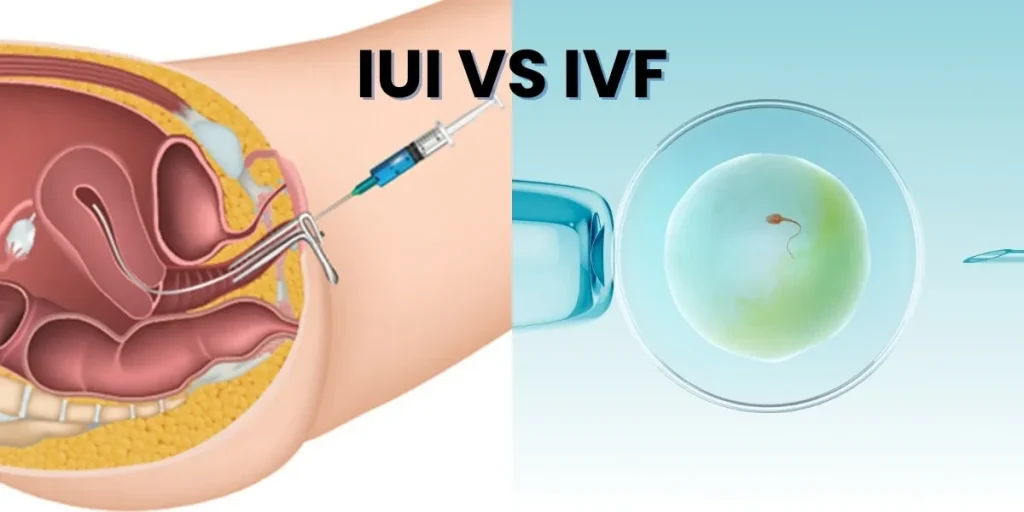
    comparison of IUI and IVF fertility treatments with illustrations of procedures and a petri dish with an egg and sperm

    Key Differences Between Hormone Injections and Natural Fertility Boosters

    What are Natural Fertility Boosters?
    Natural fertility boosters are supplements or lifestyle changes that are believed to improve fertility. These can include dietary changes, herbal remedies, acupuncture, and stress reduction techniques. Unlike hormone injections, natural fertility boosters do not involve the use of medication or medical procedures.

    Pros of Natural Fertility Boosters:
    1. Can be used by both men and women: Natural fertility boosters can be used by both men and women to improve their chances of conception.
    2. No side effects: Since natural fertility boosters are made from natural ingredients, they do not have any harmful side effects.
    3. Cost-effective: Natural fertility boosters are generally more affordable than hormone injections and other fertility treatments.
    4. Can improve overall health: Many natural fertility boosters focus on improving overall health, which can have a positive impact on fertility.

    Cons of Natural Fertility Boosters:
    1. Limited scientific evidence: While many people swear by the effectiveness of natural fertility boosters, there is limited scientific evidence to support their claims.
    2. May not work for everyone: As with any treatment, what works for one person may not work for another. Natural fertility boosters may not be effective for everyone trying to conceive.
    3. Takes longer to see results: Unlike hormone injections, which have a more immediate effect, natural fertility boosters may take longer to show results.
    4. Difficult to regulate dosage: Since natural fertility boosters are not prescribed by doctors, it can be difficult to regulate the dosage and ensure that the right amount is being taken.

    Key Differences Between Hormone Injections and Natural Fertility Boosters:
    1. Method of administration: Hormone injections are administered as medication, while natural fertility boosters are taken as supplements or involve lifestyle changes.
    2. Effectiveness: Hormone injections have been proven to be highly effective in stimulating ovulation, while the effectiveness of natural fertility boosters is still debatable.
    3. Cost: Hormone injections can be more expensive than natural fertility boosters, as they require medical supervision and may be used in conjunction with other treatments.
    4. Side effects: Hormone injections can have side effects, while natural fertility boosters are generally considered safe and have no harmful side effects.
    5. Medical supervision: Hormone injections require a doctor’s prescription and regular monitoring, while natural fertility boosters can be taken without medical supervision.

    Conclusion:
    Both hormone injections and natural fertility boosters have their own set of benefits and drawbacks. While hormone injections are highly effective and can be prescribed for specific fertility issues, they can be expensive and have potential side effects. On the other hand, natural fertility boosters may be more affordable and have no side effects, but their effectiveness is still debated and they may not work for everyone. It’s important to consult with a doctor and weigh the pros and cons of each option before deciding on a fertility treatment plan.

    Summary:
    Infertility is a common issue faced by many couples and two popular treatment options are hormone injections and natural fertility boosters. Hormone injections are medications that stimulate ovulation and have a high success rate, but can be costly and have side effects. Natural fertility boosters involve supplements or lifestyle changes and are generally more affordable and have no side effects, but their effectiveness is still debated. The key differences between the two include method of administration, effectiveness, cost, side effects, and need for medical supervision.

  • Natural Fertility Boosters: The Power of Herbs and Supplements

    Natural Fertility Boosters: The Power of Herbs and Supplements

    Fertility is a topic that is often surrounded by mystery and misconceptions. Many couples struggle with conceiving and turn to expensive treatments and medications, but what if there was a more natural and affordable way to boost fertility? The answer may lie in the power of herbs and supplements.

    Herbs and supplements have been used for centuries to support reproductive health and fertility. They can help regulate hormones, improve egg and sperm quality, and increase the chances of conception. In this blog post, we will explore the top natural fertility boosters and how they can help you on your journey to parenthood.

    1. Maca Root

    Maca root is a nutrient-dense herb that has been used for centuries in Peru to boost fertility. It is known for its ability to balance hormones, enhance libido, and improve overall reproductive health. Maca root is rich in vitamins, minerals, and antioxidants, making it a great addition to any fertility regime.

    Studies have shown that maca root can improve sperm quality and increase sperm count in men. In women, it can regulate menstrual cycles and improve egg quality. It can also help to reduce stress and anxiety, which can have a negative impact on fertility.

    2. Vitex

    Also known as chasteberry, vitex is a popular herb for women trying to conceive. It works by balancing hormones, specifically by increasing levels of progesterone and decreasing levels of estrogen. This is important for women with hormonal imbalances, as it can help regulate their menstrual cycles and increase the chances of ovulation.

    Vitex has also been shown to improve the chances of pregnancy in women with polycystic ovary syndrome (PCOS) and endometriosis. It can also help to reduce symptoms of premenstrual syndrome (PMS) and alleviate menstrual cramps.

    3. Red Raspberry Leaf

    Red raspberry leaf has been used for centuries to support reproductive health in women. It contains high levels of vitamins and minerals, including iron, calcium, and magnesium, which are essential for fertility and pregnancy.

    This herb is known for its ability to tone the uterus and improve blood flow to the reproductive organs. It can also help to regulate menstrual cycles and reduce heavy bleeding. Red raspberry leaf is safe to use throughout pregnancy, making it a great option for women trying to conceive.

    4. Coenzyme Q10 (CoQ10)

    CoQ10 is a powerful antioxidant that plays a crucial role in energy production within cells. It is found in high concentrations in the ovaries, where it helps to support egg quality. As women age, their levels of CoQ10 decrease, which can have a negative impact on fertility.

    Illustration of a uterus with a syringe, representing intrauterine insemination (IUI) procedure.

    Natural Fertility Boosters: The Power of Herbs and Supplements

    Supplementing with CoQ10 has been shown to improve egg quality and increase the chances of conception in women over the age of 35. It can also help to protect against oxidative stress, which can damage sperm and eggs.

    5. Zinc

    Zinc is an essential mineral that is involved in many processes in the body, including fertility. It is important for both men and women, as it can help to improve sperm count and motility in men, and regulate ovulation and support healthy hormone levels in women.

    Studies have shown that zinc deficiency can lead to infertility and recurrent miscarriages. Supplementing with zinc can help to improve fertility and increase the chances of a successful pregnancy.

    6. L-arginine

    L-arginine is an amino acid that is important for sperm production and motility. It is also essential for the production of nitric oxide, which helps to relax blood vessels and improve blood flow to the reproductive organs.

    Supplementing with L-arginine has been shown to improve sperm count, motility, and quality in men with low sperm count. It can also help to improve erectile dysfunction, which can be a contributing factor to infertility.

    7. Omega-3 Fatty Acids

    Omega-3 fatty acids, specifically EPA and DHA, are essential for reproductive health in both men and women. They are important for hormone production, sperm and egg quality, and overall reproductive function.

    Studies have shown that supplementing with omega-3 fatty acids can improve sperm quality and motility, regulate menstrual cycles, and increase the chances of pregnancy in women undergoing fertility treatments.

    In conclusion, herbs and supplements can play a powerful role in boosting fertility and increasing the chances of conception. They work by balancing hormones, improving egg and sperm quality, and supporting overall reproductive health. It is important to consult with a healthcare professional before adding any new supplements to your routine, especially if you are currently undergoing fertility treatments.

    Remember that natural fertility boosters are not a quick fix and may take some time to show results. It is also important to maintain a healthy diet and lifestyle for optimal fertility. With patience and persistence, these natural remedies can help you on your journey to starting a family.

    Summary:

    Fertility struggles can be a challenging and expensive journey for many couples. However, there are natural alternatives that can help boost fertility and increase the chances of conception. Herbs and supplements such as maca root, vitex, red raspberry leaf, CoQ10, zinc, L-arginine, and omega-3 fatty acids have been shown to regulate hormones, improve egg and sperm quality, and support overall reproductive health. It is important to consult with a healthcare professional before adding any new supplements to your routine, and to remember that natural remedies may take time to show results. With patience, persistence, and a healthy lifestyle, these natural fertility boosters may help you on your journey to parenthood.