Exploring the Effectiveness of Hormone Injections vs Natural Fertility Boosters
Infertility is a common issue that affects many couples around the world, with around 10-15% of couples struggling to conceive. The desire to have a child is a natural and strong one, and when faced with difficulties in conceiving, many couples turn to various methods to increase their chances of getting pregnant. Two popular options for boosting fertility are hormone injections and natural fertility boosters. Both have their own set of benefits and risks, and it can be difficult to determine which option is more effective. In this blog post, we will explore the effectiveness of hormone injections vs natural fertility boosters and help you make an informed decision about which route may be best for you.
Hormone Injections
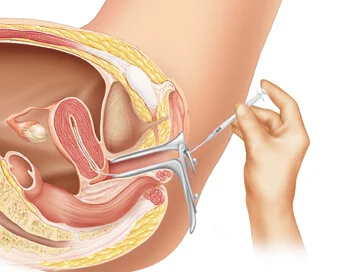
Hormone injections are a common method used to boost fertility in women. These injections contain hormones such as follicle-stimulating hormone (FSH) and luteinizing hormone (LH), which are responsible for stimulating the ovaries to produce eggs. They are typically given in combination with other fertility treatments such as in vitro fertilization (IVF) or intrauterine insemination (IUI).
One of the main benefits of hormone injections is that they can help regulate the menstrual cycle and improve ovulation. This is especially beneficial for women who have irregular or absent periods, as it increases the chances of ovulation and therefore, pregnancy. Additionally, hormone injections can also increase the number of eggs produced, which can improve the chances of IVF success. For couples struggling with male infertility, hormone injections can also be used to stimulate sperm production.
However, like any medical treatment, there are potential risks and side effects associated with hormone injections. The most common side effect is multiple pregnancies, as the increased number of eggs produced can result in more than one egg being fertilized. This can lead to higher risks during pregnancy and birth, as well as potential complications for the babies. Other risks include ovarian hyperstimulation syndrome (OHSS), which occurs when the ovaries are overstimulated and can cause abdominal pain, bloating, and fluid retention.
Natural Fertility Boosters
On the other hand, natural fertility boosters involve using natural methods and supplements to improve fertility. These can include dietary changes, exercise, stress reduction techniques, and herbal supplements. Many couples turn to natural fertility boosters as a more holistic and less invasive option compared to hormone injections.
Exploring the Effectiveness of Hormone Injections vs Natural Fertility Boosters
One of the main benefits of natural fertility boosters is that there are typically no side effects or risks involved. By focusing on lifestyle changes and natural supplements, couples can improve their overall health and wellbeing, which can positively impact fertility. For example, maintaining a healthy weight and reducing stress levels can help regulate hormones and improve ovulation. Additionally, certain herbs and supplements have been shown to have fertility-boosting properties, such as maca root and chasteberry.
However, it is important to note that the effectiveness of natural fertility boosters is not scientifically proven. While some studies have shown promising results, more research is needed to determine their true impact on fertility. Additionally, these methods may not work for everyone, as fertility issues can have various underlying causes.
Comparing Effectiveness
When it comes to comparing the effectiveness of hormone injections vs natural fertility boosters, it is important to consider the individual needs and circumstances of each couple. For some, hormone injections may be the most effective option, while for others, natural fertility boosters may be a better fit. Here are some factors to consider when making this decision:
– Underlying causes of infertility: Hormone injections may be more effective for couples with specific medical conditions that affect fertility, such as polycystic ovary syndrome (PCOS) or male infertility.
– Time frame: For couples who are looking for a quick solution, hormone injections may be a better option as they can produce results faster compared to natural fertility boosters, which may take longer to show results.
– Risks and side effects: As mentioned, hormone injections come with potential risks and side effects, while natural fertility boosters have no known side effects. Couples should weigh the potential risks against the potential benefits when making a decision.
– Cost: Hormone injections can be expensive, especially when combined with other fertility treatments. Natural fertility boosters, on the other hand, may be more affordable and accessible for some couples.
In the end, the most effective option will depend on the individual situation and needs of each couple. It is important to consult with a healthcare professional and weigh the pros and cons of each option before making a decision.
In Summary
Infertility is a common issue that affects many couples, and two popular methods for boosting fertility are hormone injections and natural fertility boosters. Hormone injections contain hormones that stimulate ovulation and can increase the chances of pregnancy, but they also come with potential risks and side effects. On the other hand, natural fertility boosters involve using natural methods and supplements to improve fertility, but their effectiveness is not scientifically proven. When comparing the two, it is important to consider individual needs, underlying causes of infertility, time frame, risks and side effects, and cost. Ultimately, the most effective option will vary for each couple, and it is important to consult with a healthcare professional before making a decision.