Blog Post: The Science Behind Hormone Injections and Natural Fertility Boosters
Introduction:
Infertility affects millions of people around the world, and it can be a frustrating and heartbreaking experience for couples trying to conceive. In recent years, the use of hormone injections and natural fertility boosters has become increasingly popular as a way to address fertility issues. But what is the science behind these methods? In this blog post, we will explore the mechanisms behind hormone injections and natural fertility boosters and how they can help increase the chances of conceiving.
Hormone Injections:
Hormone injections, also known as fertility drugs, are synthetic hormones that are used to stimulate the ovaries and induce ovulation. There are different types of hormone injections, but the most commonly used ones are follicle-stimulating hormone (FSH) and luteinizing hormone (LH). These hormones are essential for the growth and maturation of eggs in the ovaries.
FSH injections are used to stimulate the development of multiple follicles in the ovaries, increasing the chances of ovulation and pregnancy. LH injections, on the other hand, are used to trigger ovulation in women who do not ovulate regularly.
But how do these hormone injections work? FSH and LH injections mimic the natural hormones produced by the pituitary gland, which is responsible for regulating the reproductive system. By injecting these hormones, the ovaries are stimulated to produce more eggs, increasing the chances of conception.
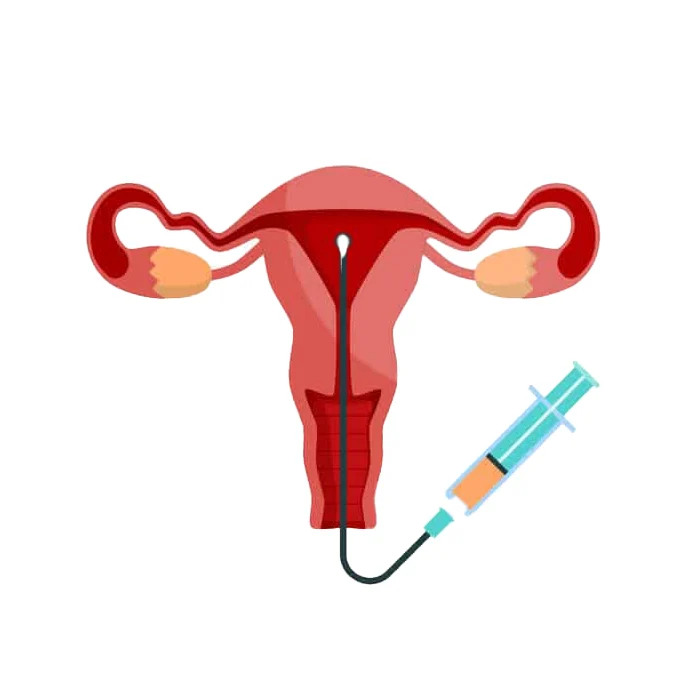
Hormone injections are typically used in combination with other fertility treatments, such as intrauterine insemination (IUI) or in vitro fertilization (IVF), to further increase the chances of pregnancy. These injections are usually given for a specific period, and the response to the treatment is closely monitored through blood tests and ultrasounds.
Natural Fertility Boosters:
While hormone injections can be effective, some couples prefer to take a more natural approach to boost fertility. There are various natural fertility boosters available, and their effectiveness depends on the underlying cause of infertility.
One of the most well-known natural fertility boosters is the herb chasteberry, also known as Vitex agnus-castus. This herb has been used for centuries to regulate hormone levels and improve fertility. It works by stimulating the pituitary gland to produce more luteinizing hormone, which, as mentioned earlier, triggers ovulation.
Another natural fertility booster is acupuncture. This ancient Chinese practice has gained popularity in recent years for its ability to improve fertility. Acupuncture is believed to stimulate blood flow to the reproductive organs, balance hormone levels, and reduce stress, all of which can contribute to increased fertility.
The Science Behind Hormone Injections and Natural Fertility Boosters
In addition to these methods, making certain lifestyle changes can also improve fertility. A healthy diet, regular exercise, and managing stress levels can all play a role in increasing the chances of conceiving.
The Science Behind Natural Fertility Boosters:
While the exact mechanisms behind natural fertility boosters are not fully understood, there is evidence to suggest that they can be effective in improving fertility. For example, studies have shown that chasteberry can help regulate menstrual cycles and improve ovulation in women with irregular periods. Acupuncture has also been found to improve pregnancy rates in women undergoing IVF treatments.
It is believed that these natural methods work by balancing hormone levels, improving blood flow to the reproductive organs, and reducing stress. Hormone imbalances and stress can both have a significant impact on fertility, and, by addressing these issues, natural fertility boosters can help increase the chances of conception.
Risks and Side Effects:
Like any medication or treatment, hormone injections and natural fertility boosters come with potential risks and side effects. Hormone injections can cause multiple pregnancies, ovarian hyperstimulation syndrome (OHSS), and an increased risk of ovarian cancer. It is essential to discuss these risks with a doctor before undergoing treatment.
Natural fertility boosters, while generally considered safe, may interact with other medications, and it is crucial to consult with a healthcare professional before use. Acupuncture may also cause mild side effects such as bruising or soreness at the needle insertion site.
Conclusion:
Infertility can be a challenging and emotional journey, but advancements in science and medicine have provided various methods to help couples conceive. Hormone injections and natural fertility boosters are two popular options for addressing fertility issues, and the science behind these methods is continually evolving.
By understanding how hormone injections and natural fertility boosters work, we can make informed decisions about which treatment option may be best for us. As with any medical treatment, it is essential to consult with a healthcare professional before starting any fertility treatment.
Summary:
Infertility affects many couples worldwide, and hormone injections and natural fertility boosters have become increasingly popular as a way to address fertility issues. Hormone injections work by stimulating the ovaries to produce more eggs, while natural fertility boosters, such as chasteberry and acupuncture, work by balancing hormone levels, improving blood flow, and reducing stress. These methods come with potential risks and side effects, and it is crucial to consult with a healthcare professional before starting any treatment.