The Future of Infertility Treatments: Advancements in Male and Female Factor Solutions
Infertility affects millions of couples around the world and can be a devastating and emotional journey. It is defined as the inability to conceive after one year of unprotected intercourse, or six months for women over the age of 35. While there are many causes of infertility, both male and female factors play a significant role. However, with advancements in technology and medical research, the future of infertility treatments looks promising. In this blog post, we will explore the latest developments in male and female factor solutions and what the future holds for couples struggling with infertility.
Male Factor Solutions
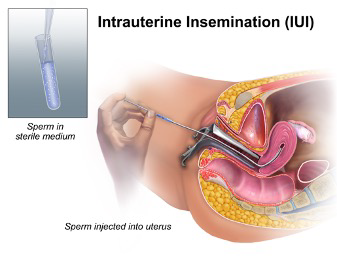
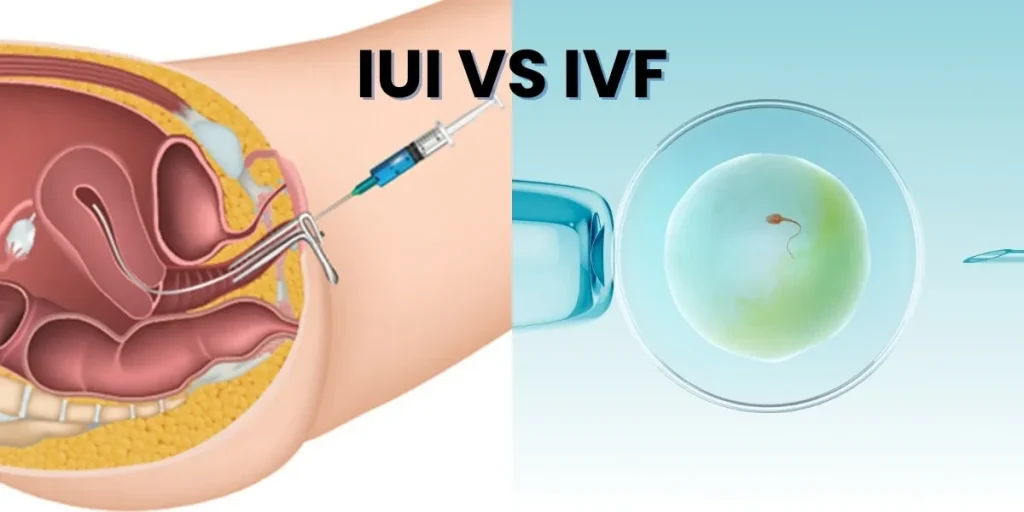
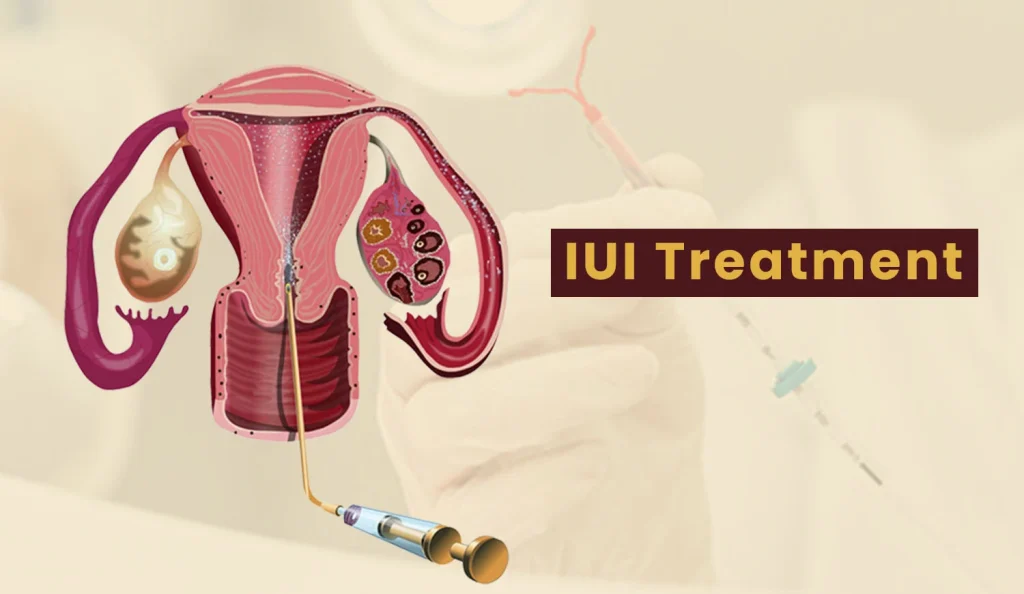
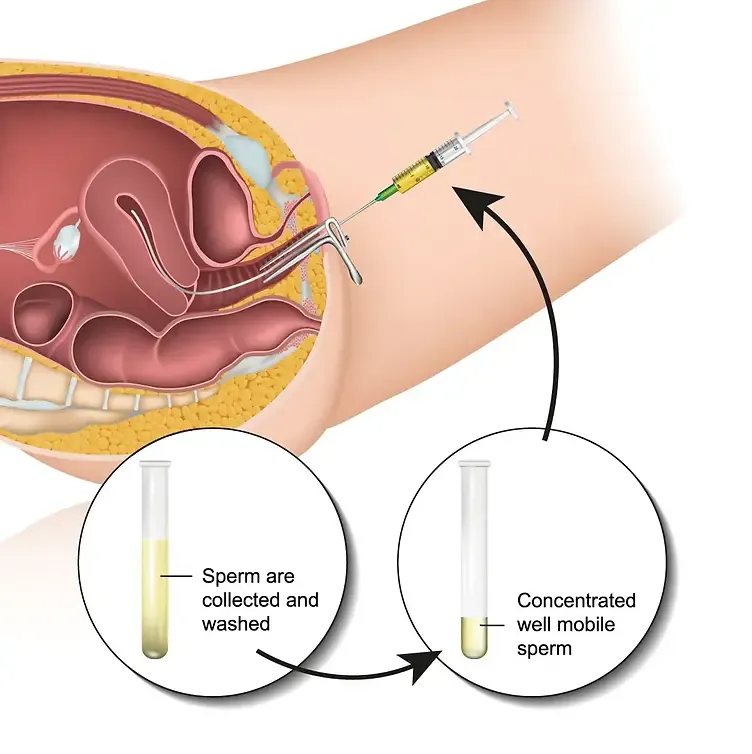
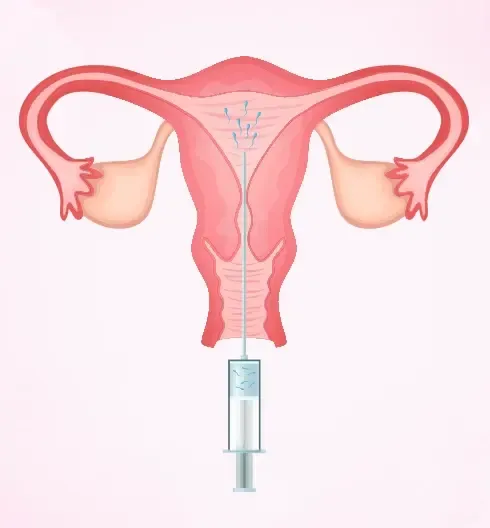
Male infertility accounts for approximately 40-50% of all infertility cases. Traditionally, the only treatment options for male factor infertility were either intrauterine insemination (IUI) or in vitro fertilization (IVF) with intracytoplasmic sperm injection (ICSI). However, these treatments may not be suitable for all couples, and success rates can vary. Fortunately, there have been significant advancements in male factor solutions that offer hope to couples struggling with infertility.
One of the most promising developments is the use of testicular sperm extraction (TESE) and microdissection testicular sperm extraction (microTESE). These procedures involve extracting sperm directly from the testicles, rather than relying on ejaculated sperm. This is especially beneficial for men who have a low sperm count, sperm with poor motility, or have had a vasectomy. MicroTESE has shown to have higher success rates compared to traditional TESE, making it a preferred option for male factor infertility.
Another groundbreaking advancement is the use of stem cells to treat male infertility. In a recent study, researchers were able to create sperm-like cells from stem cells taken from infertile men. This offers a potential solution for men who have no viable sperm in their ejaculate. While this technology is still in its early stages, it holds great promise for the future of male factor infertility treatments.
Female Factor Solutions
There are many causes of female infertility, such as ovulation disorders, blocked fallopian tubes, and endometriosis. In the past, treatment options for female factor infertility were limited to fertility medications, IUI, or IVF. However, with advancements in technology and medical research, there are now more options available for women struggling with infertility.

The Future of Infertility Treatments: Advancements in Male and Female Factor Solutions
One of the most significant developments in female factor solutions is the use of genetic testing. Preimplantation genetic testing (PGT) allows doctors to screen embryos for genetic abnormalities before they are transferred during an IVF cycle. This is especially beneficial for couples with a history of genetic disorders or recurrent miscarriages. PGT can increase the chances of a successful pregnancy and reduce the risk of passing on genetic abnormalities to the child.
Another exciting development is the use of artificial intelligence (AI) in fertility treatments. AI can analyze a large amount of data, including hormone levels, ultrasound images, and embryo development, to help doctors make more accurate and personalized treatment decisions. This can lead to higher success rates and fewer multiple pregnancies, which can be risky for both the mother and the babies.
The Future of Infertility Treatments
With the advancements in male and female factor solutions, the future of infertility treatments looks promising. However, there is still much work to be done. Researchers are continuously studying and developing new technologies and treatments to improve the success rates of fertility treatments and make them more accessible and affordable.
One area that is gaining more attention is the use of natural and holistic approaches to treating infertility. This includes lifestyle changes, acupuncture, and herbal remedies. While there is limited scientific evidence to support these methods, many couples have reported success and believe that these approaches can help improve their chances of conceiving.
In addition to new treatments, there is also a growing focus on fertility preservation. This is especially important for women who may delay starting a family due to career or personal reasons. Egg freezing is becoming more popular as a way to preserve a woman’s fertility until she is ready to start a family. It is also a viable option for women undergoing cancer treatment, which can affect their reproductive health.
Summary:
Infertility affects millions of couples worldwide, and both male and female factors play a significant role in its cause. However, with advancements in technology and medical research, the future of infertility treatments looks promising. For male factor infertility, testicular sperm extraction and the use of stem cells offer new solutions. For female factor infertility, genetic testing and the use of artificial intelligence show great promise. There is also a growing focus on natural and holistic approaches to treating infertility and fertility preservation. With continued research and development, the future of infertility treatments is bright, offering hope to many couples struggling to conceive.