Fertility is a topic that affects millions of people around the world. It is defined as the ability to conceive and carry a pregnancy to full term. While for some people, getting pregnant may seem like a natural and straightforward process, for others, it can be a complex and difficult journey. When facing fertility challenges, many couples turn to fertility supplements and medical treatments in hopes of improving their chances of conceiving. But which option is more effective? And what do the experts say about the use of fertility supplements and medical treatments? In this blog post, we will dive deep into the comparison between these two popular fertility treatment options to help you make an informed decision.
What are Fertility Supplements?
Fertility supplements are a type of dietary supplement that contains vitamins, minerals, and herbs that are believed to enhance fertility in both men and women. These supplements often claim to improve egg quality, increase sperm count and motility, and regulate the menstrual cycle. They are available in various forms, including pills, powders, and drinks, and can be purchased over the counter without a prescription.
What are Medical Treatments for Fertility?
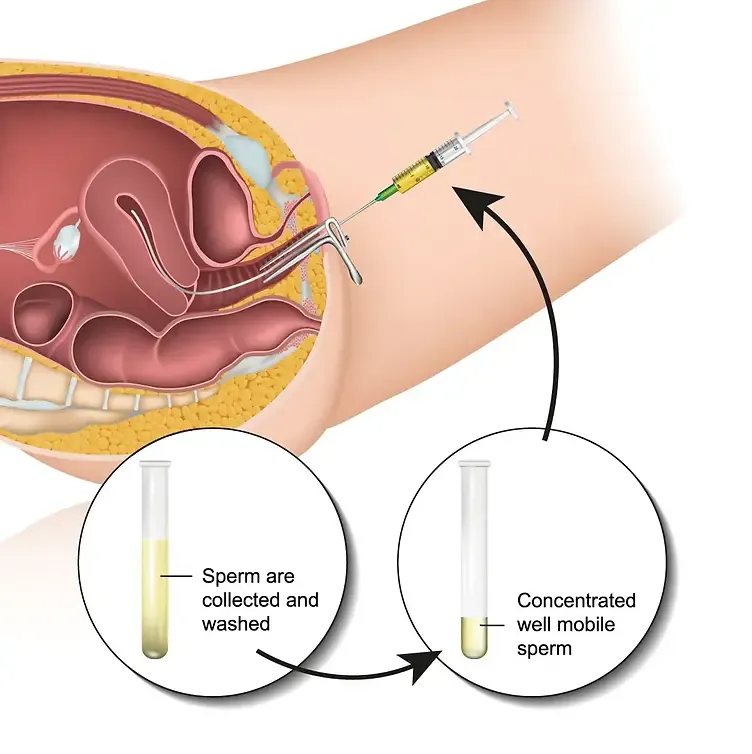
Medical treatments for fertility, also known as assisted reproductive technology (ART), are procedures that involve the manipulation of eggs, sperm, or embryos to help couples with fertility problems conceive a child. These treatments are usually recommended for couples who have been trying to conceive for a year or more without success. Some common medical treatments for fertility include intrauterine insemination (IUI), in vitro fertilization (IVF), and intracytoplasmic sperm injection (ICSI).
The Pros and Cons of Fertility Supplements
One of the main advantages of fertility supplements is that they are easily accessible and relatively affordable compared to medical treatments. They also have a lower risk of side effects, making them a popular choice for couples who prefer a more natural approach to fertility treatment. Additionally, taking fertility supplements can help improve overall health and well-being, which can indirectly improve fertility.
However, fertility supplements have not been extensively studied, and their effectiveness is not backed by scientific evidence. This lack of regulation means that the quality and purity of these supplements may vary, and some may even contain harmful ingredients. Moreover, fertility supplements may interact with other medications, making it essential to consult with a healthcare provider before taking them.
Fertility Supplements vs Medical Treatments: What the Experts Say
The Pros and Cons of Medical Treatments for Fertility
Medical treatments for fertility have a higher success rate compared to fertility supplements, making them a preferred option for couples who have been struggling with infertility for a long time. These treatments are also more closely monitored by healthcare professionals, ensuring that the process is safe and effective. Additionally, medical treatments can offer a solution to specific fertility problems, such as blocked fallopian tubes or low sperm count, which may not be addressed by fertility supplements.
However, medical treatments for fertility can be expensive and may not be covered by insurance, making them inaccessible for some couples. They also come with potential risks and side effects, such as multiple pregnancies, ovarian hyperstimulation syndrome, and emotional distress. These treatments also require a significant time commitment, with multiple appointments and procedures involved.
What Do the Experts Say?
When it comes to fertility supplements and medical treatments, experts recommend that couples should first consult with a fertility specialist to determine the root cause of their infertility. This will help determine the most suitable treatment option for their specific situation. While fertility supplements may be beneficial for overall health and well-being, they should not be seen as a replacement for medical treatments when there is a known fertility issue.
Experts also stress the importance of discussing the use of fertility supplements with a healthcare provider, as they may interact with other medications and have potential side effects. It is crucial to choose high-quality supplements from reputable sources and to use them as directed. Additionally, couples should not rely solely on fertility supplements and should continue to seek medical assistance if they are struggling to conceive.
In terms of medical treatments for fertility, experts recommend that couples should carefully consider the potential risks and benefits and consult with a fertility specialist to determine the most suitable approach. These treatments should not be taken lightly, and couples should be prepared for the physical, emotional, and financial challenges they may face during the process.
Summarizing
When it comes to fertility treatment options, the decision between fertility supplements and medical treatments should not be taken lightly. While fertility supplements may offer some benefits, they are not a replacement for medical treatments when there is a known fertility issue. It is crucial to consult with a healthcare provider and fertility specialist to determine the best approach for your specific situation. Medical treatments for fertility may be more effective, but they also come with potential risks and require a significant time and financial commitment. Ultimately, the most important thing is to keep an open mind and stay informed about all the available options to make the best decision for your fertility journey.