Blog Post:
Fertility issues affect many couples around the world, with approximately 15% of couples experiencing difficulties conceiving. As a result, there is a growing market for fertility supplements and medical treatments that claim to improve fertility and increase the chances of conception. But when it comes to deciding between these two options, which is more effective? In this blog post, we will explore the differences between fertility supplements and medical treatments and determine which one may be the better choice for those experiencing fertility issues.
Fertility Supplements: What Are They and How Do They Work?
Fertility supplements are dietary supplements that are marketed as a way to improve fertility and increase the chances of conception. These supplements typically contain a combination of vitamins, minerals, herbs, and other natural ingredients that claim to improve reproductive health. Some common ingredients found in fertility supplements include folate, zinc, and herbal extracts like maca root or chasteberry.
The idea behind fertility supplements is that they can provide the body with the necessary nutrients and support to improve reproductive function and increase fertility. However, there is limited scientific evidence to support these claims. While some studies have shown a potential benefit for certain vitamins and minerals in improving fertility, the overall effectiveness of fertility supplements is still up for debate.
Medical Treatments: What Are They and How Do They Work?
On the other hand, medical treatments for fertility issues are more commonly known and widely accepted as a means of addressing fertility problems. These treatments are typically provided by a healthcare professional and can include a variety of methods such as fertility drugs, intrauterine insemination (IUI), and in vitro fertilization (IVF).
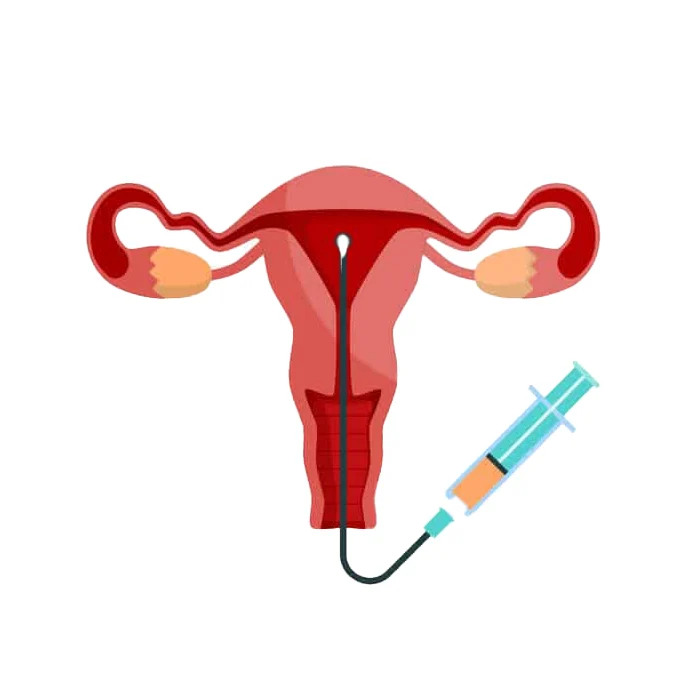
Fertility drugs are used to regulate hormones and stimulate ovulation, while IUI involves placing sperm directly into the uterus to increase the chances of fertilization. IVF, on the other hand, involves retrieving eggs and sperm and fertilizing them in a lab before transferring the embryo to the uterus. These medical treatments are often recommended for couples who have been trying to conceive for a year or longer without success or for those who have underlying fertility issues.
Fertility Supplements vs Medical Treatments: Which is More Effective?
Effectiveness of Fertility Supplements vs Medical Treatments
When it comes to effectiveness, medical treatments have a higher success rate compared to fertility supplements. This is because medical treatments are based on scientific research and have been proven to be effective in addressing specific fertility issues. For example, IVF has a success rate of around 30%, while IUI has a success rate of 10-20% per cycle. On the other hand, the effectiveness of fertility supplements is still unclear, with limited scientific evidence to support their claims.
Another factor to consider is the cost of these two options. Fertility supplements can be purchased over-the-counter and may seem like a more affordable option compared to medical treatments. However, when looking at the long-term costs and potential need for multiple cycles of medical treatments, the cost of fertility supplements may add up. In addition, many insurance plans may cover or partially cover medical treatments for fertility, making them a more cost-effective option in the long run.
Potential Risks and Side Effects
While fertility supplements are often marketed as natural and safe, they may still carry potential risks and side effects. Some herbal supplements may interact with prescription medications, and high doses of certain vitamins and minerals can be harmful. It is important to consult with a healthcare professional before starting any fertility supplement to ensure it is safe and appropriate for your individual situation.
On the other hand, medical treatments for fertility also have potential risks and side effects. Fertility drugs can cause side effects such as hot flashes and mood swings, and procedures like IVF can be physically and emotionally taxing. However, these treatments are closely monitored by healthcare professionals and steps are taken to minimize risks and side effects.
Summary:
When it comes to addressing fertility issues, there are two main options: fertility supplements and medical treatments. While fertility supplements may seem like a more natural and affordable option, they lack scientific evidence to support their effectiveness. On the other hand, medical treatments have a higher success rate and are based on scientific research and proven methods. It is important to consult with a healthcare professional to determine the best course of action for your individual situation. Both options have potential risks and side effects, so it is important to weigh the benefits and risks carefully.
In summary, fertility supplements may be a good option for those with mild fertility issues or as a complementary treatment to medical interventions. However, for those with more serious fertility problems, medical treatments are a more effective and recommended option. It is important to consult with a healthcare professional and consider factors such as effectiveness, cost, and potential risks and side effects when deciding between these two options.