Breaking Down the Differences: Artificial Insemination vs Natural Conception
When it comes to starting a family, there are many factors to consider. One important decision that couples may face is the method of conception – artificial insemination or natural conception. While both methods can lead to pregnancy, there are significant differences between the two. In this blog post, we will take a closer look at the key differences between artificial insemination and natural conception, including the process, success rates, and potential risks.
Artificial Insemination
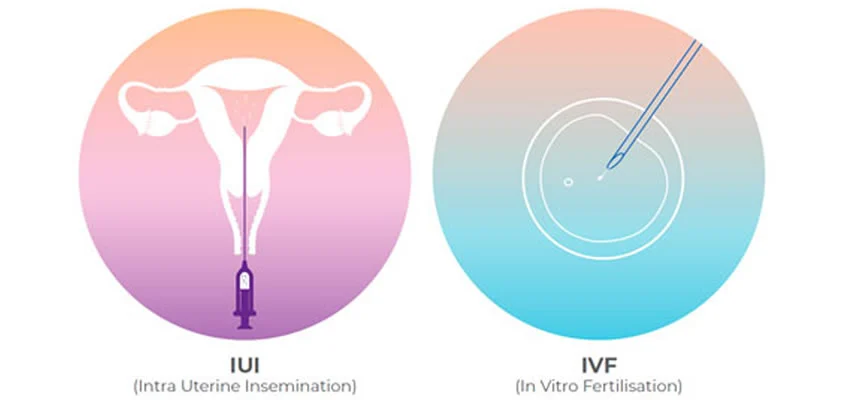
Artificial insemination, also known as intrauterine insemination (IUI), is a fertility treatment that involves directly placing sperm into a woman’s uterus. This method is often used for couples who have trouble conceiving due to male factor infertility, low sperm count, or unexplained fertility issues. It can also be used by single women or same-sex couples who want to start a family.
The process of artificial insemination starts with a thorough evaluation of both partners’ medical history and fertility. The male partner will provide a semen sample, which will be washed and prepared in a laboratory to concentrate the healthiest sperm. Then, the sperm is inserted into the woman’s uterus using a thin catheter, usually during ovulation when the chances of conception are the highest.
One of the main benefits of artificial insemination is that it increases the chances of sperm reaching the egg, bypassing any potential barriers in the woman’s reproductive system. It is a relatively simple and non-invasive procedure, usually done in a fertility clinic or doctor’s office, and does not require anesthesia.
However, the success rate of artificial insemination can vary greatly depending on various factors, such as the woman’s age, quality of sperm used, and any underlying fertility issues. On average, the success rate for artificial insemination is around 10-15% per cycle, and multiple cycles may be needed to achieve a successful pregnancy.
Natural Conception
On the other hand, natural conception, also known as sexual intercourse, is the most common method of conceiving a baby. It involves the sperm fertilizing the egg during sexual intercourse, usually during the woman’s ovulation period. Unlike artificial insemination, natural conception does not involve any medical procedures or interventions.
Breaking Down the Differences: Artificial Insemination vs Natural Conception
There are no strict guidelines for natural conception, but it is recommended to have regular and unprotected intercourse during the woman’s fertile window, which is usually around 5 days before and on the day of ovulation. This increases the chances of the sperm meeting the egg and fertilizing it. However, it is essential to note that the sperm can survive inside a woman’s body for up to 5 days, so timing is crucial for successful conception.
The success rate of natural conception also varies depending on various factors, such as the woman’s age, fertility, and timing of intercourse. On average, the chances of conceiving naturally are around 20% per cycle, and it may take several months or even longer to achieve a successful pregnancy.
Key Differences
The most significant difference between artificial insemination and natural conception is the method of fertilization. In artificial insemination, the sperm is placed directly into the uterus, while in natural conception, it travels through the cervix and into the fallopian tubes to reach the egg.
Another crucial difference is the level of control over the process. Artificial insemination is a medical procedure that is carefully monitored and controlled by a fertility specialist, while natural conception relies on timing and luck.
Risks and Considerations
While both methods have their benefits, there are also potential risks and considerations to keep in mind. Artificial insemination can carry a risk of infection, and there is a small chance of multiple pregnancies due to the use of fertility drugs to stimulate ovulation. On the other hand, natural conception can pose a risk of sexually transmitted infections and can be emotionally taxing for couples dealing with infertility.
Summary
In conclusion, artificial insemination and natural conception are two different methods of conceiving a baby, each with its own set of advantages and disadvantages. Artificial insemination is a medical procedure that involves placing sperm directly into the uterus, while natural conception relies on sexual intercourse during the woman’s fertile window. Both methods have varying success rates and potential risks that couples should consider when making a decision about how to start their family.