Summary:
Fertility treatments have come a long way in helping couples struggling to conceive. Two common options are Intrauterine Insemination (IUI) and Timed Intercourse (TI). Both methods aim to increase the chances of fertilization, but they differ in their approach and success rates. In this blog post, we will discuss the differences between IUI and TI, their success rates, and factors to consider when choosing the right fertility treatment for you.
IUI and TI are both fertility treatments that involve the use of assisted reproductive technology (ART) to increase the chances of pregnancy. IUI involves placing washed and concentrated sperm directly into the uterus, while TI is a natural method where couples have timed intercourse during the woman’s fertile window. IUI has a higher success rate than TI, with a success rate of 20% per cycle compared to TI’s 5-7% per cycle. However, the success rates can vary depending on factors such as age, fertility issues, and sperm quality.
One of the main factors to consider when choosing between IUI and TI is the underlying cause of infertility. IUI is often recommended for couples with unexplained infertility, cervical factors, or male factor infertility. On the other hand, TI is recommended for couples with ovulation issues or mild male factor infertility. It is essential to undergo thorough fertility testing to determine the cause of infertility before deciding on a treatment.
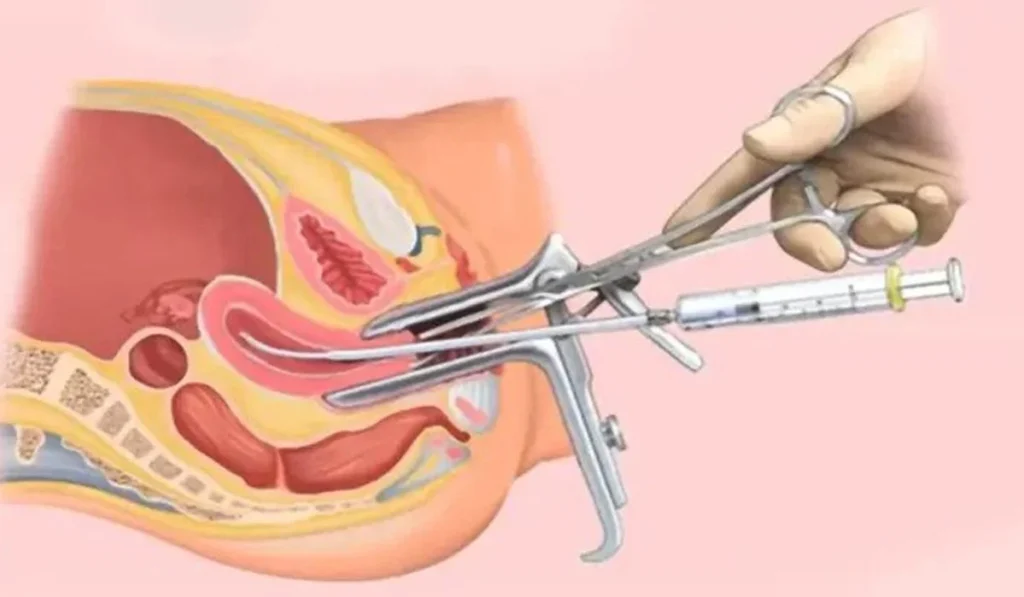
Intrauterine Insemination vs Timed Intercourse: How to Choose the Right Fertility Treatment for You
Another crucial factor to consider is the cost. IUI is generally more expensive than TI as it involves the use of fertility drugs and a medical procedure. The cost of IUI can range from $500 to $4,000 per cycle, whereas TI only requires ovulation prediction kits and timing intercourse, making it a more affordable option for some couples. It is important to discuss the cost with your healthcare provider and insurance coverage before making a decision.
Timing is also a crucial factor to consider. IUI requires precise timing, as the sperm needs to be placed in the uterus during the woman’s fertile window. This can be challenging for couples with busy schedules or those who live far from the fertility clinic. TI, on the other hand, gives couples more flexibility as they can have intercourse within the fertile window at home.
The emotional and physical toll of fertility treatments should also be taken into account. IUI involves frequent monitoring and medical procedures, which can be stressful for some couples. TI, on the other hand, is a more natural and less invasive method, which can be less taxing emotionally and physically.
In conclusion, IUI and TI are both effective fertility treatments, but they differ in their approach, success rates, and cost. Factors such as the underlying cause of infertility, cost, timing, and emotional and physical toll should be considered when choosing the right treatment. It is also essential to consult with a fertility specialist to determine the best option for your specific situation.