Blog Post:
When a couple struggles to conceive, it can be a difficult and emotional journey. Many factors can contribute to infertility, and one common approach to overcoming it is through assisted reproductive technology (ART). Intrauterine insemination (IUI) and timed intercourse are two popular methods of ART that can help couples conceive. However, working with a fertility specialist can greatly benefit and increase the chances of success for both IUI and timed intercourse. In this blog post, we will explore the differences between IUI and timed intercourse and the benefits of working with a fertility specialist.
IUI, also known as artificial insemination, involves placing washed and concentrated sperm directly into the woman’s uterus via a thin catheter. This procedure is usually performed around the time of ovulation, and the goal is to increase the chances of sperm reaching and fertilizing the egg. On the other hand, timed intercourse involves having sex at the most fertile time of the woman’s menstrual cycle, typically around the time of ovulation.
While both methods have their own benefits, there are several reasons why working with a fertility specialist can greatly improve the success rates of these procedures.
1. Accurate Timing and Monitoring:
Timing is crucial for both IUI and timed intercourse. A fertility specialist can accurately determine the most fertile time for a woman based on her menstrual cycle and hormone levels. This information is crucial for timing the procedure or intercourse correctly. Additionally, a fertility specialist can monitor the woman’s cycle and make any necessary adjustments to ensure the best chances of conception.
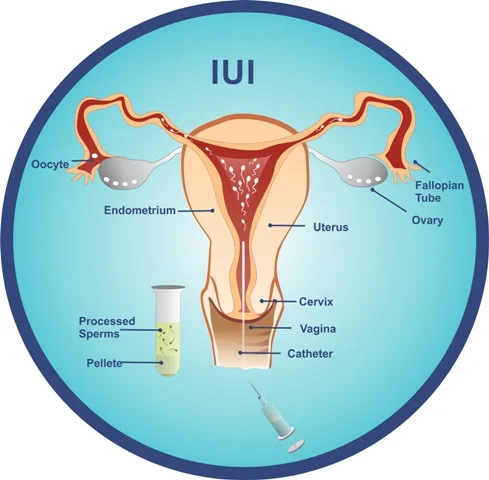
IUI vs Timed Intercourse: The Benefits of Working with a Fertility Specialist
2. Identifying Underlying Causes of Infertility:
Fertility specialists are highly trained and experienced in diagnosing and treating various causes of infertility. They can conduct thorough testing to identify any underlying issues that may be hindering conception. These could include hormonal imbalances, ovulation disorders, or structural problems with the reproductive organs. By addressing these issues, the chances of success for IUI and timed intercourse can significantly increase.
3. Personalized Treatment Plans:
Every couple’s fertility journey is unique, and what works for one may not work for another. Fertility specialists understand this and create personalized treatment plans for each individual based on their specific needs and circumstances. This personalized approach can greatly increase the chances of success for both IUI and timed intercourse.
4. Higher Success Rates:
Working with a fertility specialist can significantly increase the chances of success for both IUI and timed intercourse. According to the American Society for Reproductive Medicine, the success rate for IUI with medication is about 20%, while timed intercourse has a success rate of around 5%. However, these success rates can be significantly higher when working with a fertility specialist who can accurately time the procedures and address any underlying issues.
5. Emotional Support:
Infertility can take a toll on a couple’s emotional well-being. Fertility specialists not only provide medical treatment but also offer emotional support throughout the process. They understand the emotional challenges that come with infertility and can provide guidance and counseling to help couples cope with the stress and anxiety.
In summary, while both IUI and timed intercourse can help couples overcome infertility, working with a fertility specialist can greatly improve the chances of success. Their expertise, accurate timing and monitoring, personalized treatment plans, and emotional support can make a significant difference in a couple’s fertility journey.
In conclusion, the decision to undergo IUI or timed intercourse should not be taken lightly. It is essential to seek the guidance and support of a fertility specialist to increase the chances of success and make the journey as smooth as possible. With their help, couples can navigate through the challenges of infertility and hopefully achieve their dream of starting a family.