Blog Post:
Same-sex couples face unique challenges when it comes to starting a family. While traditional methods of conception may not be an option, there are alternative paths to parenthood that can bring hope and fulfillment. In this blog post, we will discuss the struggles that same-sex couples face when dealing with infertility and how home insemination and IVF can offer solutions.
Infertility is a common issue that affects approximately 12% of couples in the United States, regardless of sexual orientation. However, for same-sex couples, the added barrier of not being able to conceive naturally can be emotionally and financially taxing. This can lead to feelings of hopelessness and frustration, as well as a sense of exclusion from the traditional family-building process.
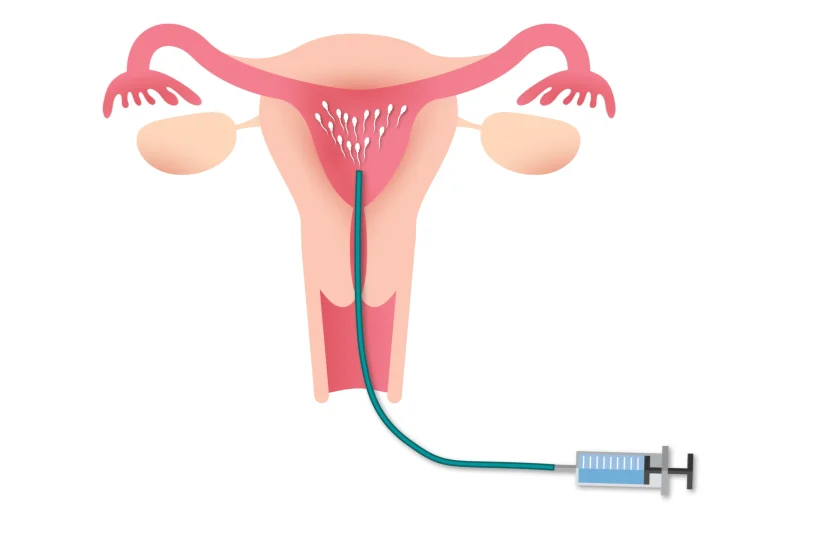
One of the options available to same-sex couples is home insemination. This method involves using a donor’s sperm to fertilize the egg through artificial insemination. While it may sound simple, there are several factors that need to be considered for a successful home insemination. These include choosing a donor, tracking ovulation, and using the right equipment.
Choosing a donor can be a daunting task for same-sex couples. Some may opt for known donors, such as a friend or family member, while others may choose anonymous donors from sperm banks. Whichever route is chosen, it is important to thoroughly research and consider all factors, such as medical history, genetic testing, and personal preferences. It is also recommended to consult with a fertility specialist to ensure the donor meets all necessary requirements.
Tracking ovulation is crucial for home insemination, as it increases the chances of successful fertilization. This can be done through ovulation predictor kits, basal body temperature monitoring, and tracking cervical mucus changes. It is important to note that same-sex couples may require additional assistance from a fertility specialist due to the lack of a male partner’s sperm, which can impact the timing and success of home insemination.
Same-Sex Couples and Infertility: Finding Hope in Home Insemination and IVF
Another important aspect of home insemination is using the right equipment. This includes sterile containers for collecting and storing the donor’s sperm, as well as a syringe or softcup for insemination. It is crucial to follow proper procedures for handling and storing the sperm to avoid contamination and ensure its viability.
While home insemination can be a more affordable and intimate option for same-sex couples, it may not be the best fit for everyone. In some cases, same-sex couples may need to turn to more advanced fertility treatments, such as in vitro fertilization (IVF).
IVF involves retrieving eggs from the female partner and fertilizing them with donor sperm in a laboratory. The resulting embryos are then transferred to the uterus for implantation. This process requires a significant financial investment and can be physically and emotionally taxing. However, it offers a higher success rate compared to home insemination, making it a more viable option for some same-sex couples.
It is also worth mentioning that same-sex couples may face additional challenges when choosing IVF, such as finding a fertility clinic that is LGBTQ+ friendly and having to navigate the legal and social aspects of using donor sperm and surrogacy.
Despite the challenges and uncertainties that come with infertility and alternative methods of conception, there is hope for same-sex couples. With advancements in technology and increasing acceptance and support for LGBTQ+ families, there are more options and resources available than ever before.
Whether it is through home insemination or IVF, same-sex couples can find hope and fulfillment in their journey to parenthood. It is important for couples to seek support from each other, their loved ones, and professionals who specialize in LGBTQ+ fertility. With determination and perseverance, same-sex couples can overcome the challenges of infertility and build the family of their dreams.
In summary, same-sex couples face unique challenges when dealing with infertility. However, with the help of home insemination and IVF, they can find hope and fulfillment in their journey to parenthood. It is important to thoroughly research and consider all options, as well as seek support from professionals and loved ones. With determination and perseverance, same-sex couples can overcome the barriers of infertility and fulfill their dream of starting a family.