Blog Post:
For same-sex couples, starting a family can often involve more hurdles and financial considerations than for heterosexual couples. While adoption and surrogacy are popular options, many same-sex couples also turn to home insemination or in vitro fertilization (IVF) to conceive a child. However, these methods can come with a hefty price tag, making it important for couples to understand the financial aspect of home insemination and IVF.
Home insemination is a method where a couple uses a donor’s sperm to inseminate the female partner at home. This method is often preferred by same-sex couples as it allows them to have a more intimate and personal experience compared to other methods. However, there are still some financial considerations to take into account. The cost of sperm donors can range from a few hundred to a few thousand dollars, depending on the clinic and the type of donor (anonymous or known). Additionally, couples may also need to purchase ovulation predictor kits and other supplies for the insemination process.
IVF, on the other hand, involves retrieving eggs from the female partner and fertilizing them with donor sperm in a laboratory setting. The resulting embryo is then transferred into the female partner’s uterus. IVF is a more complex and expensive option compared to home insemination. The average cost of an IVF cycle in the United States is around $12,000-$15,000, not including medication and other additional expenses. For same-sex couples, IVF may also involve using a gestational carrier (surrogate), which can add an additional $20,000-$30,000 to the total cost.
One major factor that affects the cost of home insemination and IVF for same-sex couples is the use of a sperm donor. While some couples may opt for known donors, many choose to use sperm banks for donor sperm. Sperm banks offer a variety of donor options, including ethnicity, physical characteristics, and medical history. However, this convenience comes at a cost. The price of donor sperm can range from $500 to $1,000 per vial, and couples may need multiple vials for each insemination or IVF cycle.
Another important consideration for same-sex couples is the cost of fertility treatments and medications. While some insurance plans may cover fertility treatments, they often do not cover treatments for same-sex couples. This means that couples will have to pay out of pocket for procedures such as IVF. In addition, medications used during IVF can also be costly, ranging from a few hundred to a few thousand dollars per cycle.
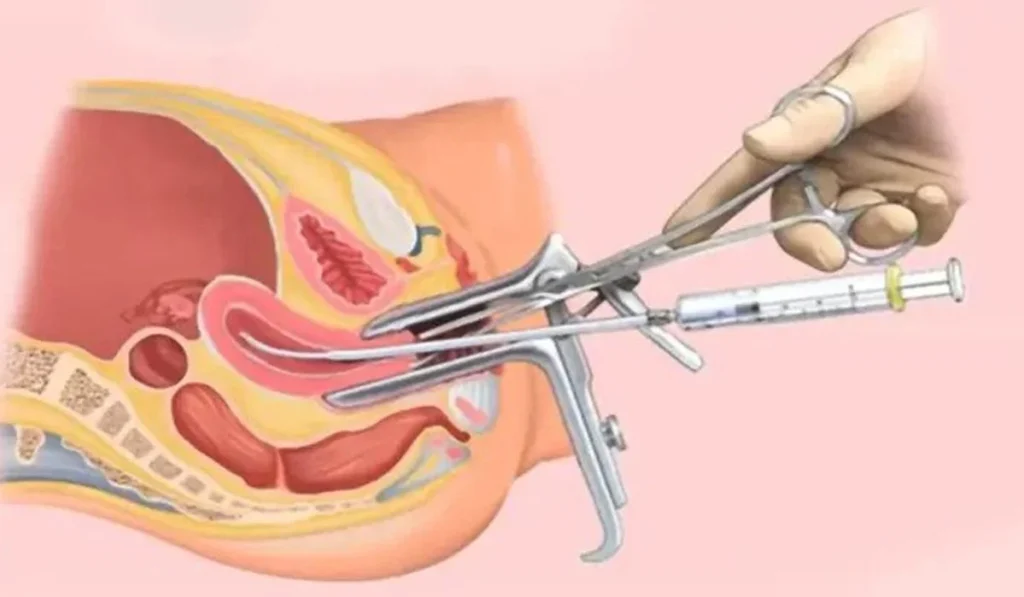
The Financial Aspect of Home Insemination and IVF for Same-Sex Couples
The cost of home insemination and IVF can also vary depending on the location. In some countries, such as the United Kingdom and Canada, IVF is covered by national healthcare systems, making it more accessible and affordable for same-sex couples. However, in the United States, the cost of fertility treatments can vary greatly from state to state, with some states having significantly higher costs due to a lack of insurance coverage and higher demand for services.
Aside from the direct costs of home insemination and IVF, couples may also need to consider indirect costs such as time off work, travel expenses, and childcare. For many same-sex couples, the process of home insemination and IVF may involve multiple appointments, procedures, and travel to different locations, which can add up quickly.
Despite the high costs, many same-sex couples are willing to invest in home insemination and IVF to start a family. This decision is often driven by a strong desire to have a biological connection to their child and to have a more active role in the conception process. Additionally, for some couples, the financial aspect of home insemination and IVF may not be as daunting, especially if they have been planning and saving for this journey for a long time.
In recent years, there has been a growing number of resources and support for same-sex couples looking to start a family through home insemination and IVF. Many fertility clinics now offer financing options and payment plans to make the process more affordable. There are also nonprofit organizations and grants available specifically for LGBTQ+ individuals and couples seeking fertility treatments.
In conclusion, the financial aspect of home insemination and IVF for same-sex couples is a significant consideration in the journey to starting a family. From the cost of sperm donors and fertility treatments to indirect expenses, there are many factors to take into account. However, with proper planning and support, many same-sex couples are able to overcome these financial challenges and fulfill their dreams of having a child.
Summary:
Same-sex couples face unique challenges when it comes to starting a family, and many turn to home insemination or IVF as a way to conceive. However, these methods can come with a hefty price tag, with costs ranging from a few thousand to tens of thousands of dollars. The use of sperm donors, fertility treatments, and indirect expenses all contribute to the overall cost. Despite these challenges, many same-sex couples are willing to invest in home insemination and IVF to have a biological connection to their child. With the availability of financing options and support from organizations, these couples are able to overcome the financial aspect and fulfill their dreams of starting a family.