Tag: anxiety

  • The Psychological Effects: Intrauterine Insemination vs Low-Tech IVF

    The Psychological Effects: Intrauterine Insemination vs Low-Tech IVF

    When it comes to fertility treatments, there are various options available to couples who are struggling to conceive. Two of the most common treatments are intrauterine insemination (IUI) and low-tech in vitro fertilization (IVF). While both treatments have similar success rates, they differ greatly in terms of the psychological effects they may have on the individuals undergoing them. In this blog post, we will delve into the psychological effects of IUI and low-tech IVF and explore the potential impact on couples’ emotional well-being.

    Intrauterine Insemination (IUI)

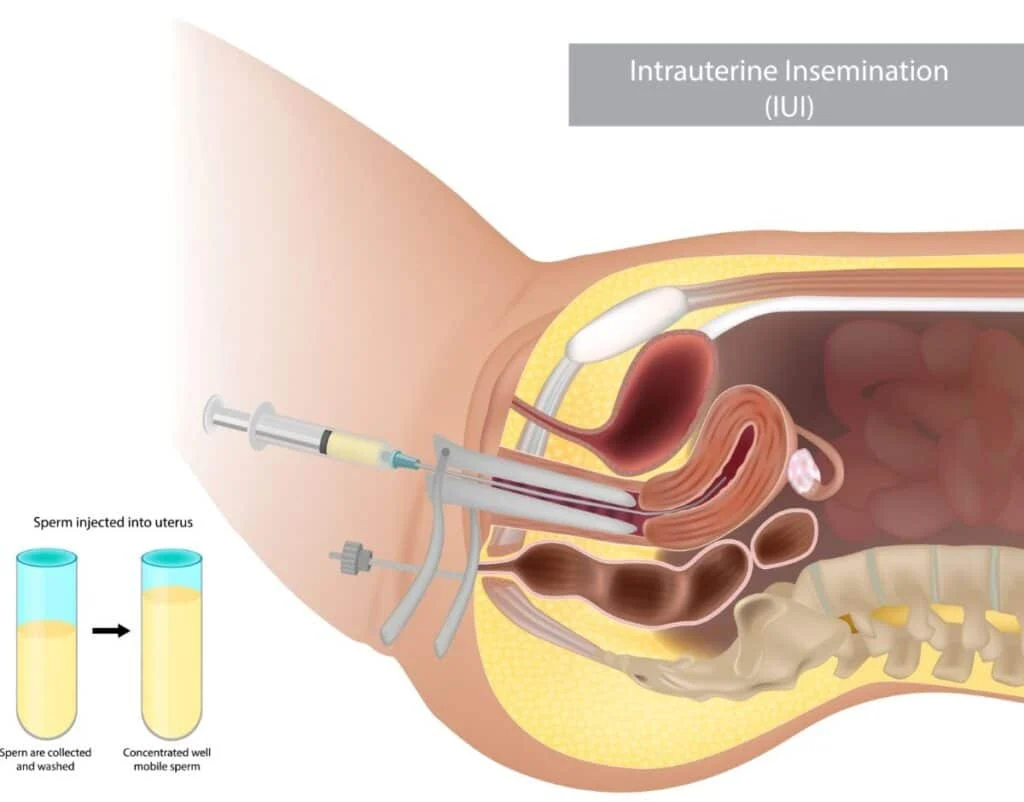
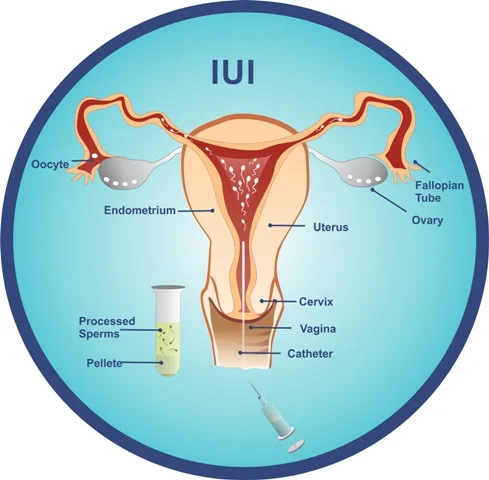
    IUI involves placing washed and concentrated sperm directly into a woman’s uterus during ovulation. It is a relatively simple and non-invasive procedure that can be done in a doctor’s office. However, despite its simplicity, IUI can have significant psychological effects on individuals undergoing the treatment.

    One of the most common psychological effects of IUI is anxiety. Many couples experience high levels of stress and worry during the waiting period between the procedure and the pregnancy test. This can be due to the uncertainty of whether the procedure will be successful or not. The constant wondering and questioning can lead to a rollercoaster of emotions, including fear, disappointment, and hopelessness.

    Another psychological effect of IUI is the impact on a couple’s intimacy. The procedure can feel clinical and impersonal, which can cause feelings of detachment and strain on the relationship. This can be particularly challenging for couples who have been struggling with infertility for an extended period, as it adds another layer of stress to their already strained relationship.

    Low-Tech IVF

    Low-tech IVF, also known as mini-IVF or natural cycle IVF, is a less intense and more affordable version of traditional IVF. It involves using low doses of medication to stimulate the ovaries, and the eggs are retrieved and fertilized in the same way as with traditional IVF. However, the psychological effects of low-tech IVF can differ greatly from IUI.
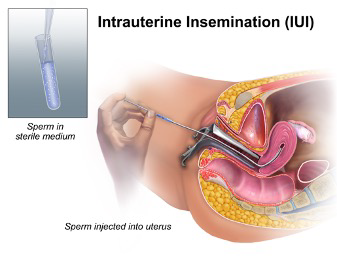
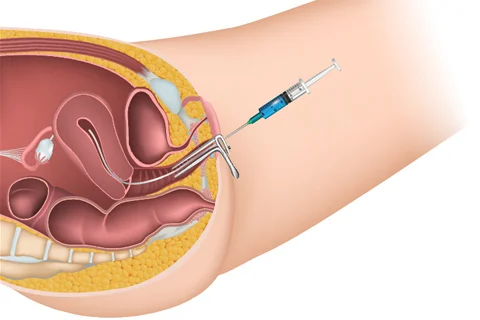
    Illustration of intrauterine insemination (IUI) procedure, showing sperm injection into the uterus.

    The Psychological Effects: Intrauterine Insemination vs Low-Tech IVF

    One of the most significant psychological effects of low-tech IVF is the pressure to succeed. Due to the higher financial investment and the more invasive nature of the treatment, couples may feel a significant amount of pressure to have a successful outcome. This pressure can lead to increased levels of stress, anxiety, and disappointment if the treatment is not successful.

    Another psychological effect of low-tech IVF is the impact on self-esteem. Many individuals undergoing fertility treatments may already feel a sense of failure or inadequacy due to their struggles with conception. The added pressure and potential failure of low-tech IVF can exacerbate these feelings and lead to a negative self-image.

    Comparison of Psychological Effects

    While both IUI and low-tech IVF can have significant psychological effects, there are some notable differences between the two treatments. IUI may cause more stress and anxiety during the waiting period between the procedure and pregnancy test, while low-tech IVF can lead to increased pressure and impact on self-esteem. Additionally, the impersonal nature of IUI can strain a couple’s intimacy, while the investment and invasive nature of low-tech IVF can put a strain on the couple’s relationship.

    Managing the Psychological Effects

    It is essential for couples undergoing fertility treatments to be aware of the potential psychological effects and take steps to manage them. One way to do this is by seeking support from a therapist or counselor who specializes in infertility. Talking through their feelings and concerns can help individuals and couples cope with the stress and anxiety of the treatments. Additionally, practicing self-care and finding healthy ways to cope with the emotional rollercoaster can also be beneficial. This may include activities such as exercise, meditation, or spending quality time with loved ones.

    In conclusion, both IUI and low-tech IVF can have significant psychological effects on individuals and couples undergoing fertility treatments. While IUI may cause more stress and impact on intimacy, low-tech IVF can lead to pressure and self-esteem issues. It is crucial for individuals and couples to be aware of these potential effects and take steps to manage them in a healthy way. Seeking support and practicing self-care can help individuals cope with the emotional challenges of fertility treatments and improve their overall well-being.

    Summary:

    Intrauterine insemination (IUI) and low-tech in vitro fertilization (IVF) are two common fertility treatments with similar success rates. However, they differ greatly in terms of the psychological effects they may have on individuals undergoing them. IUI may cause anxiety and impact intimacy, while low-tech IVF can lead to pressure and self-esteem issues. It is essential for couples to be aware of these effects and seek support from a therapist or practice self-care to cope with the emotional challenges of fertility treatments.
  • The Benefits of Mindfulness for Couples Struggling with Fertility

    Blog Post: The Benefits of Mindfulness for Couples Struggling with Fertility

    Fertility struggles can be a difficult and emotionally taxing experience for couples. The journey to conceive can be filled with uncertainty, stress, and disappointment. This can take a toll on both individuals and their relationship. However, incorporating mindfulness practices into their daily lives can have numerous benefits for couples who are struggling with fertility. In this blog post, we will explore the ways in which mindfulness can help couples cope with fertility challenges and improve their overall well-being.

    What is Mindfulness?

    Mindfulness is the practice of being present and aware of one’s thoughts, feelings, and surroundings without judgment. It involves intentionally paying attention to the present moment and accepting it as it is. This practice originated from Buddhist teachings but has gained popularity in Western psychology as a tool for managing stress, anxiety, and other mental health issues.

    Benefits of Mindfulness for Couples Struggling with Fertility

    1. Reduces Stress and Anxiety

    Couples struggling with infertility often experience high levels of stress and anxiety. This can be due to the pressure of trying to conceive, the fear of not being able to have children, and the emotional rollercoaster of fertility treatments. Mindfulness can help reduce these negative emotions by promoting relaxation and calming the mind. By focusing on the present moment, couples can let go of worries about the future and find a sense of peace and calm.

    2. Improves Communication and Connection

    Fertility struggles can strain a couple’s relationship, as they may experience feelings of frustration, disappointment, and even resentment towards each other. Mindfulness can help couples improve their communication and connection by fostering empathy and understanding. By being present and truly listening to each other without judgment, couples can strengthen their bond and support each other through this difficult journey.

    3. Increases Self-Awareness and Acceptance

    diagram illustrating intrauterine insemination (IUI) with labeled reproductive anatomy and procedures

    The Benefits of Mindfulness for Couples Struggling with Fertility

    Mindfulness encourages individuals to be aware of their thoughts and feelings without reacting to them. This can help couples struggling with fertility to become more in tune with their emotions and thoughts related to their fertility journey. By accepting these thoughts and feelings without judgment, couples can develop a more positive outlook and find ways to cope with their challenges.

    4. Promotes a Positive Mindset

    The journey to conceive can be a rollercoaster of emotions, with highs and lows. Mindfulness can help couples maintain a positive mindset by focusing on the present moment and being grateful for what they have. This practice can also help them let go of negative thoughts and worries about the future, which can be detrimental to their mental health.

    5. Coping with Disappointment and Grief

    Couples struggling with fertility may experience disappointment and grief when they are unable to conceive. These feelings can be overwhelming and difficult to cope with. Mindfulness can help individuals acknowledge and accept these emotions without judgment, allowing them to process and move forward in a healthy way.

    6. Improves Sleep Quality

    Fertility struggles can also disrupt sleep patterns, as individuals may have trouble falling or staying asleep due to stress and anxiety. Mindfulness practices, such as meditation and deep breathing, can help calm the mind and promote relaxation, leading to better sleep quality.

    7. Enhances Overall Well-being

    Practicing mindfulness can have a positive impact on an individual’s overall well-being. It can reduce stress, improve emotional regulation, and promote a sense of calm and contentment. By taking care of their mental and emotional health, couples can have a better quality of life and be better equipped to handle the challenges of fertility struggles.

    In summary, mindfulness can be a valuable tool for couples struggling with fertility. It can help reduce stress and anxiety, improve communication and connection, promote a positive mindset, and enhance overall well-being. By incorporating mindfulness into their daily routine, couples can navigate their fertility journey with more resilience and find peace and acceptance along the way.

  • The Emotional Rollercoaster of At-Home Insemination: Coping Strategies

    Blog Post:

    At-home insemination, also known as self-insemination or self-injection, is a method of assisted reproduction that involves inserting sperm into the vagina or cervix without medical assistance. This method is often chosen by couples or individuals who are trying to conceive but are unable to do so naturally. While at-home insemination can be a hopeful and exciting journey, it can also be an emotional rollercoaster. In this blog post, we will explore the different emotions that can come with at-home insemination and provide some coping strategies to help you navigate this journey.

    The Emotional Rollercoaster:

    1. Hope and excitement: The decision to try at-home insemination is often accompanied by a sense of hope and excitement. After months or even years of trying to conceive, this method can feel like a glimmer of hope. You may feel excited about the possibility of finally becoming pregnant and starting a family.

    2. Anxiety and fear: Despite the hope and excitement, at-home insemination can also bring about feelings of anxiety and fear. You may worry about the success rate of the method, the potential challenges, and the financial burden. The fear of not being able to conceive can also be overwhelming.

    3. Frustration and disappointment: At-home insemination is not a guaranteed method of conception, and it can take several attempts before achieving a positive result. This can lead to feelings of frustration and disappointment, especially if you have been trying for a long time. It is important to remember that conception is a journey, and it may take time to achieve your goal.

    4. Isolation and loneliness: At-home insemination can be a very private and isolating experience. Unlike other methods of assisted reproduction that involve medical professionals, at-home insemination relies solely on you and your partner. This can lead to feelings of loneliness and isolation, especially if you do not have a support system in place.

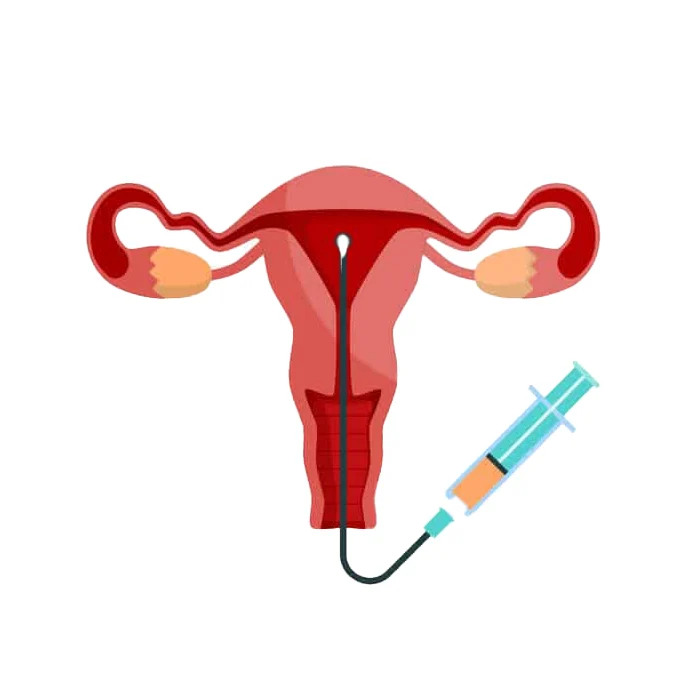
    illustration of intrauterine insemination procedure with a syringe and catheter in the uterus.

    The Emotional Rollercoaster of At-Home Insemination: Coping Strategies

    5. Stress and pressure: The process of at-home insemination can be physically and emotionally demanding. The constant tracking of ovulation, timing intercourse, and waiting for results can be stressful and put pressure on you and your partner. This can lead to arguments and strain in your relationship.

    Coping Strategies:

    1. Educate yourself: One of the best ways to cope with the emotional rollercoaster of at-home insemination is to educate yourself about the process. Talk to your doctor, do research, and join online support groups. Knowing what to expect can help ease your fears and anxieties.

    2. Communicate with your partner: Open and honest communication with your partner is crucial during this journey. Talk about your feelings, fears, and hopes. Support each other and be there for one another during the ups and downs.

    3. Seek support: It is essential to have a support system in place during at-home insemination. This can include friends, family, or a therapist who can provide emotional support and guidance. You can also join online support groups to connect with others who are going through a similar experience.

    4. Take breaks: The process of at-home insemination can be emotionally draining. It is important to take breaks and allow yourself to relax and recharge. This can be as simple as going for a walk, meditating, or taking a day off from tracking ovulation and timing intercourse.

    5. Practice self-care: Taking care of your physical and mental well-being is crucial during this journey. Eat well, exercise, and get enough rest. Engage in activities that bring you joy and help you relax. This can include reading, watching a movie, or spending time with loved ones.

    In summary, at-home insemination can be a rollercoaster of emotions, but there are coping strategies that can help you navigate this journey. Educate yourself, communicate with your partner, seek support, take breaks, and practice self-care. Remember to be patient and kind to yourself, and know that you are not alone in this journey.

  • The Mind-Body Connection: How Fertility Acupuncture Can Help with Stress and Anxiety

    The Mind-Body Connection: How Fertility Acupuncture Can Help with Stress and Anxiety

    The mind and body are deeply interconnected, and this connection plays a crucial role in our overall health and well-being. This is especially true when it comes to fertility and the ability to conceive. Stress and anxiety can have a significant impact on fertility, and acupuncture has been shown to be an effective treatment for both issues. In this blog post, we will explore the mind-body connection and how fertility acupuncture can help with stress and anxiety, ultimately increasing the chances of successful conception.

    Understanding the Mind-Body Connection

    The mind and body are not separate entities; rather, they work together in a complex and intricate system. What affects one will inevitably affect the other. This is particularly evident in the case of stress and anxiety. When we experience stress, our bodies release a hormone called cortisol, which can have a negative impact on our reproductive system. High levels of cortisol can disrupt the delicate balance of hormones necessary for ovulation and can also decrease sperm count and motility in men.

    Similarly, anxiety can also have a detrimental effect on fertility. Women who struggle with anxiety may have irregular menstrual cycles or even stop ovulating altogether. Additionally, anxiety can cause tension in the pelvic area, which can interfere with the implantation of a fertilized egg.

    How Acupuncture Can Help

    Acupuncture is a form of traditional Chinese medicine that involves the insertion of thin needles into specific points on the body. It is based on the belief that there is a flow of energy, known as Qi, in the body that can become blocked, leading to illness and disease. By stimulating specific points on the body, acupuncture aims to unblock the flow of Qi and restore balance to the body.

    Diagram illustrating intrauterine insemination (IUI) procedure with sperm injection into the uterus.

    The Mind-Body Connection: How Fertility Acupuncture Can Help with Stress and Anxiety

    When it comes to fertility, acupuncture has been shown to be a safe and effective treatment for stress and anxiety. Studies have shown that acupuncture can reduce the levels of cortisol in the body, thereby decreasing stress and its negative impact on fertility. It can also help to regulate the menstrual cycle and improve the quality of ovulation. Acupuncture has also been found to increase the production of endorphins, which are the body’s natural feel-good hormones, promoting relaxation and reducing anxiety.

    Acupuncture can also address any physical symptoms that may be contributing to stress and anxiety. For example, if a woman is experiencing pain or discomfort in the pelvic area, acupuncture can help to alleviate this, reducing tension and promoting relaxation.

    In addition to its physical benefits, acupuncture also has a calming effect on the mind. The process of the treatment itself can be deeply relaxing, allowing individuals to let go of stress and worries and enter a state of calm. This can be particularly beneficial for those struggling with anxiety, as it provides a much-needed break from the constant cycle of anxious thoughts.

    Other Benefits of Acupuncture for Fertility

    In addition to its ability to reduce stress and anxiety, acupuncture has a range of other benefits for fertility. It can help to regulate the menstrual cycle and improve the quality of ovulation, increasing the chances of successful conception. Acupuncture has also been shown to improve blood flow to the uterus, which can improve the chances of embryo implantation and reduce the risk of miscarriage.

    Acupuncture can also be used in conjunction with other fertility treatments, such as in vitro fertilization (IVF). Studies have shown that acupuncture can improve the success rates of IVF by up to 60%. It can also help to reduce the side effects of fertility medications and increase the chances of a healthy pregnancy.

    In addition to its physical benefits, acupuncture can also provide emotional support for those struggling with fertility issues. The process of trying to conceive can be emotionally draining, and acupuncture can offer a safe and supportive space to process these feelings. It can also help individuals to feel more in control of their fertility journey, reducing feelings of helplessness and anxiety.

    In summary, the mind and body are deeply interconnected, and this connection plays a crucial role in fertility. Stress and anxiety can have a significant impact on fertility, but acupuncture has been shown to be an effective treatment for both issues. By addressing both the physical and emotional aspects of fertility, acupuncture can help individuals to reduce stress and anxiety, ultimately increasing their chances of successful conception.

  • The Physical and Emotional Side Effects of Male and Female Infertility Treatments

    Blog Post Title: The Physical and Emotional Side Effects of Male and Female Infertility Treatments

    Infertility is a common struggle for many couples around the world. According to the Centers for Disease Control and Prevention, about 6% of married women aged 15 to 44 years in the United States have difficulty getting pregnant or carrying a pregnancy to term. This has led to the rise of fertility treatments, which aim to help couples conceive and start a family. However, along with the benefits of these treatments, there are also physical and emotional side effects that need to be considered.

    In this blog post, we will discuss the various physical and emotional side effects of male and female infertility treatments. Understanding these potential effects can help couples prepare for the journey ahead and make informed decisions about their treatment options.

    Physical Side Effects:

    1. Hormonal Changes: One of the most common side effects of fertility treatments is hormonal changes. This is because most treatments involve the use of hormones to stimulate ovulation or improve sperm production. These hormonal changes can cause mood swings, headaches, bloating, and breast tenderness.

    2. Multiple Pregnancies: Fertility treatments, especially in-vitro fertilization (IVF), increase the chances of multiple pregnancies. While this may seem like a blessing, carrying multiple fetuses can put a strain on the body and increase the risk of complications during pregnancy and birth.

    3. Ovarian Hyperstimulation Syndrome (OHSS): OHSS is a potential side effect of fertility drugs that stimulate the ovaries to produce multiple eggs. This condition can cause bloating, abdominal pain, and in severe cases, fluid buildup in the chest and abdomen, which can be life-threatening.

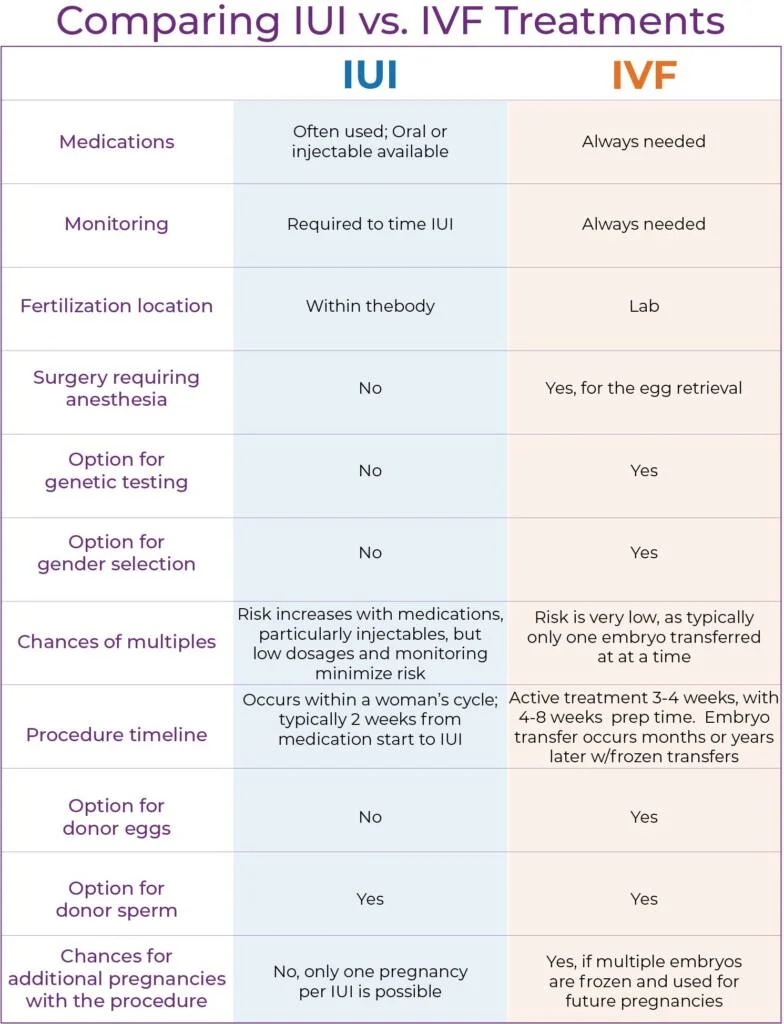
    4. Surgical Complications: Some fertility treatments, such as intrauterine insemination (IUI) and IVF, may require minor surgeries. While these procedures are generally safe, there is always a risk of complications, such as infections or damage to the reproductive organs.

    5. Fertility Drug Side Effects: Fertility drugs can have various side effects, including headaches, hot flashes, mood swings, and nausea. In rare cases, they can also cause more severe side effects, such as blood clots, stroke, or ovarian cancer.

    Comparison chart of IUI and IVF treatments, detailing medications, monitoring, procedures, and success rates.

    The Physical and Emotional Side Effects of Male and Female Infertility Treatments

    Emotional Side Effects:

    1. Stress and Anxiety: The process of fertility treatments can be emotionally taxing for couples. The constant monitoring, injections, and uncertainty of success can lead to stress, anxiety, and even depression. This can put a strain on the couple’s relationship and affect their overall well-being.

    2. Financial Burden: Fertility treatments can be expensive, and the cost can add up quickly, especially if multiple cycles are needed. This financial burden can cause stress and put a strain on the couple’s finances, leading to further emotional distress.

    3. Loss of Control: Infertility treatments can make couples feel like they have no control over their bodies and their ability to conceive. This loss of control can be frustrating and emotionally challenging, especially for those who are used to planning and achieving their goals.

    4. Social Isolation: Dealing with infertility can be a lonely and isolating experience. It can be challenging for couples to open up to friends and family about their struggles, which can lead to feelings of loneliness and isolation.

    5. Coping with Failure: Despite the advancements in fertility treatments, there is still no guarantee of success. Couples may go through multiple cycles with no success, which can be emotionally devastating. Dealing with the failure of treatment can take a toll on one’s mental health and well-being.

    In conclusion, while fertility treatments offer hope to couples struggling with infertility, it is essential to understand the potential physical and emotional side effects that come with it. The physical side effects can range from hormonal changes to more severe complications, while the emotional side effects can take a toll on the couple’s mental health and well-being. It is crucial for couples to have open communication with their healthcare provider and each other to cope with these potential side effects and make informed decisions about their treatment journey.

    Summary:

    Infertility treatments, while offering hope to couples struggling to conceive, can also come with physical and emotional side effects. The physical side effects can include hormonal changes, multiple pregnancies, OHSS, surgical complications, and fertility drug side effects. On the other hand, emotional side effects can range from stress and anxiety to financial burden, loss of control, social isolation, and coping with failure. Understanding these potential effects can help couples prepare for their treatment journey and make informed decisions. Open communication with healthcare providers and each other is crucial in coping with these side effects and maintaining overall well-being.

  • The Emotional Impact of Fertility Treatment: A Comparison

    Title: The Emotional Impact of Fertility Treatment: A Comparison

    Introduction:

    Fertility treatment is a common and often necessary step for couples who are struggling to conceive. While the ultimate goal is to have a successful pregnancy and a healthy baby, the journey to get there can be emotionally taxing. In this blog post, we will explore the different types of fertility treatments and the emotional impact they can have on couples.

    Types of Fertility Treatment:

    There are various types of fertility treatment available, each with its own set of procedures, medications, and success rates. The most common types include intrauterine insemination (IUI), in vitro fertilization (IVF), and fertility drugs.

    IUI is a procedure in which sperm is directly inserted into the uterus during ovulation, while IVF involves fertilizing eggs with sperm in a laboratory and then implanting the fertilized embryo into the uterus. Fertility drugs, on the other hand, are medications that help stimulate ovulation or increase the chances of conception.

    Emotional Impact of Fertility Treatment:

    The emotional impact of fertility treatment can vary greatly depending on the type of treatment, the success rate, and the individual’s personal experiences. However, there are some common emotional challenges that many couples face during their fertility journey.

    1. Stress and Anxiety:

    The process of fertility treatment can be physically and emotionally demanding. From undergoing invasive procedures to constantly monitoring ovulation and hormone levels, it can be a stressful and anxiety-inducing experience for many couples.

    The fear of failure and the uncertainty of whether the treatment will be successful can also contribute to high levels of stress and anxiety. This can take a toll on the mental and emotional well-being of both partners and can strain their relationship.

    2. Grief and Loss:

    Fertility treatment can also be a rollercoaster of emotions. Every month, there is hope for a positive pregnancy test, but when it doesn’t happen, it can be devastating for couples. The constant disappointment and feeling of loss can lead to feelings of grief and sadness.

    Moreover, if a couple has to go through multiple failed attempts, it can be a constant cycle of hope and disappointment, making it difficult to cope with the emotional toll.

    3. Strain on Relationships:

    Fertility treatment can also put a strain on relationships. The stress, anxiety, and emotional turmoil can lead to conflicts and misunderstandings between partners. The added pressure to conceive and the financial burden of fertility treatment can also take a toll on a couple’s relationship.

    illustration of a uterus with a syringe for intrauterine insemination (IUI) procedure

    The Emotional Impact of Fertility Treatment: A Comparison

    It is important for couples to communicate openly and support each other during this challenging time. Seeking counseling or therapy can also help them navigate their emotions and strengthen their relationship.

    4. Isolation and Shame:

    Many couples going through fertility treatment may feel isolated and ashamed. With societal pressure and expectations to start a family, infertility can make individuals feel like they have failed or are not fulfilling their role as a man or woman.

    This can lead to feelings of shame and guilt, causing individuals to withdraw from social situations and isolate themselves. It is crucial for couples to have a strong support system of friends and family who can provide emotional support and understanding throughout their fertility journey.

    Comparison of Emotional Impact:

    While the emotional impact of fertility treatment can be challenging for all couples, there are some differences in how different types of treatment affect individuals.

    1. IUI vs. IVF:

    As IUI is a less invasive procedure compared to IVF, couples undergoing IUI may experience less stress and anxiety. However, the success rates for IUI are lower compared to IVF, which can lead to more disappointment and grief if the treatment is not successful.

    On the other hand, IVF involves more intensive procedures and medications, leading to higher levels of stress and anxiety. However, the higher success rates of IVF can provide couples with a sense of hope and positivity.

    2. Natural Conception vs. Fertility Drugs:

    For couples using fertility drugs to conceive, the constant monitoring and hormonal changes can cause mood swings and emotional upheaval. However, they may also feel a sense of control over the process and hope for a successful pregnancy.

    On the other hand, couples who conceive naturally may still experience the emotional challenges of trying to conceive, but they may feel less pressure and stress as there are no treatments or procedures involved.

    Conclusion:

    Fertility treatment can be a physically and emotionally challenging journey for couples. The stress, anxiety, grief, and strain on relationships can take a toll on individuals, but by acknowledging and addressing these emotions, couples can better cope with the emotional impact of fertility treatment.

    It is important for couples to have open communication, seek support from friends and family, and consider therapy if needed. Each type of fertility treatment may have its own unique emotional impact, and it is important for couples to be aware of these differences and support each other through the journey.

    Summary:

    Fertility treatment can be emotionally challenging for couples, and the emotional impact may vary depending on the type of treatment. The most common types of fertility treatment include IUI, IVF, and fertility drugs. The emotional impact of fertility treatment can include stress, anxiety, grief, strain on relationships, isolation, and shame. There are also differences in the emotional impact of different types of treatment, such as IUI vs. IVF and natural conception vs. fertility drugs. It is crucial for couples to communicate, seek support, and address their emotions during their fertility journey.