Tag: Regulation

  • The Ethics of Compensated vs Non-Compensated Sperm Donation in Sperm Banks vs Known Donors

    Blog Post: The Ethics of Compensated vs Non-Compensated Sperm Donation in Sperm Banks vs Known Donors

    Sperm donation has been a widely controversial topic for many years, with debates surrounding the ethics of compensated vs non-compensated sperm donation and the use of sperm banks vs known donors. On one hand, sperm donation can bring hope and happiness to individuals or couples struggling with fertility issues. On the other hand, it raises concerns about the potential exploitation of donors and the lack of regulations in the industry. In this blog post, we will delve into the ethical considerations of compensated and non-compensated sperm donation, and the differences between using sperm banks and known donors.

    Compensated Sperm Donation in Sperm Banks:
    Sperm banks are facilities that collect, screen, and store sperm from donors for the purpose of artificial insemination. In exchange for their sperm, donors are typically compensated financially. This raises ethical concerns as some argue that it turns sperm into a commodity and exploits donors who may be in dire financial situations. There have been cases where donors have been paid exorbitant amounts of money for their sperm, leading to questions about the motivations behind their donations.

    Moreover, there is a lack of regulation in the sperm banking industry, which means that donors may not be fully informed about the potential risks and long-term effects of sperm donation. This lack of transparency can also result in donors not being adequately compensated for potential health risks or future responsibilities. Additionally, there is a concern about the anonymity of donors, which can potentially lead to half-siblings unknowingly having relationships.

    Non-Compensated Sperm Donation from Known Donors:
    In contrast, non-compensated sperm donation from known donors refers to the act of a person donating their sperm to someone they know personally, such as a friend or family member. This type of donation is usually done out of altruism and does not involve any financial compensation. However, there are still ethical considerations to take into account.

    illustration of intrauterine insemination procedure with a syringe and catheter in the uterus.

    The Ethics of Compensated vs Non-Compensated Sperm Donation in Sperm Banks vs Known Donors

    Known donors may not be screened or tested as rigorously as donors in sperm banks, which can pose risks to the recipient and potential future offspring. There is also the potential for complicated relationships and legal issues to arise if the donor is known to the recipient and their family. For example, the donor may want to play a role in the child’s life, which can cause conflict and confusion. This can also create legal issues regarding parental rights and responsibilities.

    The Importance of Informed Consent:
    One of the key ethical considerations in both compensated and non-compensated sperm donation is the importance of informed consent. Donors must fully understand the process and potential risks involved in sperm donation, and recipients must be fully informed about the donor’s medical history and any potential genetic risks. Informed consent is crucial in ensuring that all parties involved are fully aware of the potential consequences and responsibilities that come with sperm donation.

    The Role of Regulation:
    In order to address the ethical concerns surrounding sperm donation, there is a need for regulation in the industry. This includes guidelines for screening and testing donors, providing adequate compensation and informed consent, and addressing the issue of donor anonymity. In countries such as the United Kingdom and Canada, there are laws in place that regulate sperm donation and protect the rights of all parties involved. These regulations help to ensure that sperm donation is conducted ethically and responsibly.

    In conclusion, the ethics of compensated vs non-compensated sperm donation in sperm banks vs known donors is a complex and multifaceted issue. Both options have their own set of ethical considerations, and it is important for all parties involved to fully understand the potential risks and responsibilities. Regulation is crucial in promoting ethical practices and protecting the rights of donors, recipients, and potential offspring. Ultimately, the well-being and best interests of all parties involved should be the top priority in any sperm donation process.

    Summary:
    Sperm donation is a controversial topic, with debates surrounding the ethics of compensated vs non-compensated donation and the use of sperm banks vs known donors. Compensated sperm donation in sperm banks raises concerns about exploitation and a lack of regulations, while non-compensated donation from known donors can lead to complicated relationships and legal issues. Informed consent and regulation are crucial in promoting ethical practices and protecting the rights of all parties involved.
  • The Controversy Continues: Should DIY Fertility Treatments be Regulated?

    The topic of DIY fertility treatments has been a controversial subject for many years, with strong arguments on both sides. On one hand, advocates believe that individuals should have the right to take control of their own fertility and have access to affordable treatments. On the other hand, opponents argue that these treatments can pose serious health risks and should be regulated to protect the safety of individuals. As technology advances and more people turn to alternative methods for conceiving, the debate over whether DIY fertility treatments should be regulated continues to be a hotly debated issue.

    The DIY fertility movement gained momentum in the 1970s with the introduction of at-home insemination kits and began to expand in the 1990s with the emergence of the internet. Today, there are a plethora of resources and online communities dedicated to sharing information and providing support for those seeking to conceive through DIY methods. These methods range from using natural supplements and tracking ovulation to more advanced techniques, such as self-administered injections and intrauterine insemination (IUI).

    One of the main arguments in favor of regulating DIY fertility treatments is the potential health risks involved. Many of these treatments, especially those involving injectable hormones, can have serious side effects if not administered correctly. Without proper regulation and oversight, individuals may not have access to accurate information on the dosage and timing of these treatments, putting their health at risk. In addition, some DIY fertility treatments involve using unregulated or untested substances, which can have unknown and potentially harmful effects on the body.

    Moreover, there is concern over the lack of medical supervision in DIY fertility treatments. In traditional fertility clinics, trained professionals monitor the process and are available for consultation and support. However, with DIY methods, individuals may not have access to medical guidance or support, potentially leading to mistakes or complications. In cases where underlying medical conditions may be contributing to infertility, DIY treatments may not address the root cause and could even exacerbate the issue.

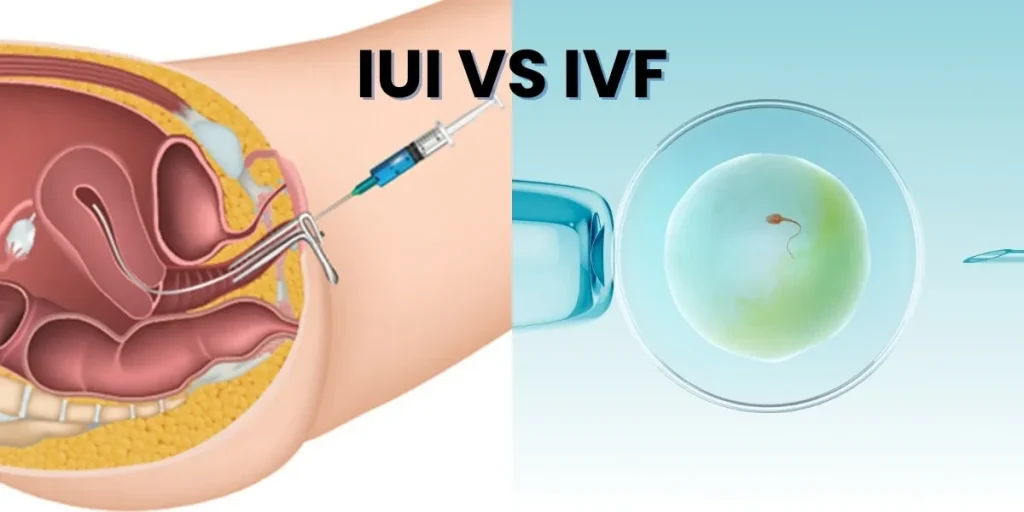
    comparison of IUI and IVF fertility treatments with illustrations of procedures and a petri dish with an egg and sperm

    The Controversy Continues: Should DIY Fertility Treatments be Regulated?

    Opponents of regulation argue that individuals should have the right to make their own choices about their fertility and that regulating DIY treatments would limit their options. They also argue that traditional fertility treatments can be expensive and out of reach for many individuals, making DIY methods a more affordable option. Additionally, some argue that regulating DIY fertility treatments would lead to a decrease in innovation and advancements in the field.

    While there is no denying that the right to choose one’s own path to parenthood is important, the potential risks involved in DIY fertility treatments cannot be ignored. As with any medical procedure, proper regulation and oversight are necessary to ensure the safety and well-being of individuals. This does not necessarily mean banning DIY treatments altogether, but rather implementing measures to ensure that individuals have access to accurate information, proper medical guidance, and safe products.

    One potential solution to the controversy could be to establish a regulatory body specifically for DIY fertility treatments. This organization could set guidelines and standards for safe practices, provide education and resources for individuals, and monitor the safety and effectiveness of DIY methods. This would not only protect the health of individuals but also create a more structured and informed approach to DIY fertility treatments.

    In conclusion, the debate over whether DIY fertility treatments should be regulated is far from over. Both sides have valid arguments, but ultimately, the safety and well-being of individuals seeking to conceive through these methods should be the top priority. While individuals should have the right to choose their own path to parenthood, it is essential to have proper regulations in place to ensure the safety and effectiveness of DIY fertility treatments.

  • The Rise of DIY Fertility: How Technology is Changing the Game

    Summary:

    The rise of do-it-yourself (DIY) fertility has become a popular trend, thanks to the advancements in technology. More and more people are turning to at-home fertility tests, ovulation tracking apps, and even sperm and egg freezing kits to take control of their reproductive health. This shift in the fertility industry has been driven by factors such as convenience, cost-effectiveness, and privacy. However, while DIY fertility has its benefits, it also comes with its own set of challenges and risks. In this blog post, we will explore the rise of DIY fertility, how technology has played a role in this phenomenon, and the potential impact it may have on individuals and society as a whole.

    The Role of Technology in DIY Fertility:

    Technology has been a game-changer in the fertility industry. With the rise of smartphones and other digital devices, it has become easier than ever to track and monitor fertility. Ovulation tracking apps, for instance, use algorithms and data to predict a woman’s fertile window and help her conceive. These apps also allow women to track their periods, monitor their moods and symptoms, and even connect with other users for support and advice.

    Another significant advancement in technology has been the development of at-home fertility tests. These tests allow individuals to measure their hormone levels, sperm count, and overall fertility in the comfort of their own homes. This eliminates the need for costly and often invasive visits to fertility clinics, making it a more accessible option for many.

    DIY fertility has also been empowered by the rise of social media and online communities. With the help of online forums and support groups, individuals can connect with others who are going through similar experiences, share advice, and find emotional support. These online communities have created a safe space for people to openly discuss their fertility journeys, which was once considered a taboo topic.

    The Benefits of DIY Fertility:

    One of the main reasons for the rise of DIY fertility is the convenience it offers. With busy schedules and limited time, many individuals find it challenging to make frequent visits to a fertility clinic. DIY fertility allows them to take control of their reproductive health from the comfort of their own homes and on their own time.

    Cost-effectiveness is another significant advantage of DIY fertility. Traditional fertility treatments can be very expensive, with costs ranging from hundreds to thousands of dollars. DIY fertility options, on the other hand, are often more affordable and accessible, making it a viable option for those who cannot afford traditional treatments.

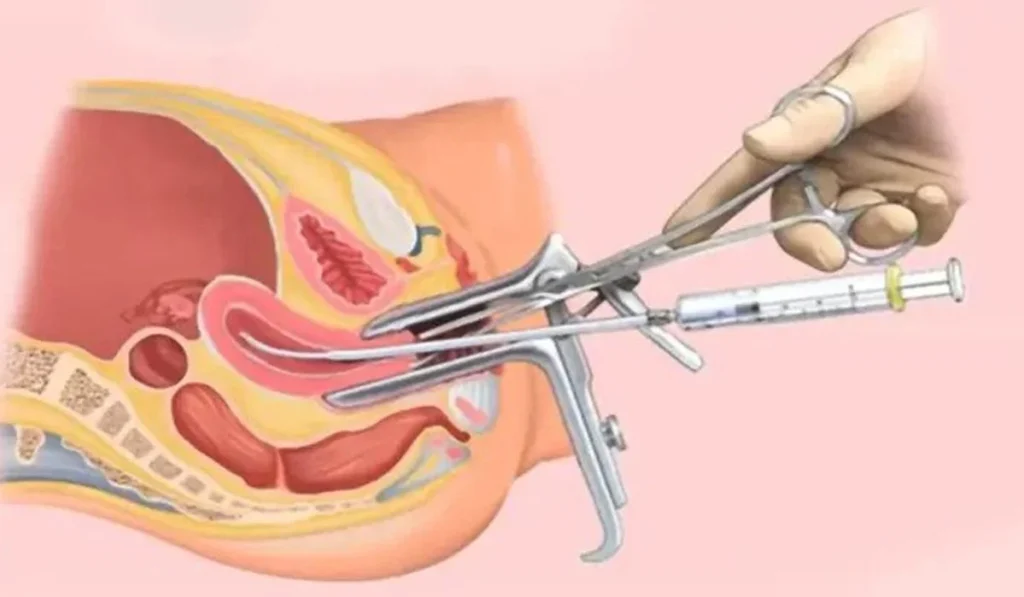
    illustration of an intrauterine insemination procedure with medical instruments and anatomical details

    The Rise of DIY Fertility: How Technology is Changing the Game

    Privacy is also a crucial factor for many individuals when it comes to their fertility journey. While some may feel comfortable seeking help from a fertility clinic, others may prefer the privacy and anonymity that DIY fertility offers. This way, individuals can keep their fertility journey confidential and avoid potential social stigma.

    The Challenges of DIY Fertility:

    Although DIY fertility has its benefits, it also comes with its own set of challenges. One of the main concerns is the accuracy of these at-home tests and apps. While many claim to be highly accurate, there is still a risk of false readings, which can lead to unnecessary worry or false hope. It is essential to do thorough research and consult with a healthcare professional before relying solely on the results of at-home fertility tests.

    Another challenge is the lack of regulation and oversight in the DIY fertility industry. Unlike traditional fertility treatments, which are closely monitored and regulated by healthcare professionals, DIY fertility options do not have the same level of oversight. This can lead to potential risks and complications, especially if individuals are not well-informed or follow the instructions incorrectly.

    The Impact of DIY Fertility on Individuals and Society:

    The rise of DIY fertility has undoubtedly given individuals more control over their reproductive health. It has also opened up options for those who may not have had access to traditional fertility treatments. However, it is essential to consider the potential impact it may have on individuals and society as a whole.

    With the increasing popularity of DIY fertility, there is a concern that it may lead to a decrease in the number of individuals seeking professional medical advice. This could potentially delay or prevent individuals from receiving necessary medical treatment, leading to fertility issues or complications.

    Moreover, the lack of regulation and oversight in the DIY fertility industry raises questions about the safety and ethics of these options. It is crucial for individuals to educate themselves and consult with healthcare professionals before making any decisions about their fertility.

    In conclusion, the rise of DIY fertility has been driven by technology, convenience, and cost-effectiveness. While it has its benefits, it also comes with its own set of challenges and potential risks. As this trend continues to grow, it is essential for individuals to be well-informed and seek guidance from healthcare professionals to make the best decisions for their reproductive health.

  • The Ethics of Donor Conception: Exploring Complex Questions and Considerations

    (Word count: 2009)

    Summary:

    Donor conception, the process of using a donor’s genetic material to create a child, is a complex and controversial topic that raises many ethical questions and considerations. On one hand, it provides hope and opportunity for individuals and couples struggling with infertility, while on the other hand, it raises concerns about the rights and well-being of the donor, the child, and the family created through this process.

    One of the key ethical considerations surrounding donor conception is the issue of informed consent. Donors should be fully informed about the potential implications and consequences of their donation, including the possibility of being contacted by any resulting offspring. Similarly, recipients should also be fully informed about the donor’s identity and any potential medical or genetic information that could affect their child’s health.

    Another ethical concern is the commodification of human reproductive materials. While some argue that individuals have the right to make choices about their own bodies and reproductive processes, others argue that the buying and selling of genetic material can lead to exploitation and objectification of donors. It also raises questions about the fairness and accessibility of donor conception to those who cannot afford it.

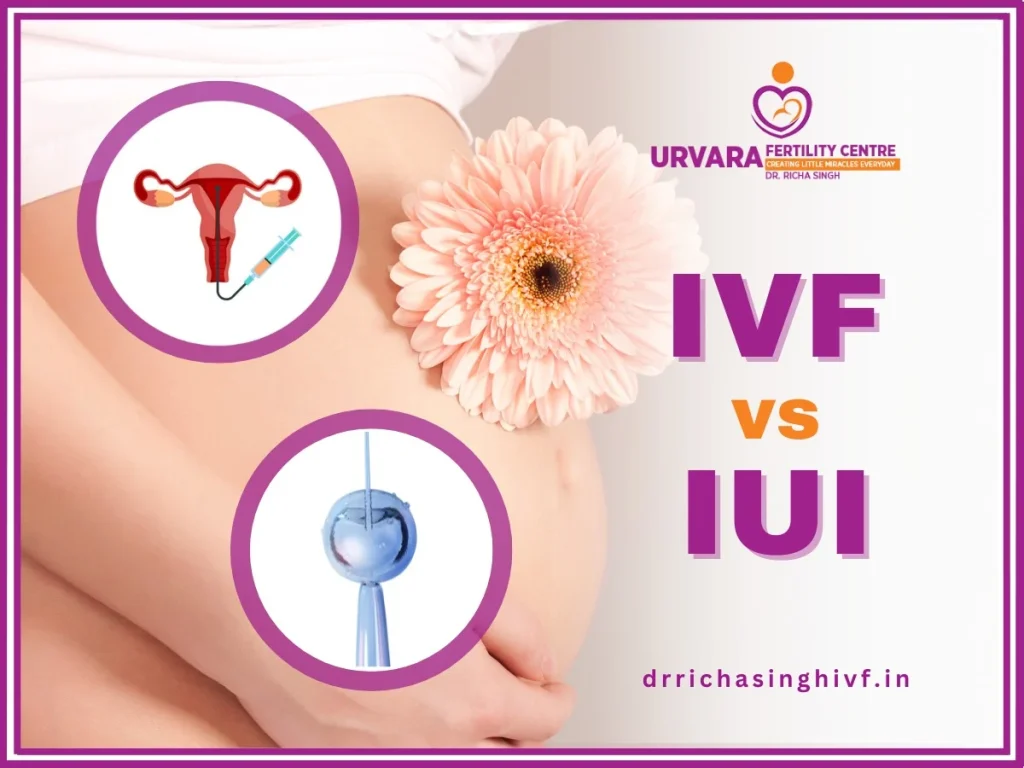
    IVF vs IUI comparison with illustrations of reproductive processes and a flower on a pregnant belly.

    The Ethics of Donor Conception: Exploring Complex Questions and Considerations

    The rights and well-being of the child also come into play in discussions about donor conception. Some argue that a child has the right to know their genetic origins and have access to information about their donor, while others believe that it should be up to the parents to decide when and how to share this information with their child. Additionally, there are concerns about the potential psychological and emotional impact on a child when they learn about their conception through donor material.

    The concept of family is also challenged by donor conception. Traditional notions of biological and genetic ties to one’s family may be disrupted, and this can lead to questions about the role and importance of genetics in defining familial relationships. It also raises questions about the rights and responsibilities of the donor in regards to any resulting children.

    In order to address these ethical considerations, there have been efforts to regulate and standardize the practice of donor conception. This includes guidelines for informed consent, screening and testing of donors, and the creation of donor registries. However, these regulations vary greatly across different countries and can be difficult to enforce.

    It is important to also consider the perspectives and experiences of all parties involved in donor conception. This includes donors, recipients, and the children who are conceived through this process. Donors may have their own personal reasons for donating and may have varying levels of involvement in the lives of any resulting offspring. Recipients may also have their own motivations and may struggle with the decision to use a donor. And for the children, their understanding and feelings about their donor-conceived identity may evolve over time.

    In conclusion, the ethics of donor conception are complex and multifaceted, requiring careful consideration of the rights and well-being of all involved parties. It is important to continue having open and honest discussions about this topic and to prioritize the best interests of any resulting children. Ultimately, the decision to use donor material to create a family is a personal one and should be made with careful consideration and awareness of the ethical implications.