Tag: family law

  • The Legal Implications of Home Insemination: Protecting Your Family’s Future

    Blog Post:

    In recent years, more and more couples and individuals are turning to home insemination as a way to start or expand their families. With advances in technology and the increasing acceptance of non-traditional families, home insemination has become a popular option for those who may not be able to conceive through traditional methods. However, with this rise in popularity comes legal implications that must be considered to protect the future of your family. In this blog post, we will discuss the legal implications of home insemination and how you can ensure that your family’s future is legally protected.

    What is home insemination?

    Home insemination, also known as self-insemination, is the process of using a donor’s sperm to conceive a child without the assistance of a medical professional. This can be done through various methods, such as using a syringe or a special kit that facilitates the process. The donor can be a known or anonymous individual, and the insemination can take place in the comfort and privacy of your own home.

    Legal implications of home insemination:

    1. Parental rights and responsibilities:

    One of the most important legal implications of home insemination is determining the parental rights and responsibilities of all parties involved. In traditional conception, the biological father is automatically considered the legal father of the child. However, in cases of home insemination, the legal status of the donor may not be as clear. In some states, the donor may be considered the legal father unless a written agreement stating otherwise is in place. This can lead to potential custody and child support issues in the future.

    To avoid any confusion or legal battles, it is crucial to have a written agreement in place before the insemination takes place. This agreement should clearly state the intentions of all parties involved, including the donor’s relinquishment of parental rights and responsibilities.

    2. Legal parentage:

    In addition to determining parental rights and responsibilities, home insemination also raises questions about legal parentage. In cases where a same-sex couple is using a donor’s sperm, the non-biological parent may not have legal parentage without a second-parent adoption or a court order. This can have serious implications in terms of custody, inheritance, and decision-making for the child.

    To protect the legal parentage of the non-biological parent, it is important to consult with a family law attorney and complete the necessary legal steps, such as a second-parent adoption or a court order, to establish legal parentage.
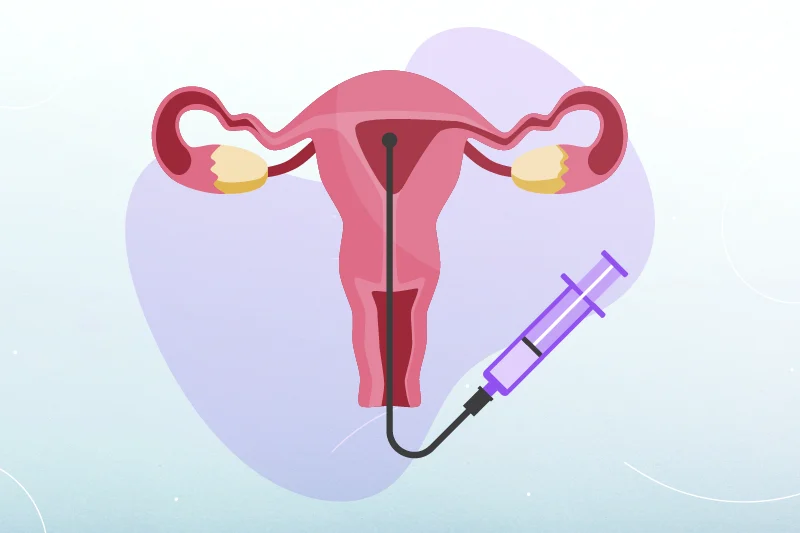
    Illustration of the uterus with a syringe, depicting the intrauterine insemination procedure.

    The Legal Implications of Home Insemination: Protecting Your Family's Future

    3. Medical and genetic history:

    When using a known donor for home insemination, it is essential to consider the medical and genetic history of the donor. In traditional conception through a medical professional, the donor’s medical and genetic history is thoroughly screened. However, in home insemination, this responsibility falls on the individuals involved.

    To protect the future health of your child, it is crucial to have the donor undergo medical and genetic testing before the insemination takes place. This can help identify any potential health risks for the child and ensure that the donor does not carry any hereditary conditions that could affect the child.

    4. Consent and documentation:

    Consent and documentation are critical in any legal matter, and home insemination is no exception. It is essential to have written consent from all parties involved, including the donor and the non-biological parent, if applicable. This will help protect all parties in case of any legal disputes in the future.

    In addition to consent, it is also crucial to keep thorough documentation of the entire process, including any medical or genetic testing, the insemination process, and the written agreement. This documentation can serve as evidence in case of any legal issues that may arise.

    Protecting your family’s future:

    To ensure that your family’s future is legally protected, it is crucial to consult with a family law attorney who has experience in handling home insemination cases. They can provide guidance and assist in creating a comprehensive legal agreement that outlines all parties’ rights and responsibilities. Additionally, they can help navigate the legal process of establishing legal parentage and securing the non-biological parent’s rights.

    In conclusion, home insemination can be a beautiful and rewarding way to start or expand your family. However, it is essential to consider the legal implications and take the necessary steps to protect your family’s future. By consulting with a family law attorney and having a well-documented and legally binding agreement in place, you can ensure that your family is legally protected.

    Summary:

    Home insemination is a popular option for couples and individuals who want to start or expand their families. However, this process comes with legal implications that must be considered to protect the future of your family. These include determining parental rights and responsibilities, legal parentage, medical and genetic history, and the importance of consent and documentation. To protect your family’s future, it is crucial to consult with a family law attorney and have a comprehensive legal agreement in place.
  • The Legal Side of Home Insemination: Ensuring a Safe and Secure Process

    Blog Post Title: The Legal Side of Home Insemination: Ensuring a Safe and Secure Process

    Summary:

    Home insemination, also known as self-insemination, is a method used by many couples and individuals to start or expand their families. It involves using a syringe or other device to insert semen into the vagina or cervix, with the goal of achieving pregnancy. While this process may seem simple and straightforward, there are important legal considerations that must be addressed to ensure a safe and secure process. In this blog post, we will discuss the legal side of home insemination and provide tips for ensuring a smooth and legal process.

    First and foremost, it is important to understand that home insemination is not regulated by the government. This means that there are no laws specifically governing the process, and it is not considered a medical procedure. However, this does not mean that there are no legal implications to consider. The most important aspect to keep in mind is the legal parentage of any resulting children.

    In the United States, parentage is typically determined by biology, marriage, or adoption. This means that if a child is conceived through home insemination, the person who provides the sperm may have legal rights and responsibilities as the child’s biological parent. This could lead to complications if the intended parents are a same-sex couple, a single individual, or a heterosexual couple using a sperm donor. To avoid any potential legal issues, it is important to establish parentage through a legal agreement before beginning the home insemination process.

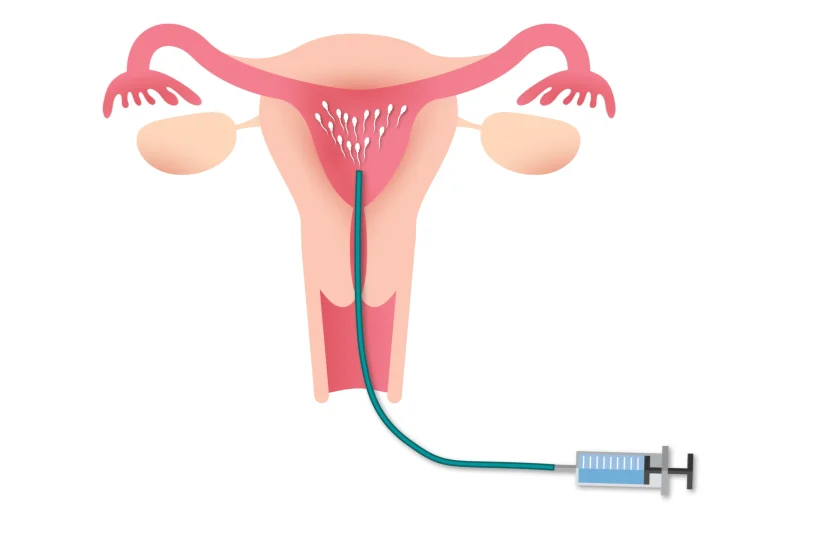
    diagram of a uterus with a syringe for intrauterine insemination procedure

    The Legal Side of Home Insemination: Ensuring a Safe and Secure Process

    The most common type of legal agreement used for home insemination is a known donor agreement. This is a contract between the intended parents and the sperm donor that outlines the rights and responsibilities of each party. This agreement should be drafted by a lawyer and should cover important details such as the donor’s involvement in the child’s life, financial responsibilities, and the intended parents’ rights as legal parents. It is important for all parties involved to fully understand and agree to the terms of the agreement before moving forward with home insemination.

    Another important legal consideration is the use of a sperm bank versus a known donor. Sperm banks are regulated by the FDA and follow strict guidelines for screening and testing donors to ensure the safety of the sperm. However, using a known donor means that the sperm may not undergo the same level of testing and screening. This could potentially put the health and safety of the intended parents and child at risk. It is important to thoroughly research and consider all options before deciding on a sperm source for home insemination.

    In addition to parentage and sperm source, there are other legal aspects to consider when it comes to home insemination. These include the use of a home insemination kit, the cost of the process, and the potential need for legal representation. Home insemination kits can be purchased online, but it is important to research the company and ensure that the products are safe and effective. The cost of home insemination can also vary depending on the method used and any legal fees that may be incurred. It is important to carefully budget and plan for these expenses.

    Finally, it is recommended to consult with a lawyer who specializes in family law before beginning the home insemination process. They can provide guidance, review any legal agreements, and ensure that all parties involved are protected. This can also help prevent any potential legal issues in the future.

    In conclusion, while home insemination may seem like a simple and private process, it is important to address the legal considerations involved to ensure a safe and secure process. Establishing parentage, using a legal agreement, and consulting with a lawyer are all crucial steps to take before beginning home insemination. By understanding and addressing the legal side of home insemination, individuals and couples can embark on their journey to parenthood with peace of mind.

  • Navigating the Legal Landscape of Home Insemination

    Blog Post Title: Navigating the Legal Landscape of Home Insemination: Everything You Need to Know

    Summary:

    Home insemination, also known as at-home artificial insemination, is becoming an increasingly popular option for individuals and couples who are looking to conceive. This method allows for a more intimate and personal approach to starting a family, but navigating the legal implications can be complex and confusing. In this blog post, we will explore the legal landscape of home insemination, including the potential risks and steps to take to protect yourself and your family.

    First and foremost, it’s important to understand the legal definition of home insemination. In most states, home insemination is not considered a medical procedure, as it does not involve a licensed medical professional. Instead, it is seen as a form of “self-help” conception, similar to natural conception. However, laws and regulations may vary from state to state, so it’s crucial to research and understand the laws in your specific state.

    The main legal concern with home insemination is the issue of parentage. In most cases, the person who gives birth to the child is considered the legal parent. However, when it comes to home insemination, this can become more complicated. If you are in a same-sex relationship, for example, the non-biological parent may not have any legal rights to the child unless proper legal steps are taken.

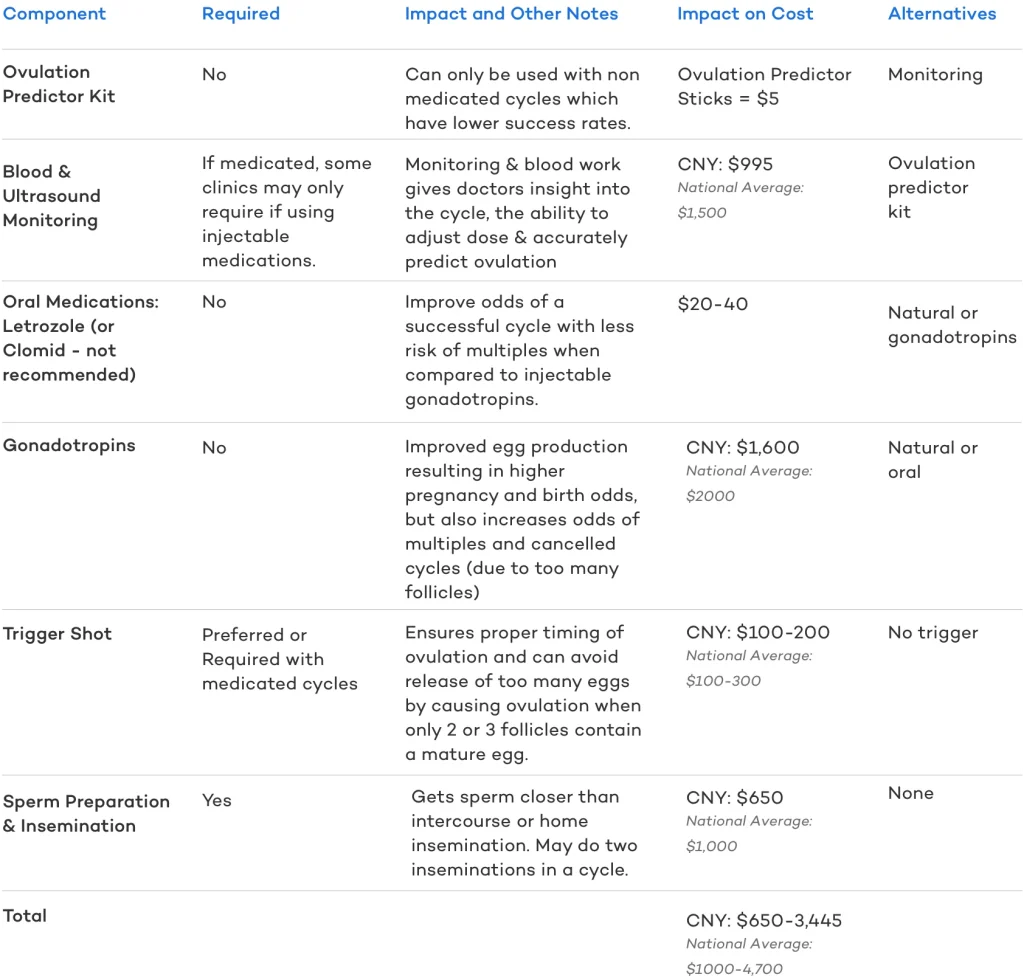
    Cost breakdown for IUI components, including requirements, impacts, and alternatives.

    Navigating the Legal Landscape of Home Insemination

    To avoid any potential legal issues, it’s important to have a written agreement in place before beginning the home insemination process. This agreement should outline the roles and responsibilities of both parties involved, as well as any financial arrangements. It should also address the issue of parentage and establish the legal rights of both parents.

    Another important legal consideration is the use of donor sperm. If you are using a known donor, meaning someone you know personally, it’s crucial to have a written agreement in place that outlines the details of their involvement and any potential parental rights they may have. However, if you are using a sperm bank, the legal rights of the donor are typically terminated upon purchase, and the donor has no legal claim to any resulting children.

    While home insemination may seem like a private and personal matter, it’s important to involve legal professionals in the process. Consulting with a family law attorney can help ensure that all legal requirements are met and that your rights as a parent are protected. They can also provide guidance on the necessary steps to establish legal parentage and protect your family’s future.

    It’s also important to consider the potential risks involved with home insemination. While the process itself is relatively safe, there is always a risk of sexually transmitted infections (STIs) if proper precautions are not taken. It’s crucial to discuss STI testing and protection with your partner or donor before beginning the insemination process.

    In addition to legal considerations, it’s also important to understand the emotional and psychological implications of home insemination. This method of conception can bring up a range of emotions and may have a significant impact on all parties involved. It’s important to have open and honest communication and to seek support from a therapist or counselor if needed.

    In conclusion, home insemination can be a wonderful and intimate way to start a family, but it’s important to navigate the legal landscape carefully. Understanding the laws in your state, having written agreements in place, involving legal professionals, and taking precautions against potential risks are all crucial steps to protect yourself and your family. With the right preparation and guidance, home insemination can be a successful and fulfilling journey towards parenthood.

  • The Legal Implications of Using Sperm Banks vs Known Donors

    Sperm donation has become a popular option for couples and individuals struggling with fertility issues or looking to start a family. However, there are important legal implications to consider when choosing between using a sperm bank or a known donor.

    Sperm banks, also known as cryobanks, are facilities that collect, store, and distribute donated sperm. Known donors, on the other hand, are individuals who donate sperm directly to the intended recipient. While both options have their pros and cons, it is crucial to understand the legal implications of each before making a decision.

    In this blog post, we will explore the legal implications of using sperm banks vs known donors and why it is essential to consider these factors before starting the sperm donation process.

    1. Donor Anonymity
    One of the key differences between sperm banks and known donors is the level of anonymity. Donors at sperm banks are typically anonymous, meaning the recipient has no access to their identity or personal information. This anonymity is meant to protect the donor’s privacy and prevent any future legal claims or obligations.

    On the other hand, known donors are not anonymous, and the intended recipient is aware of their identity. This can have legal implications, as the donor may have parental rights and obligations towards any resulting children. In some cases, known donors have successfully argued for parental rights, leading to complex legal battles and potential financial obligations for the intended parents.

    2. Legal Rights and Obligations of Donors
    In most jurisdictions, sperm donors at sperm banks are protected from any legal rights or obligations towards any resulting children. This means that they have no parental rights and are not financially responsible for the child’s upbringing.

    However, known donors may have different legal rights and obligations, depending on the laws in their jurisdiction. In some cases, known donors may be considered legal parents, and therefore, have parental rights and obligations towards the child. This can include financial support, custody, and visitation rights.

    It is crucial to note that these legal rights and obligations may vary depending on the circumstances of the donation, such as whether the donor is married or in a committed relationship at the time of donation.

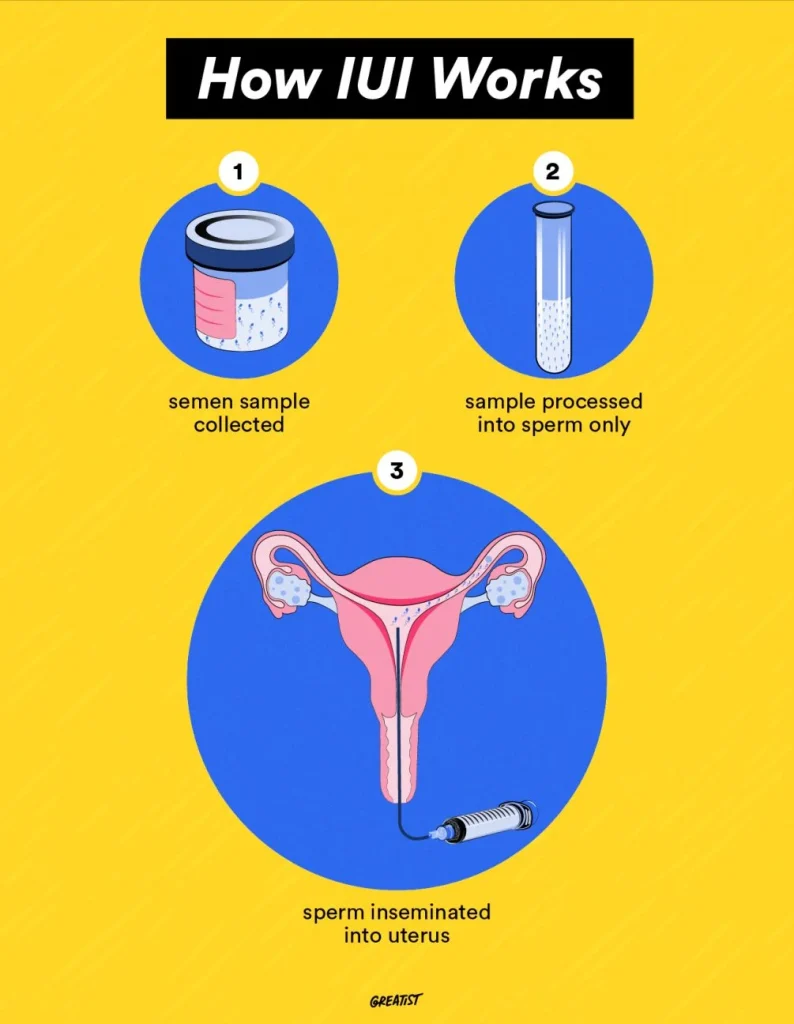
    illustration explaining the steps of intrauterine insemination (IUI) process on a bright yellow background

    The Legal Implications of Using Sperm Banks vs Known Donors

    3. Establishing Parent-Child Relationship
    When using a sperm bank, the donor’s anonymity can make it challenging to establish a legal parent-child relationship. In most cases, the intended recipient will have full legal rights and responsibilities towards the child, and the donor will have no legal connection.

    On the other hand, known donors may have a legal connection to the child, especially if they have been involved in the child’s life since birth. This can create complex legal situations, especially if the donor decides to claim parental rights or obligations in the future.

    4. Legal Protections for Intended Parents
    For couples or individuals using sperm banks, there are legal protections in place to ensure that they have full parental rights over any resulting children. These protections can include legal contracts, which outline the donor’s anonymity and the intended parents’ rights to the child.

    However, known donors may not be subject to these legal protections, and the intended parents may not have the same level of legal rights over the child. This can lead to legal issues and disputes over parental rights and obligations, especially if the donor decides to assert their rights in the future.

    5. Potential Legal Issues
    Using a known donor can also increase the risk of potential legal issues in the future. For example, if the donor is not thoroughly screened for medical or genetic conditions, the child may have legal grounds to sue for damages in the future.

    Additionally, if the donor changes their mind about their involvement in the child’s life, it can lead to custody battles and other legal complications. In contrast, sperm banks have strict procedures in place to ensure the safety and well-being of any resulting children, making it less likely to face legal issues in the future.

    Summarizing, the use of sperm banks and known donors has different legal implications that must be considered before starting the sperm donation process. Factors such as donor anonymity, legal rights and obligations, establishing parent-child relationships, legal protections for intended parents, and potential legal issues can significantly impact the outcome of using a sperm bank or known donor.

    It is crucial to research and understand the legal landscape in your jurisdiction before making a decision on which option is best for you. Consulting with a reproductive or family law attorney can also provide valuable insights and guidance on navigating the legal implications of using sperm banks vs known donors.

    In conclusion, while sperm donation can be a great option for individuals or couples looking to start a family, it is essential to carefully consider the legal implications and make an informed decision that is in the best interest of all parties involved.