Tag: Sperm Donation Process

  • The Role of Medical History in Sperm Banks vs Known Donors

    Blog Post: The Role of Medical History in Sperm Banks vs Known Donors

    Sperm donation has become a widely accepted option for individuals and couples struggling with fertility issues. With the advancement of medical technology, the process of sperm donation has become more accessible and efficient. However, there are still important factors to consider when choosing between a sperm bank and a known donor. One of the most crucial considerations is the medical history of the donor. In this blog post, we will explore the role of medical history in sperm banks versus known donors, and why it is important for both the donor and the recipient.

    Sperm Banks:

    Sperm banks are facilities that collect, store, and distribute sperm donations. These donations are provided by anonymous donors who go through a rigorous screening process before being accepted. This process includes medical, genetic, and psychological evaluations to ensure the donor’s physical and mental health. Sperm banks also require donors to undergo regular testing for sexually transmitted infections (STIs) and genetic disorders. This thorough screening process is essential to protect the health of the recipient and any potential children.

    One of the main advantages of using a sperm bank is the anonymity of the donor. This can be beneficial for individuals or couples who want to maintain their privacy or do not have a known donor available. However, this anonymity also means that the recipient will have limited information about the donor’s medical history. Sperm banks typically provide basic information about the donor’s physical characteristics, educational background, and occupation. Still, they do not disclose any personal or medical information that could potentially identify the donor. This lack of information can be a significant drawback for those who are concerned about their potential child’s genetic predispositions.

    Known Donors:

    Known donors are individuals who personally know the recipient and agree to donate sperm. This could be a friend, family member, or someone the recipient has met through online platforms or support groups. Unlike sperm banks, known donors are not subject to the same strict screening process. However, it is still crucial for the recipient to discuss the donor’s medical history and undergo testing for STIs and genetic disorders before proceeding with the donation. This information can help the recipient make an informed decision and ensure the health of any potential children.
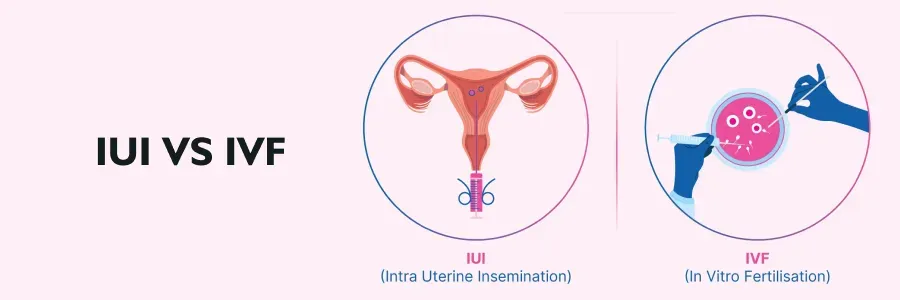
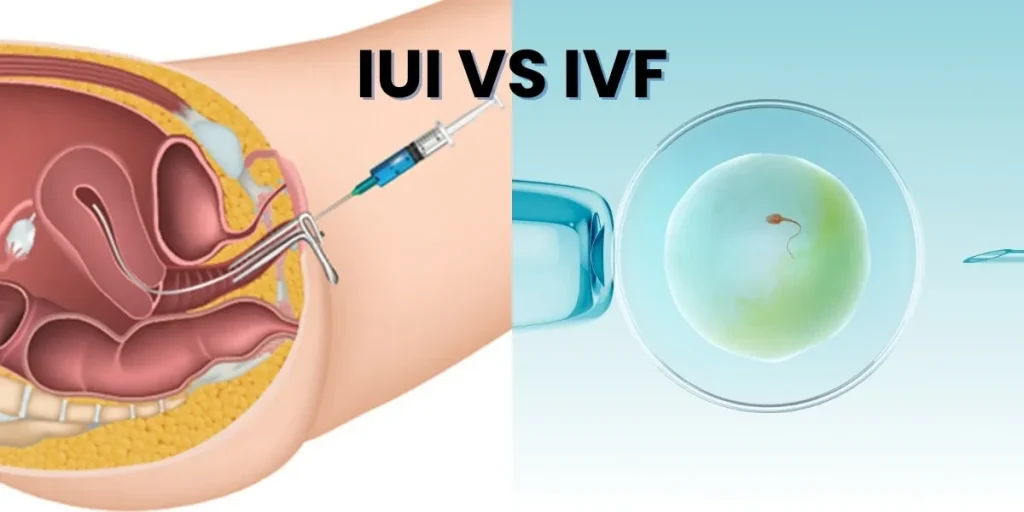
    Comparison of IUI and IVF with illustrations of each procedure.

    The Role of Medical History in Sperm Banks vs Known Donors

    One of the main advantages of using a known donor is the ability to obtain more detailed information about their medical history. Since the donor is known, they can provide information about their family’s medical background, which can help identify any potential genetic risks. This information is vital for individuals or couples who have a family history of certain medical conditions and want to avoid passing them on to their child. Additionally, using a known donor can also provide a sense of connection and involvement in the conception process for both the donor and the recipient.

    The Importance of Medical History:

    No matter the choice between a sperm bank or a known donor, the medical history of the donor plays a crucial role in the success of sperm donation. It not only affects the health of the potential child but also the well-being of the recipient. By understanding the donor’s medical history, the recipient can make informed decisions and take necessary precautions to ensure a healthy pregnancy and baby.

    In the case of sperm banks, the lack of detailed medical history can be a significant concern for some recipients. The limited information provided by sperm banks may not be enough to identify potential genetic risks that could affect the child’s health. However, the anonymity of sperm donors can also be beneficial for those who do not want the donor to have any involvement in the child’s life.

    On the other hand, known donors provide more in-depth information about their medical history, but there is still a risk of withholding or inaccurate information. This is why it is essential for the recipient to have open and honest communication with the donor and undergo proper testing before proceeding with the donation.

    Summary:

    The choice between using a sperm bank or a known donor for sperm donation is a personal decision that depends on individual circumstances and preferences. However, the medical history of the donor should always be a crucial factor in this decision. While sperm banks offer anonymity and a rigorous screening process, they may not provide enough information about the donor’s medical history. On the other hand, known donors can provide more detailed information, but there is still a risk of inaccurate or withheld information. Ultimately, open and honest communication and proper testing are essential for the success of sperm donation, regardless of the chosen method.


  • The Impact of Social Media on Sperm Banks vs Known Donors

    Blog Post Title: The Impact of Social Media on Sperm Banks vs Known Donors

    Social media has had a significant impact on various aspects of our lives, including the world of sperm donation and fertility. In the past, couples and individuals looking to conceive a child through sperm donation had limited options, mainly relying on sperm banks or known donors. However, with the rise of social media, these traditional methods have been challenged, and new avenues for sperm donation have emerged. In this blog post, we will explore the impact of social media on sperm banks and known donors, and how it has changed the landscape of sperm donation.

    Sperm Banks: A Traditional Approach

    Sperm banks have been the primary source of donor sperm for couples and individuals for decades. These banks collect, store, and distribute sperm from anonymous donors to those looking to conceive. Sperm banks have strict screening processes for donors, including medical and genetic testing, to ensure the health and safety of the recipients and potential offspring. However, with the advent of social media, the role of sperm banks has been challenged.

    The Rise of Known Donors

    Known donors are individuals who donate sperm to someone they know, such as a friend or family member. This method of sperm donation has become increasingly popular, thanks to social media. Platforms like Facebook and Instagram have made it easier for people to connect with potential donors and arrange for sperm donation outside of traditional sperm banks. This trend has raised questions about the effectiveness and safety of known donors compared to sperm banks.

    The Impact of Social Media on Sperm Banks

    One of the main impacts of social media on sperm banks is the competition it has created. With the rise of known donors, sperm banks have had to adapt and find ways to attract potential donors and recipients. Sperm banks have started using social media to market themselves and reach out to potential donors. They have also incorporated new technologies, such as DNA testing, to differentiate themselves from known donors. However, this has also led to an increase in costs for recipients, as sperm banks have to cover the expenses of marketing and using advanced technologies.

    A person administering an injection into their abdomen with a yellow pen-like device.

    The Impact of Social Media on Sperm Banks vs Known Donors

    Another impact of social media on sperm banks is the shift in attitudes towards anonymity. In the past, anonymity was a crucial factor for donors and recipients. However, with social media, anonymity is no longer guaranteed. Recipients can easily find information about their donor through social media platforms, and donors can also be traced through DNA testing. This has led to a decrease in the number of donors willing to remain anonymous, as they fear being found by their biological children in the future.

    The Impact of Social Media on Known Donors

    On the other hand, social media has had a positive impact on known donors. It has made it easier for them to connect with potential recipients and donate sperm without the involvement of a sperm bank. This has also created a sense of control for donors, as they can choose who they donate to and have a more personal relationship with the recipient. However, this has also raised concerns about the lack of regulation and screening processes for known donors, which could pose potential risks to the health and safety of recipients and offspring.

    Social Media and the Changing Perceptions of Sperm Donation

    The rise of social media has also played a role in changing perceptions of sperm donation. In the past, there was a stigma attached to using donor sperm, and it was seen as a last resort for couples and individuals struggling with fertility. However, with the availability of information and support through social media, more people are open to the idea of using donor sperm as a viable option for starting a family.

    Moreover, social media has allowed individuals and couples to connect with others who have gone through the process of using donor sperm. This has created a sense of community and support, reducing the isolation and shame that some may have felt in the past. Social media has also provided a platform for people to share their experiences and educate others about the process of sperm donation.

    In conclusion, social media has had a significant impact on sperm banks and known donors, altering the traditional methods of sperm donation. While it has provided more options and opportunities for those looking to conceive, it has also raised concerns about safety and regulation. As technology and social media continue to evolve, the landscape of sperm donation is likely to change further, and it will be important to monitor and address any potential risks and challenges that may arise.

    Summary:

    Social media has disrupted the traditional methods of sperm donation, namely sperm banks and known donors. The rise of social media has created competition for sperm banks, leading to changes in their marketing strategies and attitudes towards anonymity. On the other hand, social media has made it easier for known donors to connect with potential recipients and donate sperm outside of sperm banks. However, this has raised concerns about the lack of regulation and screening processes for known donors. Social media has also played a role in changing perceptions of sperm donation, reducing stigma and providing support for those looking to conceive.

  • The Role of Anonymous Sperm Donation in Sperm Banks vs Known Donors

    The Role of Anonymous Sperm Donation in Sperm Banks vs Known Donors

    Sperm donation has been a controversial topic for many years, with debates surrounding the use of anonymous donors versus known donors. While both options have their pros and cons, the role of anonymous sperm donation in sperm banks has become increasingly prevalent in recent years. In this blog post, we will explore the differences between anonymous and known donors and the role they play in sperm banks.

    Anonymous Sperm Donation in Sperm Banks

    Anonymous sperm donation involves a donor who chooses to remain anonymous throughout the entire process. This means that the recipient of the sperm will have no information about the donor, including their identity, medical history, or personal characteristics. This type of donation is commonly used in sperm banks, where donors are compensated for their sperm and their identity is kept confidential.

    One of the main advantages of anonymous sperm donation is the level of privacy it provides for both the donor and the recipient. This can be particularly beneficial for those who do not wish to have a known donor involved in their family life. It also eliminates the potential for legal and emotional complications that may arise with known donors. Additionally, sperm banks have a large pool of anonymous donors, giving recipients a wide range of options to choose from.

    However, there are also some drawbacks to anonymous sperm donation. One of the major concerns is the lack of information available about the donor, particularly their medical history. This can be problematic for the recipient and any potential offspring, as they may not have access to important genetic information that could impact their health in the future. Another concern is that the donor may not be entirely truthful about their medical history, potentially putting the recipient and their future child at risk.

    Known Donors

    diagram illustrating intrauterine insemination (IUI) procedure with uterus, sperm, and catheter labeled

    The Role of Anonymous Sperm Donation in Sperm Banks vs Known Donors

    On the other hand, known donors are individuals who choose to donate their sperm to someone they know, such as a friend or family member. This type of donation is often seen as a more personal and intimate option, as the donor and recipient typically have a preexisting relationship. In this situation, the donor’s identity and medical history are known to the recipient, and they may also have a say in how involved the donor is in the child’s life.

    One of the main advantages of known donors is the level of transparency and communication that can exist between the donor, recipient, and potential child. This can provide a sense of security and reassurance for the recipient, knowing the donor’s background and intentions. It can also be beneficial for the child, as they may have the opportunity to form a relationship with their biological father.

    However, known donors also come with their own set of challenges. One of the major concerns is the potential for emotional complications and conflicts between the donor, recipient, and any involved parties. This can be especially true if the donor wants to play a more active role in the child’s life than the recipient is comfortable with. Additionally, legal issues may arise, particularly in cases where the donor has not terminated their parental rights.

    The Role of Anonymous Sperm Donation in Sperm Banks vs Known Donors

    Sperm banks play a crucial role in facilitating anonymous sperm donation, providing a safe and legal means for donors to donate their sperm and for recipients to access it. The use of anonymous donors in sperm banks has become more prevalent in recent years due to the increasing demand for donor sperm and the desire for privacy and confidentiality.

    At the same time, known donors also play an important role in sperm donation, particularly for those who prefer a more personal and transparent approach. In some cases, known donors may also be the only option for same-sex couples or individuals who cannot access sperm through a sperm bank.

    In conclusion, both anonymous and known donors have their own advantages and challenges, and the decision ultimately comes down to personal preferences and circumstances. Sperm banks provide a valuable service for those seeking donor sperm, and the use of anonymous donors can offer a level of privacy and convenience that may not be available with known donors. However, it is important for recipients to carefully consider the potential drawbacks and make an informed decision that is best for them and any potential offspring.

  • Navigating the World of Sperm Donation: Sperm Banks vs Known Donors

    Navigating the World of Sperm Donation: Sperm Banks vs Known Donors

    Sperm donation has become a popular option for individuals and couples who are unable to conceive through traditional means. With advancements in reproductive technology, there are now various options available for those seeking sperm donation. However, navigating the world of sperm donation can be overwhelming, with the decision of using a sperm bank or a known donor being one of the most significant ones. In this blog post, we will explore the differences between sperm banks and known donors and provide some guidance for those considering sperm donation.

    What is Sperm Donation?

    Sperm donation involves the process of using donated sperm to help a person or couple conceive a child. The donated sperm is used in artificial insemination or in vitro fertilization (IVF) procedures, and it can come from either a sperm bank or a known donor.

    Sperm Banks

    Sperm banks are facilities that collect, store, and distribute donated sperm. They have strict screening processes for donors to ensure that only healthy and genetically viable sperm is used for fertilization. The donor’s identity is kept confidential, and the sperm is usually frozen and stored for future use.

    Pros of Sperm Banks

    1. Safety and Reliability: Sperm banks have stringent screening processes in place to ensure the safety and quality of the donated sperm. This includes testing for infectious diseases, genetic disorders, and physical characteristics. This provides peace of mind to the recipient, knowing that the sperm they are receiving is healthy and safe.

    2. Anonymity: Sperm banks provide anonymity to donors, which means that the recipient will not know the donor’s identity. This can be crucial for some individuals or couples who prefer not to have any contact with the donor or have concerns about future legal issues.

    3. Wider Selection: Sperm banks have a larger pool of donors, which means that recipients have a wider selection to choose from. Donors are also usually available from different ethnicities, races, and physical characteristics, giving recipients the opportunity to find a donor that matches their preferences.

    Cons of Sperm Banks

    1. Cost: Sperm banks can be expensive, with the cost of one vial of sperm ranging from $500 to $1000. This can be a significant financial burden for those who require multiple vials for successful insemination.

    comparison of IUI and IVF fertility treatments with illustrations of procedures and a petri dish with an egg and sperm

    Navigating the World of Sperm Donation: Sperm Banks vs Known Donors

    2. Limited Information: While sperm banks provide some information about the donor’s physical characteristics, medical history, and education, it is usually limited. This can be a disadvantage for recipients who would like more in-depth information about the donor.

    Known Donors

    Known donors are individuals who donate their sperm directly to the recipient, usually someone they know or someone they have connected with through a sperm donation website. The process of using a known donor is less formal and regulated than using a sperm bank.

    Pros of Known Donors

    1. Relationship with Donor: The use of a known donor allows for a more personal connection between the donor and the recipient. This can be beneficial for those who would like their child to have a relationship with their biological father or for those who prefer a more intimate experience.

    2. Cost-effective: Known donors do not charge for their sperm, making it a more cost-effective option compared to sperm banks. This can be a significant advantage for those on a tight budget.

    Cons of Known Donors

    1. Potential Legal Issues: One of the most significant disadvantages of using a known donor is the potential for legal issues to arise. As the donor is known, there is a possibility for them to claim parental rights in the future, which can create complications in terms of custody and financial responsibilities.

    2. Lack of Regulation: Unlike sperm banks, known donors are not regulated, which means that they do not undergo the same screening processes. This can lead to uncertainty about the quality and safety of the donated sperm.

    3. Emotional Complications: Using a known donor can create emotional complexities, especially if the donor is a friend or family member. This can also cause conflicts and strain in relationships if expectations are not clearly communicated and agreed upon.

    Summing Up

    Sperm donation can be a viable option for those struggling with fertility. While both sperm banks and known donors have their pros and cons, it ultimately comes down to personal preferences and circumstances. Sperm banks offer a safer and more regulated option, while known donors provide a more personal and cost-effective approach. It is essential to carefully consider all factors and seek professional advice before making a decision.

    In summary, navigating the world of sperm donation can be overwhelming, but understanding the differences between sperm banks and known donors can help with the decision-making process. Consider the pros and cons of each option, and seek professional guidance to make an informed decision.