Tag: Emotional Bond

  • Challenges and Rewards: Traditional vs. Gestational Surrogacy

    Blog Post:

    Surrogacy has become a popular option for couples and individuals who are unable to conceive a child on their own. It involves a woman carrying and giving birth to a child for another person or couple. There are two types of surrogacy: traditional and gestational. While both methods have their own set of challenges and rewards, they differ significantly in their processes and legal implications. In this blog post, we will explore the differences between traditional and gestational surrogacy and discuss the challenges and rewards associated with each.

    Traditional Surrogacy:

    Traditional surrogacy, also known as genetic or partial surrogacy, is a method where the surrogate mother is the biological mother of the child. In this process, the surrogate’s egg is fertilized with the intended father’s sperm, either through artificial insemination or in vitro fertilization (IVF). The surrogate then carries and gives birth to the child and relinquishes all parental rights to the intended parents.

    Challenges:

    One of the main challenges of traditional surrogacy is the emotional bond that the surrogate mother may develop with the child. Since the surrogate is the biological mother, she may have a strong attachment to the baby, making it difficult for her to hand over the child to the intended parents. This can create a complicated and emotional situation for all parties involved.

    Another challenge is the legal implications. In some countries, traditional surrogacy is not recognized, which can lead to legal battles and custody issues. The intended parents may also face challenges in obtaining legal rights to the child, as the surrogate is the biological mother.

    Rewards:

    For some people, traditional surrogacy may be a more affordable option compared to gestational surrogacy. Since the surrogate is using her own eggs, the cost of IVF is eliminated, making it a more cost-effective method.

    Additionally, traditional surrogacy allows for a genetic connection between the child and one of the intended parents. This can be a rewarding experience for those who want a biological link to their child.
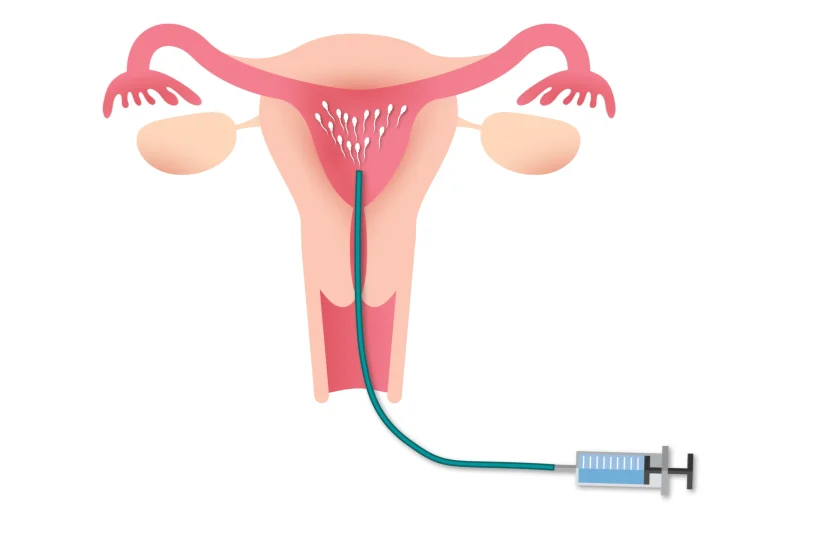
    diagram of a uterus with a syringe for intrauterine insemination procedure

    Challenges and Rewards: Traditional vs. Gestational Surrogacy

    Gestational Surrogacy:

    Gestational surrogacy, also known as host or full surrogacy, is a method where the surrogate mother has no genetic connection to the child. In this process, the intended parents’ sperm and egg are fertilized through IVF and then transferred to the surrogate’s uterus. The surrogate carries the child to term and gives birth, but has no biological ties to the child.

    Challenges:

    One of the main challenges of gestational surrogacy is the high cost involved. The process of IVF is expensive, and the intended parents also have to cover the surrogate’s medical expenses and compensation for her time and effort.

    Another challenge is finding a suitable surrogate. The process of finding a willing and qualified surrogate can be time-consuming and may involve a lot of paperwork and legal procedures.

    Rewards:

    Gestational surrogacy offers the intended parents a chance to have a child that is genetically related to them. This can be a rewarding experience for couples who are unable to conceive on their own.

    Moreover, gestational surrogacy eliminates the emotional bond and potential legal issues that come with traditional surrogacy. The surrogate has no biological ties to the child, making it easier for her to relinquish parental rights.

    In gestational surrogacy, the intended parents have more control over the pregnancy and can be involved in the process from the very beginning. They can choose the surrogate and be a part of the pregnancy journey, which can be a rewarding experience for many.

    Summary:

    Surrogacy is a complex and emotional process, and both traditional and gestational surrogacy have their own set of challenges and rewards. Traditional surrogacy involves the surrogate being the biological mother of the child, while gestational surrogacy has no genetic ties between the surrogate and the child. Traditional surrogacy may be a more affordable option, but can come with emotional and legal challenges. On the other hand, gestational surrogacy offers the intended parents a genetic connection to the child and more control over the pregnancy, but can be more expensive. Ultimately, the choice between traditional and gestational surrogacy depends on the individual circumstances and preferences of the intended parents.
  • Exploring the Emotional Bond in Traditional and Gestational Surrogacy

    Exploring the Emotional Bond in Traditional and Gestational Surrogacy

    Surrogacy is a method of assisted reproduction in which a woman carries and gives birth to a baby for another couple or individual. There are two types of surrogacy – traditional surrogacy and gestational surrogacy. In traditional surrogacy, the surrogate mother is the biological mother of the child as her own egg is used in the process. On the other hand, gestational surrogacy involves the use of IVF technology, where the embryo is created using the intended parents’ egg and sperm, or through the use of a donor egg or sperm. While both types of surrogacy can help people achieve their dream of having a child, they also involve unique emotional bonds between the surrogate and the intended parents. In this blog post, we will explore the emotional bond in traditional and gestational surrogacy and how it affects all parties involved.

    Traditional Surrogacy and Emotional Bond

    In traditional surrogacy, the surrogate mother is genetically related to the child she carries. This can create a strong emotional bond between the surrogate and the child, as well as the intended parents. The traditional surrogacy process involves artificial insemination, where the surrogate mother’s egg is fertilized with the intended father’s sperm. This intimate involvement in the conception of the child can lead to a deep connection between the surrogate and the child, similar to that of a biological mother and child.

    The emotional bond in traditional surrogacy can also be strengthened by the surrogate’s physical and emotional connection to the pregnancy. As the child grows inside her, the surrogate may feel a strong sense of responsibility and love for the baby. This can result in a unique and special bond between the surrogate and the child, making the idea of giving the baby to the intended parents after birth a difficult decision.

    On the other hand, the intended parents may also develop a strong emotional bond with the surrogate mother. They may feel immense gratitude and appreciation towards her for carrying their child, and may also view her as an important part of their family. This bond can be further strengthened through regular communication and involvement in the pregnancy, such as attending doctor’s appointments and ultrasounds.

    Gestational Surrogacy and Emotional Bond

    In gestational surrogacy, the surrogate mother has no genetic connection to the child as the embryo is created using the intended parents’ egg and sperm or through the use of a donor. This can make it easier for the surrogate to separate herself emotionally from the pregnancy and the child. However, this does not mean that there is no emotional bond between the surrogate and the child.

    The gestational surrogacy process involves a detailed legal agreement between the surrogate and the intended parents, outlining the expectations and responsibilities of both parties. This can help establish boundaries and clarify the emotional connection between the surrogate and the child. However, it is not uncommon for the surrogate to feel some emotional attachment to the baby she carries, especially if she has been involved in the pregnancy for a long time.

    The intended parents in gestational surrogacy may also develop a strong emotional bond with the surrogate mother. They may see her as a selfless and generous woman who is helping them fulfill their dream of having a child. The intended parents may also feel a sense of responsibility towards the surrogate, as she is carrying their child and taking care of herself for the sake of their baby.

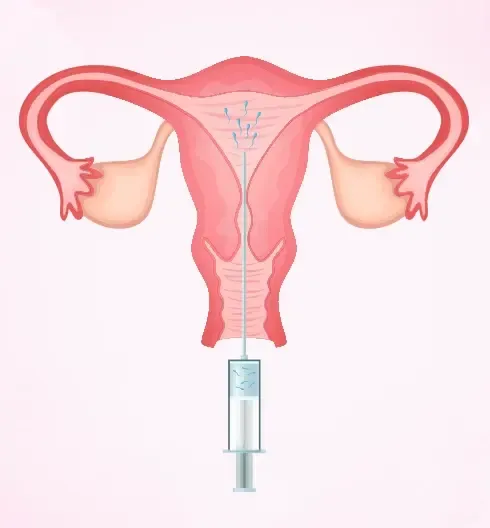
    Illustration of a uterus with a syringe indicating an intrauterine insemination procedure.

    Exploring the Emotional Bond in Traditional and Gestational Surrogacy

    The Role of Communication in Building Emotional Bonds

    In both types of surrogacy, communication plays a crucial role in building and maintaining the emotional bond between all parties involved. Open and honest communication between the surrogate and the intended parents can help establish boundaries, clarify expectations, and address any concerns or issues that may arise during the surrogacy journey.

    Regular communication between the surrogate and the intended parents can also help build a sense of trust and understanding, leading to a stronger emotional connection. This can involve sharing updates and milestones throughout the pregnancy, as well as discussing any emotional challenges or changes that may occur.

    Challenges in the Emotional Bond

    While surrogacy can bring immense joy and fulfillment to all parties involved, it is not without its challenges. The emotional bond between the surrogate and the intended parents can sometimes lead to conflicting emotions and difficult decisions. For example, the surrogate may struggle with the idea of giving up the baby she has carried for nine months, while the intended parents may experience feelings of guilt or anxiety about not being able to carry their own child.

    It is important for all parties to acknowledge and address these challenges, and seek support and guidance when needed. This can include seeking professional counseling or joining support groups specifically for surrogacy. With open communication and a strong support system, the emotional bond in surrogacy can be a positive and rewarding experience for everyone involved.

    In Conclusion

    Surrogacy is a complex and emotional journey, and the emotional bond between the surrogate and the intended parents is a crucial aspect of the process. Whether it is traditional or gestational surrogacy, the emotional bond can be a source of joy, but also bring challenges and difficult decisions. However, with open communication, trust, and support, this bond can ultimately lead to a positive and fulfilling surrogacy journey for all involved.

    Summary:

    Surrogacy involves a woman carrying and giving birth to a baby for another couple or individual. There are two types of surrogacy – traditional and gestational. In traditional surrogacy, the surrogate is genetically related to the child, leading to a strong emotional bond between the surrogate, the child, and the intended parents. In gestational surrogacy, the surrogate has no genetic connection to the child, but can still develop an emotional bond. Communication plays a crucial role in building and maintaining the emotional bond between all parties involved, but there can also be challenges and difficult decisions along the way. With open communication and support, the emotional bond in surrogacy can be a positive and fulfilling experience.

  • The Emotional Bond: Surrogacy vs Adoption

    Blog Post:

    When it comes to starting or growing a family, there are many options available to couples or individuals. Two of the most common methods are surrogacy and adoption. Both of these options involve creating an emotional bond with a child, but the process and experience can be vastly different. In this blog post, we will explore the emotional bond between surrogacy and adoption and the unique aspects of each.

    Surrogacy is the process of using a surrogate mother to carry a child for someone else. This can be through traditional surrogacy, where the surrogate’s own egg is fertilized with the intended father’s sperm, or gestational surrogacy, where the surrogate carries a child that is not biologically related to her. In either case, the intended parents have a genetic connection to the child.

    On the other hand, adoption is the legal process of becoming the parent of a child who is not biologically related to you. This can be through domestic adoption, where a child is adopted within the country, or international adoption, where a child is adopted from another country. In both cases, the adoptive parents have no genetic connection to the child.

    The Emotional Bond in Surrogacy:

    One of the main advantages of surrogacy is the opportunity for the intended parents to have a genetic connection to the child. This can be a significant factor for couples who are unable to conceive naturally or for individuals who want to be a biological parent. The emotional bond between the intended parents and the child can begin even before the child is born, as they can be involved in the pregnancy and attend doctor’s appointments and ultrasounds with the surrogate.

    For the surrogate, the emotional bond can also be strong as she carries the child for nine months and experiences the physical and emotional changes that come with pregnancy. Many surrogates have described feeling a sense of fulfillment and joy in helping someone else start a family. However, it is essential to note that the surrogate is not the child’s legal parent, and the intended parents have full legal rights to the child.

    The Emotional Bond in Adoption:

    Adoption is a unique and beautiful way to expand a family. While there is no genetic connection between the adoptive parents and the child, the emotional bond can be just as strong. Many adoptive parents describe the moment they first saw their child as love at first sight, and the bond only grows stronger as they raise the child.

    For the child, adoption can bring a sense of belonging and security as they become a part of a loving and stable family. While the adoption process can be lengthy and challenging, the emotional bond formed between the child and the adoptive parents is well worth it. And unlike surrogacy, the adoptive parents have full legal rights to the child, making the bond even more secure.

    success rate of IUI in India with a graphic of a uterus and syringe alongside a rising graph

    The Emotional Bond: Surrogacy vs Adoption

    The Challenges of Surrogacy and Adoption:

    Both surrogacy and adoption come with their own set of challenges, which can impact the emotional bond between the child and the parents. In surrogacy, the intended parents may struggle with feelings of guilt or uncertainty as they are not the ones carrying the child. They may also face challenges with the surrogate, such as disagreements about the pregnancy or changes in the surrogate’s feelings towards the child.

    In adoption, the child may struggle with feelings of loss or confusion about their biological family, especially in cases of international adoption. The adoptive parents may also face challenges in navigating the child’s past and helping them form a healthy sense of identity.

    The Importance of Openness:

    In both surrogacy and adoption, openness and communication play a crucial role in forming and maintaining the emotional bond between the child and the parents. In surrogacy, open communication with the surrogate can help ensure a smooth and positive experience for everyone involved. It can also help the child understand their story and the role the surrogate played in their life.

    In adoption, openness can also play a significant role in helping the child understand their past and form a healthy sense of identity. Many adoptive parents choose to have an open adoption, where there is ongoing communication and contact with the birth family. This can be beneficial for the child as they grow up, knowing they have a connection to their biological family.

    In Conclusion:

    The emotional bond between surrogacy and adoption is unique and complex. While surrogacy offers the opportunity for a genetic connection, adoption offers the chance to provide a loving and stable home for a child in need. Both options come with their own set of challenges, but with open communication and a strong commitment to the child’s well-being, a strong emotional bond can be formed.

    In the end, whether you choose surrogacy or adoption, what matters most is the love and bond that is formed between the child and the parents. Both options have the potential to create a beautiful and fulfilling family dynamic, and it is up to each individual or couple to decide which path is right for them.

    Summary:

    In this blog post, we explored the emotional bond between surrogacy and adoption. Surrogacy involves using a surrogate mother to carry a child for someone else, while adoption is the legal process of becoming the parent of a child who is not biologically related to you. Surrogacy offers the opportunity for a genetic connection, but adoption provides a loving and stable home for a child in need. Both options come with challenges, but with open communication, a strong emotional bond can be formed between the child and the parents. Ultimately, what matters most is the love and bond that is formed, regardless of the method chosen to grow or start a family.