Tag: at-home testing

  • Fertility Testing at Home: Are There Options for Men and Women?

    Title: Fertility Testing at Home: Are There Options for Men and Women?

    In today’s modern world, many people are turning to at-home testing for various health concerns, including fertility. Fertility testing at home has become increasingly popular due to its convenience and privacy. Men and women who are trying to conceive or just want to monitor their reproductive health can now do so in the comfort of their own homes. But are these at-home fertility tests accurate? Are there options for both men and women? Let’s dive into the world of fertility testing at home.

    What is Fertility Testing?

    Fertility testing is a way to assess one’s ability to conceive a child. For women, this involves testing their ovulation and hormone levels, while for men, it involves testing their sperm count and quality. These tests can provide valuable information about potential fertility issues, allowing individuals to seek appropriate treatments or make lifestyle changes to improve their chances of conceiving.

    Are At-Home Fertility Tests Accurate?

    The accuracy of at-home fertility tests varies depending on the type of test and the company providing it. For women, at-home ovulation tests can be up to 99% accurate when used correctly. These tests work by detecting luteinizing hormone (LH) levels in urine, which typically surge right before ovulation. However, some factors such as certain medications or medical conditions can affect the accuracy of these tests.

    Similarly, at-home hormone tests for women can also be accurate, with some companies claiming up to 99% accuracy. These tests measure the levels of various hormones, such as estrogen and progesterone, which play a crucial role in fertility. However, some experts caution against relying solely on at-home hormone tests, as they may not provide a complete picture of one’s reproductive health.

    For men, at-home sperm tests are also available, with some claiming up to 98% accuracy. These tests measure sperm count, motility, and morphology, which are all important factors in male fertility. However, these tests may not be able to detect other underlying issues that could affect fertility, such as hormonal imbalances or structural abnormalities.

    Overall, while at-home fertility tests can provide valuable information, it’s essential to consult with a healthcare professional for a comprehensive assessment of one’s fertility health.
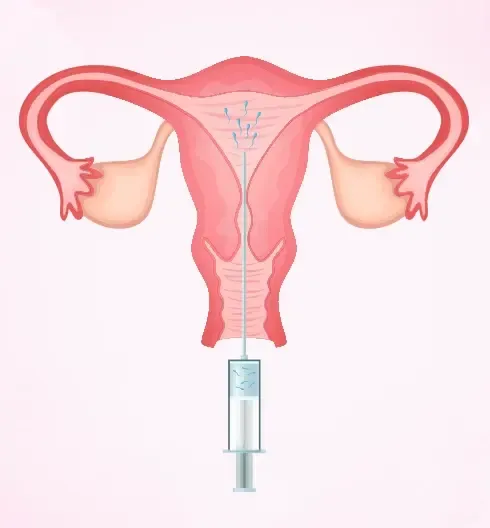
    Illustration of a uterus with a syringe indicating an intrauterine insemination procedure.

    Fertility Testing at Home: Are There Options for Men and Women?

    Options for Women

    There are several at-home fertility testing options available for women. Ovulation tests and hormone tests, as mentioned earlier, are popular choices for tracking ovulation and hormonal imbalances. There are also at-home fertility test kits that offer a combination of both tests, providing a more comprehensive assessment of one’s fertility health.

    Some companies also offer fertility testing through a blood sample, which can provide a more accurate measure of hormone levels. These kits typically require a finger-prick blood sample, which is then sent to a lab for analysis. However, these tests may be more expensive and take longer to receive results.

    Another option for women is the use of fertility tracking apps. These apps use data such as menstrual cycle length and symptoms to predict ovulation and fertile windows. While not as accurate as physical tests, these apps can be a useful tool for women looking to conceive or avoid pregnancy.

    Options for Men

    For men, at-home sperm tests are the primary option for fertility testing. These tests typically involve collecting a sperm sample and testing it for count, motility, and morphology. Some tests may also measure other factors such as pH levels and white blood cell count, which can affect sperm quality.

    There are also at-home hormone tests available for men, which measure testosterone levels. Low testosterone levels can affect sperm production and quality, making these tests useful for men concerned about their fertility.

    It’s important to note that at-home sperm tests may not be able to detect other underlying issues that could affect fertility, such as structural abnormalities or hormonal imbalances. If a sperm test comes back abnormal, it’s crucial to consult with a healthcare professional for further testing and evaluation.

    In summary, there are various at-home fertility testing options available for both men and women. These tests can provide valuable information about one’s reproductive health, but they should not be relied upon as the sole measure of fertility. It’s essential to consult with a healthcare professional for a comprehensive assessment and to discuss any concerns or treatment options.
  • At-Home Fertility Testing: A Non-Invasive Alternative to Medical Procedures

    At-Home Fertility Testing: A Non-Invasive Alternative to Medical Procedures

    When it comes to starting a family, fertility can be a major concern for many couples. In the past, fertility testing was only available through medical procedures, which could be costly, invasive, and time-consuming. However, with advancements in technology, at-home fertility testing has become a popular alternative for couples looking to gain insight into their reproductive health. In this blog post, we will discuss the benefits of at-home fertility testing, how it works, and the types of tests available.

    Benefits of At-Home Fertility Testing:

    1. Convenience and Privacy: One of the main benefits of at-home fertility testing is the convenience and privacy it offers. Couples can now test their fertility from the comfort of their own homes without having to schedule appointments or visit a medical facility. This can greatly reduce the stress and anxiety associated with fertility testing and allows couples to have more control over their reproductive health.

    2. Cost-effective: At-home fertility testing is a more affordable option compared to traditional medical procedures. Medical procedures such as blood tests and ultrasounds can be expensive, especially if multiple tests are needed. On the other hand, at-home fertility tests are available at a fraction of the cost, making it a more accessible option for couples.

    3. Non-invasive: Many at-home fertility tests use non-invasive methods such as urine or saliva samples, eliminating the need for uncomfortable procedures like blood tests or transvaginal ultrasounds. This can be a relief for couples who may feel uncomfortable with invasive testing methods.

    How At-Home Fertility Testing Works:

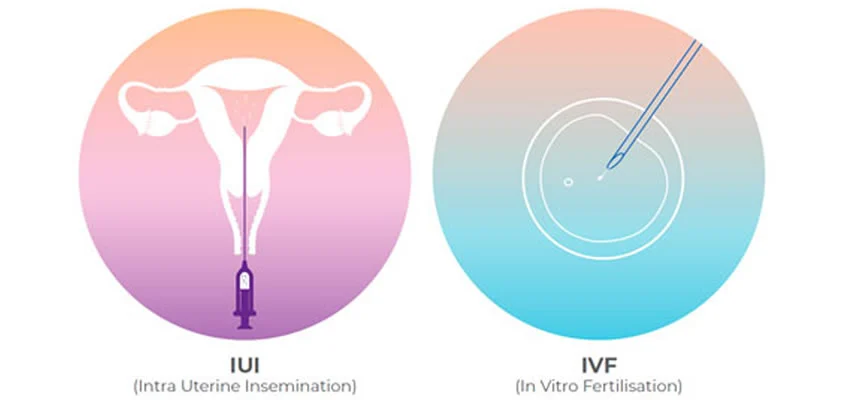
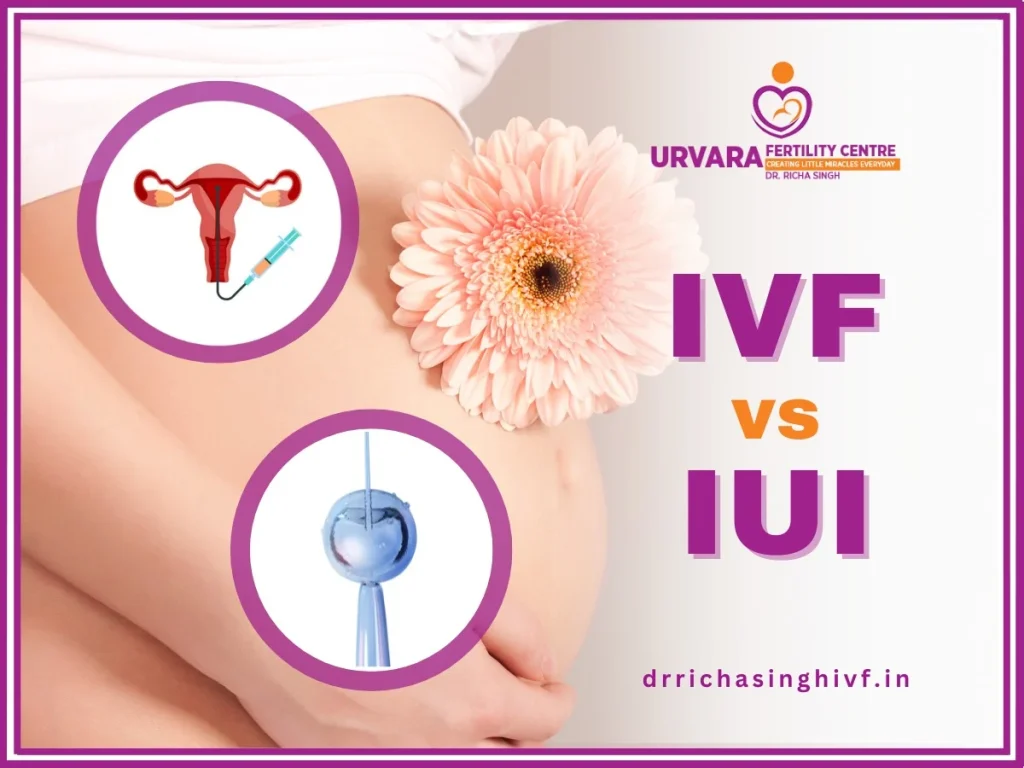
    IVF vs IUI comparison with illustrations of reproductive processes and a flower on a pregnant belly.

    At-Home Fertility Testing: A Non-Invasive Alternative to Medical Procedures

    At-home fertility tests work by measuring different hormones in the body that are essential for reproduction. These hormones can provide valuable information about a woman’s ovulation cycle, egg quality, and overall reproductive health. Most at-home fertility tests use urine or saliva samples, which are then sent to a lab for analysis. The results are typically available within a few days, and some tests even offer personalized fertility plans based on the results.

    Types of At-Home Fertility Tests:

    1. Ovulation Predictor Kits: These kits detect the surge in luteinizing hormone (LH) that occurs right before ovulation. This can help couples determine the best time to try for a baby and increase their chances of conception.

    2. Fertility Hormone Tests: These tests measure levels of hormones such as follicle-stimulating hormone (FSH), estrogen, and progesterone. This can give couples a better understanding of their overall reproductive health and provide insight into any potential fertility issues.

    3. Sperm Tests: At-home sperm tests are available for men to check their sperm count, motility, and morphology. These tests can help determine if there are any male-factor fertility issues that may be affecting a couple’s ability to conceive.

    4. Fertility Supplements: In addition to traditional fertility testing, there are also at-home tests available that measure the levels of certain vitamins and minerals in the body that are essential for fertility. These tests can help identify any deficiencies and recommend supplements to improve reproductive health.

    In summary, at-home fertility testing offers a convenient, cost-effective, and non-invasive alternative to traditional medical procedures. It can provide valuable information about a couple’s reproductive health and help them make informed decisions about their fertility journey. With a variety of tests available, couples can choose the right option for their specific needs and gain insight into their chances of conceiving.

  • The Link Between Lifestyle Choices and Fertility: What At-Home Testing Can Reveal

    Blog Post:

    When it comes to fertility, there are many factors that can impact a person’s ability to conceive. While some of these factors, such as age and genetics, are beyond our control, there are certain lifestyle choices that can have a significant impact on fertility. From diet and exercise to stress levels and environmental toxins, our daily habits and choices can play a crucial role in our fertility journey.

    In recent years, at-home fertility testing has become increasingly popular, providing individuals with valuable insights into their reproductive health and potential fertility issues. These tests can reveal a lot about the link between lifestyle choices and fertility, helping individuals make more informed decisions about their health and fertility journey.

    Diet and Fertility

    A healthy and balanced diet is essential for overall health and well-being, but it can also have a significant impact on fertility. Studies have shown that a diet high in processed foods, refined sugars, and unhealthy fats can lead to hormonal imbalances, which can affect ovulation and sperm quality. On the other hand, a diet rich in whole foods, healthy fats, and lean proteins can help regulate hormones and improve fertility.

    At-home fertility tests can provide insights into a person’s hormone levels, including estrogen, progesterone, and testosterone, which can be affected by diet. By identifying any imbalances, individuals can make necessary changes to their diet to support their fertility.

    Exercise and Fertility

    Regular physical activity is crucial for maintaining a healthy weight, reducing stress levels, and promoting overall well-being. However, excessive or intense exercise can have a negative impact on fertility. Women who engage in intense exercise or have a low body mass index (BMI) may experience irregular or missed periods, affecting ovulation and fertility.

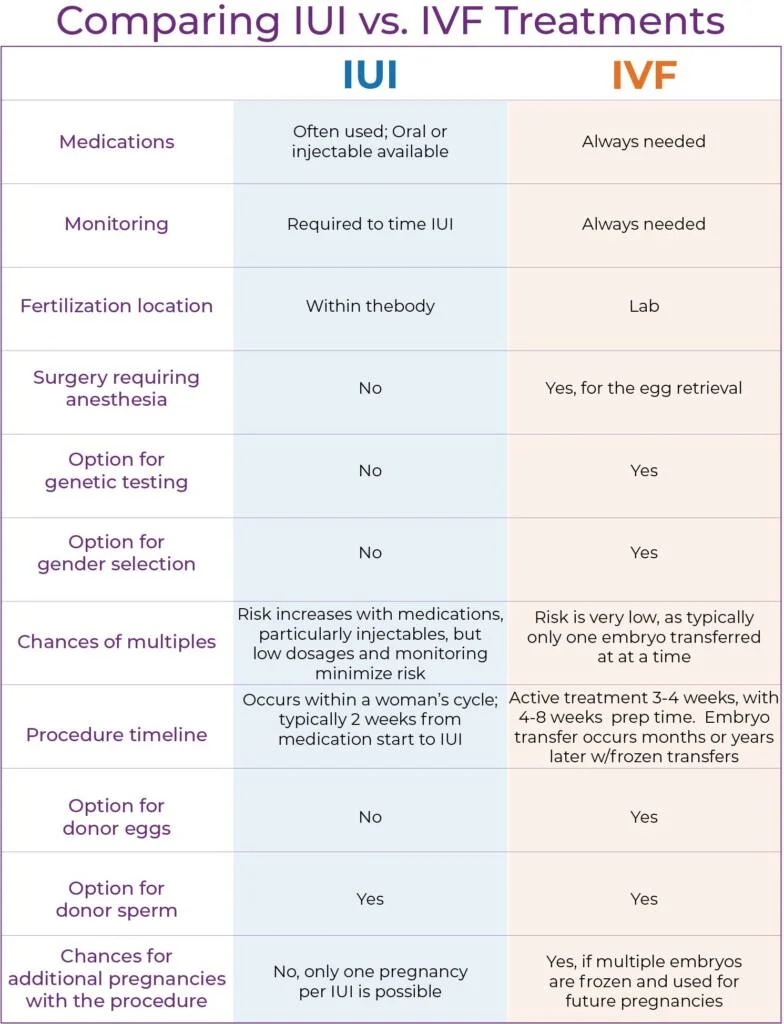
    Comparison chart of IUI and IVF treatments, detailing medications, monitoring, procedures, and success rates.

    The Link Between Lifestyle Choices and Fertility: What At-Home Testing Can Reveal

    At-home fertility tests can measure a person’s BMI and hormone levels, providing insights into how exercise may be impacting their fertility. If necessary, individuals can make adjustments to their exercise routine to support their reproductive health.

    Stress and Fertility

    Stress is a common factor in modern life, and it can have a significant impact on fertility. Chronic stress can lead to hormonal imbalances, disrupt ovulation, and decrease sperm quality. Additionally, stress can also lead to unhealthy coping mechanisms, such as smoking, excessive drinking, and poor dietary choices, which can further affect fertility.

    At-home fertility tests can measure cortisol levels, the hormone released during times of stress, and provide insights into how stress may be impacting fertility. Individuals can then take steps to manage their stress levels and find healthy coping mechanisms, which can help improve fertility.

    Environmental Toxins and Fertility

    We are exposed to various environmental toxins every day, from pollutants in the air to chemicals in our food and personal care products. These toxins can interfere with hormone production and disrupt the reproductive system, affecting fertility. For example, exposure to bisphenol-A (BPA), a chemical commonly found in plastics, has been linked to reduced sperm quality and female infertility.

    At-home fertility tests can measure the levels of environmental toxins in the body and provide individuals with valuable information about their potential impact on fertility. Armed with this knowledge, individuals can make changes to reduce their exposure to these toxins and improve their chances of conceiving.

    Summary:

    Our lifestyle choices can have a significant impact on fertility, and at-home fertility testing can provide valuable insights into this link. From diet and exercise to stress levels and environmental toxins, everything we do can affect our reproductive health. By using at-home fertility tests, individuals can identify any hormonal imbalances or potential fertility issues and make necessary changes to support their fertility journey. By emphasizing the importance of a healthy and balanced lifestyle, we can take control of our fertility and increase our chances of conceiving.

  • At-Home Fertility Testing for Couples Trying to Conceive: A Step-by-Step Guide

    Blog Post Title: At-Home Fertility Testing for Couples Trying to Conceive: A Step-by-Step Guide

    Summary:

    Trying to conceive can be an exciting and emotional journey for couples. However, for some, it may not be as easy as they had hoped. This is where fertility testing comes into play. In the past, couples had to visit a fertility clinic to get tested, but with advancements in technology, at-home fertility testing has become a popular and convenient option.

    In this blog post, we will provide a step-by-step guide for couples who are considering at-home fertility testing. We will cover the types of tests available, how to use them, and what the results mean. We will also address common concerns and questions that couples may have about at-home fertility testing.

    Types of At-Home Fertility Tests:

    There are several types of at-home fertility tests available on the market. The most common ones include ovulation predictor kits, sperm analysis kits, and hormone level tests.

    1. Ovulation Predictor Kits:

    Ovulation predictor kits (OPKs) are used to detect the surge of luteinizing hormone (LH) in a woman’s urine. This surge typically happens 24-36 hours before ovulation, making it the most fertile time of the month for women. OPKs come in different forms, such as urine test strips or digital tests, and can be purchased at most drugstores or online.

    To use an OPK, a woman needs to collect a urine sample and dip the test strip into the sample or hold the test stick in the urine stream. The test will then indicate whether the LH surge has been detected. It is recommended to use an OPK at the same time each day, preferably in the afternoon or evening, to ensure accurate results.

    2. Sperm Analysis Kits:

    Sperm analysis kits are designed for men to test their sperm count, motility, and morphology (shape and size). These tests come with a collection cup and a test card or slide. To use the kit, a man needs to collect a semen sample in the cup and then place a drop of the sample on the test card or slide. The results will be shown within a few minutes.

    It is important to note that sperm analysis kits can only provide an estimate of a man’s fertility and should not be used as a substitute for a medical evaluation. If a man receives abnormal results, it is recommended to follow up with a doctor for further testing.

    3. Hormone Level Tests:

    Hormone level tests measure the levels of various hormones, such as follicle-stimulating hormone (FSH), estrogen, and progesterone, in a woman’s body. These hormones play a crucial role in the menstrual cycle and ovulation.

    Hormone level tests can be done through blood or saliva samples and can be purchased online or at a pharmacy. To use these tests, a woman needs to collect a sample and send it to a lab for analysis. The results will then be sent back to the couple, usually within a few days.

    Interpreting the Results:

    The results of at-home fertility tests should be interpreted with caution. It is always recommended to consult with a doctor or fertility specialist for a proper diagnosis. However, here are some general guidelines for understanding the results of at-home fertility tests:

    Comparison of IUI and IVF, illustrating procedures and definitions for each fertility treatment.

    At-Home Fertility Testing for Couples Trying to Conceive: A Step-by-Step Guide

    – A positive result on an ovulation predictor kit indicates that ovulation is likely to occur within the next 24-36 hours, and the couple should try to conceive during this time.

    – A negative result on an ovulation predictor kit does not necessarily mean that a woman is not ovulating. It could be due to incorrect timing or a low level of LH in the urine.

    – Normal results on a sperm analysis kit usually indicate that a man’s sperm count, motility, and morphology are within the normal range. However, it is important to keep in mind that these tests are not as accurate as a medical evaluation.

    – Abnormal results on a sperm analysis kit may indicate a potential issue with male fertility, but further testing is needed to confirm.

    – Hormone level tests can provide insight into a woman’s reproductive health and can help identify any hormonal imbalances that may affect fertility.

    Common Concerns about At-Home Fertility Testing:

    1. Are at-home fertility tests reliable?

    At-home fertility tests can provide helpful information, but they should not replace a medical evaluation. It is important to follow up with a doctor for any abnormal results or if a couple has been trying to conceive for a few months without success.

    2. How accurate are at-home fertility tests?

    The accuracy of at-home fertility tests can vary, but they are generally considered to be around 90% accurate. However, this can also depend on the user’s ability to follow the instructions correctly.

    3. How often should we use at-home fertility tests?

    The frequency of using at-home fertility tests will depend on the type of test and the recommendations of the manufacturer. For example, OPKs should be used daily during the fertile window, while hormone level tests may only need to be done once or twice in a cycle.

    4. Can at-home fertility tests diagnose infertility?

    No, at-home fertility tests cannot diagnose infertility. They can only provide information about a couple’s fertility potential and should be followed up with a medical evaluation if any concerns arise.

    Conclusion:

    At-home fertility testing can be a useful tool for couples who are trying to conceive. It can provide valuable information about a couple’s fertility potential and help them to time intercourse accurately. However, it is important to remember that these tests should not replace a medical evaluation, and it is always best to consult with a doctor for any concerns about fertility.

    By following this step-by-step guide, couples can navigate through the world of at-home fertility testing with confidence and make informed decisions about their fertility journey.

  • At-Home Fertility Testing for Women with Irregular Cycles: What You Need to Know

    Blog post:

    Introduction:

    For many women, having an irregular menstrual cycle can make it difficult to track ovulation and plan for conception. This can be a frustrating and stressful experience, especially for those who are actively trying to conceive. Fortunately, with advancements in technology, there are now at-home fertility testing options available specifically for women with irregular cycles. In this blog post, we will discuss what you need to know about at-home fertility testing for women with irregular cycles.

    What causes irregular cycles?

    Before diving into at-home fertility testing, it’s important to understand the potential causes of irregular cycles. Some common factors that can contribute to irregular cycles include hormonal imbalances, polycystic ovary syndrome (PCOS), thyroid issues, excessive exercise, stress, and even certain medications. Identifying the root cause of your irregular cycles can help you better understand your fertility and make informed decisions about your reproductive health.

    What is at-home fertility testing?

    At-home fertility testing is a convenient and cost-effective option for women who want to track their fertility from the comfort of their own home. These tests typically involve collecting a urine or saliva sample and using a test kit to measure hormone levels. The most common hormones measured in at-home fertility tests are luteinizing hormone (LH) and estrogen. LH is responsible for triggering ovulation, while estrogen helps to thicken the uterine lining in preparation for implantation.

    What are the benefits of at-home fertility testing for women with irregular cycles?

    One of the main benefits of at-home fertility testing for women with irregular cycles is the ability to track ovulation and hormone levels in real-time. This can help you identify whether or not you are ovulating, and if so, the best time to try to conceive. Additionally, regular testing can provide valuable information about any underlying hormonal imbalances that may be affecting your cycle. This can help you and your healthcare provider develop a personalized treatment plan to regulate your cycle and improve your chances of conception.

    What are the different types of at-home fertility tests?

    comparison of IUI and IVF procedures illustrated with simple graphics and labels

    At-Home Fertility Testing for Women with Irregular Cycles: What You Need to Know

    There are several different types of at-home fertility tests available on the market. The most common ones include urine-based ovulation predictor kits (OPKs), saliva-based fertility monitors, and digital fertility trackers. Urine-based OPKs detect the presence of LH in your urine, which typically surges 24-36 hours before ovulation. Saliva-based fertility monitors work by measuring estrogen levels in your saliva, which can indicate the fertile window. Digital fertility trackers use a combination of urine and saliva samples to measure both LH and estrogen levels.

    What to consider when choosing an at-home fertility test?

    When choosing an at-home fertility test, it’s important to consider factors such as accuracy, ease of use, and cost. Look for tests that have been clinically validated and have a high accuracy rate. It’s also essential to choose a test that is easy to use and fits your lifestyle. For example, if you travel frequently, a compact and portable fertility tracker may be a better option than a bulky kit that requires multiple samples. Finally, factor in the cost of the test and any additional fees, such as subscription fees for digital fertility trackers.

    Tips for using at-home fertility tests:

    1. Follow the instructions carefully: It’s crucial to follow the instructions provided with the test to ensure accurate results.

    2. Test consistently: To get the most out of at-home fertility testing, it’s essential to test consistently. This means testing at the same time each day and not missing any days.

    3. Track your results: Keep a record of your results to help identify patterns and changes in your hormone levels over time.

    4. Consider using multiple methods: For a more comprehensive picture of your fertility, you may want to use multiple methods, such as combining an OPK with a digital fertility tracker.

    5. Consult with a healthcare professional: If you have any concerns or questions about your results, it’s always best to consult with your healthcare provider. They can help you interpret your results and provide personalized guidance.

    Summary:

    At-home fertility testing is a convenient and effective option for women with irregular cycles who are trying to conceive. It allows you to track your fertility in real-time and identify any potential hormonal imbalances that may be affecting your cycle. When choosing an at-home fertility test, consider factors such as accuracy, ease of use, and cost. By following the tips provided, you can make the most out of at-home fertility testing and better understand your reproductive health.

  • The Role of Nutrition in Fertility: Insights from At-Home and Medical Testing

    Blog Post: The Role of Nutrition in Fertility: Insights from At-Home and Medical Testing

    Introduction:

    Fertility is a complex and personal journey for many individuals and couples. While there are various factors that can impact fertility, nutrition is often overlooked. However, research has shown that nutrition plays a significant role in fertility and can greatly impact a person’s ability to conceive. In this blog post, we will explore the importance of nutrition in fertility and how at-home and medical testing can provide insights into one’s nutritional status.

    The Link Between Nutrition and Fertility:

    Nutrition and fertility are closely intertwined. The foods we eat contain essential vitamins, minerals, and nutrients that are vital for reproductive health. For example, studies have shown that folate, a B vitamin found in leafy greens, is crucial for ovulation and healthy egg development. Additionally, omega-3 fatty acids, found in fish and nuts, have been linked to improved sperm quality in men. On the other hand, a diet high in processed foods and unhealthy fats can have a negative impact on fertility.

    At-Home Testing for Nutritional Deficiencies:

    One way to assess one’s nutritional status is through at-home testing. These tests typically involve collecting a sample of blood, urine, or saliva and sending it to a laboratory for analysis. At-home tests can provide valuable insights into one’s nutrient levels and identify any deficiencies that may be affecting fertility. For example, a blood test can measure levels of iron, vitamin D, and B vitamins, while a saliva test can assess hormone levels such as estrogen and testosterone.

    Medical Testing for Underlying Medical Conditions:

    diagram of a uterus with a syringe for intrauterine insemination procedure

    The Role of Nutrition in Fertility: Insights from At-Home and Medical Testing

    In addition to at-home testing, medical testing can also provide important information about one’s fertility. Medical tests can identify underlying medical conditions that may be impacting fertility, such as polycystic ovary syndrome (PCOS), thyroid disorders, or insulin resistance. These conditions can affect hormone levels and ovulation, making it difficult to conceive. Identifying and treating these conditions can improve fertility outcomes.

    The Role of Gut Health:

    The gut is often referred to as the “second brain” as it plays a significant role in our overall health. In recent years, research has shown that the gut microbiome, the community of bacteria in our digestive system, also plays a crucial role in fertility. Studies have found a link between an imbalanced gut microbiome and conditions like PCOS and endometriosis, which can affect fertility. Maintaining a healthy gut through a balanced diet and probiotic supplements can improve fertility outcomes.

    Nutrition and IVF Success:

    For couples undergoing in vitro fertilization (IVF) treatment, nutrition can also impact the success of the procedure. Studies have shown that women who follow a Mediterranean-style diet, rich in fruits, vegetables, and healthy fats, have a higher chance of success with IVF. Additionally, maintaining a healthy weight through proper nutrition can also improve IVF success rates. It is essential to work with a fertility specialist to create a personalized nutrition plan during IVF treatment.

    The Benefits of Working with a Registered Dietitian:

    While at-home and medical testing can provide valuable information, it is important to work with a registered dietitian to create a personalized nutrition plan. Registered dietitians have specialized knowledge in nutrition and fertility and can help identify any nutrient deficiencies and create a tailored plan to improve fertility outcomes. They can also provide guidance on specific dietary changes and supplements that may benefit fertility.

    In summary, the link between nutrition and fertility is undeniable. A well-balanced and nutrient-rich diet is crucial for reproductive health and can impact fertility outcomes. At-home and medical testing can provide insights into one’s nutritional status, and working with a registered dietitian can help create a personalized plan to optimize fertility. By prioritizing nutrition and making healthy dietary choices, individuals and couples can improve their chances of conceiving and ultimately have a healthy pregnancy.

  • At-Home Fertility Testing: A Solution for Busy Couples Trying to Conceive

    At-Home Fertility Testing: A Solution for Busy Couples Trying to Conceive

    Trying to conceive can be an exciting and emotional journey for couples, but it can also be a stressful and time-consuming one. With busy work schedules and other responsibilities, finding the time to visit a fertility clinic for testing can be challenging. This is where at-home fertility testing comes in as a convenient and efficient solution for busy couples trying to conceive.

    What is At-Home Fertility Testing?

    At-home fertility testing involves taking fertility tests and analyzing the results in the comfort of your own home. These tests are designed to measure different aspects of fertility, such as hormone levels, ovulation, and sperm count. They are easily accessible and can be purchased online or at a local pharmacy without a prescription.

    Benefits of At-Home Fertility Testing for Busy Couples

    1. Convenience and Privacy

    One of the main benefits of at-home fertility testing is the convenience it offers. Instead of having to take time off work and schedule appointments at a fertility clinic, couples can take the tests at their own convenience and in the privacy of their own home. This eliminates the stress and anxiety of having to go to a clinic and allows couples to have more control over their fertility journey.

    2. Cost-Effective

    Fertility treatments and clinic visits can be expensive, especially if multiple tests and appointments are required. At-home fertility testing is a more cost-effective option for couples, as the tests are affordable and eliminate the need for clinic visits. This can be especially beneficial for couples who are trying to conceive on a budget.

    3. Time-Saving

    For busy couples, time is a precious commodity. At-home fertility testing saves time by eliminating the need for travel and waiting for appointments at a clinic. The tests can be taken at any time, and results are usually available within a few days, allowing couples to move forward with their fertility journey without any delays.

    4. Early Detection of Fertility Issues

    Early detection of fertility issues is crucial for successful conception. At-home fertility tests can help identify any potential problems early on, allowing couples to seek medical help and treatment sooner. This can increase the chances of successful conception and reduce the stress and frustration of unsuccessful attempts.

    5. Easy to Use

    At-home fertility tests are designed to be easy to use, with clear instructions and simple procedures. This makes it accessible for couples who may feel intimidated or uncomfortable with medical procedures. The tests also come with customer support, so couples can get any questions or concerns addressed quickly.

    Comparison of IUI and IVF, illustrating procedures and definitions for each fertility treatment.

    At-Home Fertility Testing: A Solution for Busy Couples Trying to Conceive

    Types of At-Home Fertility Tests

    1. Ovulation Predictor Kits (OPKs)

    OPKs are the most common type of at-home fertility test. They detect the luteinizing hormone (LH) in urine, which rises just before ovulation occurs. This helps couples determine the most fertile days of the woman’s menstrual cycle, increasing the chances of successful conception.

    2. Fertility Hormone Tests

    These tests measure the levels of follicle-stimulating hormone (FSH) and estrogen in a woman’s urine. High levels of FSH can indicate a decline in ovarian reserve, while low levels of estrogen may signal issues with ovulation.

    3. Sperm Count Tests

    Sperm count tests measure the number of sperm in a man’s semen. These tests can help identify any potential issues with sperm count or quality, which can affect fertility.

    4. Fertility Saliva Tests

    These tests analyze a woman’s saliva for changes in estrogen levels, which can indicate ovulation. They are easy to use and can be reused multiple times, making them a cost-effective option for tracking ovulation.

    5. Fertility Monitors

    Fertility monitors are electronic devices that track hormone levels in urine to predict ovulation. They can also be used to track other fertility signs, such as basal body temperature and cervical mucus.

    Limitations of At-Home Fertility Testing

    While at-home fertility testing offers many benefits, it is important to note that they are not a replacement for medical advice and diagnosis. These tests can only provide an indication of potential fertility issues and should not be relied upon as a definite diagnosis. If a couple is struggling to conceive, it is recommended to seek medical advice from a fertility specialist.

    Summary

    At-home fertility testing is a convenient and efficient solution for busy couples trying to conceive. It offers benefits such as convenience, cost-effectiveness, time-saving, early detection of fertility issues, and ease of use. There are different types of at-home fertility tests available, including ovulation predictor kits, fertility hormone tests, sperm count tests, fertility saliva tests, and fertility monitors. However, it is important to note that these tests are not a replacement for medical advice and should be used as a tool to track fertility and identify potential issues.

  • The Debate on At-Home Fertility Testing: Experts Weigh In

    The Debate on At-Home Fertility Testing: Experts Weigh In

    In recent years, there has been a rise in the popularity of at-home fertility testing kits, which allow individuals to test their fertility levels from the comfort of their own home. These kits claim to provide a convenient and affordable way for people to assess their reproductive health and plan for their future. However, this trend has sparked a heated debate among experts in the medical community, with some praising the accessibility and convenience of at-home testing, while others raise concerns about their accuracy and potential implications for mental health. In this blog post, we will delve into the debate surrounding at-home fertility testing and provide insights from experts on both sides of the argument.

    The Rise of At-Home Fertility Testing

    The concept of at-home fertility testing is not new, but it has gained widespread popularity in recent years with the advent of advanced technology and social media. These kits typically involve a simple urine or blood test that can be done at home, with results available within a few minutes or sent to a lab for analysis. Some kits also offer additional features such as tracking ovulation and providing personalized recommendations for improving fertility.

    Proponents of at-home fertility testing argue that it provides a convenient and affordable way for individuals to take control of their reproductive health. Many women, especially those who are trying to conceive, may feel more comfortable testing in the privacy of their own home rather than going to a doctor’s office. The use of at-home kits also eliminates the need for multiple appointments and potential embarrassment or discomfort associated with traditional fertility testing methods.

    The Accuracy Debate

    One of the main concerns raised by experts is the accuracy of at-home fertility testing kits. While most kits claim to have a high level of accuracy, there is still a lack of regulation and oversight in the industry. This means that the results may not always be reliable, leading to false reassurances or unnecessary worries for users.

    Dr. Brooke Hodes-Wertz, a reproductive endocrinologist at NYU Langone Health, explains, “At-home fertility tests are not regulated by the FDA, so there is no guarantee that the results are accurate or consistent. It’s important for individuals to understand that these tests only provide a snapshot of their fertility at a given moment and should not be used as a definitive diagnosis.”

    Additionally, fertility can be affected by various factors such as stress, diet, and underlying health conditions, which may not be reflected in the results of an at-home test. This can lead to false reassurance or unnecessary anxiety for individuals who may receive misleading results.

    Comparison chart of IUI and IVF treatments, detailing medications, monitoring, procedures, and success rates.

    The Debate on At-Home Fertility Testing: Experts Weigh In

    The Mental Health Impact

    Another concern raised by experts is the potential mental health impact of at-home fertility testing. While some may find comfort in knowing their fertility levels, others may experience anxiety or distress from the results. This can be especially true for those who are struggling with fertility issues or trying to conceive.

    Dr. Joanne Ruthsatz, a clinical psychologist and associate professor at Ohio State University, explains, “Results from at-home fertility tests can have a significant impact on an individual’s mental health, especially if they receive unfavorable results. It’s important for individuals to be prepared for all possible outcomes and to seek support if needed.”

    The Debate Continues

    The debate on at-home fertility testing is ongoing, with experts on both sides presenting valid arguments. While some argue that it provides a convenient and affordable option for individuals to assess their fertility levels, others raise concerns about accuracy and potential mental health implications. Ultimately, the decision to use at-home fertility testing should be made after careful consideration and consultation with a healthcare professional.

    Dr. Nicole Noyes, a reproductive endocrinologist and Director of Fertility Preservation at NewYork-Presbyterian/Weill Cornell Medical Center, advises, “If someone is considering using an at-home fertility test, they should first consult with their doctor to understand the limitations of the test and how the results may impact their fertility journey.”

    In conclusion, at-home fertility testing has its benefits and drawbacks, and it is essential for individuals to weigh these factors carefully before deciding to use it. While it may provide a convenient option for some, it is not a replacement for medical advice and should be used with caution.

    Summary:

    At-home fertility testing kits have gained popularity in recent years, but their accuracy and potential impact on mental health have sparked a debate among experts. Proponents argue that it offers convenience and affordability, while critics raise concerns about accuracy and potential negative effects on mental health. The lack of regulation in the industry also adds to the uncertainty surrounding these tests. Experts advise individuals to consult with a healthcare professional before using at-home fertility testing and to understand its limitations.

  • At-Home Fertility Testing for Women Over 35: What You Need to Know

    Blog Post Title: At-Home Fertility Testing for Women Over 35: What You Need to Know

    Summary:

    As women age, their fertility declines, making it more difficult for them to conceive naturally. For women over the age of 35, the chances of getting pregnant decrease significantly, and many may struggle with fertility issues. This is why it is important for women in this age group to be proactive about their fertility and consider at-home fertility testing.

    At-home fertility testing allows women to assess their reproductive health in the comfort of their own home, without having to make a trip to a doctor’s office. It can provide valuable information about a woman’s fertility status and help her make informed decisions about her reproductive future. In this blog post, we will discuss everything you need to know about at-home fertility testing for women over 35.

    1. Understanding Fertility and Aging

    Before we dive into the details of at-home fertility testing, it is important to understand how fertility changes as women age. Women are born with a limited number of eggs, and as they age, the quantity and quality of their eggs decline. This decrease in fertility begins in the late 20s and becomes more significant after the age of 35.

    In addition to age, there are other factors that can affect a woman’s fertility, such as underlying medical conditions, lifestyle habits, and genetics. It is essential for women over 35 to be aware of these factors and take necessary steps to maintain their reproductive health.

    2. What is At-Home Fertility Testing?

    At-home fertility testing involves using a device or kit to measure various hormones and biomarkers in a woman’s body that are linked to fertility. These tests are designed to provide a snapshot of a woman’s reproductive health by measuring hormone levels such as follicle-stimulating hormone (FSH), luteinizing hormone (LH), estrogen, and progesterone.

    Some at-home fertility tests also measure other markers like anti-Mullerian hormone (AMH) and thyroid-stimulating hormone (TSH). These hormones play a crucial role in a woman’s menstrual cycle and can provide insight into her ovarian reserve and overall reproductive health.

    3. How At-Home Fertility Testing Works

    At-home fertility tests typically involve collecting a sample of urine, blood, or saliva and using it to measure hormone levels. The process may vary depending on the type of test, but most kits come with detailed instructions on how to use them.

    For urine tests, women are required to collect a sample of their first-morning urine and dip the test strip into the sample. The strip will change color to indicate the level of hormones present. Blood tests require pricking a finger and using the blood sample to test for hormone levels. Saliva tests involve collecting a saliva sample and sending it to a lab for analysis.

    Comparison chart of IUI and IVF treatments, detailing medications, monitoring, procedures, and success rates.

    At-Home Fertility Testing for Women Over 35: What You Need to Know

    4. Pros and Cons of At-Home Fertility Testing

    One of the main benefits of at-home fertility testing is convenience. Women can perform these tests in the comfort of their own home and get results within a few minutes. It also allows women to track their hormone levels over time and identify any changes that may require medical attention.

    However, there are also some limitations to at-home fertility testing. These tests are not a substitute for a medical evaluation and cannot diagnose any underlying fertility issues. They also do not provide a complete picture of a woman’s reproductive health and may not be accurate for all women.

    5. When to Consider At-Home Fertility Testing

    At-home fertility testing can be beneficial for women over 35 who are trying to conceive, as it can help them understand their current fertility status. It can also be useful for women who are not yet ready to start a family but want to plan for their future fertility.

    Additionally, women who have been trying to conceive for more than six months without success may consider at-home fertility testing to identify any potential issues. It is important to note that if a woman has a known medical condition that may affect her fertility, she should consult a doctor rather than relying solely on at-home fertility testing.

    6. What to Do With the Results

    If the results of at-home fertility testing are concerning or abnormal, it is crucial to seek medical advice from a healthcare provider. They can provide a proper evaluation and determine the cause of any fertility issues. In some cases, further testing or treatment may be necessary.

    If the results are normal, it does not necessarily mean that a woman will have no trouble conceiving. It is essential to remember that at-home fertility testing is just one aspect of reproductive health and does not provide a complete picture.

    7. Other Factors to Consider

    While at-home fertility testing can provide valuable information, there are other factors that women over 35 should consider when it comes to their fertility. These include maintaining a healthy lifestyle, managing stress levels, and seeking medical advice if they have any concerns.

    It is also important for women to be aware of the potential risks associated with pregnancy at an older age, such as increased chances of complications and genetic abnormalities in the baby. Consulting with a doctor can help women make informed decisions about their reproductive future.

    In conclusion, at-home fertility testing can be a useful tool for women over 35 to assess their reproductive health and make informed decisions about their fertility. However, it is essential to remember that these tests are not a substitute for medical evaluation and should be used in conjunction with healthcare provider guidance.

    SEO metadata:

  • The Link Between Hormones and Fertility: Insights from At-Home and Medical Testing

    Summary:

    Hormones play a crucial role in fertility, and understanding their levels and functioning is essential for those trying to conceive. At-home and medical testing can provide valuable insights into hormone imbalances and potential fertility issues. In this blog post, we will explore the link between hormones and fertility and the benefits of using both at-home and medical testing to optimize fertility.

    First, let’s understand the role of hormones in fertility. Hormones are chemical messengers that regulate various bodily functions, including the menstrual cycle and ovulation. In women, the main hormones involved in fertility are estrogen, progesterone, follicle-stimulating hormone (FSH), and luteinizing hormone (LH). Any imbalance in these hormones can affect ovulation and fertility.

    At-home hormone testing has gained popularity in recent years as a convenient and accessible way to monitor hormone levels. These tests involve collecting a sample of urine, saliva, or blood at home and sending it to a lab for analysis. At-home testing kits can measure levels of estrogen, progesterone, FSH, and LH, giving individuals a better understanding of their hormone levels and potential imbalances.

    One of the main advantages of at-home hormone testing is its convenience. It can be done in the comfort of one’s home, eliminating the need for multiple trips to a doctor’s office. At-home tests also tend to be more affordable than medical testing, making it a more accessible option for those on a budget.

    However, at-home hormone testing has its limitations. It can only provide a snapshot of hormone levels at a specific time, and the results may not be as accurate as medical testing. Additionally, at-home tests cannot diagnose underlying medical conditions that may be affecting fertility. Therefore, it is essential to consult with a medical professional if at-home testing reveals any hormone imbalances or concerns.

    success rate of IUI in India with a graphic of a uterus and syringe alongside a rising graph

    The Link Between Hormones and Fertility: Insights from At-Home and Medical Testing

    On the other hand, medical testing involves a series of blood tests, ultrasounds, and other diagnostic procedures performed by a doctor. These tests can provide a more comprehensive and accurate picture of hormone levels and any underlying medical conditions that may be contributing to fertility issues.

    One of the most commonly used medical tests for fertility is the blood test for Anti-Müllerian Hormone (AMH). This hormone is produced by the ovaries and is an indicator of ovarian reserve, or the number of eggs a woman has left. A low AMH level may indicate a reduced ovarian reserve, making it more challenging to conceive.

    Other medical tests for fertility include checking thyroid function, insulin levels, and other hormone levels that can affect fertility. These tests can help identify any underlying conditions, such as polycystic ovary syndrome (PCOS) or thyroid disorders, that may be contributing to fertility issues.

    Combining at-home and medical testing can provide a more comprehensive understanding of hormone levels and potential fertility issues. At-home testing can be a useful tool for monitoring hormone levels throughout the menstrual cycle, while medical testing can help diagnose any underlying medical conditions and provide targeted treatment options.

    In addition to testing, lifestyle changes can also play a significant role in balancing hormones and optimizing fertility. Eating a healthy diet, managing stress levels, and maintaining a healthy weight can all contribute to hormonal balance and improve fertility.

    In conclusion, hormones and fertility are intricately linked, and understanding their levels and functioning is crucial for those trying to conceive. Both at-home and medical testing can provide valuable insights into hormone imbalances and potential fertility issues. By combining these testing methods and making positive lifestyle changes, individuals can take a proactive approach to optimize their fertility and increase their chances of conception.