Tag: medical

  • Fertility Clinics vs Hospitals: Which Has Better Technology?

    Fertility issues can be a difficult and emotional journey for many couples. With advancements in technology, there are now more options available for those looking to start or expand their families. One of the biggest decisions that couples struggling with fertility face is choosing between a fertility clinic or a hospital for their treatment. Both options offer advanced medical technology, but which one has the better technology? In this blog post, we will explore the differences between fertility clinics and hospitals and compare their technology to determine which one may be the better choice for couples seeking fertility treatment.

    Fertility Clinics:
    Fertility clinics specialize in reproductive health and offer a wide range of treatments for couples struggling with fertility. These clinics are often run by reproductive endocrinologists, obstetrician-gynecologists, and other medical professionals who have specialized training in fertility treatments. Fertility clinics offer a variety of services, including fertility testing, hormone therapies, and assisted reproductive technology (ART) such as in vitro fertilization (IVF) and intrauterine insemination (IUI).

    One of the biggest advantages of fertility clinics is their focus on reproductive health. As they specialize in this area, they often have the most up-to-date and advanced technology specifically designed for fertility treatments. For example, some fertility clinics have state-of-the-art laboratories that can analyze sperm and eggs to determine the best course of treatment. They also offer advanced imaging technology, such as 3D ultrasound, which allows doctors to get a better view of the reproductive organs and diagnose any potential issues.

    Fertility clinics also often have a higher success rate when it comes to fertility treatments. This is because they have a team of experts who are solely focused on reproductive health and have a thorough understanding of the latest technologies and techniques. They also have a more personalized approach to treatment, tailoring each plan to the individual needs of the couple.

    However, one drawback of fertility clinics is their cost. As they offer specialized treatments, they can be more expensive than hospitals. In addition, many fertility treatments are not covered by insurance, which can add to the financial burden for couples seeking treatment. This is why it is important to research and compare the costs of different fertility clinics before making a decision.

    Hospitals:
    Hospitals are a more general option for fertility treatment. While they may not specialize in reproductive health, they do have access to a wide range of medical technology and resources. Hospitals offer a variety of fertility treatments, including hormone therapies, IVF, and IUI. They also have the advantage of having a team of specialists in different areas of medicine, which can be beneficial for couples with underlying health issues that may affect their fertility.
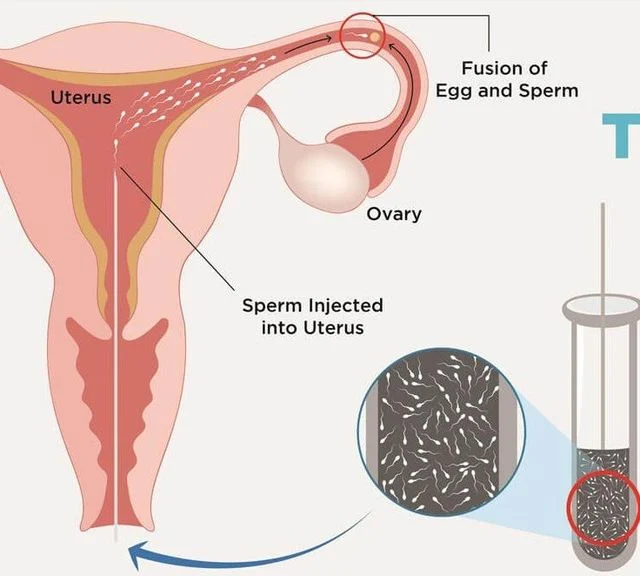
    Diagram illustrating the IUI process, showing sperm injection into the uterus and egg fertilization.

    Fertility Clinics vs Hospitals: Which Has Better Technology?

    One of the biggest advantages of hospitals is their ability to handle more complex cases. They often have more experienced doctors and surgeons who can handle more challenging fertility cases. Hospitals also have access to a wider range of medical technology, which can be beneficial for couples who may need additional treatments or procedures.

    Another benefit of hospitals is the potential for lower costs. As they offer a variety of medical services, they may have more affordable options for fertility treatments. Additionally, some insurance plans may cover fertility treatments when done in a hospital setting, making it a more feasible choice for some couples.

    However, one downside of hospitals is that they may not offer the same level of specialized care and expertise for fertility treatments as fertility clinics. As they do not specialize in reproductive health, they may not have the most up-to-date technology and techniques specifically designed for fertility treatments. This can potentially lead to lower success rates for couples seeking fertility treatment at a hospital.

    Summary:
    In conclusion, both fertility clinics and hospitals offer advanced medical technology for couples seeking fertility treatment. Fertility clinics have a specialized focus on reproductive health and offer the most up-to-date technology specifically designed for fertility treatments. They also have a higher success rate and a more personalized approach to treatment. However, they can be more expensive than hospitals. Hospitals, on the other hand, have access to a wider range of medical technology and may be more affordable for some couples. However, they may not have the same level of specialized care and expertise for fertility treatments as fertility clinics.

    When it comes to choosing between a fertility clinic and a hospital, it ultimately comes down to the individual needs and preferences of the couple. It is important to research and compare both options to determine which one may be the best fit for your specific situation. Consulting with a medical professional can also help guide you in making the right decision.

    In the end, the most important thing is to choose a trustworthy and reputable facility that offers the best technology and care for your fertility journey. With the right choice, you can increase your chances of starting or expanding your family and achieving your dream of parenthood.
  • Navigating the Challenges of Insemination: DIY vs Medical

    Navigating the Challenges of Insemination: DIY vs Medical

    Insemination, also known as artificial insemination, is a method of assisted reproduction that involves placing sperm into the reproductive tract of a woman in order to achieve pregnancy. While traditionally done in a medical setting, there has been a rise in do-it-yourself (DIY) insemination methods. Both options have their own set of challenges and it can be difficult for individuals or couples to decide which route is best for them. In this blog post, we will explore the pros and cons of DIY insemination versus medical insemination and help you navigate through the challenges of each.

    DIY Insemination

    DIY insemination involves using at-home insemination kits or methods to achieve pregnancy. These methods can include using a syringe, turkey baster, or cervical cap to insert sperm into the vagina, cervix, or uterus. While DIY insemination may seem appealing due to its lower cost and convenience, there are several challenges that individuals may face.

    One of the main challenges of DIY insemination is the lack of medical supervision. Without the guidance of a healthcare professional, individuals may not be aware of potential risks or complications that could arise during the process. For example, if the sperm used is not properly screened, there is a risk of transmitting sexually transmitted infections or genetic disorders to the recipient. Additionally, without medical supervision, there is a higher risk of improper technique leading to a lower success rate.

    Another challenge of DIY insemination is the emotional toll it can take on individuals or couples. DIY insemination can be a long and emotionally draining process, especially if multiple attempts are needed. The lack of support and guidance from a healthcare professional can make it difficult for individuals to cope with the emotional rollercoaster of trying to achieve pregnancy.

    Medical Insemination

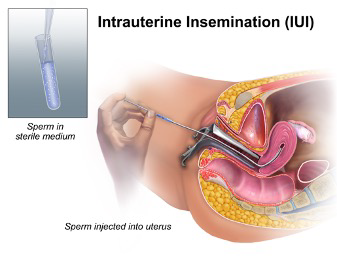
    Illustration of intrauterine insemination (IUI) procedure, showing sperm injection into the uterus.

    Navigating the Challenges of Insemination: DIY vs Medical

    On the other hand, medical insemination involves the guidance and oversight of a healthcare professional. This can include intrauterine insemination (IUI) or in vitro fertilization (IVF) procedures. While medical insemination may come with a higher cost, there are several advantages to this method.

    One of the main challenges of medical insemination is the financial burden it can place on individuals or couples. Depending on the type of procedure and any additional treatments needed, the cost of medical insemination can range from a few thousand dollars to tens of thousands of dollars. This can be a significant barrier for those who do not have insurance coverage or the financial means to afford it.

    Another challenge of medical insemination is the emotional toll it can take on individuals or couples. The process can be physically and emotionally demanding, and the success rates may not be as high as expected. This can lead to feelings of disappointment, frustration, and even grief for those who are unable to achieve pregnancy through medical insemination.

    Navigating the Challenges

    Choosing between DIY insemination and medical insemination can be a difficult decision, but it is important to carefully consider the challenges and risks involved before making a choice. For those considering DIY insemination, it is crucial to thoroughly research and understand the process, as well as seek guidance from a healthcare professional. This can help ensure that the sperm used is properly screened and that the procedure is done correctly, minimizing potential risks.

    For those considering medical insemination, it is important to carefully evaluate the financial costs and potential emotional impact. It may also be helpful to seek support from other individuals or couples who have gone through similar procedures. Consulting with a fertility specialist can also provide valuable information and guidance in making the best decision for your specific situation.

    In summary, the decision between DIY insemination and medical insemination is not an easy one. Both options have their own set of challenges and it is important to carefully consider the risks and potential outcomes before proceeding. Seeking guidance from a healthcare professional and finding a support system can help individuals navigate through the challenges and increase their chances of achieving a successful pregnancy.

  • The Science Behind DIY and Medical Insemination

    The Science Behind DIY and Medical Insemination

    In recent years, there has been a growing trend in the world of reproductive health – DIY and medical insemination. While the concept of insemination may sound daunting and complicated, advancements in science and technology have made it more accessible and widely accepted than ever before. In this blog post, we will delve into the science behind DIY and medical insemination and explore how it has become a viable option for many individuals and couples looking to start a family.

    What is Insemination?

    Before we dive into the science, let’s first understand what insemination actually is. Insemination is the process of introducing sperm into a female’s reproductive tract in order to fertilize an egg and facilitate pregnancy. There are two main types of insemination – DIY (do-it-yourself) and medical insemination.

    DIY insemination, also known as self-insemination, involves using at-home methods to introduce sperm into the cervix or vagina. This can be done through methods such as using a syringe, turkey baster, or cervical cap. On the other hand, medical insemination is performed by a healthcare professional in a clinical setting. It can involve techniques such as intrauterine insemination (IUI) or in vitro fertilization (IVF).

    The Science Behind DIY Insemination

    DIY insemination may sound unconventional, but there is actually a scientific basis behind it. The main principle behind DIY insemination is that sperm can survive in a fertile environment for a few days, and if introduced at the right time, can fertilize an egg.

    One of the key factors in DIY insemination is ovulation. Ovulation is the process of releasing an egg from the ovary, which typically occurs once a month. This is the prime time for fertilization to occur. DIY insemination methods aim to introduce sperm into the cervix or vagina during this window of ovulation, increasing the chances of fertilization.

    Another important aspect of DIY insemination is the use of sperm-friendly lubricants. Traditional lubricants, such as those used during sexual intercourse, can actually harm sperm and decrease their chances of survival. Therefore, it is recommended to use sperm-friendly lubricants, such as Pre-Seed, during DIY insemination to create a more fertile environment for the sperm.

    The Science Behind Medical Insemination

    While DIY insemination may work for some, others may opt for medical insemination for a variety of reasons. Medical insemination involves more advanced techniques and procedures, making it a more successful option for many individuals and couples.

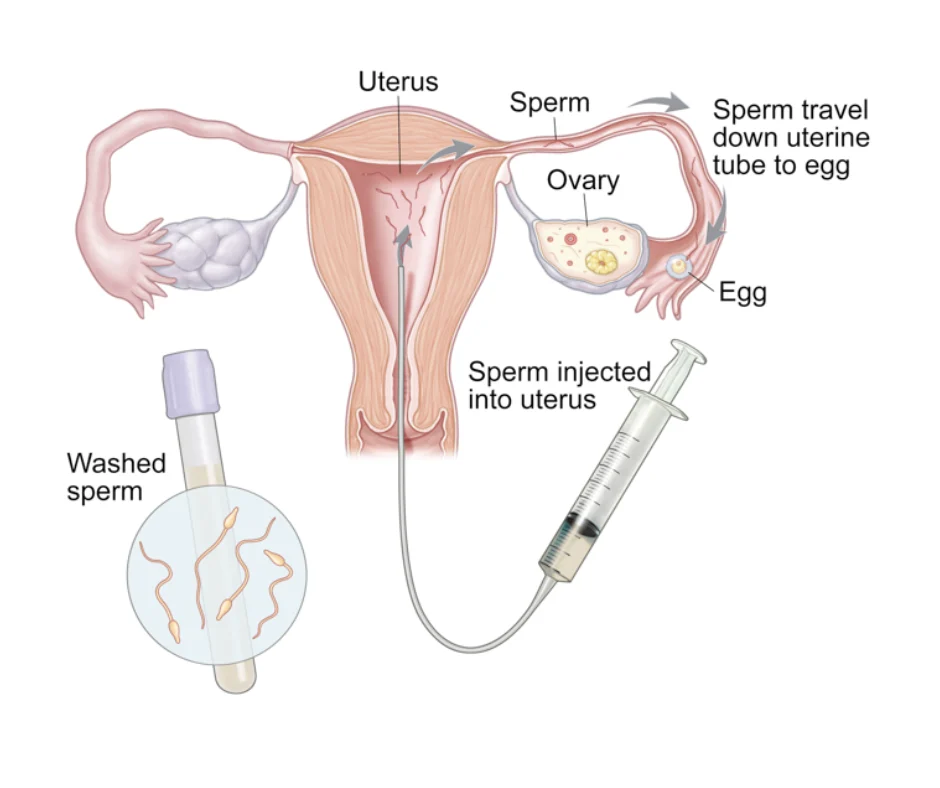
    diagram illustrating intrauterine insemination process, showing sperm injection into the uterus and egg fertilization pathway

    The Science Behind DIY and Medical Insemination

    Intrauterine insemination (IUI) is a common form of medical insemination. It involves placing sperm directly into the uterus through a thin catheter, bypassing the cervix and increasing the chances of fertilization. This method is often recommended for individuals or couples with fertility issues, as it can help overcome barriers to conception.

    In vitro fertilization (IVF) is another type of medical insemination that has gained popularity in recent years. This involves fertilizing an egg with sperm in a laboratory and then transferring the resulting embryo back into the uterus. IVF is a more complex and expensive procedure, but it has a higher success rate compared to other forms of insemination.

    The Role of Technology in Insemination

    Advancements in technology have played a crucial role in the success of both DIY and medical insemination. For DIY insemination, the use of ovulation prediction kits and at-home sperm testing kits have made it easier to track ovulation and determine the quality of sperm. These tools allow individuals and couples to have a better understanding of their fertility and increase the chances of successful insemination.

    In medical insemination, technology has enabled healthcare professionals to perform more precise and effective procedures. For example, sperm sorting techniques, such as sperm washing and microfluidic chips, can help select the healthiest and most viable sperm for insemination. Additionally, genetic testing and screening can be used to identify any potential genetic disorders or abnormalities in embryos before implantation, reducing the risk of passing on inherited diseases.

    The Controversy Surrounding DIY Insemination

    While DIY insemination may seem like a simple and accessible option, it has also sparked controversy and raised ethical concerns. One of the main concerns is the lack of medical supervision and potential risks involved in DIY insemination. Without the guidance of a healthcare professional, there is a higher risk of infection and potential complications.

    Another ethical concern is the use of donor sperm in DIY insemination. This can raise questions about the legal rights and responsibilities of the donor, as well as the potential psychological impact on the child conceived through DIY insemination.

    The Bottom Line

    Insemination, whether DIY or medical, has become a viable option for many individuals and couples looking to start a family. The science behind it is constantly evolving, making it more accessible and successful than ever before. However, it is important to weigh the potential risks and ethical concerns before making a decision about which method is best for you.

    In conclusion, DIY and medical insemination have become popular choices for individuals and couples looking to conceive. The science behind these methods, combined with advancements in technology, has made it possible for many to overcome fertility issues and achieve their dream of starting a family. However, it is important to consult with a healthcare professional and carefully consider the potential risks and ethical concerns before embarking on this journey.

  • The Emotional Journey of Insemination: DIY or Medical?

    The Emotional Journey of Insemination: DIY or Medical?

    Insemination, also known as artificial insemination, is the process of introducing sperm into a female’s reproductive tract for the purpose of fertilization. It can be done at home, known as DIY insemination, or in a medical setting. This decision can be a difficult one, as it involves not only physical but also emotional factors. In this blog post, we will explore the emotional journey of insemination and the considerations involved in choosing between DIY or medical insemination.

    Emotional Factors to Consider
    Insemination, whether done at home or in a medical facility, involves a high level of emotional investment. The journey can be filled with hope, excitement, and anxiety. The decision to undergo insemination is often preceded by months or even years of trying to conceive naturally, which can take a toll on a person’s emotional well-being.

    There are also societal and cultural factors that can add to the emotional weight of insemination. For some, there may be pressure from family or friends to conceive, while others may face judgment or stigma for not being able to conceive naturally. These external factors can contribute to the emotional burden of the insemination process.

    DIY Insemination: The Emotional Journey
    For some, the idea of performing insemination at home may feel more comfortable and less intimidating. DIY insemination involves purchasing a sperm donor kit or obtaining sperm from a known donor and inserting it into the vagina using a syringe or turkey baster. This method can be done in the privacy of one’s home and can save a significant amount of money compared to medical insemination.

    However, the emotional journey of DIY insemination can be challenging. It requires a great deal of trust in the donor and may involve complex legal considerations, especially if the donor is not a known partner. The DIY process also lacks the support and guidance of medical professionals, which can be overwhelming for some individuals.

    Medical Insemination: The Emotional Journey
    Medical insemination, also known as intrauterine insemination (IUI), involves the insertion of sperm directly into the uterus using a catheter. This procedure is performed by a trained medical professional in a clinical setting. Unlike DIY insemination, medical insemination requires the use of fertility drugs to stimulate ovulation, which can increase the chances of conception.

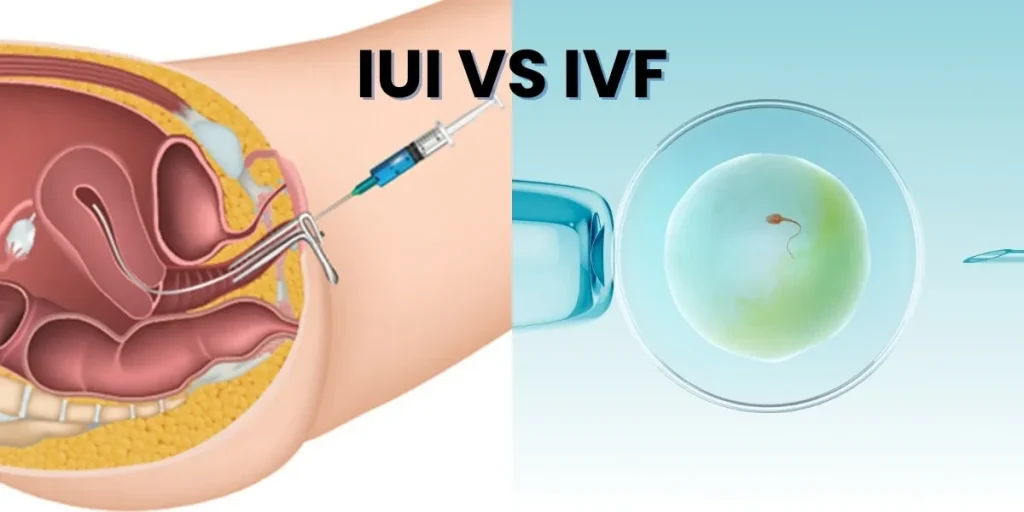
    comparison of IUI and IVF procedures illustrated with simple graphics and labels

    The Emotional Journey of Insemination: DIY or Medical?

    The emotional journey of medical insemination can be equally challenging. It often involves more invasive procedures and a higher level of medical intervention, which can be overwhelming for some individuals. The process can also be expensive and may require multiple attempts, adding to the emotional and financial burden.

    Coping with the Emotional Rollercoaster
    No matter which method of insemination is chosen, the emotional journey can be a rollercoaster. The constant cycle of hope, disappointment, and uncertainty can take a toll on one’s mental and emotional well-being. It is essential to have a strong support system in place, including a partner, family, friends, and medical professionals who can provide emotional support and guidance throughout the process.

    It is also crucial to take care of one’s emotional and mental health during this journey. This may involve seeking therapy, joining support groups, or practicing self-care techniques such as meditation, exercise, or journaling.

    The Importance of Communication
    One of the most crucial factors in the emotional journey of insemination is communication. It is essential to have open and honest communication with your partner throughout the process. Discussing expectations, fears, and concerns can help alleviate some of the emotional burdens and strengthen the relationship.

    It is also crucial to communicate with medical professionals, whether undergoing DIY or medical insemination. They can provide valuable support and guidance, as well as address any concerns or questions that may arise.

    In conclusion, the emotional journey of insemination is a complex and challenging one. Whether choosing DIY or medical insemination, it is essential to consider the emotional factors involved and have a strong support system in place. Remember to take care of your emotional and mental well-being during this journey, and communicate openly with your partner and medical professionals. With the right support and mindset, the emotional journey of insemination can lead to the desired outcome of conceiving a child.

    Summary:
    Insemination, whether done at home or in a medical setting, involves a high level of emotional investment. Factors such as societal and cultural pressures, as well as the difficulty of trying to conceive naturally, can add to the emotional burden of the process. DIY insemination offers privacy and cost savings, but lacks medical guidance and may involve complex legal considerations. Medical insemination, on the other hand, involves more invasive procedures and a higher level of medical intervention, but may increase the chances of conception. No matter which method is chosen, it is crucial to have a strong support system and to take care of one’s emotional and mental well-being. Communication with a partner and medical professionals is also essential for coping with the emotional journey of insemination.

  • Understanding the Differences: At-Home vs Medical Fertility Testing

    In today’s world, many couples are waiting longer to start a family or are facing difficulties when trying to conceive. As a result, fertility testing has become a popular topic and an important tool in family planning. However, there are different options when it comes to fertility testing, specifically at-home and medical testing. In this blog post, we will discuss the differences between these two types of testing, their benefits and limitations, and help you understand which option may be the best for you.

    At-Home Fertility Testing:
    At-home fertility testing involves using a kit that can be purchased over-the-counter or online. These kits usually test for ovulation and can also provide information about hormone levels and overall reproductive health. They are easy to use and can be done in the comfort of your own home. The process usually involves collecting a sample, either urine or saliva, and following the instructions provided in the kit.

    Benefits:
    One of the major benefits of at-home fertility testing is convenience. As mentioned earlier, it can be done in the privacy of your own home, without having to schedule appointments or visit a medical facility. This can be particularly appealing for couples who are trying to conceive but have busy schedules or live in remote areas.

    Another benefit is cost. At-home fertility testing kits are generally more affordable than medical testing, making it a more accessible option for couples who may not have insurance coverage or the financial means to undergo medical testing.

    Limitations:
    While at-home fertility testing may seem like a convenient and cost-effective option, it does have some limitations. The accuracy of these tests can vary, and they may not be able to provide a complete picture of your reproductive health. For example, at-home tests may not be able to detect certain underlying issues that could be causing infertility, such as blocked fallopian tubes or low sperm count. Additionally, some at-home kits may not be regulated by the FDA, which could impact their reliability.

    Medical Fertility Testing:
    Medical fertility testing involves visiting a healthcare professional, usually a fertility specialist, to undergo a series of tests and evaluations. These tests may include blood work, ultrasounds, and other diagnostic procedures to assess your reproductive health and identify any potential issues that may be affecting your fertility.

    Benefits:
    The biggest benefit of medical fertility testing is the expertise and guidance of a healthcare professional. Fertility specialists have extensive training and experience in diagnosing and treating infertility, and they can provide personalized recommendations based on your specific situation. They may also be able to detect underlying issues that at-home tests may miss, providing a more comprehensive evaluation of your reproductive health.

    comparison of IUI and IVF fertility treatments with illustrations of procedures and a petri dish with an egg and sperm

    Understanding the Differences: At-Home vs Medical Fertility Testing

    Medical testing also allows for more accurate and reliable results. The tests and procedures used are often more advanced and have been extensively researched and regulated, ensuring their accuracy and reliability.

    Limitations:
    The main limitation of medical fertility testing is the cost. These tests and procedures can be expensive, and they may not be covered by insurance. This can be a barrier for couples who are already struggling with the emotional and financial stress of infertility.

    Another limitation is the inconvenience and time commitment. Medical fertility testing involves multiple appointments and procedures, which can be time-consuming and may require taking time off work or rearranging schedules.

    Which Option is Right for You?
    When it comes to choosing between at-home and medical fertility testing, there is no one-size-fits-all answer. It ultimately depends on your personal preferences and situation. If you are looking for a convenient and cost-effective way to track your ovulation and get a general idea of your reproductive health, at-home testing may be a good option for you. However, if you are experiencing difficulty conceiving and want a more comprehensive evaluation of your fertility, medical testing may be the better choice.

    In some cases, a combination of both options may be beneficial. For example, using at-home tests to track ovulation and then consulting with a fertility specialist for a more thorough evaluation.

    In conclusion, understanding the differences between at-home and medical fertility testing is important in order to make an informed decision about which option is right for you. While at-home testing offers convenience and affordability, medical testing provides accuracy and expertise. Consider your personal needs and preferences and consult with a healthcare professional to determine the best course of action for your reproductive health journey.

    Summary:
    Fertility testing has become an important tool in family planning, but there are differences between at-home and medical testing. At-home testing offers convenience and affordability, while medical testing provides accuracy and expertise. At-home tests may not be able to detect underlying issues, while medical testing involves multiple appointments and can be costly. The best option depends on personal preferences and situation, and a combination of both may be beneficial.