Navigating the World of Egg Donation and Egg Freezing
In recent years, egg donation and egg freezing have become increasingly popular options for individuals and couples looking to start a family. These procedures offer hope for those struggling with fertility issues or who want to preserve their fertility for future use. However, navigating the world of egg donation and egg freezing can be overwhelming and confusing for many people. In this blog post, we will discuss the basics of egg donation and egg freezing, the process and requirements for each, and some important considerations to keep in mind when exploring these options.
Understanding Egg Donation
Egg donation is the process of retrieving a woman’s eggs and using them for fertility treatments. These eggs are then fertilized with sperm and implanted into the recipient’s uterus to achieve pregnancy. This procedure is often used by couples struggling with infertility issues or same-sex couples who require an egg donor to start a family.
The first step in the egg donation process is finding a suitable egg donor. This can be done through an agency, clinic, or directly with a known donor. Agencies typically have a pool of pre-screened egg donors, while clinics may have their own donor programs. It is important to thoroughly research and choose a reputable agency or clinic, as this can greatly impact the success of the procedure.
Once a donor is selected, they will undergo a series of medical and psychological screenings to ensure their physical and mental health. This is to ensure that the donor is able to handle the physical demands of the egg retrieval process and that they are mentally prepared for the emotional aspects of donating their eggs.
The egg retrieval process involves administering fertility medications to stimulate the donor’s ovaries to produce multiple eggs. These eggs are then retrieved through a minimally invasive surgical procedure and fertilized with sperm in a laboratory. The resulting embryos are then transferred to the recipient’s uterus for implantation. Any remaining embryos can be frozen for future use.
Understanding Egg Freezing
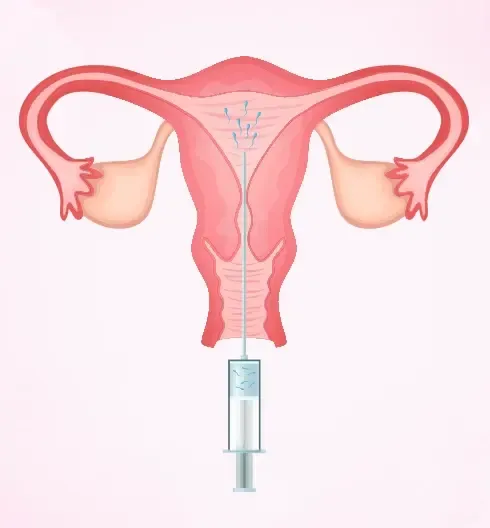
Egg freezing, also known as oocyte cryopreservation, is the process of retrieving a woman’s eggs and freezing them for later use. This is typically done for women who want to preserve their fertility for personal or medical reasons. It is also an option for women undergoing medical treatments that may affect their fertility, such as chemotherapy.
Navigating the World of Egg Donation and Egg Freezing
The process of egg freezing is similar to that of egg donation, with the main difference being that the frozen eggs will be used by the same person who donated them. This means that the recipient does not need to find a donor and can use their own eggs to achieve pregnancy in the future. The eggs are retrieved and frozen at a young age when they are most viable, and can be used at a later time when the individual is ready to start a family.
Important Considerations
While egg donation and egg freezing offer hope for many individuals and couples, there are some important considerations to keep in mind when exploring these options.
Firstly, both procedures can be expensive, with egg donation being the more costly of the two. It is important to carefully consider the financial implications and ensure that you have the necessary resources to cover the costs involved. Some insurance plans may cover a portion of the expenses, so it is worth checking with your provider.
Secondly, there may be legal and ethical considerations to navigate. In the case of egg donation, it is important to have a legal agreement in place between the donor and recipient to outline expectations and responsibilities. In some countries, compensation for egg donation is not allowed, so it is essential to research and follow the laws and regulations in your area.
Lastly, it is important to consider the emotional and psychological impact of egg donation and egg freezing. These procedures can be emotionally taxing for both the donor and recipient, and it is crucial to have a support system in place. Counseling and therapy may be beneficial for those going through the process to help cope with any challenges or uncertainties.
In conclusion, egg donation and egg freezing are viable options for individuals and couples looking to start a family. It is important to educate oneself on the process, requirements, and potential challenges involved in order to make an informed decision. With proper research, guidance, and support, navigating the world of egg donation and egg freezing can be a positive and life-changing experience.
Summary:
Egg donation and egg freezing are popular options for those struggling with fertility issues or wanting to preserve their fertility for future use. Egg donation involves retrieving a donor’s eggs and using them for fertility treatments, while egg freezing involves retrieving a person’s eggs and freezing them for later use. Both procedures require thorough research and consideration of factors such as cost, legal and ethical considerations, and emotional impact. With proper guidance and support, navigating the world of egg donation and egg freezing can bring hope and joy to those seeking to start a family.