Tag: informed decision

  • Fertility Medications vs Surgery: How to Make an Informed Decision

    Blog Post:

    When it comes to fertility issues, there are various treatment options available, including fertility medications and surgery. These two methods have been proven to be effective in helping couples conceive, but they have different approaches and outcomes. Choosing between fertility medications and surgery can be a daunting decision, and it is essential to make an informed choice. In this blog post, we will explore the differences between these two methods and provide some helpful tips on how to make the best decision for your fertility journey.

    Fertility Medications:

    Fertility medications are often the first line of treatment for couples struggling with infertility. These medications are designed to stimulate ovulation, regulate hormones, and improve the quality and quantity of eggs produced. They are available in different forms, including pills, injections, and nasal sprays, and are prescribed based on the underlying cause of infertility.

    One of the most commonly prescribed fertility medications is Clomiphene citrate (Clomid), which stimulates the release of hormones that trigger ovulation. Other medications, such as Gonadotropins and Metformin, are also used to stimulate ovulation and regulate insulin levels in women with polycystic ovary syndrome (PCOS).

    Pros of Fertility Medications:

    1. Non-invasive: Fertility medications are taken orally or through injections, making them less invasive compared to surgery.

    2. Cost-effective: Medications are generally more affordable than surgery, making them a more accessible option for many couples.

    3. Fewer side effects: While fertility medications may cause some side effects, they are usually mild and easily manageable.

    4. Can be used for a longer duration: Fertility medications can be used for several cycles, giving couples more chances to conceive without undergoing surgery.

    Cons of Fertility Medications:

    1. Limited success rates: Fertility medications may not work for everyone, and success rates vary depending on the underlying cause of infertility.

    2. Multiple pregnancies: Some fertility medications may increase the chances of conceiving multiples, such as twins or triplets, which can lead to a high-risk pregnancy.

    3. Ovarian hyperstimulation syndrome (OHSS): In some cases, fertility medications can overstimulate the ovaries, leading to OHSS, a potentially serious condition that can cause bloating, abdominal pain, and shortness of breath.

    Surgery:
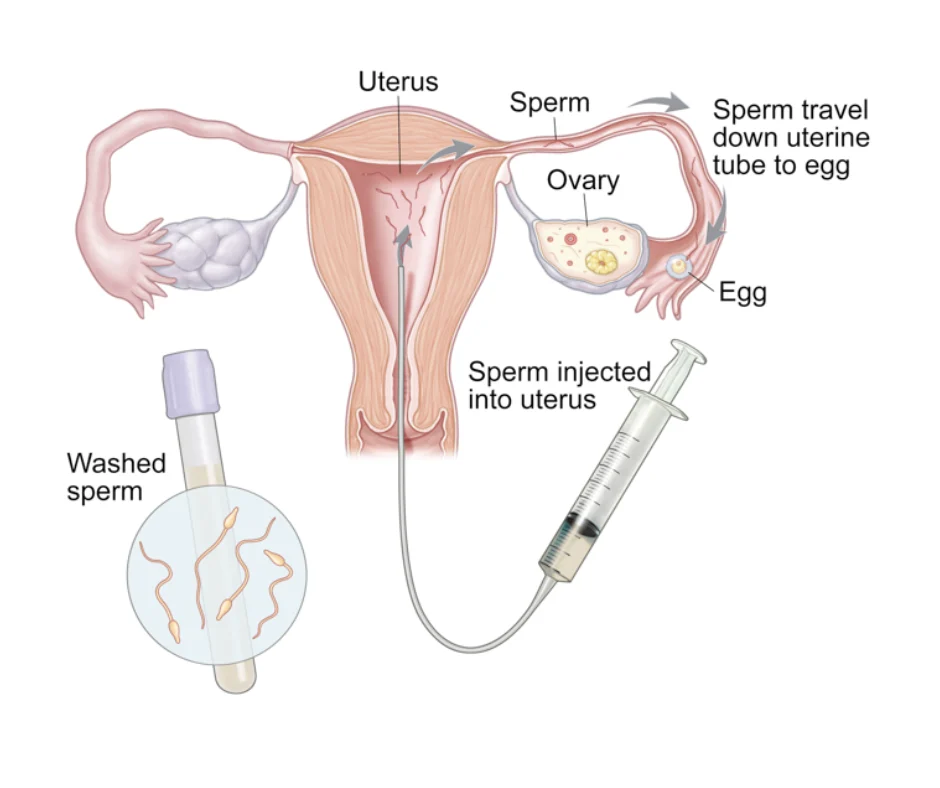
    diagram illustrating intrauterine insemination process, showing sperm injection into the uterus and egg fertilization pathway

    Fertility Medications vs Surgery: How to Make an Informed Decision

    Surgery is another treatment option for couples struggling with fertility issues. The most common surgical procedures for fertility include laparoscopy and hysteroscopy. Laparoscopy is a minimally invasive procedure that involves making small incisions in the abdomen to examine and treat underlying issues such as endometriosis, fibroids, and blocked fallopian tubes. Hysteroscopy, on the other hand, is a procedure that involves inserting a thin, lighted tube through the cervix to examine and treat abnormalities in the uterine cavity.

    Pros of Surgery:

    1. Higher success rates: Surgery can effectively treat underlying issues that may be causing infertility, leading to higher success rates compared to fertility medications.

    2. Can treat structural problems: Surgery can address structural problems such as blocked fallopian tubes, which cannot be treated with fertility medications.

    3. Single procedure: Unlike fertility medications, which may require multiple cycles, surgery is a one-time procedure.

    Cons of Surgery:

    1. Invasive: Surgery is a more invasive option compared to fertility medications, which may require a longer recovery time.

    2. Higher costs: Surgical procedures can be expensive, and they may not be covered by insurance, making them less accessible to some couples.

    3. Potential risks: As with any surgery, there are potential risks involved, such as bleeding, infection, and damage to surrounding organs.

    How to Make an Informed Decision:

    1. Understand the cause of your infertility: Before making a decision, it is essential to understand the root cause of your infertility. This will help you determine which treatment option is best for you.

    2. Discuss with your doctor: Your doctor can provide you with more information about the risks and benefits of both fertility medications and surgery based on your specific case.

    3. Consider your age and overall health: Your age and overall health are important factors to consider when deciding between fertility medications and surgery. Older women may have a lower success rate with fertility medications, while women with certain health conditions may not be suitable candidates for surgery.

    4. Discuss the costs: Fertility treatments can be expensive, and it is crucial to consider the costs involved and whether they are covered by insurance.

    5. Be open to alternative treatments: In some cases, alternative treatments, such as acupuncture or lifestyle changes, may be beneficial in conjunction with fertility medications or surgery.

    In summary, both fertility medications and surgery are viable options for couples struggling with infertility. Fertility medications may be a good first step, as they are non-invasive, cost-effective, and have fewer risks. However, if the underlying cause of infertility is structural, surgery may be a more effective option. Ultimately, it is essential to consult with your doctor and consider all factors before making a decision.
  • The Role of Medical History in Sperm Banks vs Known Donors

    Blog Post: The Role of Medical History in Sperm Banks vs Known Donors

    Sperm donation has become a widely accepted option for individuals and couples struggling with fertility issues. With the advancement of medical technology, the process of sperm donation has become more accessible and efficient. However, there are still important factors to consider when choosing between a sperm bank and a known donor. One of the most crucial considerations is the medical history of the donor. In this blog post, we will explore the role of medical history in sperm banks versus known donors, and why it is important for both the donor and the recipient.

    Sperm Banks:

    Sperm banks are facilities that collect, store, and distribute sperm donations. These donations are provided by anonymous donors who go through a rigorous screening process before being accepted. This process includes medical, genetic, and psychological evaluations to ensure the donor’s physical and mental health. Sperm banks also require donors to undergo regular testing for sexually transmitted infections (STIs) and genetic disorders. This thorough screening process is essential to protect the health of the recipient and any potential children.

    One of the main advantages of using a sperm bank is the anonymity of the donor. This can be beneficial for individuals or couples who want to maintain their privacy or do not have a known donor available. However, this anonymity also means that the recipient will have limited information about the donor’s medical history. Sperm banks typically provide basic information about the donor’s physical characteristics, educational background, and occupation. Still, they do not disclose any personal or medical information that could potentially identify the donor. This lack of information can be a significant drawback for those who are concerned about their potential child’s genetic predispositions.

    Known Donors:

    Known donors are individuals who personally know the recipient and agree to donate sperm. This could be a friend, family member, or someone the recipient has met through online platforms or support groups. Unlike sperm banks, known donors are not subject to the same strict screening process. However, it is still crucial for the recipient to discuss the donor’s medical history and undergo testing for STIs and genetic disorders before proceeding with the donation. This information can help the recipient make an informed decision and ensure the health of any potential children.

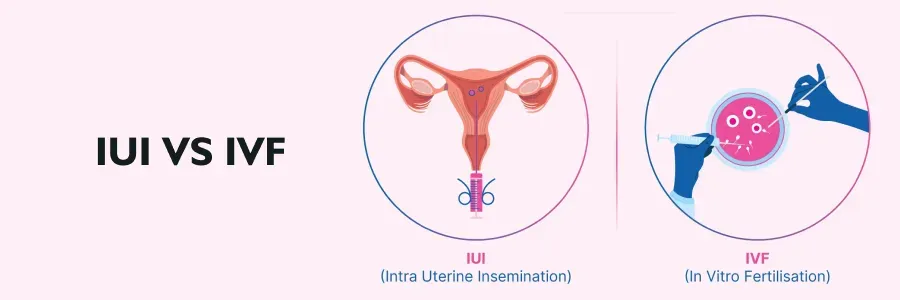
    Comparison of IUI and IVF with illustrations of each procedure.

    The Role of Medical History in Sperm Banks vs Known Donors

    One of the main advantages of using a known donor is the ability to obtain more detailed information about their medical history. Since the donor is known, they can provide information about their family’s medical background, which can help identify any potential genetic risks. This information is vital for individuals or couples who have a family history of certain medical conditions and want to avoid passing them on to their child. Additionally, using a known donor can also provide a sense of connection and involvement in the conception process for both the donor and the recipient.

    The Importance of Medical History:

    No matter the choice between a sperm bank or a known donor, the medical history of the donor plays a crucial role in the success of sperm donation. It not only affects the health of the potential child but also the well-being of the recipient. By understanding the donor’s medical history, the recipient can make informed decisions and take necessary precautions to ensure a healthy pregnancy and baby.

    In the case of sperm banks, the lack of detailed medical history can be a significant concern for some recipients. The limited information provided by sperm banks may not be enough to identify potential genetic risks that could affect the child’s health. However, the anonymity of sperm donors can also be beneficial for those who do not want the donor to have any involvement in the child’s life.

    On the other hand, known donors provide more in-depth information about their medical history, but there is still a risk of withholding or inaccurate information. This is why it is essential for the recipient to have open and honest communication with the donor and undergo proper testing before proceeding with the donation.

    Summary:

    The choice between using a sperm bank or a known donor for sperm donation is a personal decision that depends on individual circumstances and preferences. However, the medical history of the donor should always be a crucial factor in this decision. While sperm banks offer anonymity and a rigorous screening process, they may not provide enough information about the donor’s medical history. On the other hand, known donors can provide more detailed information, but there is still a risk of inaccurate or withheld information. Ultimately, open and honest communication and proper testing are essential for the success of sperm donation, regardless of the chosen method.

  • Egg Donation vs Egg Freezing: Making an Informed Decision

    Egg Donation vs Egg Freezing: Making an Informed Decision

    Egg donation and egg freezing are two medical procedures that have revolutionized the way women can plan for their future fertility. These options provide the opportunity for women to have children later in life, whether it’s due to personal or medical reasons. However, these two procedures are often confused with each other, and many women struggle to understand the differences between them and which one may be the right choice for them. In this blog post, we will discuss the differences between egg donation and egg freezing, the pros and cons of each, and how to make an informed decision about which option is best for you.

    Egg Donation: What is it?

    Egg donation is a process in which a fertile woman (known as the donor) provides her eggs to another woman (known as the recipient) who is unable to produce her own eggs. This process is often used by women who are unable to conceive due to various reasons, such as age, genetic disorders, or medical conditions. Egg donation involves a series of medical procedures, including hormonal stimulation, egg retrieval, and fertilization in a lab. Once the eggs are retrieved, they are fertilized with the sperm of either the recipient’s partner or a sperm donor. The resulting embryos are then transferred into the recipient’s uterus in hopes of achieving a successful pregnancy.

    Egg Freezing: What is it?

    Egg freezing, also known as oocyte cryopreservation, is a process in which a woman’s eggs are retrieved, frozen, and stored for future use. This option is often chosen by women who want to preserve their fertility for various reasons, such as delaying pregnancy for career or personal reasons, or undergoing medical treatments that may affect their fertility. Similar to egg donation, the process of egg freezing also involves hormonal stimulation and egg retrieval. However, instead of fertilizing the eggs immediately, they are frozen and stored in a specialized facility until the woman is ready to use them in the future.

    Pros and Cons of Egg Donation

    Pros:

    1. Higher chances of pregnancy: Egg donation has a higher success rate compared to other fertility treatments, as it uses healthy, young eggs from a donor.

    2. No genetic link to the donor: For some couples, the fact that there is no genetic link between the donor and the child may be seen as an advantage, especially if they want to maintain privacy about their fertility treatment.

    3. Availability of donor eggs: Egg donation is a widely available option, with many specialized fertility clinics offering donor egg programs.

    Cons:

    1. Cost: Egg donation can be a costly procedure, as it involves multiple medical procedures, including hormonal stimulation, egg retrieval, and fertilization.

    2. Emotional aspects: Some women may struggle with the emotional aspect of using someone else’s eggs to conceive a child.

    3. Legal and ethical considerations: There may be legal and ethical considerations to take into account when using donor eggs, such as the rights of the donor and the child.

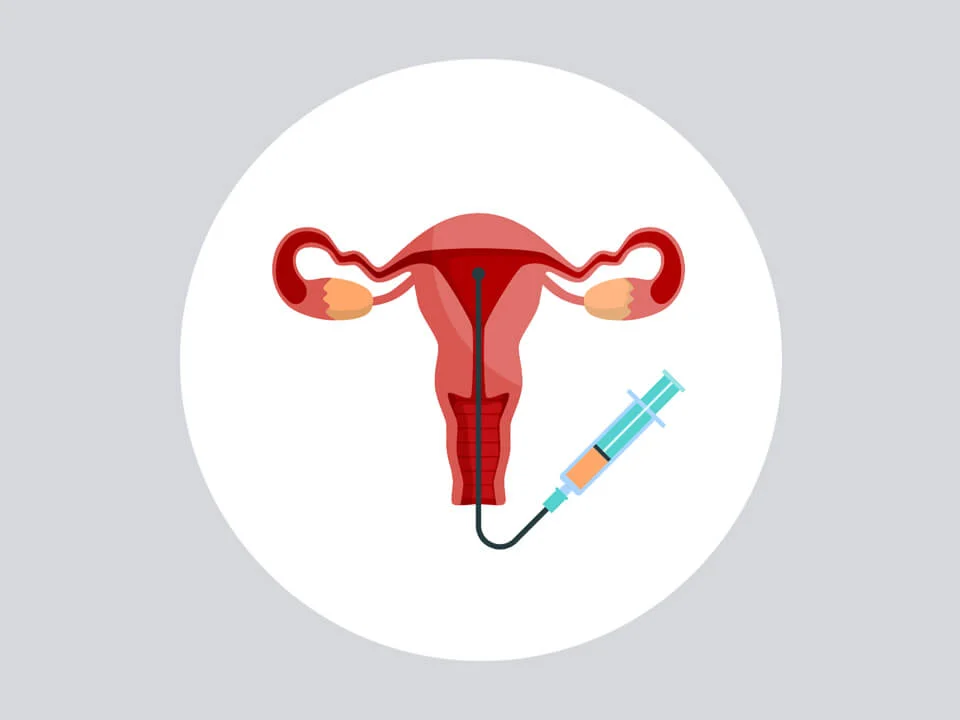
    Illustration of a uterus with a syringe, representing intrauterine insemination (IUI) procedure.

    Egg Donation vs Egg Freezing: Making an Informed Decision

    Pros and Cons of Egg Freezing

    Pros:

    1. Flexibility and control over reproductive choices: Egg freezing allows women to have more control over their reproductive choices and the timing of when they want to have children.

    2. Preserving fertility: For women who want to delay pregnancy for personal or medical reasons, egg freezing provides the opportunity to preserve their fertility and increase their chances of having a biological child in the future.

    3. No need for a donor: Unlike egg donation, egg freezing allows women to use their own eggs, eliminating the need for a donor and any potential genetic concerns.

    Cons:

    1. Success rate: The success rate of egg freezing is not as high as egg donation, as the quality of the frozen eggs may decrease over time.

    2. Cost: Egg freezing can also be a costly procedure, with the added expense of storage fees for the frozen eggs.

    3. No guarantee of a successful pregnancy: Just like any fertility treatment, there is no guarantee that the frozen eggs will result in a successful pregnancy in the future.

    Making an Informed Decision

    When considering egg donation vs egg freezing, it’s important to take into account various factors such as age, medical history, and personal preferences. It’s essential to consult with a fertility specialist to discuss your options and determine which one is best for you. Additionally, it’s important to consider the emotional, financial, and ethical aspects of each procedure before making a decision.

    Some questions to consider when making this decision may include:

    – What are my reasons for wanting to preserve my fertility?
    – What are the success rates of each procedure for someone in my age group and medical history?
    – What are the costs associated with each procedure, including any potential future expenses?
    – How do I feel about using a donor’s eggs vs my own eggs?
    – What are the legal and ethical considerations of each option?
    – How do I feel about the potential emotional aspects of each procedure?

    Summary:

    Egg donation and egg freezing are two medical procedures that offer women the opportunity to plan for their future fertility. Egg donation involves using a donor’s eggs to conceive a child, while egg freezing involves retrieving, freezing, and storing a woman’s own eggs for future use. Both options have their own set of pros and cons, and it’s important for women to carefully consider factors such as age, medical history, and personal preferences before making a decision. Consulting with a fertility specialist and weighing the emotional, financial, and ethical aspects of each procedure can help women make an informed decision about which option is best for them.