Blog Post:
Fertility is a major concern for many couples who are trying to conceive. It can be a complicated and emotional journey, but one important step in the process is getting a fertility check-up. This check-up involves a series of tests for both men and women to assess their reproductive health and identify any potential issues that may affect their ability to conceive. In this blog post, we will discuss what to expect from male and female fertility tests.
What is a Fertility Check-Up?
A fertility check-up, also known as a fertility evaluation, is a series of tests that are performed to assess the reproductive health of both partners. It is recommended for couples who have been trying to conceive for at least a year with no success, or for couples who have known fertility issues. The check-up typically involves a physical examination, blood tests, and imaging tests.
Female Fertility Tests
1. Physical Examination
The first step in a female fertility check-up is a physical examination. This may include a pelvic exam to check for any abnormalities in the reproductive organs. The doctor will also check for any signs of hormonal imbalances or other health issues that may affect fertility.
2. Blood Tests
Blood tests are an important part of a female fertility check-up. These tests can check for hormone levels, thyroid function, and other factors that can impact fertility. They can also help identify any underlying health conditions that may be affecting fertility, such as polycystic ovary syndrome (PCOS) or endometriosis.
3. Ovulation Testing
Ovulation testing involves tracking a woman’s menstrual cycle to determine if and when she is ovulating. This can be done through at-home ovulation prediction kits or more advanced tests at a fertility clinic. Ovulation testing can help determine if a woman is ovulating regularly and if there are any issues with the quality of her eggs.
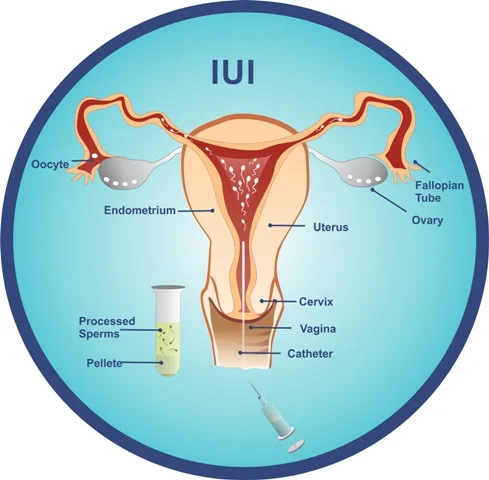
Fertility Check-Up: What to Expect from Male and Female Fertility Tests
4. Imaging Tests
Imaging tests, such as ultrasounds, can help identify any structural issues with the reproductive organs. For example, an ultrasound can detect problems with the uterus, fallopian tubes, or ovaries that may be affecting fertility.
5. Hysterosalpingogram (HSG)
An HSG is a special type of X-ray that is used to check for any blockages or abnormalities in the fallopian tubes. This test can help determine if there are any issues that may be preventing the egg from reaching the uterus and being fertilized.
Male Fertility Tests
1. Physical Examination
Similar to a female fertility check-up, a physical examination is also an important part of male fertility testing. The doctor will check the man’s reproductive organs for any abnormalities, such as varicoceles (enlarged veins in the testicles) or other issues that may affect fertility.
2. Semen Analysis
A semen analysis is a critical test in assessing male fertility. It involves collecting a sample of semen and analyzing it for sperm count, motility (movement), and morphology (shape). This test can help identify any issues with sperm production, quality, or function.
3. Hormone Testing
Hormone testing is also an important part of male fertility testing. It can help identify any hormonal imbalances that may be contributing to fertility issues. Hormone levels can also affect sperm production and function.
4. Imaging Tests
In some cases, imaging tests may be recommended for men as well. Ultrasounds can be used to check for any structural issues with the reproductive organs, such as blockages in the vas deferens or enlarged veins.
Summary:
A fertility check-up is a crucial step for couples who are trying to conceive. It involves a series of tests for both men and women to assess their reproductive health and identify any potential issues that may affect fertility. For women, the check-up may include a physical exam, blood tests, ovulation testing, imaging tests, and an HSG. For men, a physical exam, semen analysis, hormone testing, and imaging tests may be performed. These tests can help determine the cause of fertility problems and guide couples towards appropriate treatment options.