Tag: Couples trying to conceive

  • Fertility Check-Up: What to Expect from Male and Female Fertility Tests

    Blog Post:

    Fertility is a major concern for many couples who are trying to conceive. It can be a complicated and emotional journey, but one important step in the process is getting a fertility check-up. This check-up involves a series of tests for both men and women to assess their reproductive health and identify any potential issues that may affect their ability to conceive. In this blog post, we will discuss what to expect from male and female fertility tests.

    What is a Fertility Check-Up?

    A fertility check-up, also known as a fertility evaluation, is a series of tests that are performed to assess the reproductive health of both partners. It is recommended for couples who have been trying to conceive for at least a year with no success, or for couples who have known fertility issues. The check-up typically involves a physical examination, blood tests, and imaging tests.

    Female Fertility Tests

    1. Physical Examination
    The first step in a female fertility check-up is a physical examination. This may include a pelvic exam to check for any abnormalities in the reproductive organs. The doctor will also check for any signs of hormonal imbalances or other health issues that may affect fertility.

    2. Blood Tests
    Blood tests are an important part of a female fertility check-up. These tests can check for hormone levels, thyroid function, and other factors that can impact fertility. They can also help identify any underlying health conditions that may be affecting fertility, such as polycystic ovary syndrome (PCOS) or endometriosis.

    3. Ovulation Testing
    Ovulation testing involves tracking a woman’s menstrual cycle to determine if and when she is ovulating. This can be done through at-home ovulation prediction kits or more advanced tests at a fertility clinic. Ovulation testing can help determine if a woman is ovulating regularly and if there are any issues with the quality of her eggs.
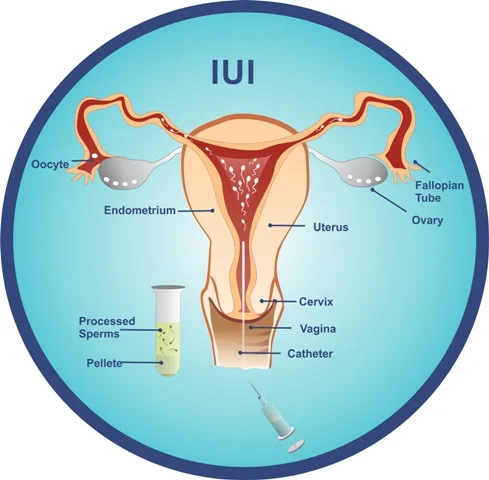
    diagram illustrating intrauterine insemination (IUI) with labeled reproductive anatomy and procedures

    Fertility Check-Up: What to Expect from Male and Female Fertility Tests

    4. Imaging Tests
    Imaging tests, such as ultrasounds, can help identify any structural issues with the reproductive organs. For example, an ultrasound can detect problems with the uterus, fallopian tubes, or ovaries that may be affecting fertility.

    5. Hysterosalpingogram (HSG)
    An HSG is a special type of X-ray that is used to check for any blockages or abnormalities in the fallopian tubes. This test can help determine if there are any issues that may be preventing the egg from reaching the uterus and being fertilized.

    Male Fertility Tests

    1. Physical Examination
    Similar to a female fertility check-up, a physical examination is also an important part of male fertility testing. The doctor will check the man’s reproductive organs for any abnormalities, such as varicoceles (enlarged veins in the testicles) or other issues that may affect fertility.

    2. Semen Analysis
    A semen analysis is a critical test in assessing male fertility. It involves collecting a sample of semen and analyzing it for sperm count, motility (movement), and morphology (shape). This test can help identify any issues with sperm production, quality, or function.

    3. Hormone Testing
    Hormone testing is also an important part of male fertility testing. It can help identify any hormonal imbalances that may be contributing to fertility issues. Hormone levels can also affect sperm production and function.

    4. Imaging Tests
    In some cases, imaging tests may be recommended for men as well. Ultrasounds can be used to check for any structural issues with the reproductive organs, such as blockages in the vas deferens or enlarged veins.

    Summary:

    A fertility check-up is a crucial step for couples who are trying to conceive. It involves a series of tests for both men and women to assess their reproductive health and identify any potential issues that may affect fertility. For women, the check-up may include a physical exam, blood tests, ovulation testing, imaging tests, and an HSG. For men, a physical exam, semen analysis, hormone testing, and imaging tests may be performed. These tests can help determine the cause of fertility problems and guide couples towards appropriate treatment options.
  • The Risks Involved: Artificial Insemination and Natural Conception

    Blog Post: The Risks Involved: Artificial Insemination and Natural Conception

    Artificial insemination and natural conception are two commonly used methods for couples who are trying to conceive a child. Both methods have their own set of benefits and risks, and it is important for couples to understand and weigh these factors before making a decision. In this blog post, we will take a closer look at the risks involved in both artificial insemination and natural conception.

    Artificial Insemination:

    Artificial insemination, also known as intrauterine insemination (IUI), is a fertility treatment that involves inserting sperm directly into the uterus. This can be done using either the partner’s sperm or a donor’s sperm. The procedure is relatively simple and can be performed in a doctor’s office without the need for anesthesia.

    One of the main risks associated with artificial insemination is the potential for multiple pregnancies. Because multiple eggs may be released during ovulation, there is a higher chance of conceiving twins or even triplets. While some couples may see this as a positive outcome, multiple pregnancies can also increase the risk of complications for both the mother and the babies.

    Another risk of artificial insemination is the potential for infection. Since the procedure involves inserting a catheter into the uterus, there is a risk of introducing bacteria or other pathogens into the reproductive system. This can lead to pelvic inflammatory disease (PID), which can cause scarring in the fallopian tubes and make it difficult for a woman to conceive naturally in the future.

    There is also a small risk of allergic reactions to the sperm or other substances used during the procedure. This is more common in women who have a history of allergies or sensitivities. It is important for couples to discuss any potential allergies with their doctor before undergoing the procedure.

    Natural Conception:

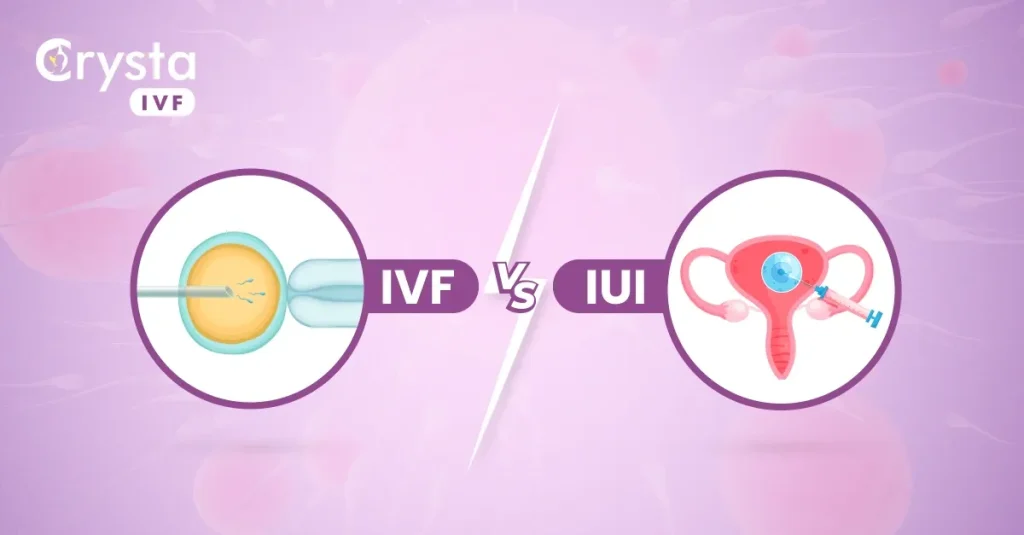
    Comparison of IVF and IUI procedures with illustrations of each method.

    The Risks Involved: Artificial Insemination and Natural Conception

    Natural conception, also known as sexual intercourse, is the most common way for couples to conceive a child. This method involves the fertilization of an egg by sperm in the woman’s fallopian tubes. While it is a natural and often successful way to conceive, there are still risks involved.

    One of the main risks of natural conception is the potential for sexually transmitted infections (STIs). If either partner has an untreated STI, it can be passed to the other partner during intercourse. This can lead to serious complications for both fertility and overall health.

    Another risk of natural conception is the potential for chromosomal abnormalities in the baby. As women age, the quality of their eggs decreases, which can increase the risk of genetic disorders in the baby. This risk is higher for women over the age of 35.

    Additionally, there is a risk of infertility in both men and women when trying to conceive naturally. Factors such as hormonal imbalances, blocked fallopian tubes, and low sperm count can make it difficult or even impossible for a couple to conceive without medical intervention.

    Which One is Right for You?

    When deciding between artificial insemination and natural conception, it is important to consider the individual risks and benefits of each method. Couples should also take into account their personal medical history and any potential fertility issues before making a decision.

    If a couple is struggling with fertility issues, artificial insemination may be a good option to increase their chances of conceiving. However, if they have a history of allergies or are concerned about the potential for multiple pregnancies, natural conception may be a better choice.

    It is also important to consult with a medical professional to discuss the best course of action. They can provide personalized recommendations based on the couple’s unique situation and help them make an informed decision.

    In conclusion, both artificial insemination and natural conception carry their own set of risks. It is important for couples to understand these risks and weigh them against the potential benefits before deciding on a method for conceiving. Consulting with a medical professional is key in making the best decision for a couple’s individual situation.