In recent years, assisted reproductive technology has become increasingly common as more and more couples struggle with infertility. Two popular options for couples are intrauterine insemination (IUI) and donor insemination (DI). However, there are many misconceptions and myths surrounding these procedures that can cause confusion and uncertainty. In this blog post, we will debunk common myths surrounding IUI and DI to help couples make informed decisions about their fertility journey.
Myth #1: IUI and DI are the same thing.
While both IUI and DI involve inserting sperm into a woman’s uterus, they are two distinct procedures. IUI involves placing washed and prepared sperm into the uterus around the time of ovulation. This procedure is often used when the male partner has a low sperm count or motility issues. On the other hand, DI involves using donor sperm from a sperm bank or known donor to fertilize the woman’s egg. This is often used by same-sex couples or individuals who do not have a male partner.
Myth #2: IUI and DI are only for infertile couples.
Many people believe that IUI and DI are only for couples struggling with infertility. However, these procedures can also benefit individuals who are single or in same-sex relationships. IUI and DI provide these individuals with the opportunity to have a biological child and start or expand their families.
Myth #3: IUI and DI are expensive.
While it is true that IUI and DI can be costly, they are often more affordable compared to other assisted reproductive technologies such as in vitro fertilization (IVF). The cost of IUI and DI can vary depending on factors such as location, clinic, and individual circumstances. However, there are also financial assistance programs and insurance coverage options available for couples and individuals undergoing these procedures.
Myth #4: IUI and DI are guaranteed to result in pregnancy.
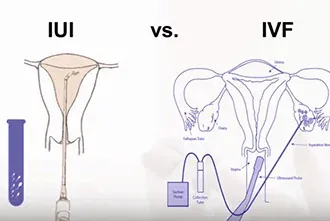
Intrauterine Insemination vs Donor Insemination: Debunking Common Myths
One of the most common myths about IUI and DI is that they guarantee a successful pregnancy. However, the success rates for these procedures vary and depend on factors such as age, overall health, and fertility issues. For instance, the success rate for IUI is around 10-20% per cycle, while the success rate for DI can range from 5-20% per cycle.
Myth #5: IUI and DI are painful and invasive procedures.
IUI and DI are relatively simple and non-invasive procedures. IUI involves inserting a thin catheter through the cervix into the uterus, while DI involves using a syringe or catheter to place the sperm into the uterus. These procedures may cause some mild discomfort, similar to menstrual cramps, but they are generally well-tolerated by patients.
Myth #6: IUI and DI are unnatural ways of conceiving.
Some people believe that IUI and DI are unnatural ways of conceiving and go against traditional methods of conception. However, these procedures simply assist in the process of fertilization and do not involve any manipulation or alteration of the genetic makeup of the child. Additionally, many couples and individuals undergoing IUI and DI have exhausted other options and see these procedures as a way to fulfill their dreams of having a biological child.
Myth #7: The child will not have a connection to the donor.
Many people fear that the child conceived through DI will not have a meaningful connection to the donor and may feel incomplete or lack a sense of identity. However, many sperm banks and clinics offer options for open or semi-open donation, where the child can have access to information about their donor, including medical history and potentially even meet them in the future if desired.
In summary, there are several myths surrounding intrauterine insemination and donor insemination that can cause confusion and uncertainty for couples and individuals considering these procedures. However, by debunking these common myths, we hope to provide a better understanding of IUI and DI and help individuals make informed decisions about their fertility journey.