Intrauterine insemination (IUI) and donor insemination (DI) are two common fertility treatments that involve artificial insemination. Both procedures involve placing sperm into the uterus in hopes of achieving pregnancy. While they have similar goals, there are significant differences between the two in terms of effectiveness, cost, and ethical considerations. In this blog post, we will explore the differences between IUI and DI and help you understand which one may be more effective for your individual situation.
What is Intrauterine Insemination?
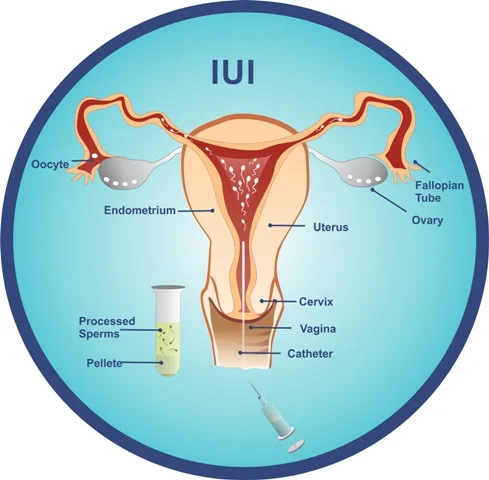
Intrauterine insemination, also known as artificial insemination, is a form of assisted reproductive technology (ART) that involves placing washed and prepared sperm directly into the uterus. This procedure is typically used for couples who are having trouble conceiving due to issues such as low sperm count, ovulation problems, or unexplained infertility.
The process of IUI begins with the female partner taking fertility medications to stimulate egg production. These medications can increase the chances of ovulation and the number of eggs released. The male partner then provides a sperm sample that is washed and concentrated to remove any non-moving sperm, dead sperm, or other debris. The prepared sperm is then placed into the uterus using a thin catheter, which is inserted through the cervix. This procedure is typically done around the time of ovulation to increase the chances of fertilization.
What is Donor Insemination?
Donor insemination, also known as third-party reproduction, involves using donated sperm from a known or anonymous donor to achieve pregnancy. This method is commonly used by single women, same-sex couples, or couples in which the male partner has a genetic disorder that could be passed on to the child. DI can also be used for couples who have been unsuccessful with other fertility treatments.
The process of DI begins with the selection of a sperm donor. This can be done through a sperm bank or through a known donor, such as a friend or family member. The sperm is then frozen and quarantined for at least six months to ensure that the donor does not have any infectious diseases. The female partner then undergoes the same fertility medications and procedures as IUI, with the only difference being the source of the sperm.
Effectiveness of IUI vs DI
The effectiveness of IUI and DI can vary depending on individual factors such as age, fertility issues, and the quality of the sperm used. However, studies have shown that IUI has a higher success rate compared to DI. According to the American Pregnancy Association, the success rate for IUI is around 10-20%, while the success rate for DI is around 5-15%.
Intrauterine Insemination vs Donor Insemination: Which is More Effective?
One of the main reasons for the higher success rate of IUI is because it involves using the male partner’s sperm, which is typically of higher quality than donated sperm. Additionally, with IUI, the sperm is placed directly into the uterus, increasing the chances of fertilization. On the other hand, DI involves a more complex process of selecting a sperm donor, which may not always result in a suitable match.
Cost Comparison
When it comes to cost, IUI is generally less expensive than DI. The cost of IUI can range from $300 to $1,000 per cycle, whereas DI can cost around $1,000 to $4,000 per cycle. This is due to the additional cost of purchasing donor sperm and the quarantine process. However, the cost can vary significantly depending on factors such as the clinic, the type of donor sperm used, and any additional medications or procedures that may be needed.
Ethical Considerations
While both IUI and DI are commonly used fertility treatments, they do involve ethical considerations that should be taken into account. One of the main concerns with DI is the potential for the child to have questions about their biological father and identity. This can be especially challenging for children who were conceived through anonymous sperm donation. On the other hand, IUI involves using the male partner’s sperm, which can eliminate some of these ethical concerns.
Conclusion
In summary, IUI and DI are two common fertility treatments that involve artificial insemination. While both procedures have the same goal of achieving pregnancy, there are significant differences in terms of effectiveness, cost, and ethical considerations. IUI is generally more effective and less expensive than DI, but it may not be suitable for everyone. It is important to consult with a fertility specialist to determine which option is best for your individual situation.
Intrauterine insemination vs donor insemination is a common debate among couples struggling with infertility. This blog post has explored the differences between the two procedures in terms of effectiveness, cost, and ethical considerations. Hopefully, this information has helped you gain a better understanding of these fertility treatments and determine which one may be more suitable for you.
Meta Description: Intrauterine insemination and donor insemination are two common fertility treatments that involve artificial insemination. This blog post explores the differences between the two and helps you understand which one may be more effective for your individual situation.
Leave a Reply