Blog Post:
Fertility issues can be a challenging and emotional journey for many couples. When faced with difficulties conceiving, seeking help from medical professionals is often the next step. However, there are different options available when it comes to seeking fertility treatment, such as fertility clinics and hospitals. While both offer similar services, there are key differences between the two that can impact the success of treatment. In this blog post, we will explore the differences between fertility clinics and hospitals and help you understand which option may be best for you.
Fertility Clinics:
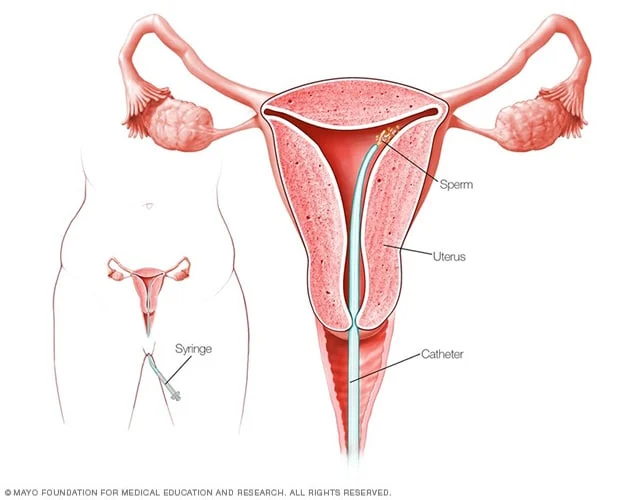
Fertility clinics are specialized medical facilities that focus solely on fertility treatment. These clinics are run by reproductive endocrinologists, who are doctors with specialized training in fertility and reproductive health. Fertility clinics offer a wide range of services such as fertility testing, assisted reproductive technologies (ART), fertility medications, and surgeries. They also provide a range of treatment options, including in vitro fertilization (IVF), intrauterine insemination (IUI), and fertility preservation.
One of the biggest advantages of fertility clinics is that they have a team of experts who are highly trained and experienced in treating fertility issues. They have the latest technology and equipment specifically designed for fertility treatments, which can increase the chances of success. Fertility clinics also offer personalized treatment plans tailored to each individual’s needs, as every case of infertility is unique.
Fertility clinics also provide a supportive and comforting environment for patients. Dealing with fertility issues can be emotionally taxing, and fertility clinics have trained counselors and support groups to help patients cope with the emotional aspects of their treatment. Additionally, many fertility clinics offer alternative therapies like acupuncture, yoga, and massage to help reduce stress and improve overall well-being.
Hospitals:
Hospitals, on the other hand, are general medical facilities that offer a wide range of medical services, including fertility treatment. They have a team of doctors and specialists who may not have specific training in fertility but have a broad knowledge of various medical conditions. Hospitals typically have access to the same technology and equipment as fertility clinics, but they may not be as specialized in fertility treatments.
One of the main advantages of seeking fertility treatment at a hospital is the convenience of having all medical services under one roof. If a patient has other medical conditions that require treatment, they can receive all their care in one place. Hospitals also have a larger network of specialists, so if a patient requires additional medical care during their fertility treatment, they can easily be referred to the appropriate specialist.
Another benefit of hospitals is that they often have a lower cost of treatment compared to fertility clinics. As hospitals offer a range of services, they may have more negotiating power with insurance companies, resulting in lower costs for patients. However, it’s essential to note that not all insurance plans cover fertility treatment, so it’s crucial to check with your provider beforehand.
Fertility Clinics vs Hospitals: Understanding the Differences in Services
Key Differences between Fertility Clinics and Hospitals:
1. Specialization: As mentioned earlier, fertility clinics specialize in treating fertility issues, while hospitals provide a range of medical services.
2. Expertise: Fertility clinics have highly trained and specialized doctors and staff with extensive experience in treating infertility, while hospitals have a broader range of medical professionals with varying levels of expertise in fertility treatment.
3. Personalized Treatment: Fertility clinics offer personalized treatment plans tailored to each individual’s needs, while hospitals may have a more generalized approach to treatment.
4. Emotional Support: Fertility clinics have dedicated counselors and support groups to help patients cope with the emotional aspects of fertility treatment, while hospitals may not have the same level of support.
5. Cost: Hospitals may have a lower cost of treatment due to their ability to negotiate with insurance companies, while fertility clinics may have higher costs due to their specialized services.
Which Option is Right for You?
The decision between seeking treatment at a fertility clinic or a hospital ultimately depends on the individual’s needs and preferences. If you are looking for specialized and personalized care with a team of experts dedicated to fertility treatment, then a fertility clinic may be the best option for you. On the other hand, if you prefer the convenience of having all medical services in one place and have a lower budget, a hospital may be a better choice.
It’s crucial to do thorough research and consult with your doctor before making a decision. Don’t be afraid to ask questions and get a second opinion if needed. Your fertility journey is unique, and it’s essential to find the right medical team to support you along the way.
In summary, fertility clinics and hospitals both offer fertility treatment, but they differ in terms of specialization, expertise, personalized treatment, emotional support, and cost. It’s essential to understand these differences and consider your own needs when making a decision on which option is best for you.
Leave a Reply