Tag: in vitro fertilization (IVF)

  • Fertility Clinics vs Hospitals: Understanding the Differences in Services

    Blog Post:

    Fertility issues can be a challenging and emotional journey for many couples. When faced with difficulties conceiving, seeking help from medical professionals is often the next step. However, there are different options available when it comes to seeking fertility treatment, such as fertility clinics and hospitals. While both offer similar services, there are key differences between the two that can impact the success of treatment. In this blog post, we will explore the differences between fertility clinics and hospitals and help you understand which option may be best for you.

    Fertility Clinics:

    Fertility clinics are specialized medical facilities that focus solely on fertility treatment. These clinics are run by reproductive endocrinologists, who are doctors with specialized training in fertility and reproductive health. Fertility clinics offer a wide range of services such as fertility testing, assisted reproductive technologies (ART), fertility medications, and surgeries. They also provide a range of treatment options, including in vitro fertilization (IVF), intrauterine insemination (IUI), and fertility preservation.

    One of the biggest advantages of fertility clinics is that they have a team of experts who are highly trained and experienced in treating fertility issues. They have the latest technology and equipment specifically designed for fertility treatments, which can increase the chances of success. Fertility clinics also offer personalized treatment plans tailored to each individual’s needs, as every case of infertility is unique.

    Fertility clinics also provide a supportive and comforting environment for patients. Dealing with fertility issues can be emotionally taxing, and fertility clinics have trained counselors and support groups to help patients cope with the emotional aspects of their treatment. Additionally, many fertility clinics offer alternative therapies like acupuncture, yoga, and massage to help reduce stress and improve overall well-being.

    Hospitals:

    Hospitals, on the other hand, are general medical facilities that offer a wide range of medical services, including fertility treatment. They have a team of doctors and specialists who may not have specific training in fertility but have a broad knowledge of various medical conditions. Hospitals typically have access to the same technology and equipment as fertility clinics, but they may not be as specialized in fertility treatments.

    One of the main advantages of seeking fertility treatment at a hospital is the convenience of having all medical services under one roof. If a patient has other medical conditions that require treatment, they can receive all their care in one place. Hospitals also have a larger network of specialists, so if a patient requires additional medical care during their fertility treatment, they can easily be referred to the appropriate specialist.

    Another benefit of hospitals is that they often have a lower cost of treatment compared to fertility clinics. As hospitals offer a range of services, they may have more negotiating power with insurance companies, resulting in lower costs for patients. However, it’s essential to note that not all insurance plans cover fertility treatment, so it’s crucial to check with your provider beforehand.
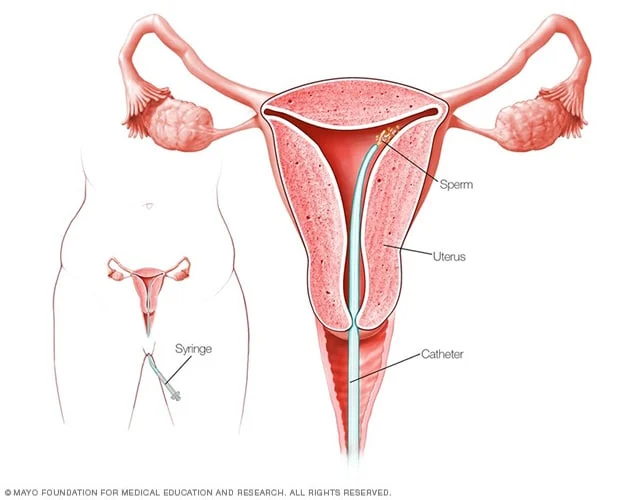
    diagram illustrating intrauterine insemination (IUI) procedure with uterus, sperm, and catheter labeled

    Fertility Clinics vs Hospitals: Understanding the Differences in Services

    Key Differences between Fertility Clinics and Hospitals:

    1. Specialization: As mentioned earlier, fertility clinics specialize in treating fertility issues, while hospitals provide a range of medical services.

    2. Expertise: Fertility clinics have highly trained and specialized doctors and staff with extensive experience in treating infertility, while hospitals have a broader range of medical professionals with varying levels of expertise in fertility treatment.

    3. Personalized Treatment: Fertility clinics offer personalized treatment plans tailored to each individual’s needs, while hospitals may have a more generalized approach to treatment.

    4. Emotional Support: Fertility clinics have dedicated counselors and support groups to help patients cope with the emotional aspects of fertility treatment, while hospitals may not have the same level of support.

    5. Cost: Hospitals may have a lower cost of treatment due to their ability to negotiate with insurance companies, while fertility clinics may have higher costs due to their specialized services.

    Which Option is Right for You?

    The decision between seeking treatment at a fertility clinic or a hospital ultimately depends on the individual’s needs and preferences. If you are looking for specialized and personalized care with a team of experts dedicated to fertility treatment, then a fertility clinic may be the best option for you. On the other hand, if you prefer the convenience of having all medical services in one place and have a lower budget, a hospital may be a better choice.

    It’s crucial to do thorough research and consult with your doctor before making a decision. Don’t be afraid to ask questions and get a second opinion if needed. Your fertility journey is unique, and it’s essential to find the right medical team to support you along the way.

    In summary, fertility clinics and hospitals both offer fertility treatment, but they differ in terms of specialization, expertise, personalized treatment, emotional support, and cost. It’s essential to understand these differences and consider your own needs when making a decision on which option is best for you.
  • Choosing the Right Option: At-Home Insemination Kits vs. Medical Supplies

    Blog Post Title: At-Home Insemination Kits vs. Medical Supplies: Choosing the Right Option for Your Fertility Journey

    Starting a family is a big decision, and for many couples, conceiving a child can be a challenging and emotional journey. With advancements in technology and medical procedures, there are now various options available for couples struggling with fertility. At-home insemination kits and medical supplies are two popular choices, but how do you know which one is the right option for you? In this blog post, we will discuss the differences between these two options and help you make an informed decision for your fertility journey.

    At-Home Insemination Kits

    At-home insemination kits, also known as home insemination or DIY insemination, are designed for couples who want to conceive in the comfort and privacy of their own home. These kits typically include a syringe, a collection cup, and a fertility-friendly lubricant. The process involves collecting the semen from the male partner in the collection cup, drawing it into the syringe, and then inserting it into the female partner’s vagina.

    Pros:

    One of the biggest advantages of at-home insemination kits is the convenience and privacy it offers. Many couples may feel more comfortable and relaxed trying to conceive in their own home rather than in a clinical setting. These kits are also more affordable compared to medical procedures, making it a budget-friendly option for couples on a tight budget. Furthermore, at-home insemination can be done at any time during the woman’s ovulation cycle, giving couples more flexibility in their fertility journey.

    Cons:

    While at-home insemination may seem like an easy and affordable option, it is important to note that the success rates are significantly lower compared to medical procedures. This is because the semen is not processed and prepared like it would be in a medical facility. At-home insemination also does not offer the same level of monitoring and guidance from a medical professional, which could be a disadvantage for couples with underlying fertility issues.

    Medical Supplies

    Medical supplies, on the other hand, refer to the various tools and equipment used in assisted reproductive technology (ART) procedures, such as intrauterine insemination (IUI) and in vitro fertilization (IVF). These procedures involve collecting the male partner’s sperm, processing and preparing it in a laboratory, and then inserting it into the female partner’s reproductive tract.

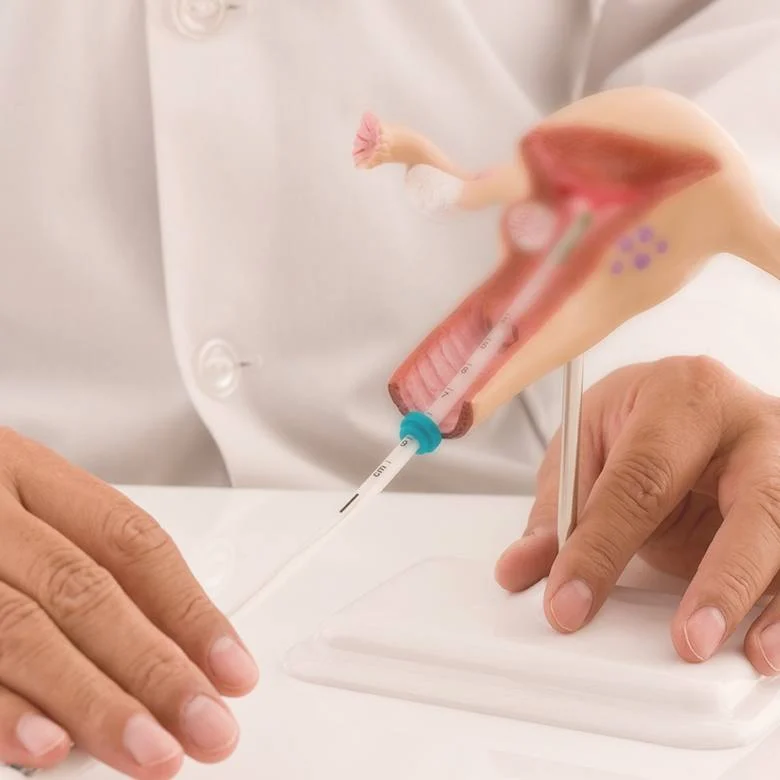
    model of the female reproductive system with a hand demonstrating intrauterine insemination technique

    Choosing the Right Option: At-Home Insemination Kits vs. Medical Supplies

    Pros:

    The biggest advantage of using medical supplies is the higher success rates compared to at-home insemination. As the semen is processed and prepared in a laboratory, the sperm quality is higher, increasing the chances of conception. Medical procedures also offer a more controlled and monitored environment, with the guidance of a fertility specialist. This can be beneficial for couples with underlying fertility issues, as the specialist can tailor the treatment to their specific needs.

    Cons:

    The main disadvantage of medical supplies is the cost. ART procedures can be expensive, and many insurance plans may not cover the expenses. The process can also be time-consuming, with multiple appointments and procedures involved. Additionally, some couples may feel uncomfortable with the idea of a medical professional being involved in their fertility journey.

    Which Option is Right for You?

    Choosing between at-home insemination kits and medical supplies ultimately depends on your personal preferences, budget, and fertility needs. If you are a healthy couple with no underlying fertility issues, at-home insemination kits may be a convenient and budget-friendly option. However, if you have been struggling with fertility for a while or have any underlying fertility issues, medical supplies may be a better choice for you.

    It is also important to consult with a fertility specialist before making a decision. They can assess your medical history and provide you with professional guidance on the best option for your specific needs. Remember, every couple’s fertility journey is unique, and what works for one couple may not work for another.

    In conclusion, at-home insemination kits and medical supplies are two options available for couples struggling with fertility. While both have their pros and cons, it is crucial to carefully consider your options and consult with a fertility specialist before making a decision. Remember to be patient and keep an open mind, as the journey to starting a family may take time and may require different approaches.

    Summary:

    Choosing between at-home insemination kits and medical supplies for fertility can be a daunting decision for couples. At-home kits offer convenience and affordability, while medical supplies offer higher success rates and professional guidance. Ultimately, the right option depends on personal preferences, budget, and fertility needs. Consulting with a fertility specialist can help couples make an informed decision that is best for their unique situation.

  • The Importance of Communication: Egg Retrieval vs Egg Sharing

    The Importance of Communication: Egg Retrieval vs Egg Sharing

    Communication is an essential aspect of any relationship, whether personal or professional. It plays a crucial role in building trust, understanding each other’s needs and expectations, and achieving mutual goals. This holds true for all types of relationships, including those involving assisted reproductive technology (ART). In particular, communication is crucial in the process of egg retrieval and egg sharing, two commonly used methods in fertility treatments. In this blog post, we will explore the importance of communication in these two methods and how it can impact the success of the procedures.

    Egg Retrieval:

    Egg retrieval is a process where a woman’s eggs are collected from her ovaries and used for in vitro fertilization (IVF). This method is typically used for women who are unable to produce viable eggs on their own or have fertility issues. The success of egg retrieval depends on several factors, including the woman’s age, overall health, and response to fertility medications. However, one factor that is often overlooked but can significantly impact the success of egg retrieval is communication.

    Communication between the fertility specialist and the woman undergoing the procedure is crucial. The specialist needs to understand the woman’s medical history, any underlying health conditions, and her response to fertility medications. This information helps the specialist determine the appropriate dosage of medications and the best time to retrieve the eggs. It also allows them to provide the woman with the necessary support and guidance throughout the process.

    In addition to communication with the specialist, it is also essential for the woman undergoing egg retrieval to have open and honest communication with her partner (if applicable). This can help alleviate any fears or concerns and ensure that both partners are on the same page regarding the treatment process. It also allows the couple to make informed decisions together and provide emotional support to each other during this emotionally and physically taxing process.

    Egg Sharing:

    Egg sharing is a fertility treatment option where a woman undergoing IVF donates some of her eggs to another woman or couple who are struggling with fertility issues. This method is often used when the recipient woman is unable to produce viable eggs on her own. Like egg retrieval, communication plays a crucial role in the success of egg sharing.

    For the egg donor, it is essential to communicate with the fertility specialist about any previous donations, medical history, and response to fertility medications. This information helps the specialist determine the appropriate number of eggs to be retrieved and the best time for the procedure. It also ensures that the donor is physically and emotionally prepared for the process.

    For the recipient, communication with the donor is crucial. It allows the recipient to understand the donor’s motivations for donating and get to know her better. This can help alleviate any concerns or fears and build a sense of trust between the two parties. Additionally, communication with the fertility specialist is essential for the recipient to understand the process, potential risks, and success rates of the treatment. This allows the recipient to make an informed decision and feel supported throughout the process.

    Impact of Poor Communication:

    In both egg retrieval and egg sharing, poor communication can have a significant impact on the success of the procedures. For instance, if a woman undergoing egg retrieval fails to communicate any pre-existing medical conditions or medication allergies, it can lead to complications during the procedure. Similarly, if an egg donor does not disclose any previous donations or potential health risks, it can affect the quality and quantity of the donated eggs.

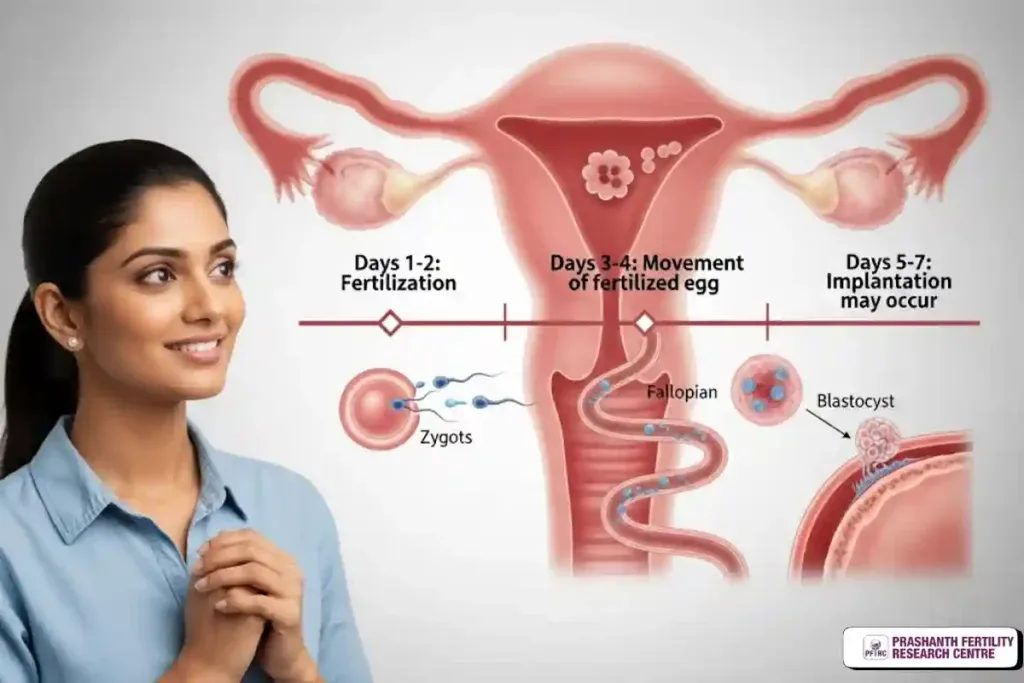
    Illustration showing fertilization and implantation timeline with a woman looking hopeful.

    The Importance of Communication: Egg Retrieval vs Egg Sharing

    In egg sharing, poor communication between the donor and recipient can lead to misunderstandings and potential conflicts. This can create unnecessary stress and impact the success of the treatment. Additionally, if the recipient does not have open communication with the fertility specialist, she may not fully understand the process and have unrealistic expectations, leading to disappointment and frustration.

    Tips for Effective Communication:

    To ensure effective communication in the process of egg retrieval and egg sharing, here are some tips to keep in mind:

    1. Be honest and open about your medical history, including any pre-existing conditions, previous treatments, and medication allergies.

    2. Ask questions and communicate any concerns or fears you may have. This will help you better understand the process and feel more in control.

    3. Keep your partner (if applicable) informed and involved in the process.

    4. Establish open communication with your fertility specialist and ask for clarification if you do not understand something.

    5. Be respectful and understanding of the other party’s perspective and needs.

    6. Keep in mind that communication is a two-way street, so actively listen and respond to the other person.

    Conclusion:

    In conclusion, communication is crucial in the processes of egg retrieval and egg sharing. It helps build trust, understanding, and support between all parties involved and can significantly impact the success of the procedures. It is essential to be open, honest, and respectful in all communication to ensure the best possible outcome for everyone involved.

    In summary, effective communication is crucial in the processes of egg retrieval and egg sharing, two common methods used in fertility treatments. It helps build trust, understanding, and support between the specialist, woman undergoing the procedure, and potential donors or recipients. Poor communication can lead to complications and impact the success of the procedures, making it essential to be open, honest, and respectful in all communication.

  • Fertility Supplements vs Medical Treatments: What’s the Best Option for Unexplained Infertility?

    Blog Post:

    Infertility affects millions of couples around the world and can be a devastating and emotionally draining experience. When trying to conceive, many couples face the frustration of not being able to get pregnant despite trying for months or even years. While some may have a clear medical reason for their infertility, others may be diagnosed with unexplained infertility, which means that there is no identifiable cause for their inability to conceive. For those dealing with unexplained infertility, the decision between fertility supplements and medical treatments can be a difficult one. In this blog post, we will explore the pros and cons of each option and help you determine which may be the best choice for you.

    Fertility Supplements:

    Fertility supplements have become increasingly popular in recent years, with many claiming to boost fertility and increase the chances of conception. These supplements often contain a combination of vitamins, minerals, and herbs that are believed to improve reproductive health. While there is limited scientific evidence to support the effectiveness of these supplements, many couples swear by them and have had success in conceiving after taking them.

    Pros:

    1. Natural ingredients: Fertility supplements are made from natural ingredients, which may be appealing to those who prefer a more holistic approach to fertility treatment.

    2. Available over the counter: Unlike medical treatments, fertility supplements do not require a prescription and can be purchased over the counter at most health food stores or online.

    3. Less expensive: Fertility supplements are generally more affordable than medical treatments, making them a more accessible option for couples on a budget.

    Cons:

    1. Limited research: As mentioned earlier, there is limited scientific research on the effectiveness of fertility supplements. While some studies have shown promising results, more research is needed to fully understand their benefits and potential risks.

    2. May not work for everyone: Fertility supplements may work for some couples, but they may not be effective for everyone. Each person’s body is unique, and what works for one couple may not work for another.

    3. Potential side effects: While fertility supplements are made from natural ingredients, they can still have side effects. It is essential to consult with a healthcare professional before starting any supplement to ensure it is safe for you.

    Medical Treatments:

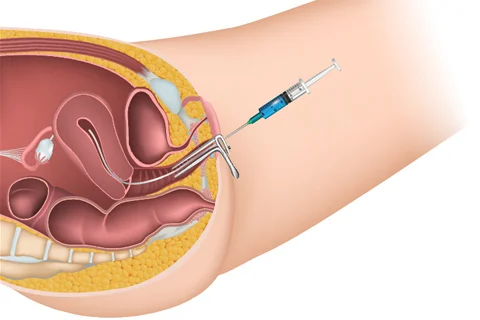
    illustration of intrauterine insemination procedure with a syringe and catheter in the uterus.

    Fertility Supplements vs Medical Treatments: What's the Best Option for Unexplained Infertility?

    Medical treatments for unexplained infertility include intrauterine insemination (IUI) and in vitro fertilization (IVF). Both of these procedures involve assisted reproductive technology (ART) and have been successful in helping many couples conceive.

    Pros:

    1. Proven effectiveness: Unlike fertility supplements, medical treatments have been extensively studied and have a high success rate. For couples dealing with unexplained infertility, these treatments may be the best option for increasing their chances of conception.

    2. Identifies underlying issues: Medical treatments often involve diagnostic tests, which can help identify any underlying issues that may be causing infertility, such as blocked fallopian tubes or low sperm count.

    3. Can be combined with other treatments: In some cases, medical treatments can be combined with other methods, such as fertility drugs or surgery, to improve their effectiveness.

    Cons:

    1. Expensive: Compared to fertility supplements, medical treatments can be costly, especially if multiple cycles are needed.

    2. Invasive: Medical treatments such as IUI and IVF involve procedures that can be physically and emotionally taxing for some individuals.

    3. Potential side effects: As with any medical procedure, there is a risk of side effects with medical treatments. These can include bloating, cramping, and mood swings.

    Which Option is Best for You?

    Deciding between fertility supplements and medical treatments for unexplained infertility can be overwhelming. It is essential to consult with a healthcare professional and discuss your options in detail. They can help you understand the potential risks and benefits of each option and guide you in making the best decision for your specific situation.

    In some cases, a combination of both may be the best approach. For example, a healthcare professional may recommend taking fertility supplements while undergoing medical treatments to improve the chances of conception.

    Summary:

    When faced with unexplained infertility, the decision between fertility supplements and medical treatments can be challenging. Fertility supplements are made from natural ingredients, are more affordable, and can be purchased over the counter. However, there is limited research on their effectiveness and potential side effects. On the other hand, medical treatments such as IUI and IVF have a higher success rate and can identify underlying issues, but they can be expensive and invasive. It is crucial to consult with a healthcare professional to determine the best option for you.