Tag: fertility specialists

  • Fertility Coaches vs Fertility Specialists: Understanding the Differences

    Blog Post Title: Fertility Coaches vs Fertility Specialists: Understanding the Differences

    In recent years, the field of fertility has seen a rise in the popularity of fertility coaches. These coaches offer support and guidance to individuals and couples struggling with fertility issues, promising to help them achieve their dream of starting a family. However, there is often confusion about the role of a fertility coach and how it differs from that of a fertility specialist. In this blog post, we will explore the differences between fertility coaches and fertility specialists, and why it is important to understand these distinctions.

    Fertility Coaches:
    Fertility coaches are not medical professionals and do not have any formal medical training. They are typically individuals who have gone through their own fertility struggles and have successfully conceived a child. They may also have a background in holistic health, nutrition, or counseling. Fertility coaches offer emotional support, advice on lifestyle changes, and help with navigating the fertility journey. They may also provide resources and recommendations for alternative fertility treatments such as acupuncture, naturopathy, or herbal supplements.

    One of the main benefits of working with a fertility coach is the emotional support they can provide. Fertility struggles can be incredibly isolating and overwhelming, and having someone who understands and can offer guidance can be very helpful. Fertility coaches also often have a more holistic approach, focusing on the mind-body connection and how it can impact fertility. They may also offer practical advice on nutrition, exercise, and stress management, which can play a significant role in fertility.

    However, it is important to note that fertility coaches are not trained medical professionals and should not be relied upon for medical advice. They can offer support and guidance, but they cannot diagnose or treat any medical conditions. If you are struggling with fertility issues, it is crucial to seek the expertise of a fertility specialist.

    Fertility Specialists:
    Fertility specialists, also known as reproductive endocrinologists, are medical doctors who specialize in diagnosing and treating fertility issues. They have completed extensive training in obstetrics and gynecology, followed by a fellowship in reproductive endocrinology and infertility. Fertility specialists have a deep understanding of the complex hormonal, medical, and genetic factors that can impact fertility. They have access to advanced diagnostic tools and fertility treatments, such as in vitro fertilization (IVF), intrauterine insemination (IUI), and other assisted reproductive technologies.
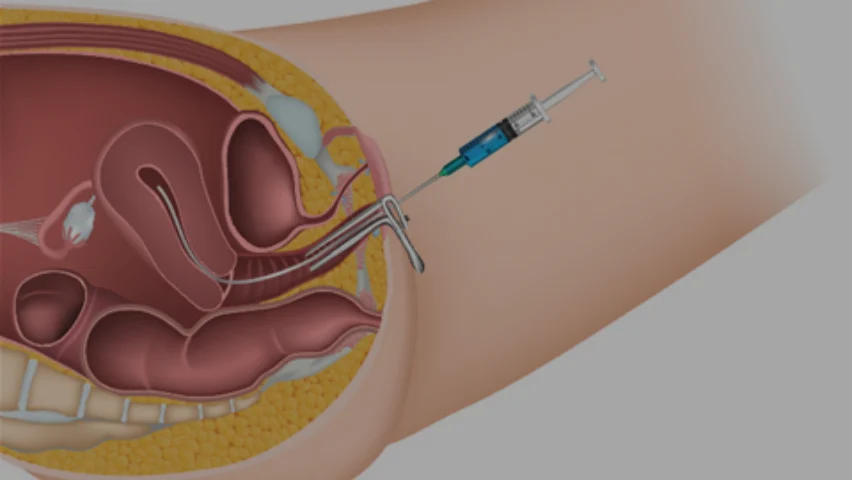
    Illustration of intrauterine insemination (IUI) procedure with syringe and catheter in the uterus.

    Fertility Coaches vs Fertility Specialists: Understanding the Differences

    One of the main advantages of working with a fertility specialist is their medical expertise and access to advanced treatments. They can conduct thorough evaluations, diagnose any underlying medical conditions, and develop personalized treatment plans based on each patient’s unique needs. Fertility specialists also have a team of nurses, embryologists, and other healthcare professionals to support them in providing comprehensive care.

    It is also worth noting that fertility specialists can diagnose and treat both male and female fertility issues. In contrast, fertility coaches typically focus on the female partner’s journey and may not have the knowledge or expertise to address male fertility concerns.

    So, Which One Do You Need?
    The answer to this question depends on your individual situation and needs. If you are struggling with fertility issues and have not yet sought medical advice, it is essential to start by consulting a fertility specialist. They can conduct necessary tests and evaluations to determine the cause of your fertility struggles and provide appropriate medical treatment.

    However, if you have already been diagnosed with a medical condition impacting your fertility, or if you are undergoing fertility treatments, working with a fertility coach can be a beneficial addition to your treatment plan. They can offer emotional support and guidance, as well as practical advice on lifestyle changes that can improve your chances of conception.

    In summary, fertility coaches and fertility specialists play different roles in the fertility journey. Fertility coaches offer emotional support and guidance, while fertility specialists provide medical expertise and treatment. It is essential to understand these distinctions and seek the appropriate help for your specific needs.

    In conclusion, while fertility coaches and fertility specialists both have a role to play in the fertility journey, they offer different types of support. Fertility coaches can provide emotional support and practical advice, while fertility specialists offer medical expertise and treatment. It is crucial to seek the appropriate help for your specific needs and to ensure that you are receiving the best care possible in your journey towards starting a family.

  • A Look Inside Fertility Clinics and Hospitals: What to Expect

    Blog Post:

    For many couples struggling with infertility, fertility clinics and hospitals offer a glimmer of hope. These facilities are equipped with state-of-the-art technology and a team of specialists dedicated to helping individuals and couples achieve their dream of starting a family. However, the thought of undergoing fertility treatments can be overwhelming and intimidating. In this blog post, we will take a closer look inside fertility clinics and hospitals, and discuss what to expect during your journey towards parenthood.

    Initial Consultation:

    The first step in the fertility treatment process is an initial consultation with a fertility specialist. This is an opportunity for the doctor to get to know you and your partner, understand your medical history, and discuss any concerns or questions you may have. During this consultation, the doctor may recommend certain tests to determine the cause of infertility and create a personalized treatment plan for you.

    Diagnostic Tests:

    Fertility clinics and hospitals offer a wide range of diagnostic tests to identify the underlying cause of infertility. These tests may include blood work, ultrasound, hysterosalpingogram (HSG), semen analysis, and genetic testing. These tests help the doctor to pinpoint any potential issues and guide them in creating an effective treatment plan.

    Fertility Treatments:

    Fertility clinics offer a variety of treatments, including in vitro fertilization (IVF), intrauterine insemination (IUI), and fertility medications. The type of treatment recommended will depend on the cause of infertility, the results of diagnostic tests, and the couple’s preferences. The fertility specialist will explain the different options and help you choose the treatment that is best for you.

    IVF is one of the most common fertility treatments offered at clinics and hospitals. This involves retrieving eggs from the female partner and fertilizing them with sperm in a laboratory. The resulting embryo is then transferred into the woman’s uterus, increasing the chances of pregnancy. IUI, on the other hand, involves placing washed and concentrated sperm directly into the woman’s uterus to increase the chances of fertilization.

    Fertility medications are often used in conjunction with IVF or IUI to stimulate the ovaries and increase the number of eggs produced. These medications may include oral or injectable hormones and are tailored to each individual’s needs.

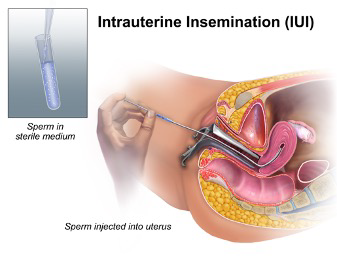
    Illustration of intrauterine insemination (IUI) procedure, showing sperm injection into the uterus.

    A Look Inside Fertility Clinics and Hospitals: What to Expect

    Emotional Support:

    Going through fertility treatments can be an emotional rollercoaster for many couples. Fertility clinics and hospitals understand the emotional toll that infertility can take and offer support services to help patients cope with the challenges. These may include counseling, support groups, and resources to help manage stress and anxiety.

    Success Rates:

    One of the most common questions asked by couples considering fertility treatments is about success rates. While success rates vary depending on various factors, including age, cause of infertility, and type of treatment, the overall success rates for fertility treatments have improved significantly in recent years. It is important to keep in mind that every individual and couple’s journey is unique, and success rates should not be the sole determining factor in choosing a fertility clinic.

    Cost of Fertility Treatments:

    Fertility treatments can be expensive, and it is essential to consider the cost before starting the process. Many fertility clinics offer financing options and work with insurance companies to help make treatments more affordable. It is important to discuss the cost of treatments and any potential financial assistance with the fertility clinic before starting the process.

    Follow-Up Care:

    Once fertility treatments are completed, follow-up care is crucial to monitor the pregnancy and ensure the health of both the mother and baby. Fertility clinics and hospitals offer regular check-ups and ultrasounds to monitor the progress of the pregnancy and address any concerns that may arise.

    In addition to the above, fertility clinics and hospitals also prioritize patient privacy and confidentiality. The staff is trained to handle sensitive information and provide a safe and comfortable environment for patients to undergo treatments.

    In summary, fertility clinics and hospitals offer hope and support to couples struggling with infertility. They provide a wide range of services, from diagnostic tests to fertility treatments, and emotional support to help individuals and couples achieve their dream of starting a family. It is essential to have a thorough understanding of what to expect before starting the fertility treatment process, and to choose a reputable and experienced clinic for the best chances of success.

    SEO Metadata:

  • The Importance of Follow-Up: Intrauterine Insemination vs Intracervical Insemination

    Blog Post Title: The Importance of Follow-Up: Intrauterine Insemination vs Intracervical Insemination

    In the world of fertility treatments, there are many options available for couples struggling to conceive. Two common procedures are intrauterine insemination (IUI) and intracervical insemination (ICI). Both involve the placement of washed and prepared sperm into the female reproductive tract, but the methods and success rates differ. While these procedures offer hope for couples, the importance of follow-up cannot be stressed enough.

    Intrauterine insemination (IUI) is a procedure where washed and prepared sperm is directly inserted into the uterus using a thin catheter. This method allows for the sperm to bypass the cervix and have a shorter distance to travel to reach the egg. IUI is often recommended for couples struggling with male factor infertility or unexplained infertility.

    On the other hand, intracervical insemination (ICI) is a procedure where washed and prepared sperm is placed near the cervix using a syringe. The sperm then has to make its way through the cervix and into the uterus to reach the egg. This method is often used for couples with mild male factor infertility or for single women or same-sex couples using donor sperm.

    While the success rates of IUI and ICI may vary depending on individual factors, the key to increasing the chances of conception with either procedure is proper follow-up. This means closely monitoring the woman’s cycle and timing the insemination correctly, as well as participating in post-insemination ultrasounds and blood work.

    One important aspect of follow-up is tracking the woman’s ovulation cycle. This involves regular ultrasounds and blood work to monitor the growth and development of the follicles, which contain the eggs. The timing of IUI and ICI is crucial, as the sperm needs to be introduced into the reproductive tract at the optimal time for fertilization to occur. By closely monitoring the woman’s ovulation cycle, fertility specialists can determine the ideal time for insemination and increase the chances of success.

    illustration of a uterus with a syringe, representing intrauterine insemination procedure

    The Importance of Follow-Up: Intrauterine Insemination vs Intracervical Insemination

    Another key component of follow-up is post-insemination ultrasounds and blood work. These tests can help determine if the sperm has successfully reached the egg and if fertilization has occurred. They can also detect any potential issues that may be hindering conception, such as uterine or cervical abnormalities. In cases where fertilization does not occur, these tests can provide valuable information for the fertility specialist to adjust the treatment plan accordingly.

    Follow-up also involves assessing the fertilization success rates of IUI and ICI. Studies have shown that IUI has a higher success rate than ICI, with a 20% chance of conception per cycle for IUI compared to 10% for ICI. However, this success rate can increase with proper follow-up and adjustments to the treatment plan. For example, if the woman’s ovulation cycle is not responding well to the medication used to stimulate the follicles, the fertility specialist may suggest switching to a different medication or increasing the dosage.

    In addition to increasing the chances of conception, follow-up also plays a crucial role in ensuring the health and safety of both the mother and potential child. Regular ultrasounds and blood work can detect any potential complications early on, allowing for prompt treatment and minimizing any risks. It also allows for the monitoring of the number of follicles developing, which can help prevent the risk of multiple pregnancies.

    Follow-up is also essential for the emotional well-being of couples going through fertility treatments. The process of trying to conceive can be emotionally draining, and the uncertainty of whether each cycle will be successful can take a toll on couples. By closely monitoring the progress and providing support and guidance, follow-up can help alleviate some of the stress and anxiety associated with fertility treatments.

    In conclusion, while IUI and ICI offer hope for couples struggling to conceive, the importance of follow-up cannot be emphasized enough. By closely monitoring the woman’s ovulation cycle, participating in post-insemination tests, and making necessary adjustments, the chances of success can significantly increase. Follow-up also ensures the safety and well-being of both the mother and potential child and provides much-needed emotional support for couples going through fertility treatments. With proper follow-up, couples can navigate the journey of fertility treatments with confidence and hope for a successful outcome.

    Summary:

    Intrauterine insemination (IUI) and intracervical insemination (ICI) are two common fertility treatments that involve the placement of washed and prepared sperm into the female reproductive tract. While these procedures offer hope for couples struggling to conceive, the key to increasing their chances of success is proper follow-up. This includes closely monitoring the woman’s ovulation cycle, participating in post-insemination ultrasounds and blood work, and assessing the fertilization success rates. Follow-up not only increases the chances of conception but also ensures the health and safety of both the mother and potential child, as well as providing emotional support for couples going through fertility treatments.

  • The Benefits of Professional Monitoring: Clinic Intrauterine Insemination

    Blog Post:

    Intrauterine insemination (IUI) is a fertility treatment that involves placing sperm directly into a woman’s uterus to increase the chances of pregnancy. This procedure can be done at a clinic with the help of professional monitoring, which involves closely monitoring the woman’s fertility cycle and ensuring that the IUI is done at the most optimal time. While some couples may opt for at-home insemination, there are many benefits to seeking professional monitoring for clinic IUI. In this blog post, we will delve into the various advantages of professional monitoring for clinic IUI.

    1. Accurate Timing

    One of the main benefits of professional monitoring for clinic IUI is the accurate timing of the procedure. In order for IUI to be successful, the sperm needs to be placed in the uterus at the exact time of ovulation. This can be difficult to determine without the help of professional monitoring. Fertility specialists will use various methods such as blood tests, ultrasounds, and ovulation predictor kits to accurately pinpoint the time of ovulation. This ensures that the IUI is done at the most optimal time, increasing the chances of success.

    2. Increased Success Rates

    With accurate timing comes increased success rates for clinic IUI. When the IUI is done at the most optimal time, the chances of the sperm successfully fertilizing the egg are significantly higher. This is especially important for couples who have been struggling with infertility, as every opportunity for pregnancy counts. Professional monitoring also allows for adjustments to be made if the first attempt is unsuccessful, increasing the chances of success in subsequent attempts.

    3. Monitoring for Potential Complications

    During the fertility cycle, there may be potential complications that can impact the success of IUI. These can include issues with ovulation, the thickness of the uterine lining, or the quality of the sperm. With professional monitoring, these potential complications can be identified and addressed before the IUI procedure. This not only increases the chances of success but also ensures the safety of the woman and any potential pregnancy.

    4. Personalized Treatment Plans

    illustration of a uterus with a syringe for intrauterine insemination (IUI) procedure

    The Benefits of Professional Monitoring: Clinic Intrauterine Insemination

    Every woman’s fertility journey is unique, and professional monitoring allows for personalized treatment plans to be created. Fertility specialists will take into account factors such as age, medical history, and any underlying conditions to create a treatment plan that is tailored to the individual’s needs. This personalized approach can lead to better outcomes and a more positive experience for the patient.

    5. Emotional Support

    Going through fertility treatments can be an emotional rollercoaster for couples. Professional monitoring offers emotional support from fertility specialists who understand the challenges and emotions that come with trying to conceive. They can provide guidance, reassurance, and a listening ear throughout the process. This can make a significant difference in the overall experience for couples undergoing clinic IUI.

    6. Access to Advanced Techniques

    Professional monitoring for clinic IUI also opens up the possibility of using advanced techniques. For example, if a woman has a low ovarian reserve, fertility specialists may recommend using intrauterine insemination with donor sperm (IUI-D) to increase the chances of pregnancy. This technique is not possible with at-home insemination and can only be done with professional monitoring at a clinic.

    7. Increased Safety

    At-home insemination carries a higher risk of infection as it is not done under sterile conditions. With professional monitoring at a clinic, IUI is performed in a sterile environment, reducing the risk of infection. Additionally, fertility specialists are trained and experienced in performing IUI, ensuring the procedure is done safely and accurately.

    Summary:

    Professional monitoring for clinic IUI offers many benefits, including accurate timing, increased success rates, personalized treatment plans, emotional support, access to advanced techniques, and increased safety. With the help of fertility specialists, couples can increase their chances of success in achieving pregnancy while also receiving personalized care and emotional support throughout the process.